Gratitude for a Season of Growth
As autumn settles in and we gather the harvest, it’s a wonderful time to pause and reflect with gratitude on the abundance this growing season has brought—not only in our gardens, but also through the Seed Library. Together, we’ve continued to sow seeds of nourishment, beauty, and community.
From September 2024 through August 2025, the Brown County Seed Library shared 20,675 repackaged seed envelopes with our community—plus another 3,507 envelopes through our grab bin and special events like the Parker’s Pumpkin book tour and our donation to Freedom House. That’s over 24,000 packets of possibility placed in the hands of local gardeners this past year!
Now we’d love to hear from you. If you’ve had success growing seeds from the Library, please click this link or use the QR code below to share your story and photos. Your feedback helps us learn what’s growing well, how our seeds are being used, and how we can keep curating the very best collection for Brown County.
As we celebrate this season of abundance, we are deeply grateful—for our volunteers, partners, and everyone who grew with us this year. Your hands and hearts make the Seed Library flourish.
Submitted by Melissa, N.E.W. Master Gardener
|
Gardening Beyond the Frost
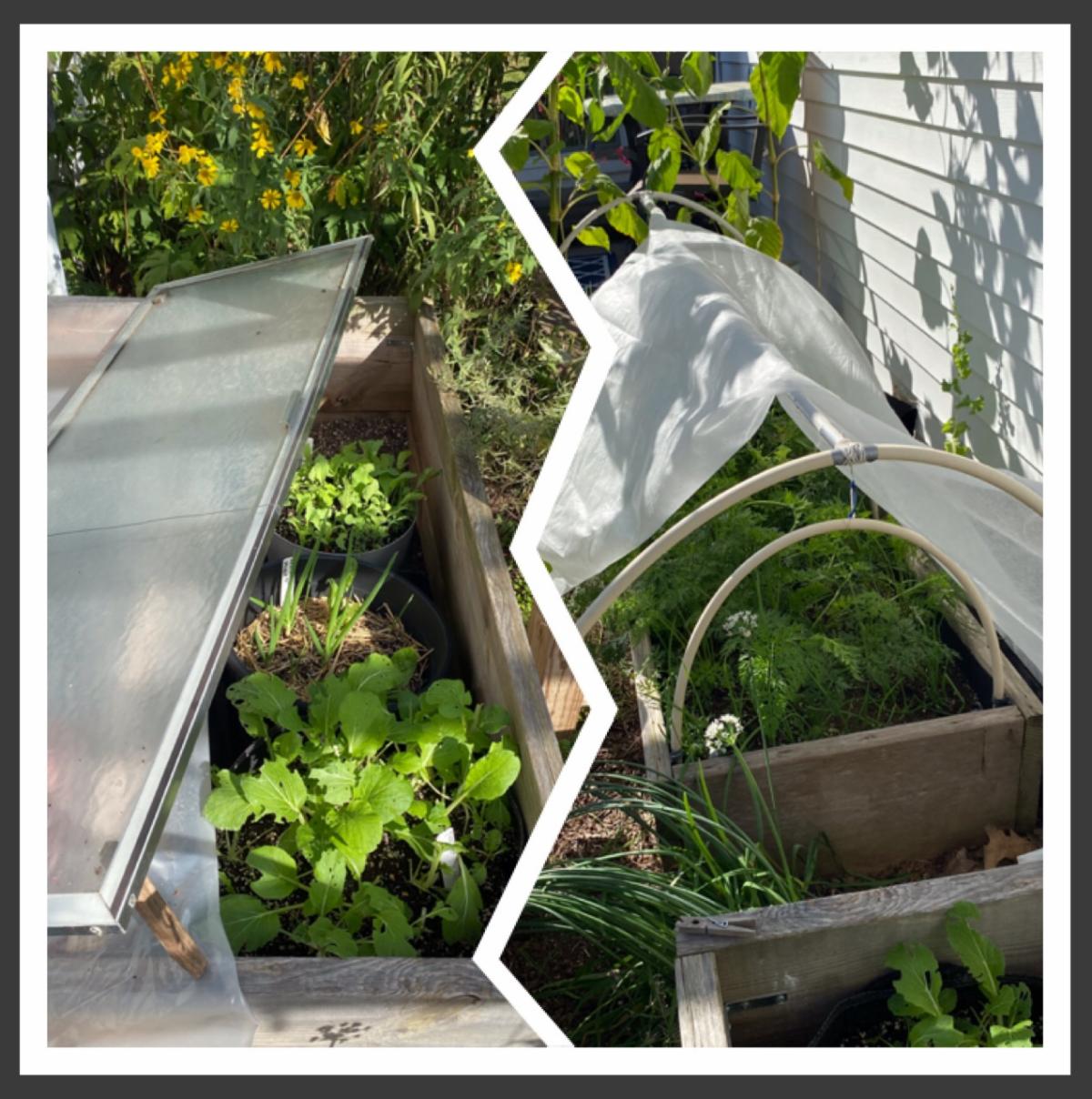
As the crisp October air settles into Zone 5, many of our neighbors are preparing to bid farewell to their gardens, pulling up the last of their tomato vines. Yet, in one backyard, the gardening season is just beginning with a bountiful harvest of bok choy, spinach, onions, and radishes. The secret to this extended harvest? A clever and sustainable solution—a homemade cold frame using a repurposed shower door lid.
For many gardeners across the Midwest, the short growing season can be a formidable challenge. However, with a little creativity and resourcefulness, you can extend your harvest well into the chilly months. The featured photo demonstrates the powerful combination of succession planting and cold frames—a technique that could revolutionize your gardening calendar.
Top 5 Tips from Extension for Extending the Growing Season
Consider trying one of the following tips to make the most of your garden this year:
- Build a Cold Frame: Use reclaimed materials, such as old windows or shower doors, to create a mini greenhouse. This simple structure can protect your plants from frost and allow you to plant earlier in the spring and harvest later in the fall.
- Succession Planting: Plan your garden in stages. By planting crops with different maturity times, you can continuously harvest throughout the season.
- Choose Cold-Hardy Varieties: Opt for vegetables known for their frost tolerance. Varieties like kale, broccoli, and carrots thrive in cooler temperatures.
- Mulching: Apply a layer of mulch to insulate the soil and retain moisture. This practice not only protects plant roots from frost but also suppresses weeds.
- Row Covers: Use lightweight fabric row covers to shield your plants from early frosts and pests while allowing sunlight and moisture to reach them.
We'd love to hear your gardening success stories and innovative ideas. Share your photos and tips with us, and you might be featured in our next newsletter!
Happy gardening, and may your harvests be plentiful!
Submitted by Peggy, N.E.W. Master Gardener
| |
Covering the Soil: Protecting Your Garden’s Life Beneath the Surface
As we finish harvesting and transition to preparing our gardens for the cold, it’s a perfect time to remind ourselves of the three main tenets of protecting living soil: disturb the soil as little as possible, keep the soil covered, and keep the soil planted. Following these principles helps maintain a thriving community of microbes, fungi, and beneficial insects that support plant growth.
Bare soil left exposed over the off-season can dry out, erode, lose valuable nutrients, and stress or even kill the community of microbes, fungi, and other beneficial organisms that support plant growth. Covering the soil protects these tiny helpers while also improving water retention, reducing weeds, and regulating temperature.
There are many options for keeping your soil covered:
- Mulches: Straw, hay, leaves, or partially composted material protect the soil while slowly releasing nutrients as they break down.
- Compost layers: A few inches of nutritional or mulching compost feed microbes and provide a rich, living soil layer.
- Cardboard or paper: These carbon-rich materials suppress weeds, break down over time, and attract earthworms.
- Cover crops or living mulch: This method accomplishes both keeping the soil covered and keeping the soil planted. Plants like clover, rye, or buckwheat protect the soil while improving structure, sequestering carbon, and providing habitat for beneficial insects. Choose cover crops that will naturally winter kill, or be prepared to crimp them in spring to terminate growth before planting your main crops. Seeds for cover crops can be ordered in bulk online or purchased locally at places like County Visions Co-Op in DePere.
By minimizing soil disturbance, keeping it covered, and keeping it planted, we give our gardens the best chance to remain healthy and resilient over winter. Fall is the ideal time to give your soil a protective blanket, ensuring it stays ready for a productive spring.
Submitted by Melissa, N.E.W. Master Gardener
| |
|
Effortless Composting for Beginners
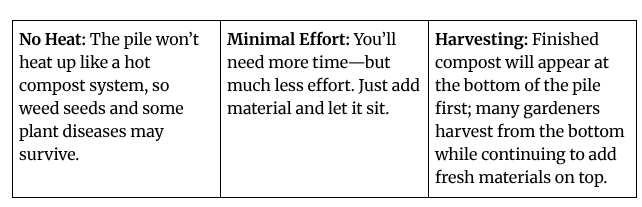
If you’ve ever wanted to compost but thought it sounded too complicated, cold composting may be just the thing for you. Unlike “hot” composting—which requires frequent turning and careful balancing of greens and browns—cold composting is a slower, low-maintenance process that fits perfectly into the busy gardener’s life.
Cold composting is simply piling up yard waste, kitchen scraps, and other organic materials and letting nature do the work. Microbes, worms, and insects gradually break everything down over time, with little effort on your part.
Patience is key. In Zone 5, where winters freeze the pile for several months, a cold compost pile can take 12 to 24 months to fully break down into rich, crumbly compost. During the winter, decomposition slows almost to a stop, then picks up again in spring and summer.
| | |
Practical Tips for Zone 5 Gardeners
Location Matters: Place your compost bin or pile in a sunny spot if possible—it will thaw faster in spring.
Layering Helps: Alternate kitchen scraps (“greens”) with leaves, straw, or shredded paper (“browns”) to keep the pile balanced and reduce odors.
Size Counts: A pile at least 3’ x 3’ x 3’ gives microbes enough material to work efficiently, even in cooler weather.
Add in Fall, Harvest Later: Piles started in late summer or early fall often produce usable compost by the following year’s growing season.
Keep Expectations Realistic: Cold composting isn’t about speed—it’s about simplicity.
Cold composting in Zone 5 won’t give you fast results, but it’s an easy way to recycle kitchen and garden waste while eventually creating a free, nutrient-rich soil amendment. Think of it as “set it and forget it” composting—the slow cooker of the gardening world.
Submitted by Peggy, N.E.W. Master Gardener
| | |
Book Review
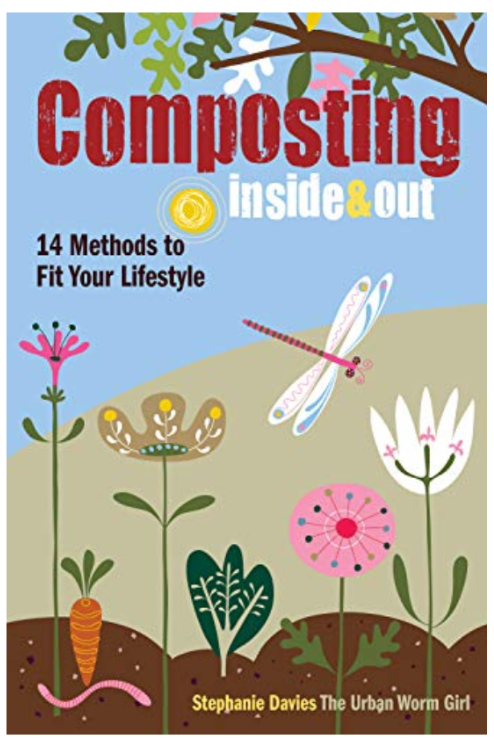
Composting Inside and Out: To Fit our Space and Lifestyle
by Stephanie Davies, format: book
Composting Inside and Out is a fun-fact-filled guide to composting. Author Davies provides the comparison, or contrast rather, to tossing our food scraps and yard waste to the curb en route to a landfill versus our ability to reuse our organic matter by composting it. She goes on to describe and provide instruction for a variety of methods for composting at your home - outside or in! Scattered throughout the book are vignettes, infographics, and charts to help inspire and guide your composting adventure.
Submitted by Jennifer, Brown County Central Library Associate and N.E.W. Master Gardener
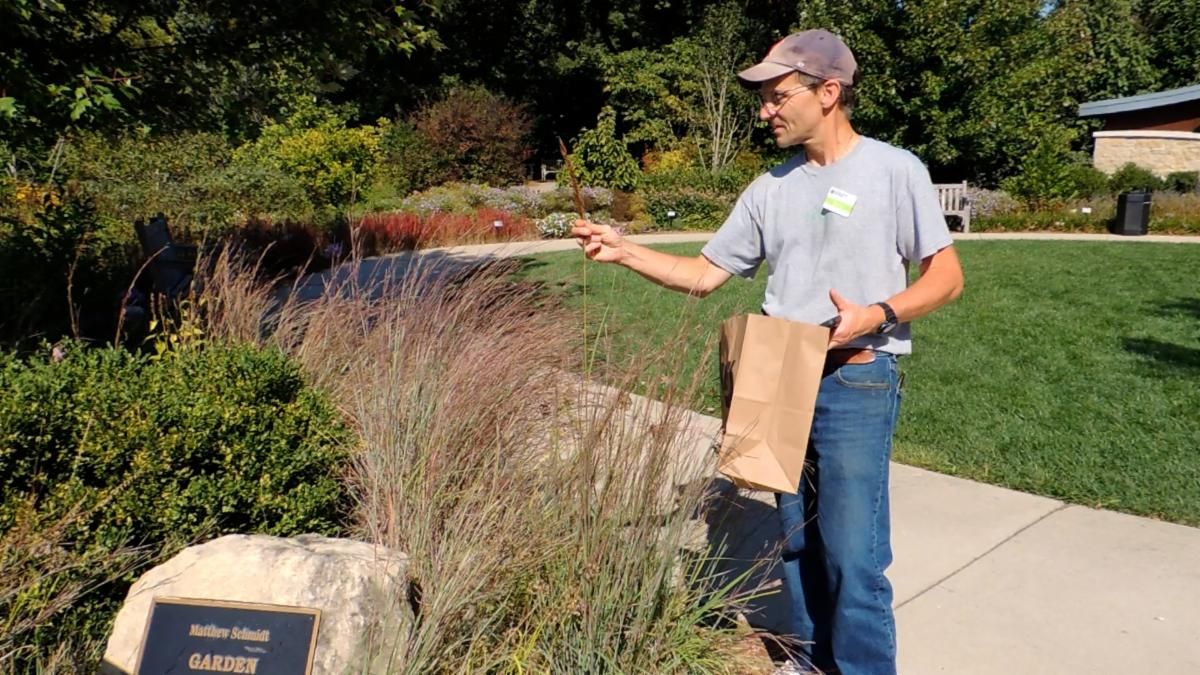
| A heartfelt thank you to everyone who joined us at Fall Family Fest at the Green Bay Botanical Garden to help harvest native seeds! Together, we collected several varieties that will become part of the Seed Library’s inventory. The seeds are now drying and will be cleaned and packaged over the winter, ready to be shared for next year’s growing season. If you’d like to be part of the next step, join us for our seed cleaning event on November 8—see the calendar below to sign up! | | |
Calendar of Local Garden Related Events:
October 2, 5:30pm - 7:30pm ($)
Green Thumb Gardening Fall 2025 - Woody Plants for Fall Fireworks
Virtual, UW Extension
October 3, 5pm - 7pm (free)
Grassroots in the Garden: Growing Community
Seymour Park Food Forest, 314 S. Ashland Ave, Green Bay
October 4, 9am or 1pm ($)
Intro to Foraging Walk
149 Baird Creek Rd, Green Bay
October 7, 1pm - 2pm (free)
Tri-County Winter Webinar Series:
Plant propagation for indoor and outdoor plants
Virtual, U of Minn Extension
October 8, 6pm - 7:30pm (free)
Seed Collecting at Stone Silo
2325 Oak Ridge Cir, De Pere
October 9, 5:30pm - 7:30pm ($)
Green Thumb Gardening Fall 2025 - Soils, Soil Testing, and Fertilizers
Virtual, UW Extension
October 16, 10am - 11:30am ($)
The Bird Garden
Green Bay Botanical Gardens, 2600 Larsen Rd, Green Bay
October 16, 5:30pm - 7:30pm ($)
Green Thumb Gardening Fall 2025 - Small Native (and Nativar) Trees and Shrubs
Virtual, UW Extension
October 16, 6pm - 7pm (free)
“Next Steps for Nature” with Doug Tallamy
Virtual, Wild Ones
October 18, 9:30am - 3pm (free)
Seed Packing for the BCSL
Brown County Central Library, 515 Pine St, Green Bay
October 20, 1:30pm - 2:30pm (free)
Ask Your Gardening Question: LIVE
Virtual, UW Extension
October 21, 1pm - 2pm (free)
Tri-County Winter Webinar Series: A beginner's guide to houseplants
Virtual, U of Minn Extension
October 22, 6:30 - 8:30pm (free)
Diseases of Houseplants
Virtual, UW Extension
October 23, 5:30pm - 7:30pm ($)
Green Thumb Gardening Fall 2025 - Getting the Garden Ready for Winter
Virtual, UW Extension
October 25, 1pm - 2pm (free)
The NE Wisconsin Pollinator Corridor and How You can Support Pollinators
Brown County Central Library, 515 Pine St, Green Bay
October 28, 1pm - 2pm (free)
Native Garden Design and Climate Resilient Landscaping
Virtual, Monarch Joint Venture
October 30, 5:30pm - 7:30pm ($)
Green Thumb Gardening Fall 2025 - Native Plants and Pollinators
Virtual, UW Extension
November 3-6 ($)
Friends of the Library Big Book Sale
Brown County Central Library, 515 Pine St, Green Bay
November 6, 5:30pm - 7:30pm ($)
Green Thumb Gardening Fall 2025 - Made in the Shade: Shade Perennials
Virtual, UW Extension
November 8, 9:30am - 3pm (free)
Seed Cleaning Workshop
Brown County Central Library, 515 Pine St, Green Bay
November 13, 5:30pm - 7:30pm ($)
Green Thumb Gardening Fall 2025 - Strawberries, Raspberries, and Blueberries
Virtual, UW Extension
November 17, 1:30pm - 2:30pm (free)
Ask Your Gardening Question: LIVE
Virtual, UW Extension
November 18, 1pm - 2pm (free)
Tri-County Winter Webinar Series: An introduction to rain gardens
Virtual, U of Minn Extension
November 19, 6:30 - 8:30pm (free)
Diseases of Evergreens
Virtual, UW Extension
November 20, 5:30pm - 7:30pm ($)
Green Thumb Gardening Fall 2025 - Gardening With Climate Change in Mind
Virtual, UW Extension
November 20, 6pm - 7pm (free)
Living in the Liberated Landscape: My Yard
Virtual, Wild Ones Presents
|
How to Grow Garlic
What is garlic?
Garlic is a member of the Allium family, related to onions, leeks, chives, and scallions. There are three main types: Hardneck, Softneck, and Elephant garlic. In Wisconsin, Hardneck and Elephant garlic grow best. Hardneck produces scapes in the spring, while Elephant garlic—though milder in flavor—is actually more closely related to leeks.
Planting
Garlic grows best in full sun and is not grown from seed, as most varieties have lost the ability to produce fertile seeds. Instead, it is grown from cloves, which are the individual sections of a bulb. Each clove can grow into a full bulb.
Plant cloves in late summer or fall. The UW–Extension recommends planting about one to two weeks after the first killing frost, though many gardeners plant anytime from late September through October. If growth appears before a hard freeze, protect young shoots with a thick layer of straw or mulch. Spring planting is possible but usually results in weaker shoots and smaller bulbs.
You can purchase bulbs from garden centers, big box stores, or local farmers. There are about 50 cloves per pound. For small plantings, buying from a local farmer is often best—you’ll get healthy cloves and the chance to ask for growing tips.
How to Plant
Just before planting, separate the bulb into individual cloves. Choose the largest cloves, as they produce the largest bulbs. Some Hardneck varieties produce “double cloves”; don’t separate them, as they will still produce a large, healthy bulb.
Plant each clove pointed side up, 2–3 inches deep and about 6 inches apart. Cover with 3–4 inches of clean straw or mulch to protect against temperature swings. Remove the mulch in spring after the danger of hard frost has passed. If you want to mulch for weed control, wait until shoots are about 6 inches tall.
Care
Garlic is a moderate to heavy feeder. Apply a nitrogen fertilizer at planting and again when shoots are 4–6 inches tall. Some varieties may develop yellow tips, often due to water stress rather than poor soil fertility. Consistent watering is especially important from late May through mid-July, when bulbs are forming. Too little water during this period results in smaller bulbs and early maturity.
On Hardneck garlic, scapes appear in spring. They can be removed once they start curling. Cutting scapes often improves bulb size, though some gardeners leave them on, as there’s evidence this may help storage life in certain soils. Either way, scapes are a delicious seasonal treat.
Harvest
Harvesting garlic takes a little practice. Different varieties mature at different times, so it helps to ask the farmer you purchased from for advice. In general, harvest when about half the leaves have turned brown. If you’re unsure, dig up one “test” bulb to check. A mature bulb should have well-formed cloves that look like the one you originally planted.
Harvest too early and the bulbs will be small and won’t store well. Harvest too late and cloves may split from their skins, making them more vulnerable to disease.
Source
University of Wisconsin–Madison Division of Extension. “Garlic (Allium sativum).” Horticulture Division of Extension. https://hort.extension.wisc.edu/articles/garlic-allium-sativum/.
Submitted by Jeanette, N.E.W. Master Gardener
| |
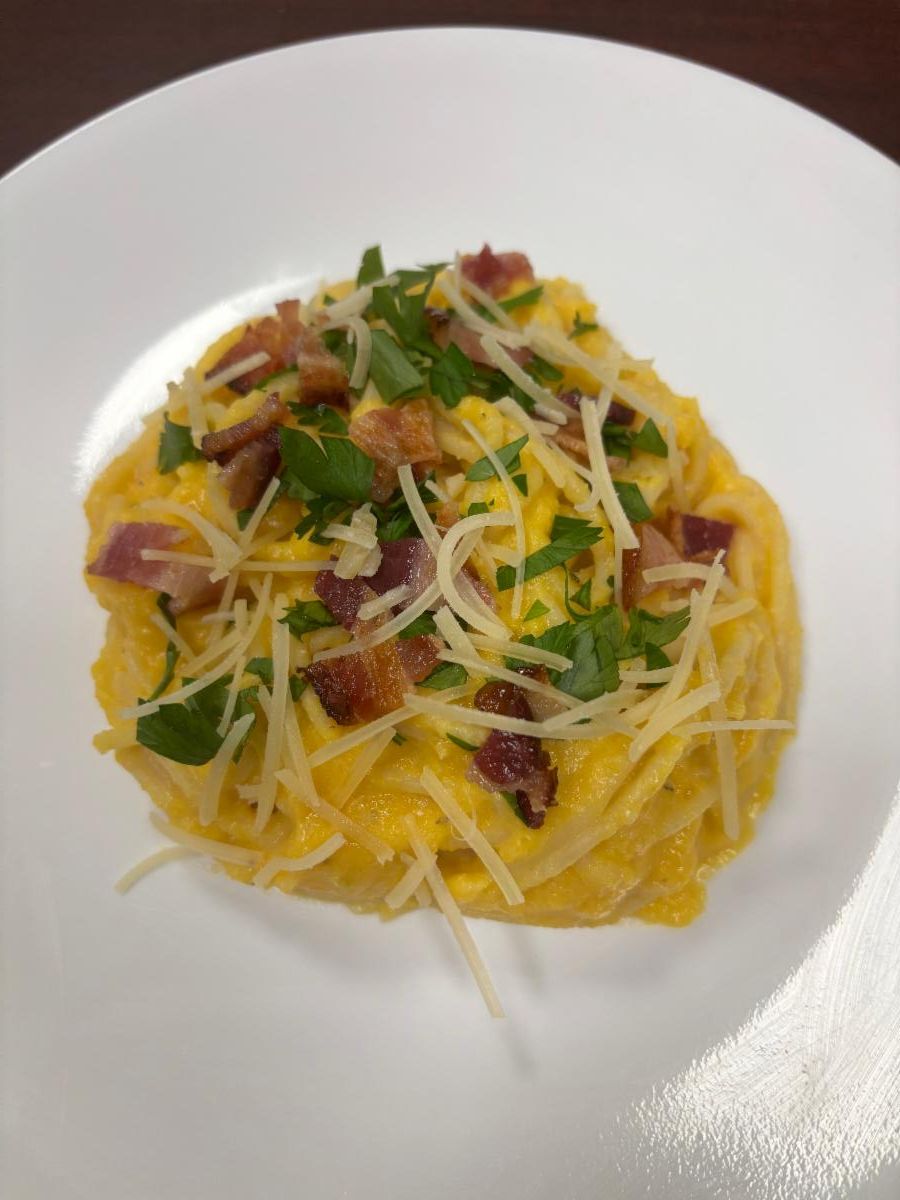
Creamy Garlic, Butternut, Bacon Pasta
Ingredients:
- 1 tablespoon Extra Virgin Olive Oil
- 2 cups Cubed Butternut Squash
- 10 cloves unpeeled Garlic
- 1 tablespoons dried Italian seasoning
- Salt And Black Pepper
- 8 slices Bacon
- ½ cup Ricotta Cheese
- 1 pound Short Cut Pasta (or long)
- 1 tablespoon Parsley (fresh chopped)
- ½ cup Gouda Cheese (shredded)
- ½ cup Parmesan Cheese (shredded)
Instructions:
1. Preheat oven to 400° F.
2. On a baking sheet, toss together the olive oil, butternut squash, garlic, and a pinch each of salt and pepper. Arrange the bacon around the squash. Bake 20 minutes. Check the bacon and remove if done, then continue to bake until the squash is tender (another 10-15min).
3. Allow to cool slightly and peel garlic cloves. Add the butternut squash, garlic, and ricotta to a food processor. Puree until smooth. Season with
Italian seasoning, salt and pepper.
4. Bring a large pot of salted water to a boil. Cook the pasta according to package directions until al dente. Remove 1 cup of the pasta cooking water and set aside. Drain pasta.
5. In a large skillet, melt the butter until it is browning, then add the butternut puree and 1/2 cup pasta cooking water, stirring until combined. Melt in the gouda and parmesan.
6. Add the pasta to the sauce, tossing to combine. If needed, thin the pasta sauce with a little of the reserved cooking water.
7. Divide the pasta between plates. Top with parmesan, chopped parsley and broken bacon pieces.
Submitted by Eileen, N.E.W. Master Gardener
| | This newsletter is brought to you by: | | |
With assistance from AI technology
Disclaimer:
Although brand names of products are mentioned in this newsletter, NEWMG and BCL do not endorse any particular brands. These mentions reflect individual experiences and should not be interpreted as endorsements or recommendations.
| | | | |