|
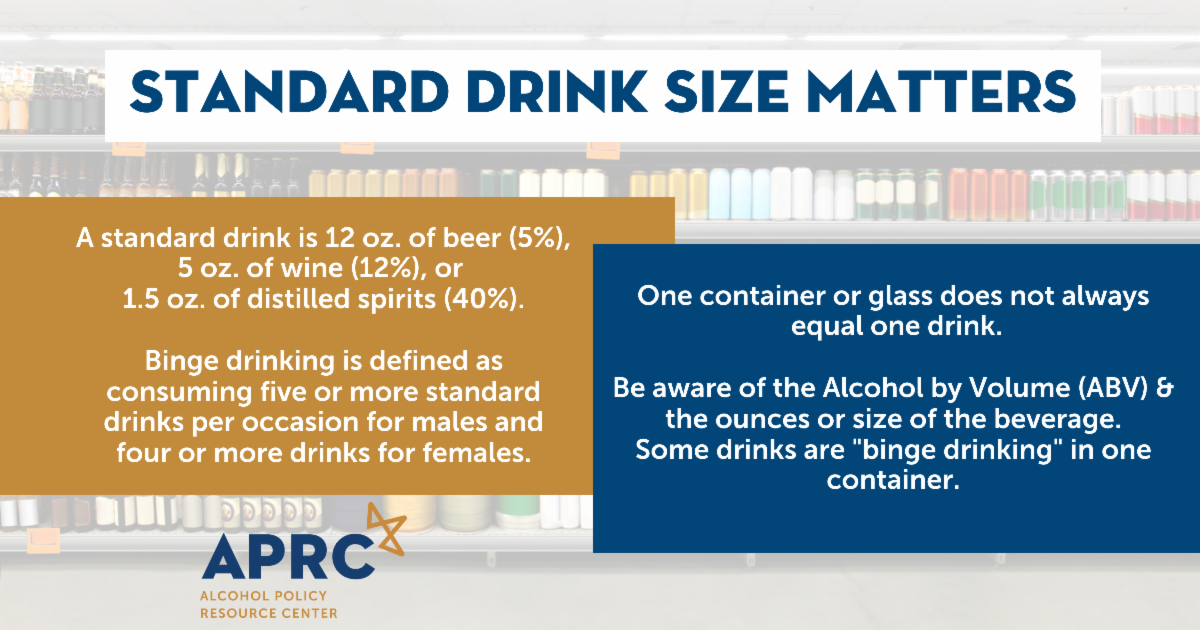
As the holidays approach and “Sober October” is in the past, we must be mindful of high-intensity drinking and the environmental strategies to prevent it. According to NIAAA, high-intensity drinking is defined as consuming alcohol at levels that are two or more times the gender-specific binge drinking thresholds. Compared with people who did not binge drink, people who drank alcohol at twice the gender-specific binge drinking thresholds were 70 times more likely to have an alcohol-related emergency department visit, and those who consumed alcohol at three times the gender-specific binge thresholds were 93 times more likely to have an alcohol-related emergency department visit. Youth are also consuming “Supersized” alcoholic beverages. These beverages have much higher alcohol-by-volume content, so they consume less liquid and more alcohol.
Social media has also spurred high-intensity drinking. Youth and influencers are consuming large amounts of alcohol in a short period of time while filming themselves for likes. Their beverages of choice are low-cost, high-ABV; some containers contain up to 15 standard drinks.
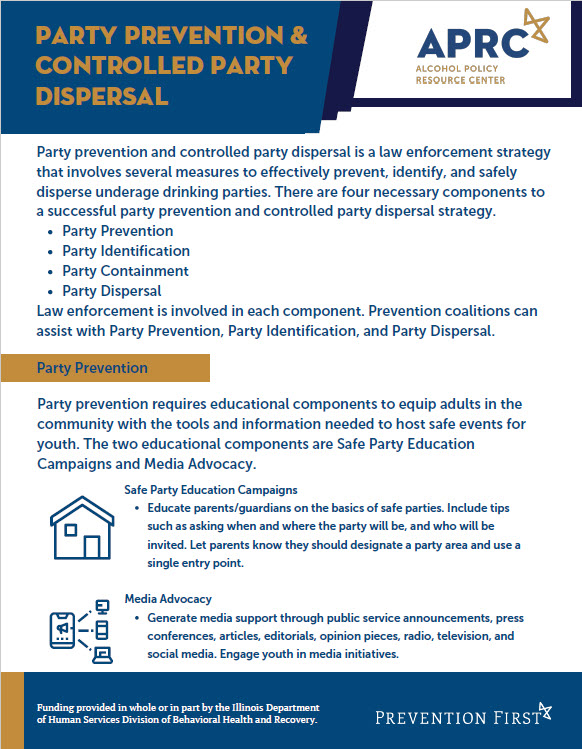
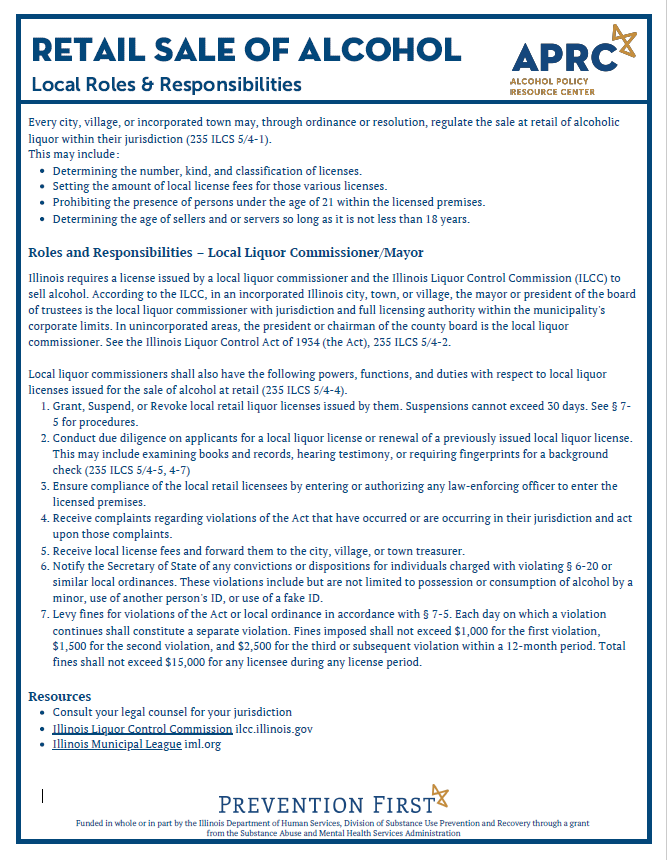
Conducting Alcohol Compliance Checks and providing Responsible Beverage Server training are environmental strategies coalitions can implement to prevent high-intensity drinking. Best practices state that Responsible Beverage Server training be mandatory for both on-premise and off-premise locations. Social norms campaigns can also be used to challenge the misperceptions about youth alcohol use. Most youth are choosing not to drink alcohol. Social host ordinances send a powerful message that hosting underage drinking parties is not acceptable in the community. Publicizing enforcement actions and penalties provides consistent messaging to the community.
The Alcohol Policy Resource Center can assist with analyzing your data, scanning your community, and matching policies and strategies to assessment findings. If you have any questions or need more information, please reach out to Jody Heavilin.
|