|
Hello Dear Reader:
Tomorrow’s event has taught me so much about surfing, and it’s connected me with the surf community from California to Hawaii to Chile. But Viejo Perro speaks to me on another level—it’s a story that takes me back to my own adolescence, and when you read the following, you’ll understand why.
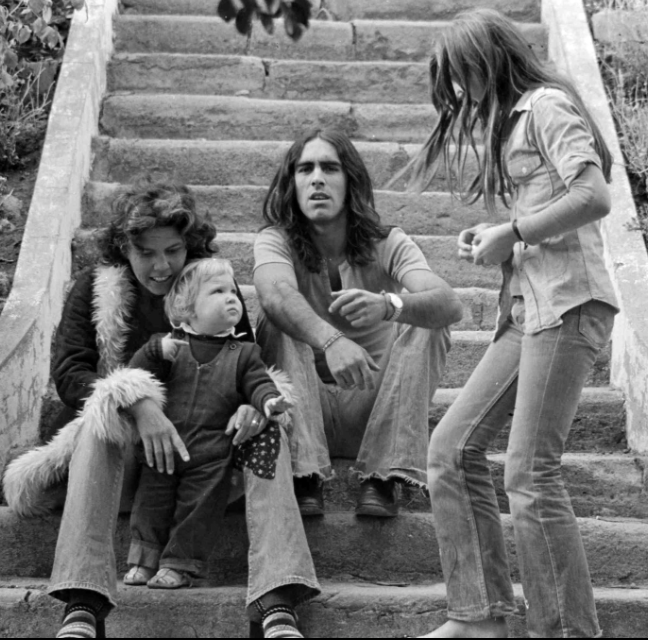
California hippies had nothing on Chileans, who joined the aspirations of the counterculture generation and dove headfirst into the psychedelic movement of the ’70s. Thanks to my mom, we were right in the heart of it. After all, my mother and her sisters had left Chile for NYC in the late ’50s and became part of the ’60s beat scene. We lived in Woodstock, New York, before the famous concert. But by the early ’70s, we happened to be living in Chile, at the height of Salvador Allende’s democratically elected socialist government.
The hippie movement resonated deeply with socialist idealists who wholeheartedly believed a new society was possible. Don’t get me wrong—those were turbulent times, with social tensions escalating. But come February, everything stops in Chile. Escaping to your favorite coastal region isn't just tradition—it’s a sacrament.
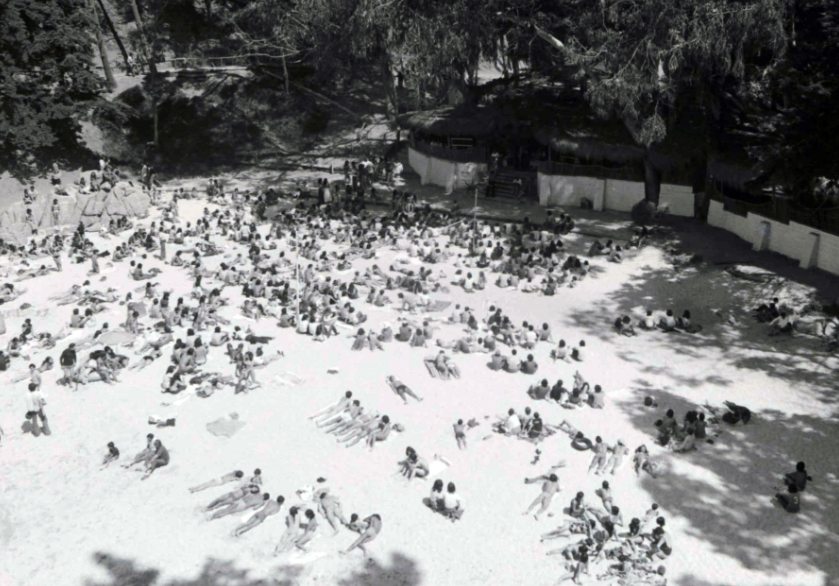
For us, that meant our own “Summer of Love” in Quintero, a resort-fishing town that was one of the few places where people from all walks of life spent their summers. (The British left Chile the railroads, five o’clock tea, and a taste for class hierarchy.) Quintero was unpretentious enough to have a boardwalk with rides and a summer circus straight out of a Fellini movie. It also drew intellectuals, artists, and families who had been vacationing there for generations.
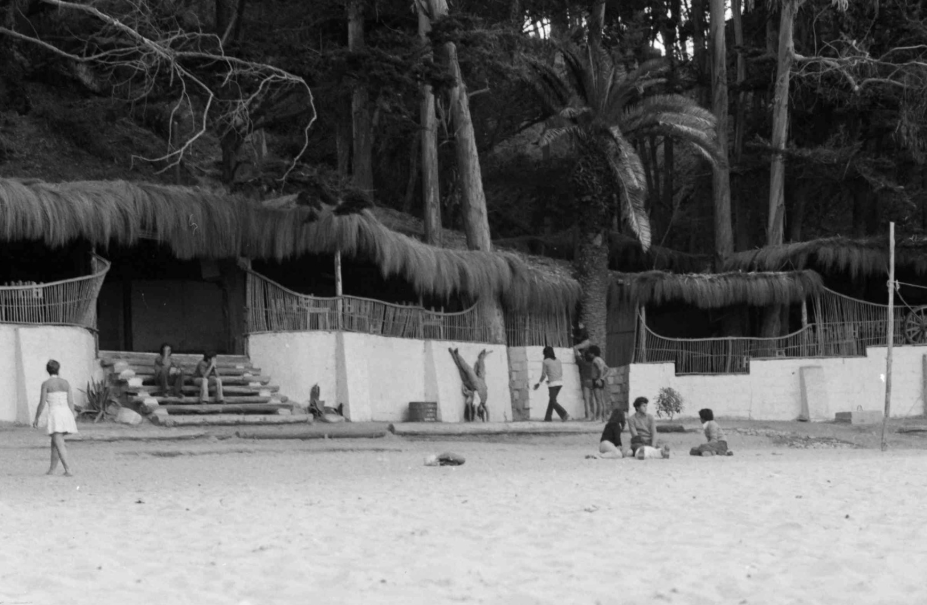
Tucked into a cove beach called Los Enamorados (“The Lovers’ Beach”), Lucho Tello, along with Cristóbal Belmar and Rafael Berríos, launched the legendary nightclub El Trauco. Named after a mythical figure from Chiloé, El Trauco is said to impregnate women at night. If the father was missing, folks pointed to El Trauco. The nightclub quickly rose to fame as one of the hippest spots in Chile.
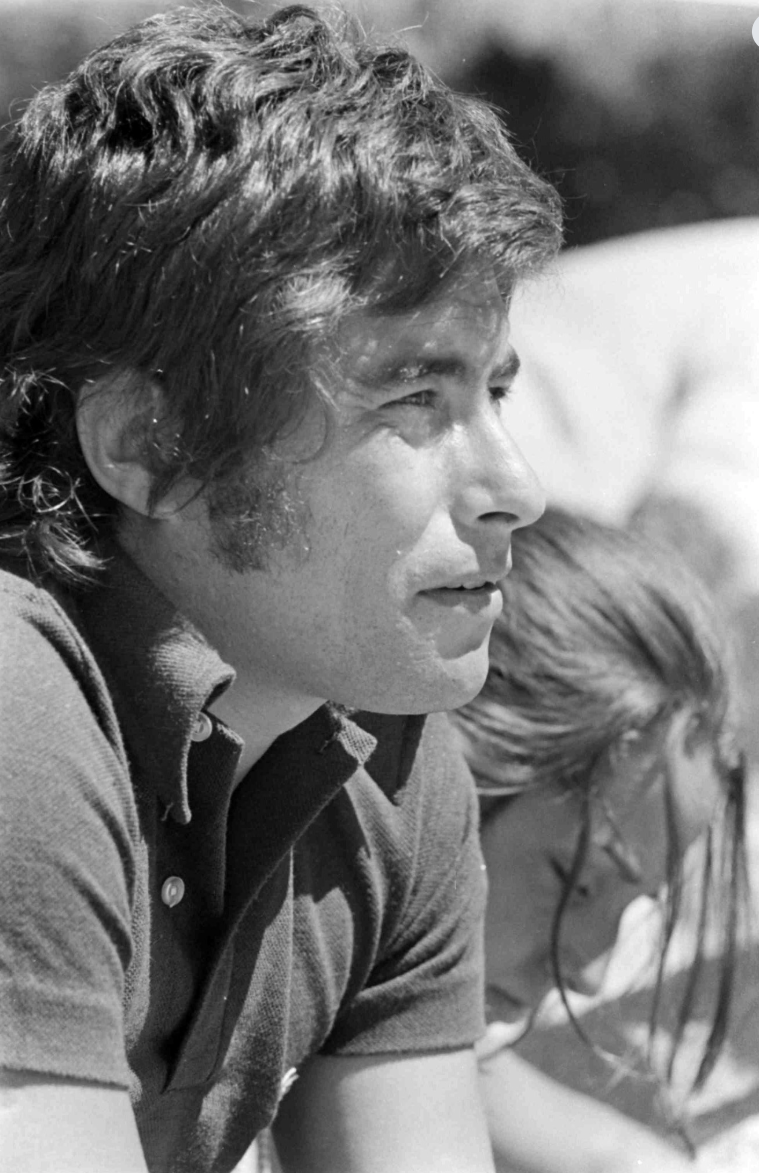
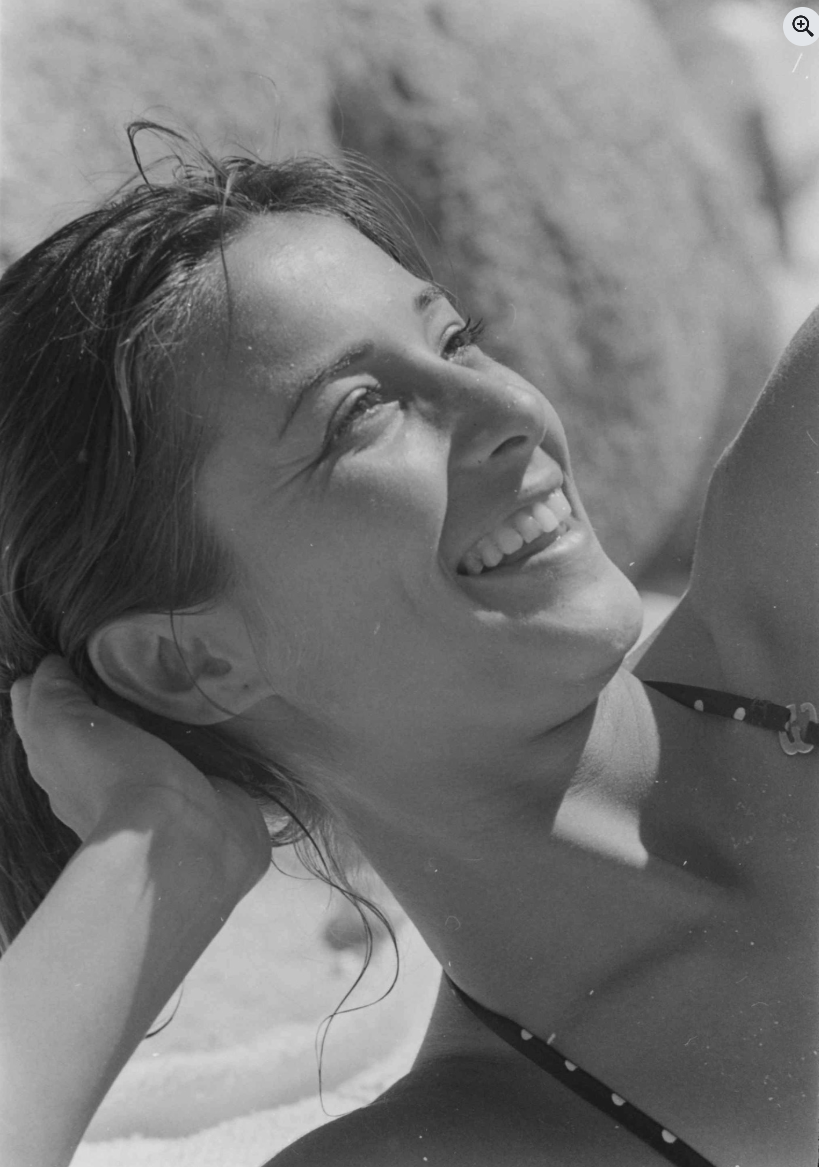
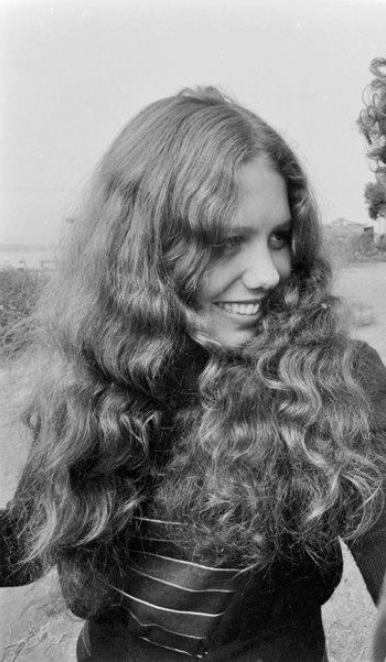
I was only fourteen, and it was devastating that I wasn’t allowed to go dancing at night. But the music never stopped at El Trauco—day and night, the biggest rock hits from the United States echoed across the beach. The adults played alongside us like true flower children, watching the sun set to Marvin Gaye or skipping rocks along the coast.
Soon enough, the school year began, and within a year my family was back in New York City. After the coup, Chile went from technicolor to black and white overnight. The dreams of peace and love were guillotined, and El Trauco was shut down. Lucho Tello, visionary as ever, shifted from nightclub owner to surfboard pioneer. After so many years, I’ve had the joy of reconnecting with my dear friend Cecilia Tello—Lucho’s sister—here in San Francisco, who will also be part of tomorrow’s program.
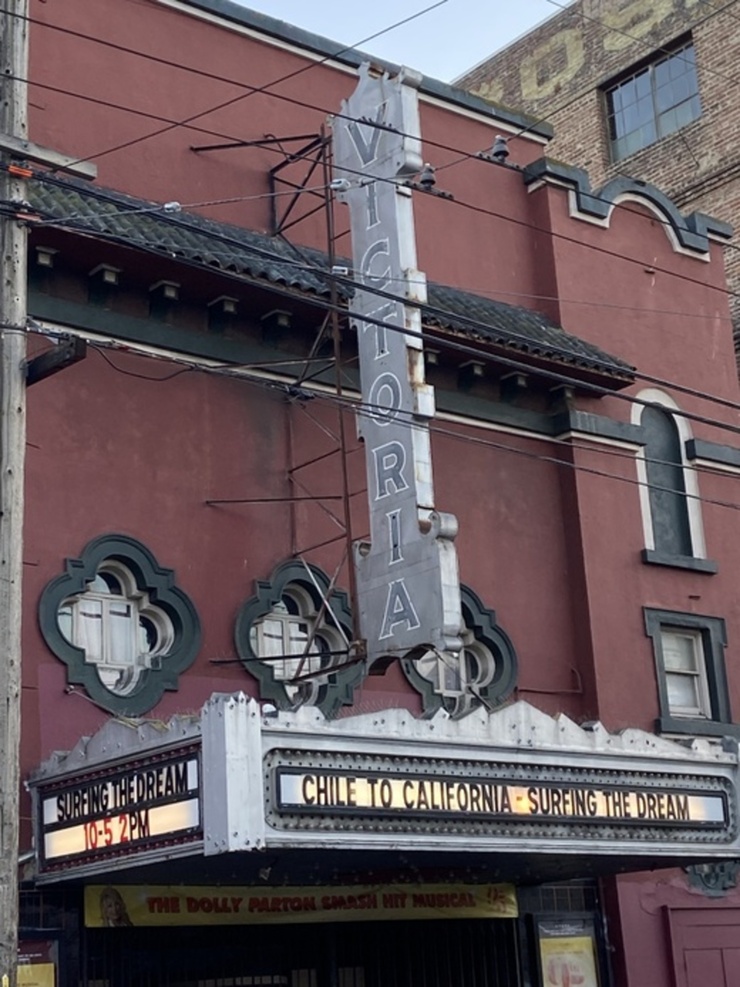
Almost four decades later, director Rodrigo Farías Moreno retraced those roots, telling the story of Tello and his fellow surf trailblazers—a story captured in the first film screening tomorrow, Viejo Perro.
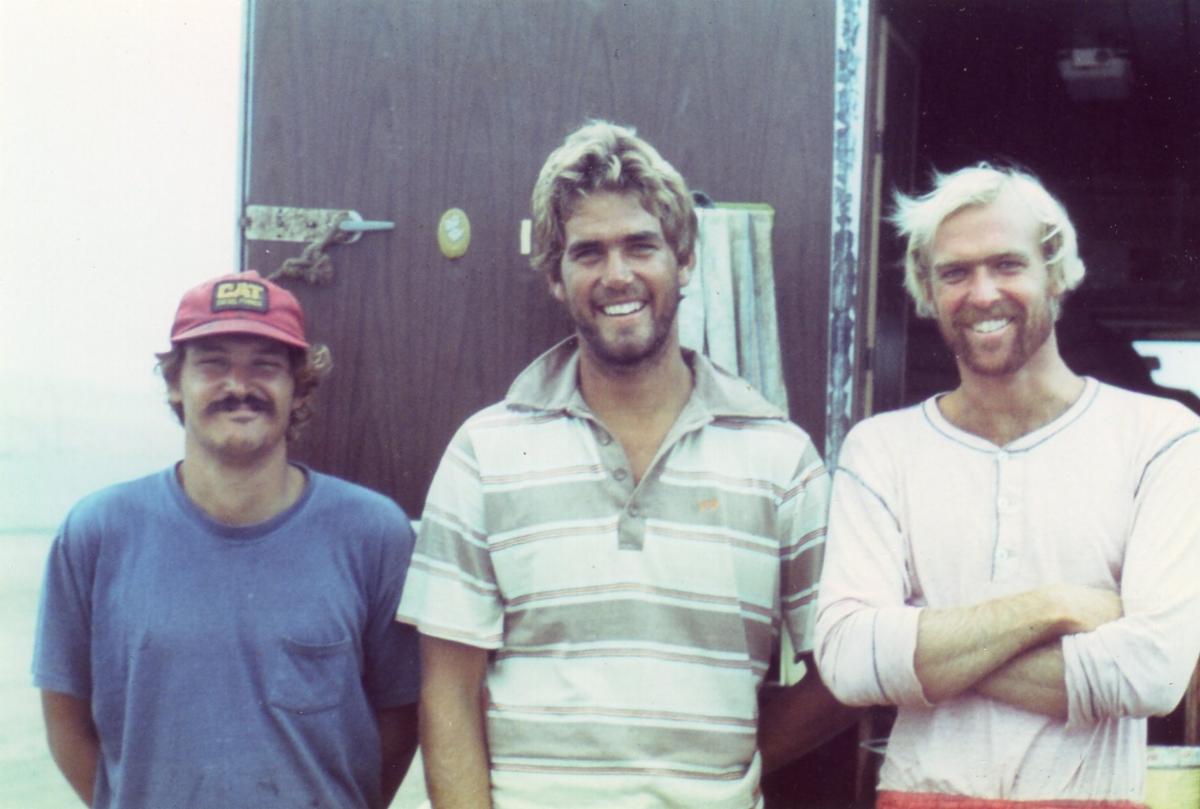
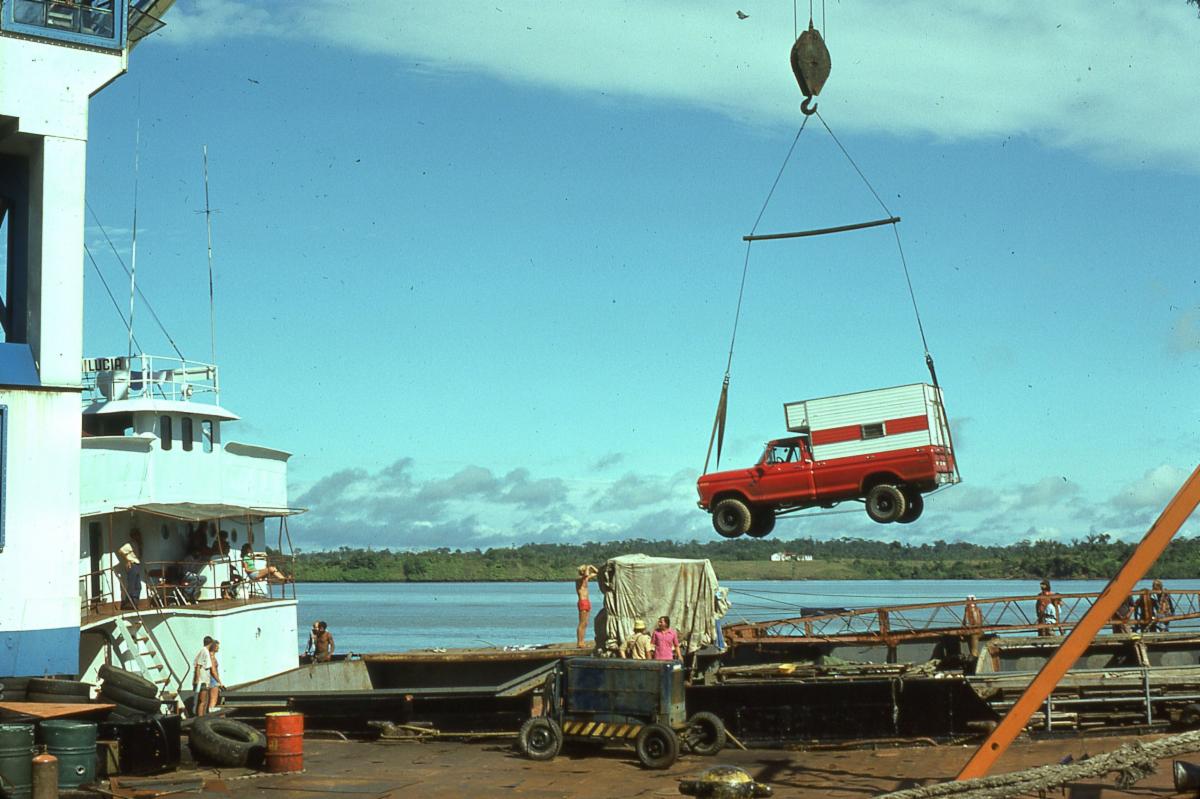
The second film, El Diario de “El Gringo”, a spinoff of Viejo Perro, follows the story of three California surfers who, in 1977, left L.A.’s crowded surf conditions and set off south in a truck bound for Peru. When their visas were about to expire, they crossed into Arica, Chile—and that’s when and where they discovered the now-famous wave “El Gringo,” named after them.
Both films serve as historical tributes, featuring never-before-seen archival footage. Special thanks to the Consul General of Chile in San Francisco, Patricio Cabezas Logan, for graciously being part of the event and offering opening remarks.
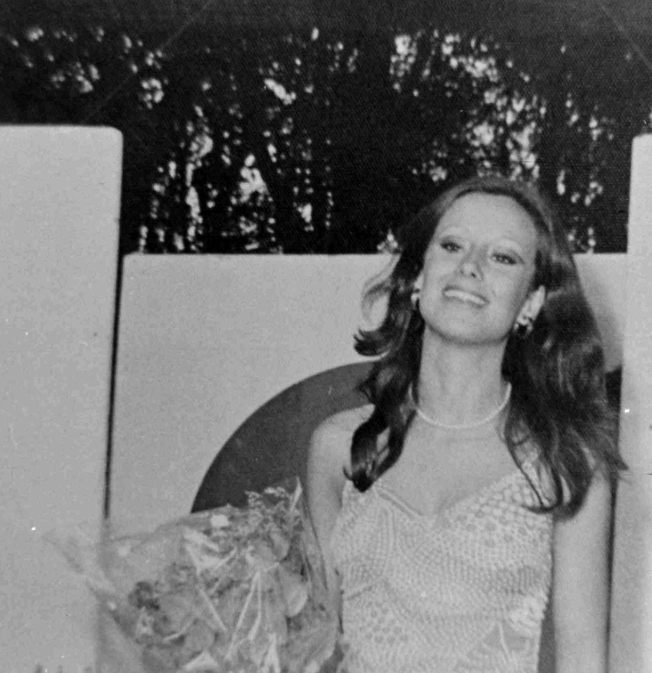
The following black-and-white photos, captured by Pedro (Pelluco) Troncoso and developed in the darkroom behind El Trauco, were exhibited on the walls, preserving the magic of those days.
Hope to see you tomorrow!
Saludos,
Paula Tejeda
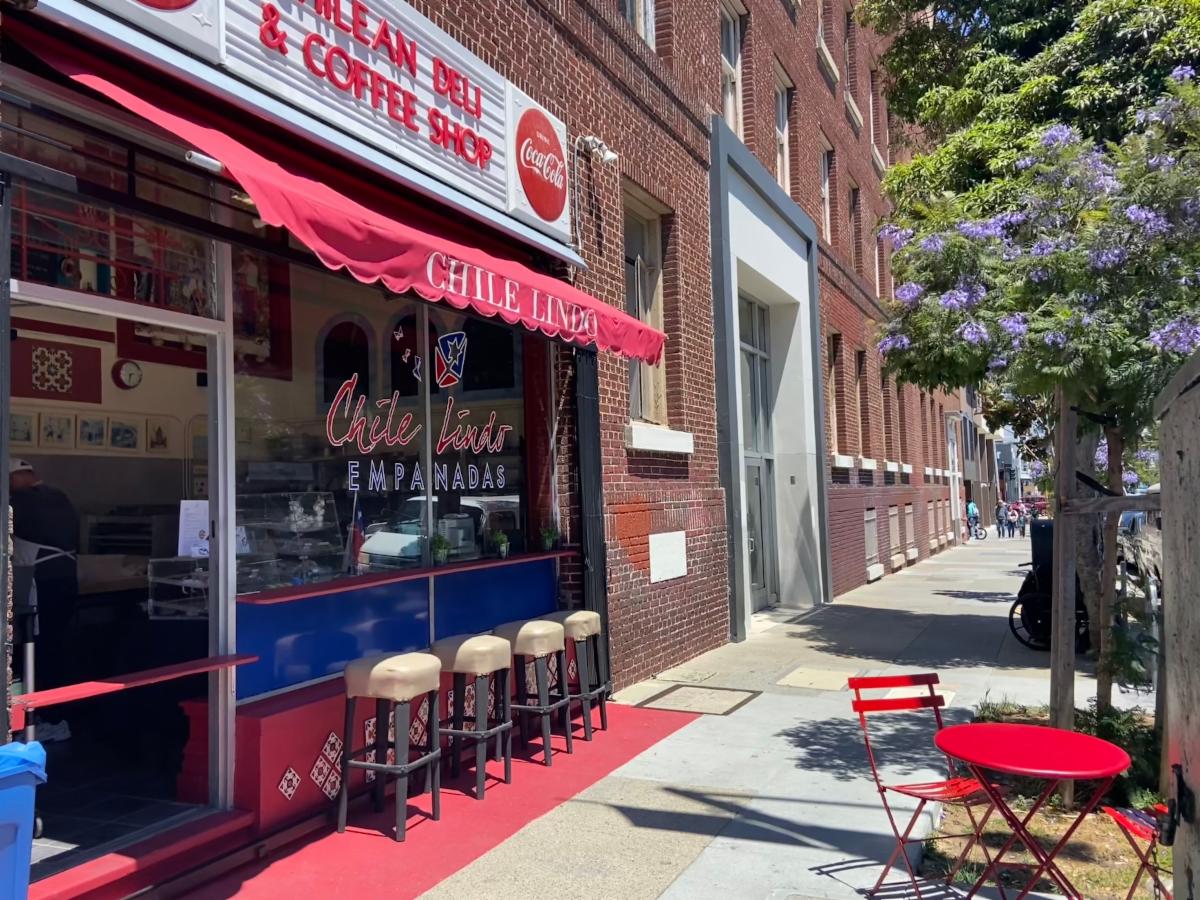
Chile Lindo
|