|
HISTAMINE INTOLERANCE & WHAT YOU CAN DO
As we promised last month, here is part 2 in the Histamine Intolerances article.
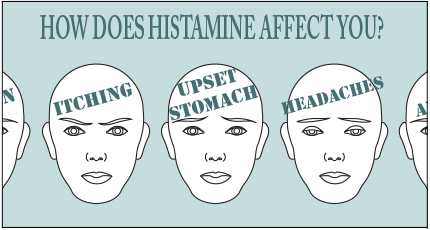
To recap briefly, symptoms of histamine intolerances can feel just like horrible allergies. From bloating and IBS, to anxiety or Insomnia, the complex list of similarities will confuse you. (See last months' newsletter for a complete list.)
Although there is no specific test to determine intolerance, the most reliable way to narrow down the possibility is with a low-histamine diet. If you suspect that you may be living with histamine issues, take our questionnaire as a starting point. From there, have a conversation with Linda about how to approach the diet to make further determinations.
Now that you've decided it's time to focus on the low-histamine diet, here are the guidelines you'll want to follow;
This may be controversial as the histamine content of food varies depending upon the duration of storage, ripeness, cooking and processing. There are foods naturally high in histamines and foods that have compounds that can liberate histamines.
High-histamine foods that are generally recognized are:
- Beverages: Alcohol of all kinds, de-alcoholized beverages such as beer and wine, chocolate, cocoa, colas, teas of any type
- Nuts/Seeds: All nuts and seeds
- Spices: Cinnamon, curry, chili, cayenne pepper, all peppers
- Teas: green and black teas lower the DAO enzyme
- Fermented and pickled foods: sauerkraut, pickles, Kombucha, miso, vinegars, relishes, soy sauce, soy products, yogurt, kefir
- Protein: Tuna, mackerel, sardines, anchovy, crustaceans (shrimp, crab, lobster), eggs, preserved meats, sausages, re-heated meats, smoked foods, salami, bacon, ham
- Dairy: Dairy of all types, including goat's and sheep's dairy
- Vegetables: Eggplant, mushroom, pumpkin, spinach, tomatoes and tomato products
- Legumes: Beans and all other legumes
- Grains: except for brown rice
- Fruits: Avocados, oranges, grapefruit, lemon, lime, apricots, plums, cherries, cranberries, prunes, dates, raisins, currants, dried cranberries, bananas, pineapple, papaya, mango, strawberries, raspberries, logan berries
- Packaged and processed foods: Avoid all packaged and processed foods as they contain chemical preservatives, stabilizers, food colorings, nitrites, MSG and other non-food additives
Keep a journal for 30 days, charting the foods you eat, and how you feel. You can add back in one high-histamine food item at a time and chart your physical, emotional and mental reaction to that food. You'll need to do this with any culprit food before it's safe to say that it's not a problem.
What Can You Do?
If you have been diagnosed with IBS, SIBO (small intestinal bacterial overgrowth), leaky gut, or any symptoms related to histamine overload, then you can assume that you will have some level of histamine intolerance.
Eighty percent (80%) of people with histamine intolerance
are WOMEN
because estrogen and histamine reinforce each other.
Women also have a higher number of histamine receptors in the brain which can mean that women's brains are naturally more sensitive to histamine. (Yoshizawa 2009 Biol Psychiatry Feb 15;65:329-335).
Natural remedies for histamine intolerance:
- Eat fresh foods! Foods stored, even in the refrigerator, can build up histamines.
- DAO enzyme before meals (unfortunately it had been available in the US, but all manufacturers are sold out. It will be available again next year from the manufacturers in Germany).
- Histo X: 1-4 before meals to lower histamine
- B vitamins, especially B6 which is a co-factor for production of DAO.
- Low histamine diet: meal plan, food chart and avoid food list available at UWA
- Gut repair program: 4 R program (as outlined in past newsletter)
- Relaxation: lowers stress and adrenaline which can cause increases in reactions to and a slower break down of histamine and also supports gut repair.
- Exercise: keeping fit to support healthy immune function
- Check for underlying gut infections
- Support immune tolerance: glutathione, butyrate, Vitamin A, Vitamin D
- Niacin flush: disperses histamines
Like other physical issues our bodies encounter with food, histamines are no different. Once you're aware of the problem causers, it becomes much easier to avoid the ill affects. Make an appointment with Linda if you would like to discuss how histamine foods may be affecting you or your family.
|
|
Check It Out!
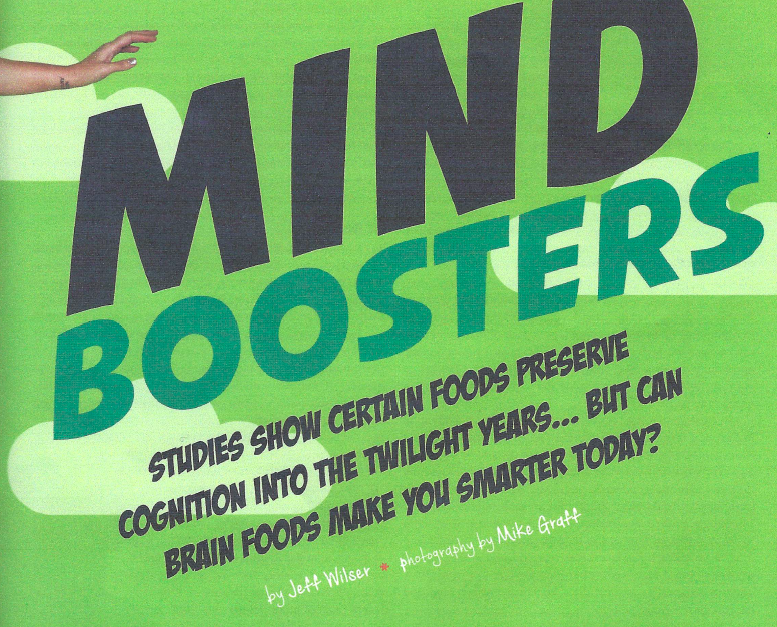
Linda has been featured in an article on "Mind Booster" foods in the April edition of Comstock's Business Magazine.
Follow this link to the pdf.
|
|
|
|
We give you permission to politely decline the SUGAR.
Just Say NO.
|
|
Universal Wellness Associates | 916.961.0676 | info@uwanutrition.com|
www.uwanutrition.com LInda Clark, MA, CNC
|
|
|
|
|
|