Historic Preservation Vignettes, Section 106 Under Threat,

and Urban Parks on the Front Line of Liveable Communities

NPC Newsletter July 29, 2026

Catching up with the Neighborhood Preservation Center


We are delighted to share additional stories focused on community-led processes in our new series: Catching up with the Neighborhood Preservation Center.


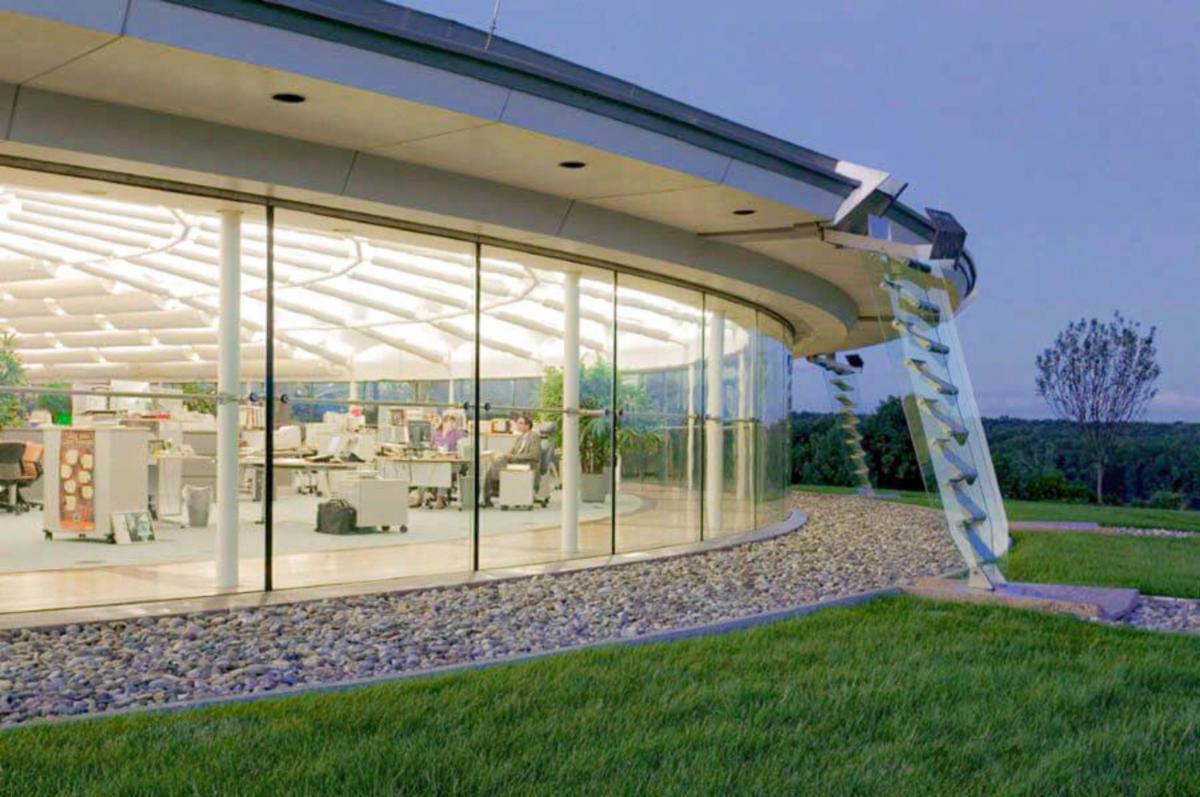
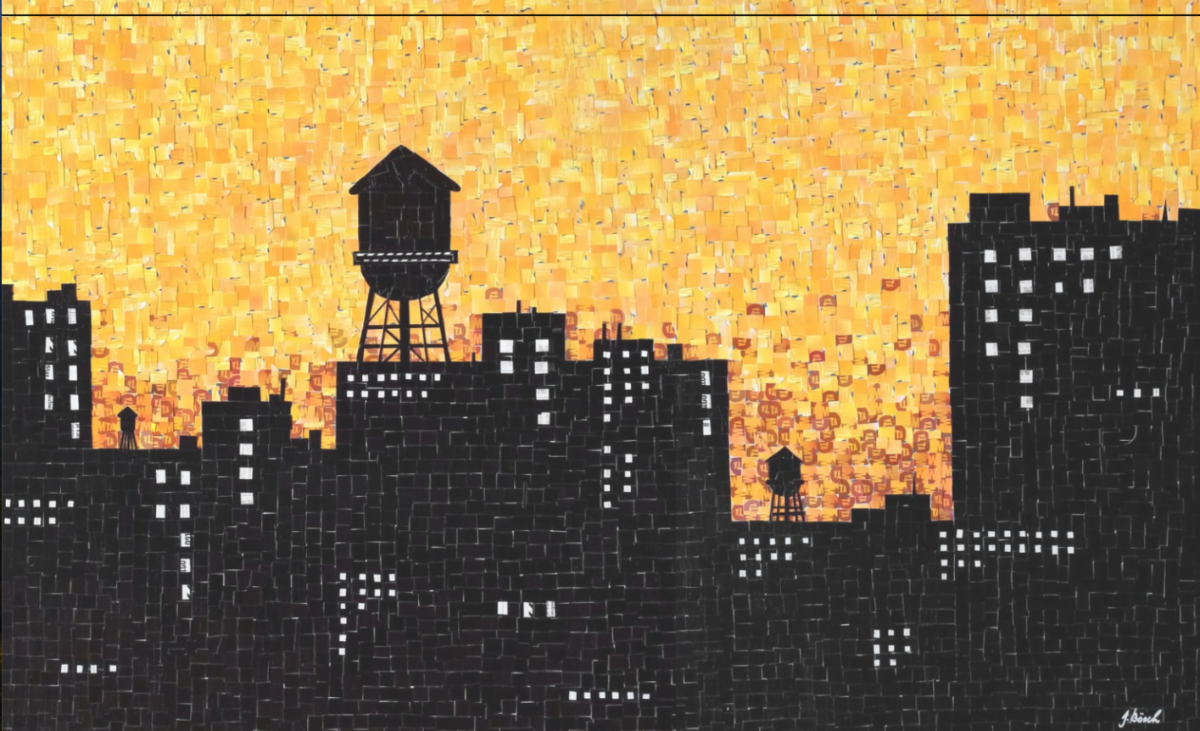
In our first story, Communications Associate Irine Le spoke with Siena Leone-Getten on the efforts to recognize the importance of the Timex building in Middlebury, CT and save it from demolition. Siena spoke about the age-value in historic preservation and meaningful experiences in neighborhood preservation she witnessed working with local residents in their effort to protect the unique modern structure.


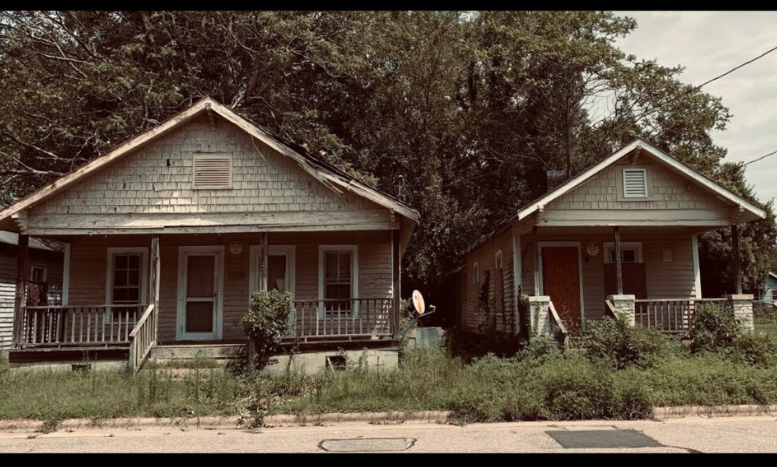
In her second story, Irine interviewed Monica T. Davis, Academic Director at Pratt University Historic Preservation program and Director of R.O.C.K, and Eileen Michaud, graduate student at Pratt. Based in Wilson, North Carolina, The R.O.C.K Foundation is dedicated to educating historic communities through seminars and workshops centered around the preservation of a community’s cultural heritage, history and architecture. Monica and Eileen spoke about hand-ons training to restore historic shot gun houses and African-American vernacular architecture in Wilson, NC.


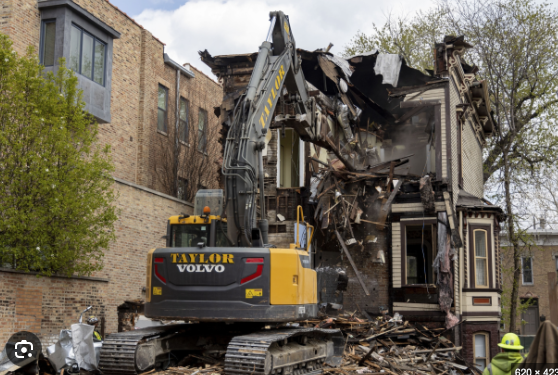
Section 106 without public participation? 
Proposed changes by the Advisory Council on Historic Preservation threaten public voice in the Section 106 process.

For over 60 years, Section 106 of the National Historic Preservation Act has been the foundation upon which historic and cultural places have been protected and preserved in the United States. Now, a core part of this process is being set up for elimination. The Advisory Council on Historic Preservation has proposed changes that will make public participation now optional and further eliminate the requirement to avoid or minimize damage to historic sites in federal preservation decisions. Additionally, the revisions will allow for the removal of protection of significant historic designated landscapes.


What’s next?


A
timeline by the National Conference of State Historic Preservation Officers explains how this change came forth and the current place in its approval process. 


Sample of Responses to this Proposal


The American Institute of Architects issued this response to the ACHP vote to revise Section 106 noting the drastic step in the proposed changes to strip communities of their right to be heard.


Earthjustice responded to this federal attack on the National Historic Preservation Act, highlighting the importance of Section 106 in consulting and working with Indigenous communities on historic preservation decisions.


U.S. Senator Martin Heinrich, Ranking Member of the U.S. Senate Energy and National Resources Committee, along with other colleagues issued this
statement.


What can we do?


Join the July 30 Webinar hosted by the National Trust for Historic Preservation to learn more about the proposed changes and what you can do to push back.


Urban Parks on the Front Line of Resilient Liveable Communities


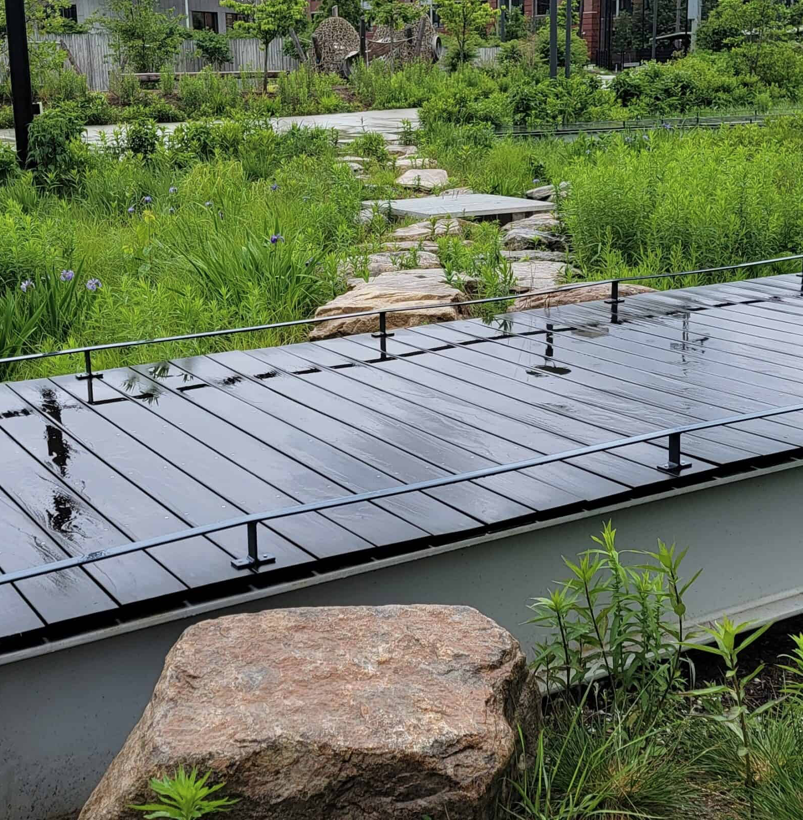
A view of ResilienCity Park in Hoboken, NJ; project led by AKRF


A recent column on resilience and urban parks from the City Parks Alliance notes how these green spaces often serve as a first line of climate defense. They manage flooding and extreme heat in East Austin, Texas, where the city’s “Cool Corridor” initiative includes shaded bus stops, drinking fountains at community hubs, new tree plantings and shade structures.


In Los Angeles, after the Eaton fire in January 2025, parks were critical in providing emergency Care Camps, childcare, emergency supplies, and a safe place for displaced youth.


While urban parks have long played a role as an oasis of cleaner air, bucolic landscapes, and places for physical activity, modern data collection is driving current design processes in enhance the impact of green infrastructure in stormwater management, heat mitigation, clean air, and sustainable practices.


Current approaches to urban green spaces embrace parks as essential components to urban flood plan mitigation and require new skills for those in parks maintenance to ensure proper filtration, drainage monitoring, and erosion control and repair.


Explore cases studies and tools at Duke’s Nicholas Institute for Entergy, Environment & Sustainability resource page for tips and insights.


Upcoming Events


  • Responding While Recovering. August 4 at 2pm. Storm recovery futures amid ongoing disasters. Leaders from across North Carolina, Kentucky, and West Virginia share stories on disaster recover and policies than can help reduce future risk.
    
  • National Preservation Summit. September 22-24, 2026, Washington, D.C.


Resources and Grants


  • Project for Public Spaces will award $100K Community Placemaking Grants to four nonprofits or local government agencies in Benton and Washington Counties in Northwest Arkansas. Application is open until August 3. Learn more & apply.


  • Preservation Directory. A hub for the heritage community connecting professionals, homeowners, and organizations with tools to save the places that matter.


We need your support!


At the Neighborhood Preservation Center, we are passionate about the opportunities for revitalizing and building vibrant communities. By sharing resources and connecting partners across disciplines and neighborhoods of all shapes and sizes, our goal is to support community renewal.


Please consider making a donation today.


undefined


Have a question or idea about your neighborhood preservation project?


Share your thoughts, suggestions, or resources by emailing us at:

info@nycnpc.org

NPC Newsletter Contributors


L. Danielle Cylich: NPC Board President, Danielle Cylich is always ready to share enthusiasm about the rich history and beauty found in the built environment and the people who inhabit our neighborhoods, and in protecting our natural resources.


The Neighborhood Preservation Center is a not-for-profit organization dedicated to advancing and enabling conversations about the need for community space - both physical and virtual - in order to improve the urban environment and quality of life.


We work to facilitate mutually beneficial connections between like-minded groups in the livable cities sector, share resources and champion neighborhoods.

Twitter  Instagram  YouTube  Email  LinkedIn
 

Neighborhood Preservation Center | c/o 8 East 8th Street, #1C | New York, NY 10003 US

Constant Contact