|
|
Some people spend their lives studying history. Others spend their lives making it.
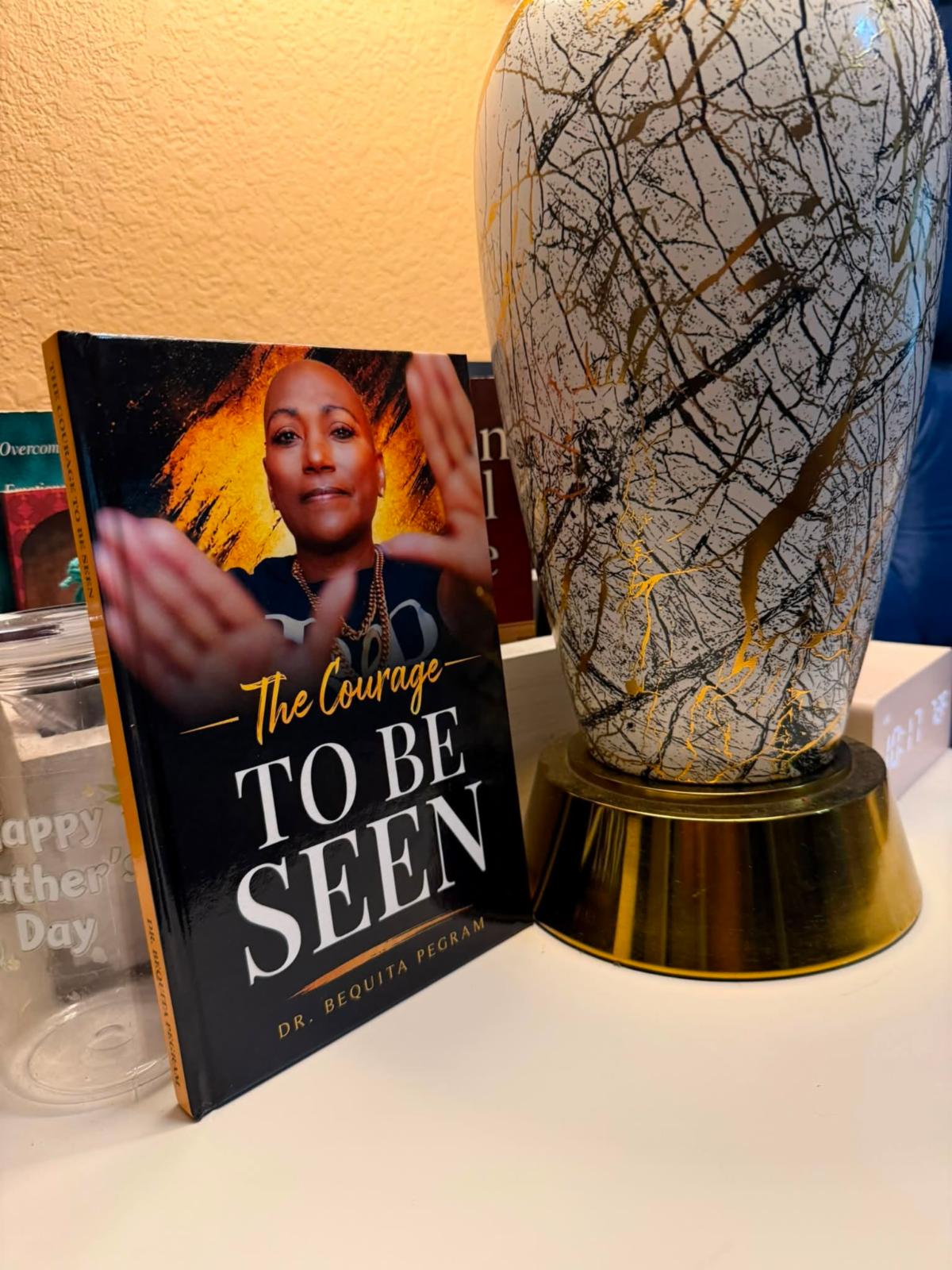
In this issue of Sol-Legacy Magazine, we are honored to feature Dr. Bequita V. Pegram, an educator, historian, researcher, mentor, podcast host, and first-time author whose journey is a powerful testament to faith, perseverance, and purpose. From owning a barbershop to earning a Ph.D., from mentoring students at Historically Black Colleges and Universities to inspiring readers through her debut book, The Courage to Be Seen, Dr. Pegram has continually chosen growth over comfort and purpose over fear.
Her story is not simply about professional achievement. It is about finding the courage to embrace authenticity after seasons of grief, self-doubt, and personal transformation. Through her work in higher education, her research on the HBCU experience, and her commitment to mentoring the next generation, Dr. Pegram reminds us that our greatest influence often comes not from what we accomplish, but from who we empower along the way.
In the following conversation, Dr. Pegram reflects on her remarkable journey, the lessons that shaped her, the inspiration behind The Courage to Be Seen, and why she believes education remains one of the most powerful forms of activism.
We are proud to share the story and legacy of Dr. Bequita V. Pegram.
| |
Your new book is titled The Courage to Be Seen. Was there a defining moment when you realized you had spent too much of your life trying not to be seen?
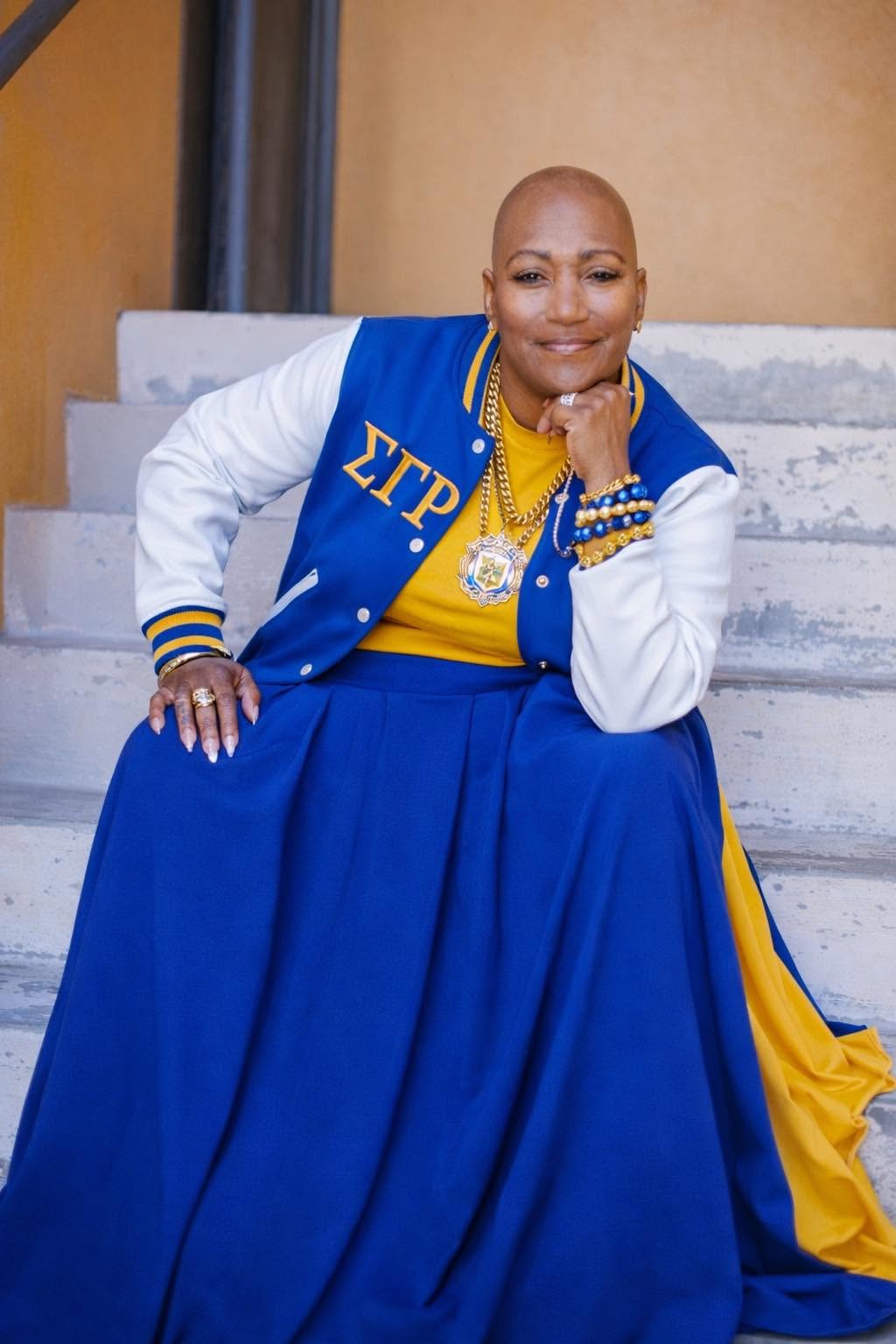
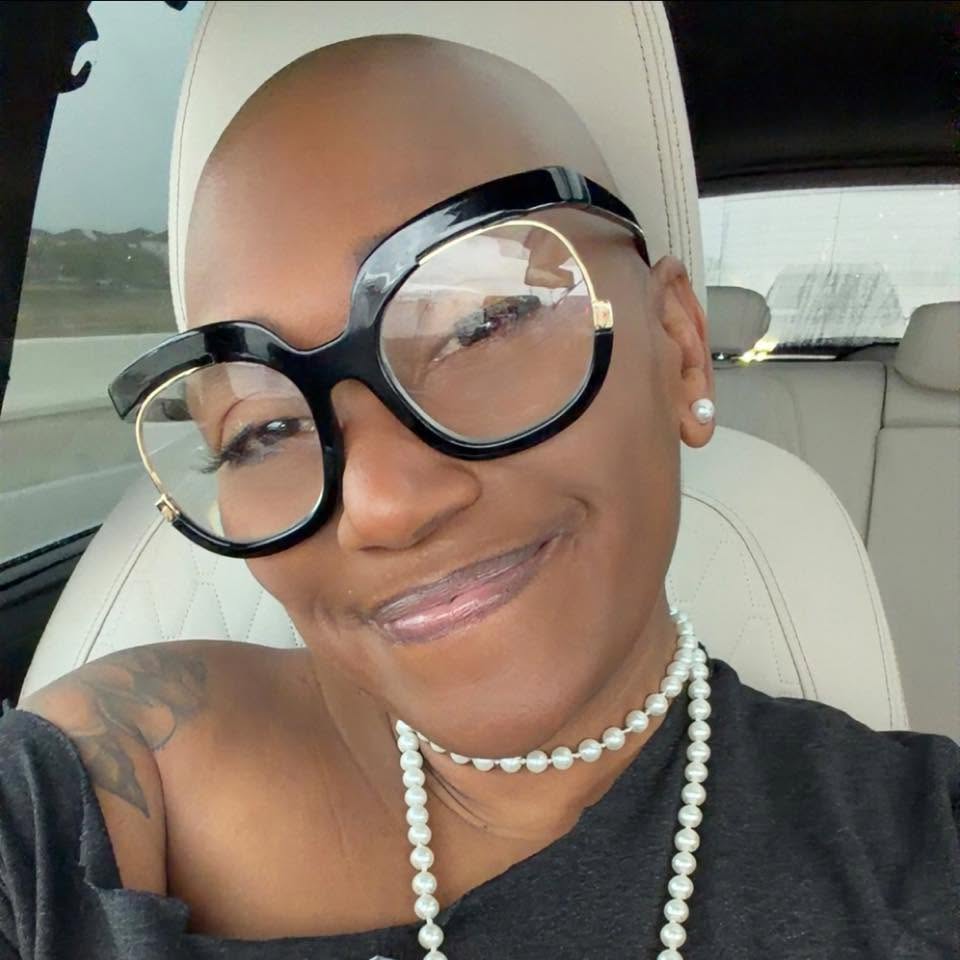
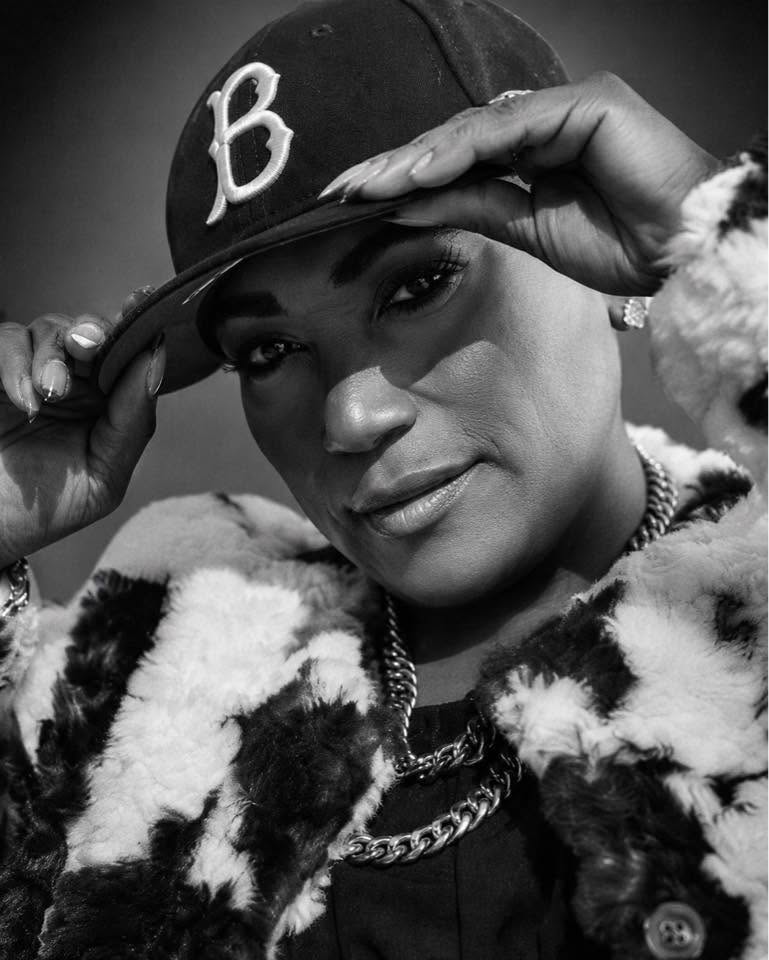
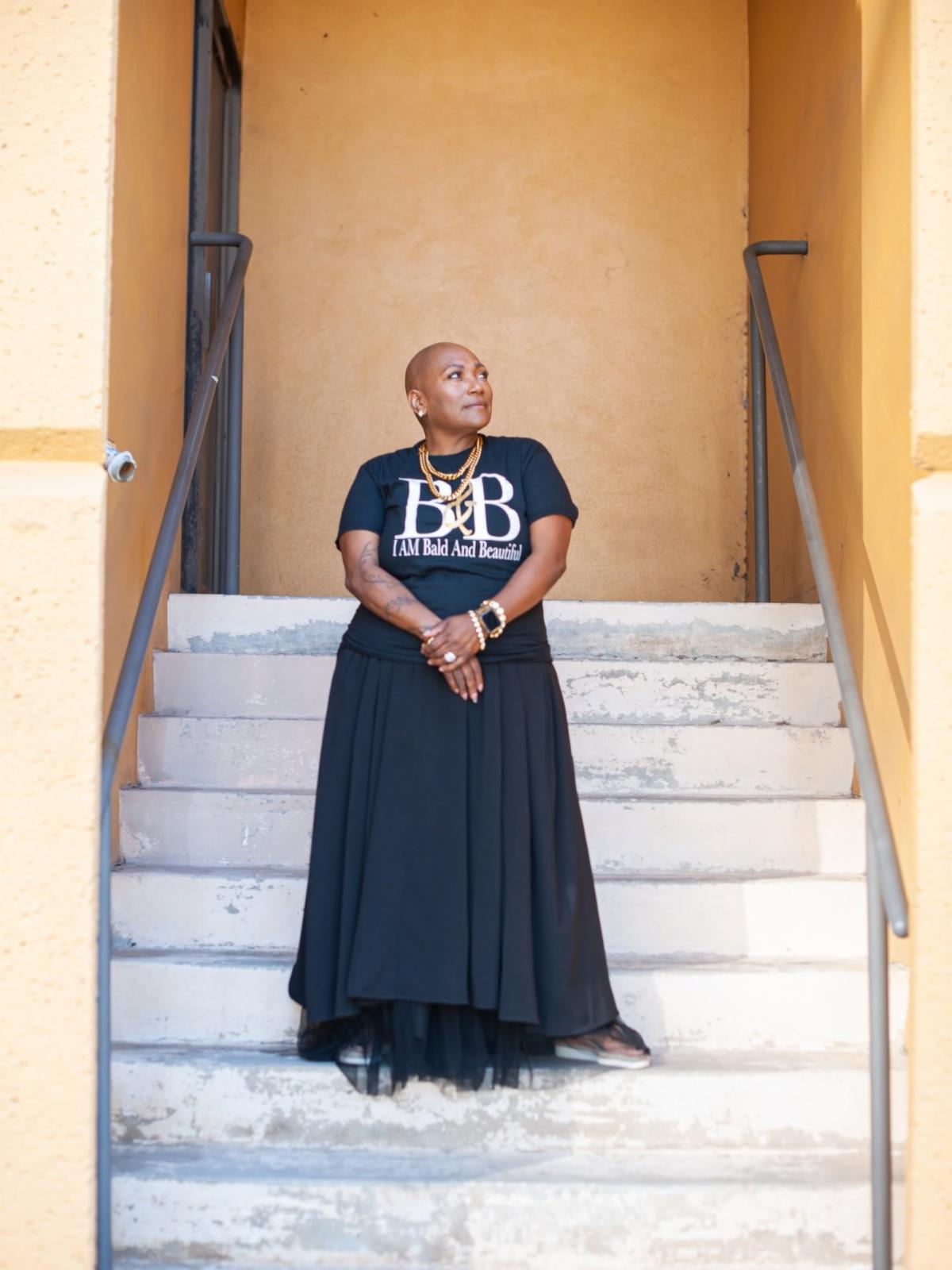
There wasn't one defining moment so much as a series of moments that God used to gently pull me out of hiding. For years I hid behind accomplishments, service, and even my hair. Alopecia forced me to confront a question I had been avoiding: Who am I when the things I relied on to define myself are gone? Shaving my head became more than a physical decision—it became a spiritual one. It was the moment I stopped negotiating with my reflection and started trusting God's view of me. That journey became The Courage to Be Seen because I discovered that authenticity isn't about having no scars; it's about refusing to let those scars keep you hidden.
| |
You write openly about alopecia, grief, identity, and faith. Which of those experiences challenged you the most, and how did it ultimately become one of your greatest strengths?
Without question, grief. But it wasn't simply the grief of losing people I loved—it was the grief of losing my parents. I lost my mother. I lost my father. I lost the people who had always been my guides, my safe place, my covering. In many ways, I became what I call an adult orphan.
What made that season even more difficult was that it happened while I was navigating alopecia. As my hair loss progressed, I longed for the reassurance only my parents could have given me. I wanted my mother to tell me I was still beautiful. I wanted my father to remind me that I was stronger than I felt. Those conversations were no longer possible.
Through that pain, God taught me one of the greatest lessons of my life. Sometimes He removes the people, places, or things we've leaned on—not to punish us, but to deepen our dependence on Him. I already loved God, but I also leaned heavily on my parents. Looking back, I believe the training wheels had to come off. Their absence forced me into a deeper walk with Christ than I had ever known.
Today, when people comment on my strength, I know they are really witnessing God's faithfulness. I didn't survive because I was exceptionally strong. I survived because God walked with me through every valley. That realization has become one of the greatest strengths of my life
| |
Before becoming Dr. Pegram, you were a licensed barber and business owner for nearly two decades. Looking back, how did those years prepare you for the educator, researcher, and author you've become today?
For many years I believed barbering would be my lifelong career. If you had asked me then what my future looked like, becoming a historian, professor, and author would never have crossed my mind. God had a different plan.
I've always been a creative soul, and barbering gave me an outlet for that creativity. More importantly, it taught me how to listen. Every client sat in my chair carrying a story. I learned to listen without interrupting, without assuming, and without inserting my own opinions. As a historian and oral historian, that skill has become invaluable because preserving someone's legacy begins by honoring their voice.
Barbering also prepared me to be an entrepreneur. It taught me customer service, discipline, business management, and how to confidently put myself and my work into the world. Looking back, I realize God never wasted those years. He was preparing me for work I couldn't yet imagine.
| |
What gave you the courage to return to school?
Education became my pathway to purpose. I believed it could change my family's legacy and expand my capacity to serve others. One degree led to another until I earned my Ph.D., proving to myself that purpose has no expiration date.
Which was more difficult: preserving others' stories or telling your own?
Telling my own story required a level of vulnerability that historical research never demanded. Historians analyze evidence. Memoir required me to become both the storyteller and the story, trusting that honesty could become someone else's hope.
Jackson State University and Prairie View A&M; University have both shaped you. How do their cultures differ?
I often say Jackson State gave me roots and Prairie View gave me wings.
Jackson State was where I truly grew up. As a military brat, I had never experienced Black culture in all of its richness. At Jackson State I met people from every corner of the country. I learned that Black people are not a monolith, and I developed a deeper appreciation for my own identity.
Years later, Prairie View met me at a different season. I wasn't searching for identity anymore; I was becoming the scholar God had called me to be. Prairie View encouraged me to embrace podcasting, digital storytelling, and innovative scholarship. It taught me I didn't have to imitate scholars before me—I could honor them while developing my own voice. I am who I am because both institutions poured into me exactly what I needed when I needed it.
| |
What do HBCUs continue to provide?
HBCUs cultivate belonging, affirmation, mentorship, leadership, and excellence. They remind students they belong in rooms where history is being made while preparing them to shape the future.
Why has mentoring become important?
Mentoring is legacy in motion. Every student reminds me that encouragement and accountability belong together. Watching students discover their own potential remains one of the greatest joys of my career.
Education is your activism. What does that mean?
Education changes lives. Every classroom is an opportunity to challenge assumptions, cultivate critical thinking, and empower students to recognize their own ability to create change.
Has one podcast conversation changed you?
Every meaningful conversation reminds me that everyone has a story worth hearing. Listening has become one of the greatest gifts I can offer another person.
| |
What surprised you most about writing and publishing?
Writing the book required vulnerability, but publishing required trust. Once the manuscript was complete, I had to place one of the most personal stories of my life into the hands of people I had never met. My prayer is that readers will find pieces of themselves in my story and discover hope for their own.
Why Million Dollar Pen, Ink.?
I wanted a collaborative publishing experience while maintaining ownership of my vision. That partnership allowed me to stay closely connected to every decision surrounding my first book.
What has the journey been like since publication?
Publishing wasn't the finish line—it was the starting line. Every conversation with a reader reminds me that obedience often reaches farther than we can imagine.
What do you hope readers say after finishing the book?
I hope they say, 'I don't have to hide anymore.' If one person discovers they are worthy of being fully seen by God and by the world, every vulnerable page was worth writing.
What legacy do you hope to leave?
I hope people remember that I told the truth with courage, honored history with integrity, loved people well, and pointed others toward faith, purpose, and hope. If someone believes they can become who God created them to be because our paths crossed, that is a legacy worth leaving
|
| | | |