Victory for Voting Rights: U.S. Supreme Court Declines to Hear Genser Case | | |
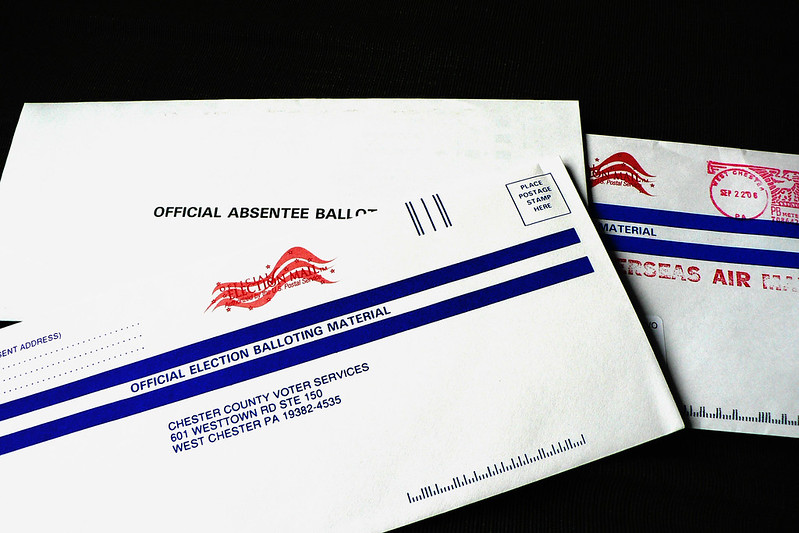
Sealing a significant victory for voting rights, the U.S. Supreme Court denied a petition by the Republican National Committee and others to overturn a Pennsylvania Supreme Court decision affirming the rights of voters who make technical mistakes with their mail-in ballots. The decision leaves in place a ruling that ensures these voters may cast provisional ballots at their polling places on Election Day—and that those ballots will be counted.
The case arose from the 2024 primary election, when Faith Genser and Frank Matis, both of Butler County, mistakenly failed to include secrecy envelopes with their mail ballots—rendering them invalid under state law. They went to their polling places and voted by provisional ballot, an option allowed under state law, but the Butler County Board of Elections refused to count their provisional votes.
In response, the Public Interest Law Center, the ACLU of Pennsylvania, and pro bono counsel at Dechert LLP filed suit. After the trial court sided with the county, the Pennsylvania Commonwealth Court reversed that decision. The state Supreme Court later affirmed that voters whose mail ballots are void because of technical errors are entitled to vote by provisional ballot.
The U.S. Supreme Court’s rejection of the RNC’s petition puts this issue to rest. Voters and election officials alike will now have clarity ahead of the 2025 municipal and judicial elections and the 2026 midterms.
“This action by the U.S. Supreme Court helps ensure that Pennsylvanians will not be disenfranchised for simple paperwork mistakes,” said Ben Geffen, senior attorney at the Public Interest Law Center. “The Supreme Court’s determination not to hear this case means that Pennsylvanians who make a technical mistake with their mail-in ballots will have a way to fix the mistake instead of losing the opportunity to vote.”
| | Firefighter Sues Philadelphia Fire Department Over Discriminatory Hair Policy | | |
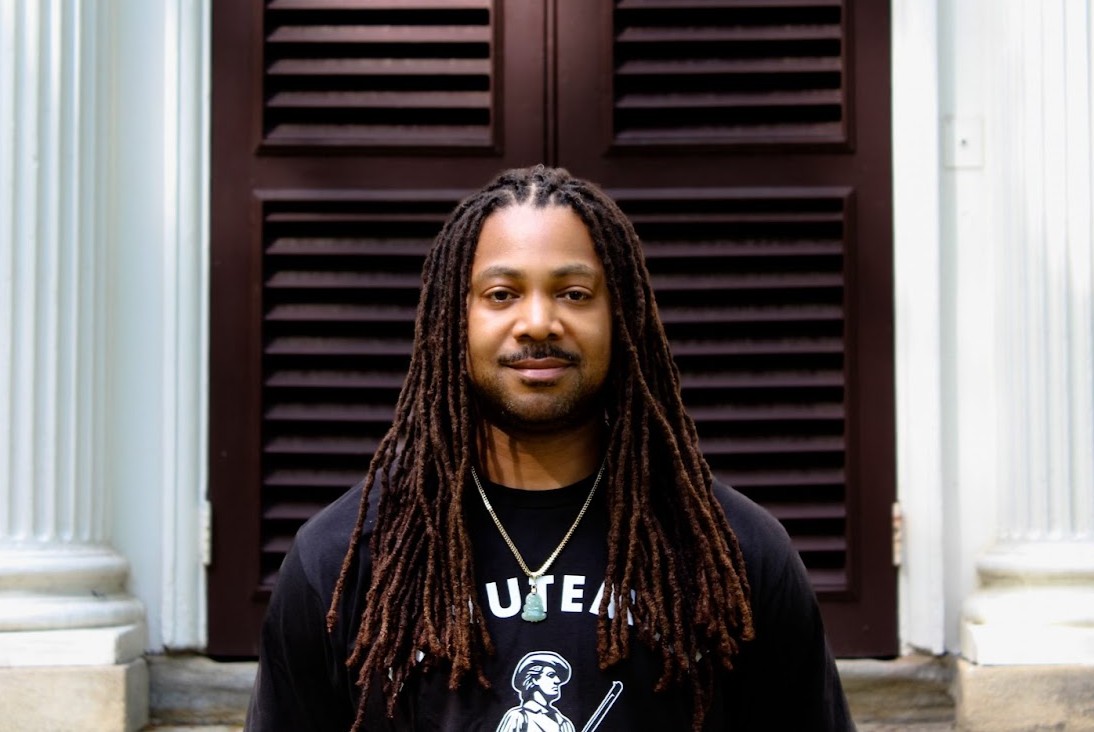
The Law Center filed an employment discrimination complaint with the Pennsylvania Human Relations Commission on behalf of Bariq Fluellen, a 12-year veteran Philadelphia firefighter who has been the target of racial harassment and threats due to his hairstyle.
Mr. Fluellen has served in the Philadelphia Fire Department (PFD) since 2013 and has worn his hair in locs for years. Despite meeting all fire safety standards while wearing locs, Firefighter Fluellen has been singled out, harassed, and threatened with discipline under PFD’s arbitrary and discriminatory policy. Fluellen has been mocked in group chats and warned that his hairstyle could cost him a promotion. PFD leadership and Human Resources have been repeatedly informed of the harassment but have taken no steps to address the issue or reform the policy.
“My hair is a reflection of my authentic self—as a Black man, as a firefighter, and as someone who’s proud of my culture,” said Mr. Fluellen. “Being told that I don’t belong or that I’m unsafe simply because of how I wear my hair is deeply painful. I’ve earned my place in this department, and I shouldn’t have to choose between my profession and my identity.”
The complaint seeks to end the enforcement of the discriminatory policy, the adoption of a grooming policy that accommodates cultural and protective hairstyles, and compensatory damages for the emotional distress, professional harm, and pain and suffering Mr. Fluellen has experienced.
| | Working to Preserve a Community Stronghold | | |
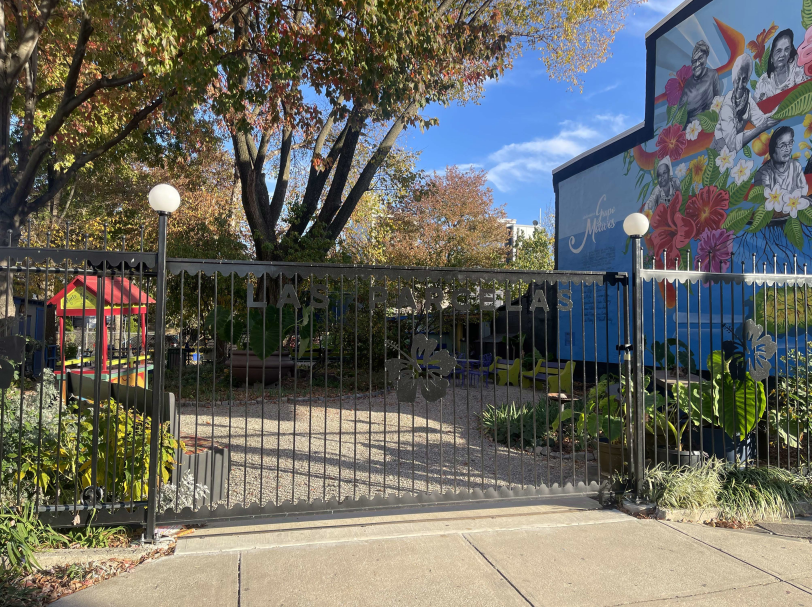
Norris Square Neighborhood Project (NSNP) is a Philadelphia treasure. Since the 1970s, NSNP has worked to restore and preserve urban landscapes and build youth leadership through community events and outreach, arts, cultural programs, and the creation of green space and urban gardens. The organization stewards six gardens in the Norris Square neighborhood, each of which represents a unique aspect of Puerto Rican history.
Las Parcelas, the largest of these gardens, provides the community with fresh produce and is an important gathering space for the community, hosting events and cultural workshops since at least September 1993. Last month, NSNP filed an action to quiet title in the Philadelphia Court of Common Pleas for one of the parcels that make up Las Parcelas. Represented by the Law Center and Morgan, Lewis & Bockius LLP, NSNP seeks to gain ownership of the land that it has been stewarding for more than three decades through adverse possession. Under Pennsylvania law, an individual or organization like NSNP can gain title to abandoned property if they can demonstrate adverse, visible, continuous possession and use for a specified statutory period.
“Community gardens like Las Parcelas are vital green spaces that provide a place for neighbors to come together to grow fresh food, to seek shade, and to gather and play. But we are at risk of losing these neighborhood anchors when they are on land that is not secure,” said Mimi McKenzie, Law Center Legal Director. “With this lawsuit, we hope to preserve Las Parcelas for generations to come.”
| | Taking on Redlining in Philadelphia and Newark as the Trump Administration Seeks to Drop Out | | |
In 2023, the Department of Justice (DOJ) sued ESSA Bank & Trust for redlining Black and Latino neighborhoods in Philadelphia. Under a Consent Order, ESSA agreed to invest $2.92 million in loan subsidies and perform outreach and education in the communities it had excluded.
In June, the DOJ moved to terminate that order — offering no legal reasoning, precedent, or public interest argument. Together with pro bono co-counsel at Stapleton Segal Cochran, we responded by filing an amicus brief on behalf of the Housing Equality Center of Pennsylvania, POWER Interfaith, and the National Fair Housing Alliance, urging the court to reject the DOJ’s motion. The court has now granted us leave to participate in the case, including an oral argument in July.
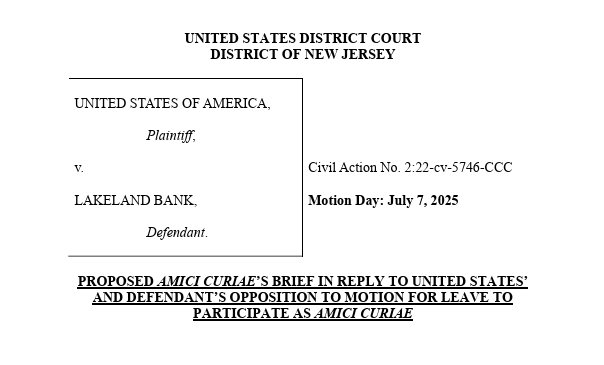
The DOJ likewise sought to prematurely terminate a Consent Order with Lakeland Bank (now Provident Bank) over similar discriminatory practices in Newark, New Jersey. The agreement required the bank to open a branch in a historically excluded neighborhood, invest $12 million in home loan subsidies, and conduct outreach and education in affected communities.
Here too, the federal government offered no justification. And here too, we stepped in — submitting an amicus brief on behalf of fair housing organizations to oppose the government’s efforts and protect the integrity of the settlement.
On June 30, we filed a reply brief to counter the DOJ and Lakeland's attempt to bar us from the case.
| | Intervening as the EEOC Moves to Drop Civil Rights Lawsuit Against Sheetz | | |
In June, the Equal Employment Opportunity Commission publicized its intention to abandon a race discrimination lawsuit against convenience store chain Sheetz. The move was based not on evidence, but a “presidential directive.”
Together with co-counsel at Outten & Golden, we sought to intervene on behalf of Kenni Miller, a Black man hired and then fired by Sheetz after a background check flagged an old conviction, without any consideration of whether it was relevant to the job. Blanket policies rejecting job applicants based on a criminal record disproportionately affect workers of color. With federal officials walking away, we stepped in to continue this important fight and hold employers accountable.
“I was trying to build a future, and Sheetz made a snap judgment about me that had nothing to do with my ability to do the job. Now, the Government is abandoning our case. It is disheartening, but we’re not going to give up our fight for justice,” Miller said.
| | Challenging the Trump Administration’s Revocation of Gun Violence Reduction Grant | | |
The Department of Justice recently revoked a multiyear federal grant awarded to New Kensington Community Development Corporation (NKCDC), a nonprofit working to reduce gun violence in one of the city’s most impacted neighborhoods. The DOJ vaguely claimed the program “no longer effectuates the program goals or agency priorities,” even though NKCDC’s work contributed to a 45% drop in shootings in 2024.
The program disrupts the cycle of violence by identifying, interrupting, and mediating violent conflicts among young men between the ages of 18-35 within the community. It also directly addresses root causes of violence, including the community’s lack of employment opportunities, workforce development, and housing stability. In short, NKCDC complied with every term of the grant. The only thing that changed was the administration’s political agenda.
In response, the Public Interest Law Center filed a formal appeal on behalf of NKCDC, demanding reinstatement of the grant. You can read our appeal letter here.
| | Growers Gather to Learn About Their Rights | | |
Philadelphia has a long and rich history of urban agriculture, gardening, and land stewardship. Today, we continue to steward land and form communities around these green spaces but often run into barriers that threaten their existence.
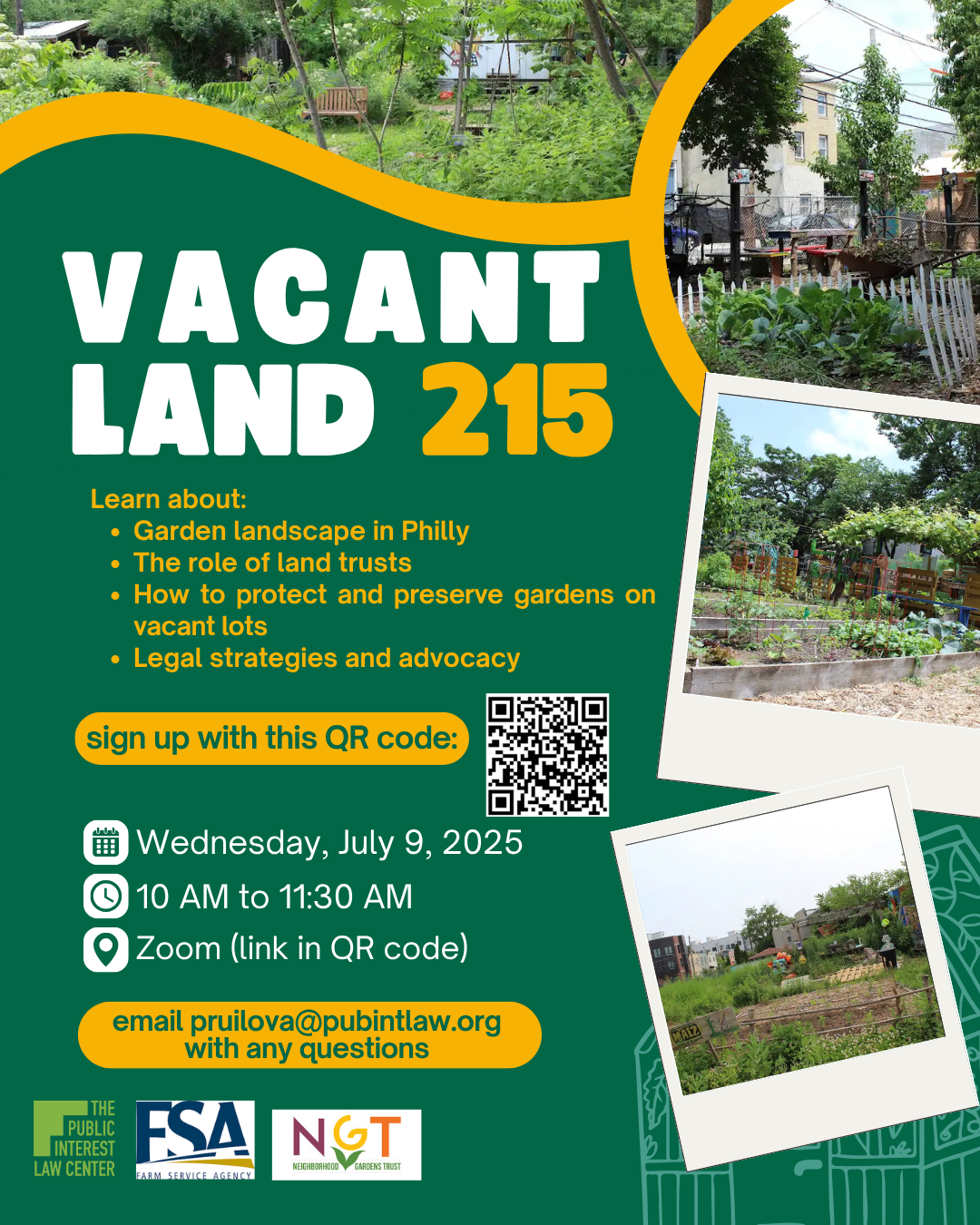
35 growers attended our June Vacant Land 215 webinar to learn more about avenues for land security, including adverse possession and the Land Bank disposition policy, and our next webinar will be Wednesday July 9th from 10AM-11:30AM. Topics will include:
- The landscape of gardens and urban farms in Philadelphia
- The role of land trusts for the preservation of gardens and green spaces
- Legal strategies and advocacy for preserving land
- USDA financial safety net programs for urban farmers
The RSVP link is here. We hope to see you there!
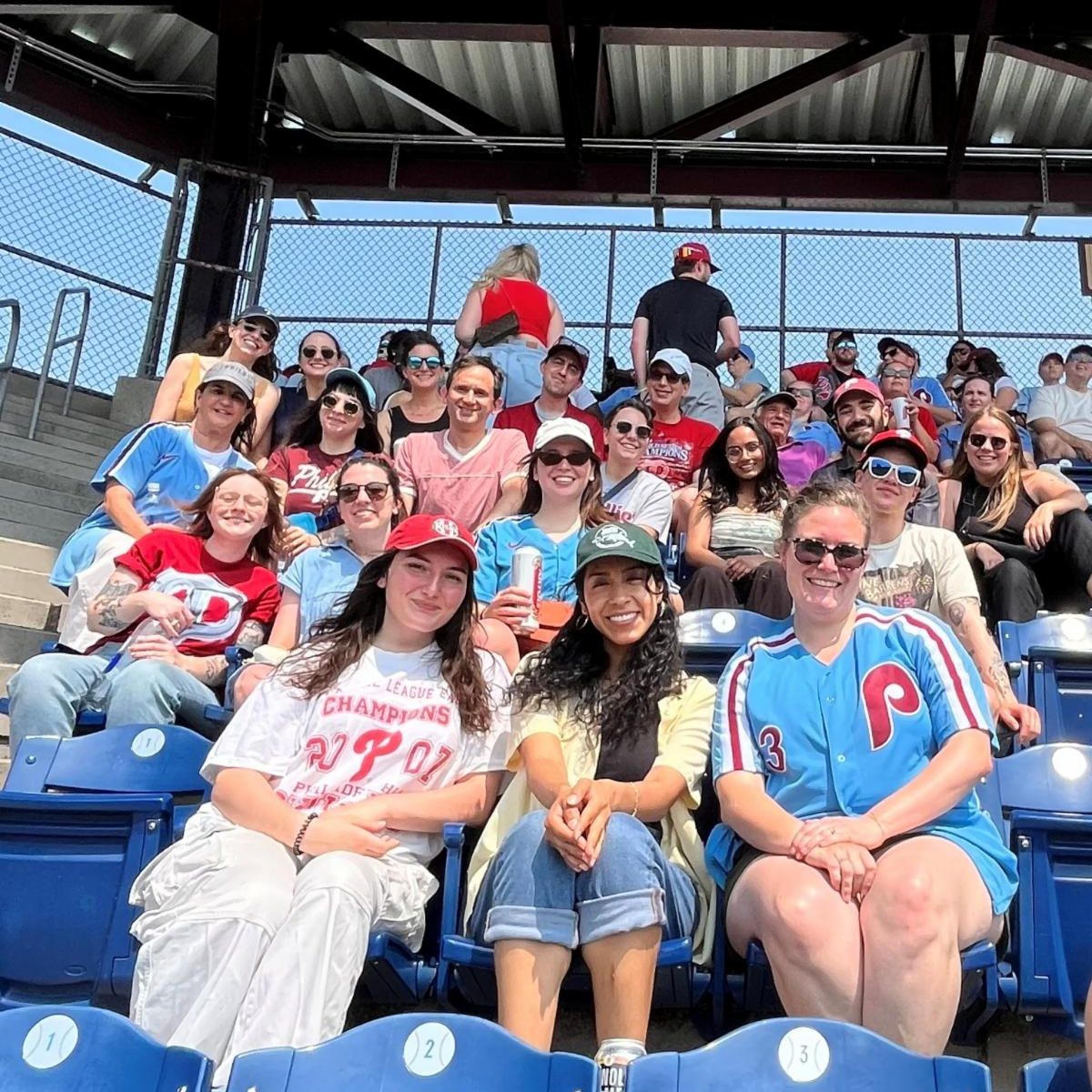
| | The Law Center Heads to a Phillies Game | | The Law Center staff and interns took our annual trip to the ballpark. We must have brought good luck to the Phillies, who beat the Chicago Cubs 7-2. | | |
The Philadelphia Bar Association Commemorates the Voting Rights Act
| | |
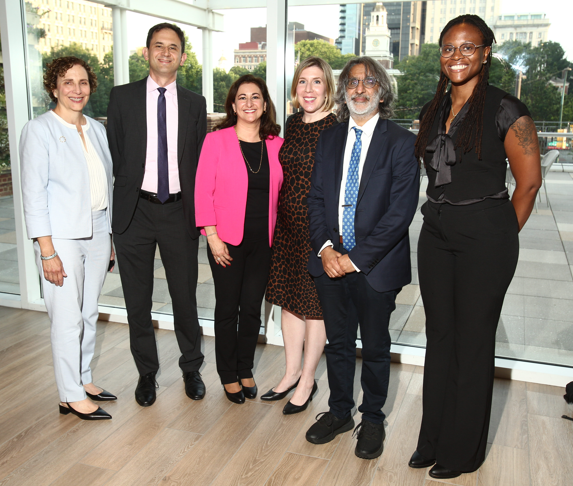
Senior attorney Ben Geffen served as the moderator on the Philadelphia Bar Association’s 2025 Summer Quarterly: Advancing Justice panel. Members gathered together for a compelling program examining the past, present and future of voting access.
Although the Fifteenth Amendment promised in 1870 to end race discrimination in elections, it wasn’t until the Voting Rights Act of 1965 that this promise began to be realized in a lasting way. In recent years, the U.S. Supreme Court has eroded many of the VRA’s protections. The VRA remains an important tool, but until and unless Congress restores the VRA to full strength, fulfillment of the Fifteenth Amendment will remain incomplete.
| | The Law Center in the news... | | |
“This policy, by PFD’s own admission, serves no legitimate safety purpose. We cannot allow it to be used as a tool of racial discrimination,” said Mimi McKenzie, legal director of the Public Interest Law Center. “When an employee meets every performance and safety standard but is still targeted because of their hair, it is clear the policy is not about safety, it is about exclusion and control.”
-
The Justice Department wants to end an agreement it reached with a Pa. bank it accused of redlining in Philly - The Philadelphia Inquirer
“This isn’t just about one bank,” Law Center attorney and Penn Carey Law Catalyst Fellow Olivia Mania said in a statement. “It’s about whether the federal government will honor its role in dismantling structural racism in the housing market — or walk away when the cameras are off. The parties should be held to the terms of the consent order to ensure real, lasting change.”
-
A judge found William Penn students didn’t have enough resources. Now they could lose arts and sports, too. - The Philadelphia Inquirer
While William Penn got an additional $3 million from the state last year, “this is a district still underfunded by $26 million,” said Dan Urevick-Ackelsberg, senior attorney with the Public Interest Law Center, which represented the district in the funding lawsuit.
“Those are not numbers in a spreadsheet — those are art teachers and specialists and counselors, the very things that the court said kids in that district are entitled to," Urevick-Ackelsberg said.
Legal director Mimi McKenzie and Saul Ewing's Kevin Levy are representing Neighborhood Gardens Trust in the transaction, ensuring this beloved space remains protected for community members and future generations.
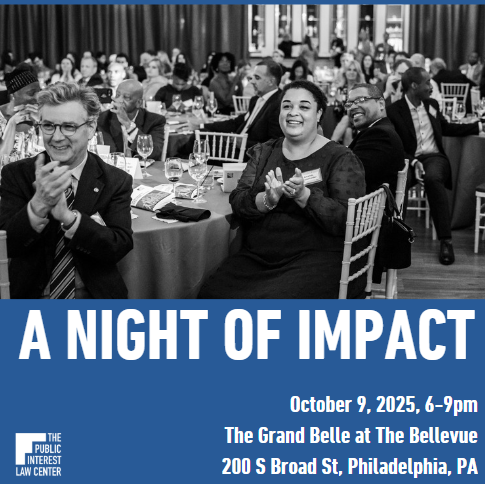
| | Sponsorships now available for our annual event! | | The official registration and financial information of the Public Interest Law Center may be obtained from the Pennsylvania Department of State by calling toll-free, within Pennsylvania, 1-800-732-0999. Registration does not imply endorsement. | | | | |