Feinberg.png

December 2025


A Message from Our Institute Director

Dear Friends and Colleagues, 


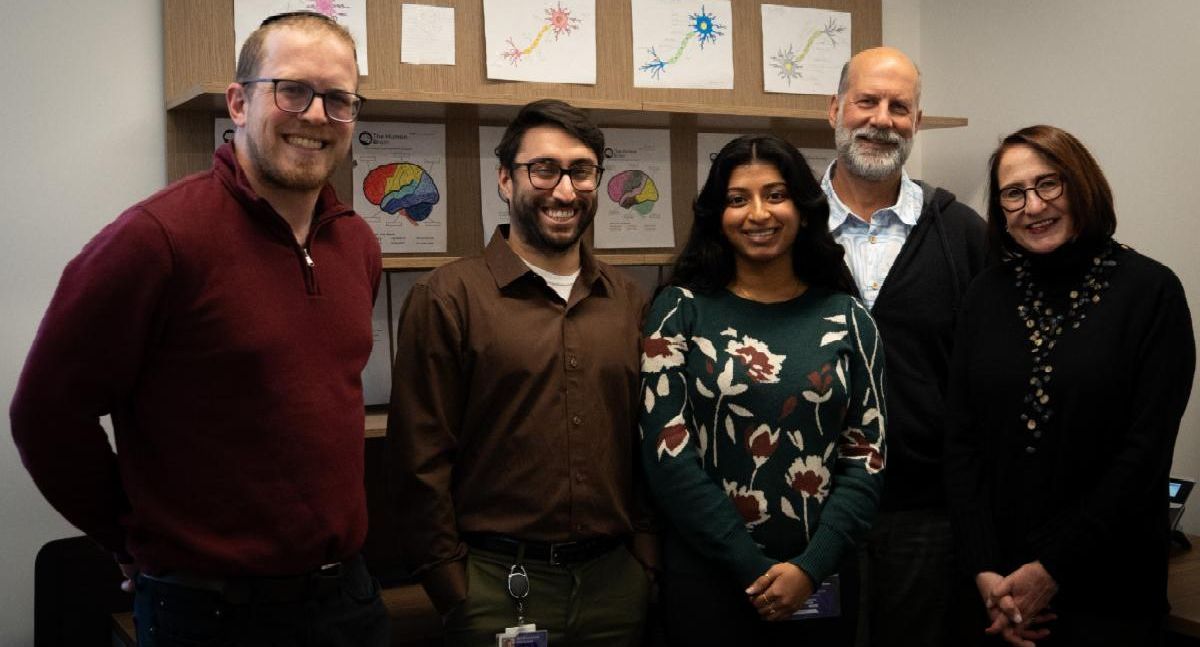
The Mesulam Institute team extends its deepest gratitude to our dedicated faculty, staff, participants, and community partners for your unwavering commitment to advancing our mission.


Your steadfast support and collaboration have been instrumental in helping us cross major milestones this year.


From the establishment of the new Kathryn Aring Piper Center for Frontotemporal Cognitive Disorders, to transitioning into an institute, and to celebrating 25 years of SuperAging research, 2025 has been a momentous year.


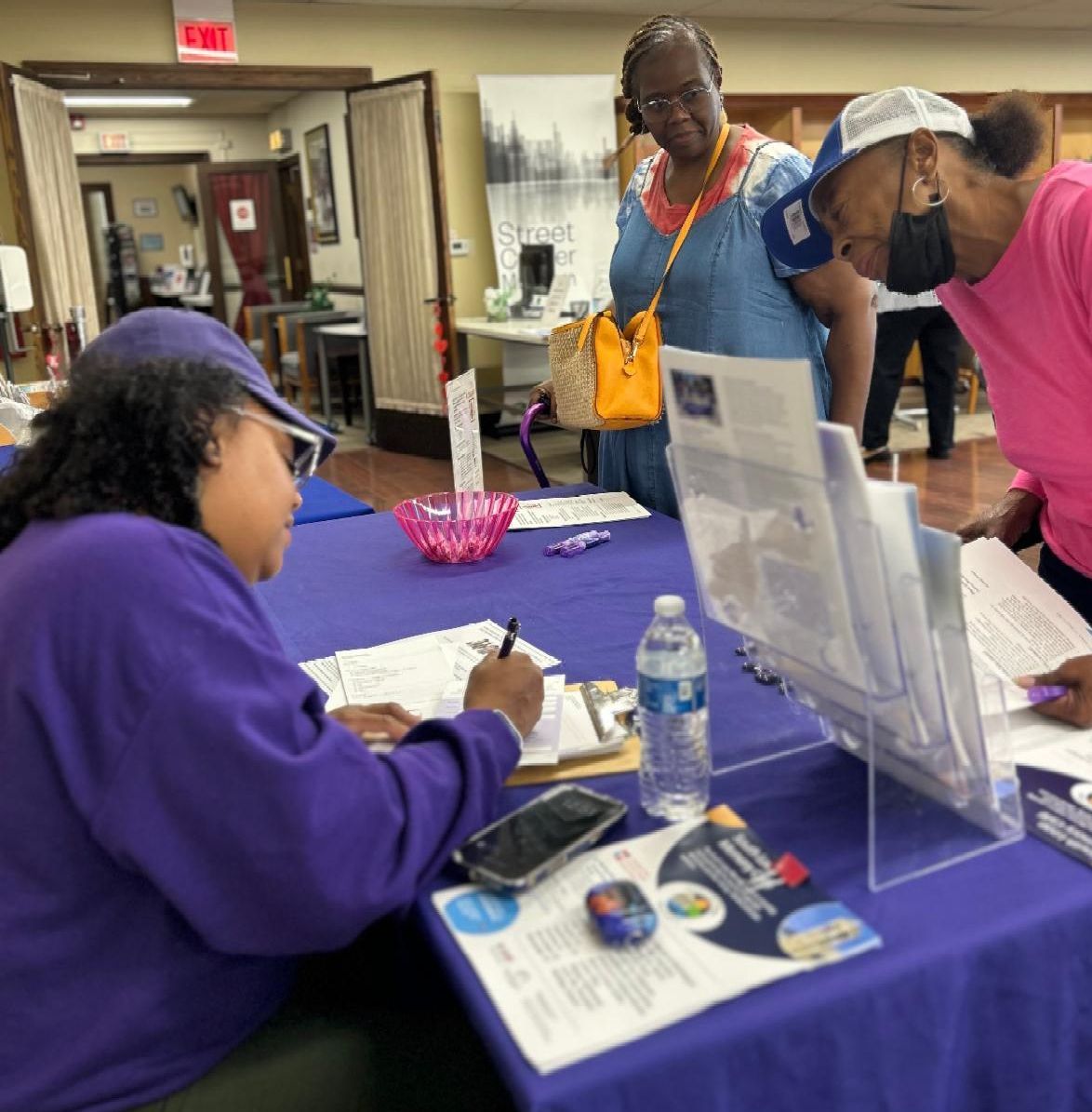
Together, we published ground-breaking research, expanded community partnerships, and provided increased access to care resources.


2025 has also presented challenges. You may have heard that Northwestern’s federal funding was frozen in April.


We met this challenge by maintaining laser-focus on our research to understand and treat the devastating dementias that we study, including those caused by Alzheimer’s disease, frontotemporal degeneration, and Lewy body disease. In late November, an agreement was made with the federal government to resume funding.

We are grateful to the university for funding our vital research during this challenging period.   


As we approach 2026, we aim to keep prioritizing and representing those who make our research possible — you.


We thank you for the continued support to expand dementia research and participant care.


We cannot wait to see the new horizons we reach together.


Warm regards and seasons greetings,


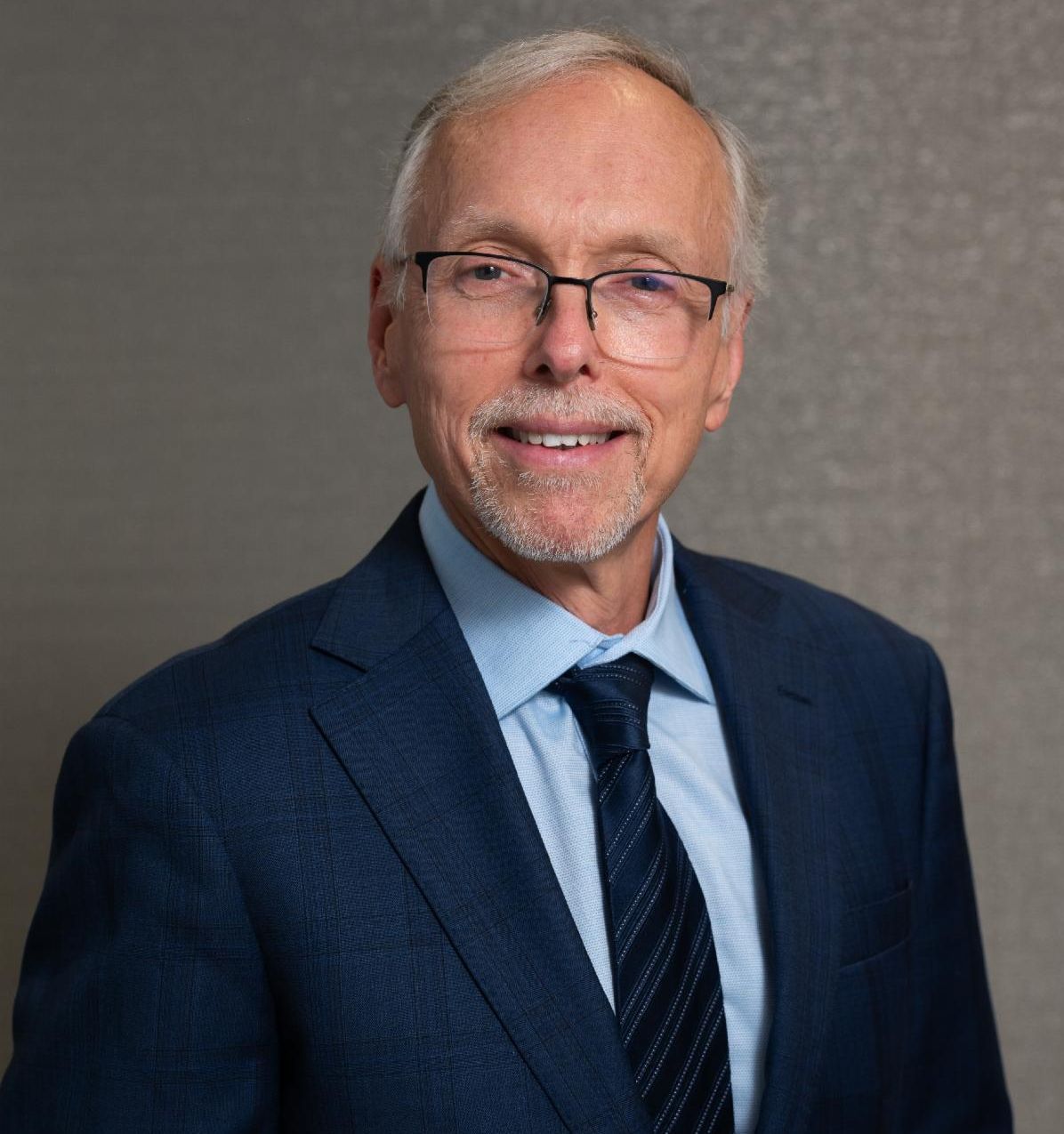
Dr. Robert Vassar, PhD


Director of Mesulam Institute for Cognitive Neurology and Alzheimer’s Disease and Davee Professor of Alzheimer Research

Mesulam Institute Receives Generous Endowment Supporting Frontotemporal Dementia Research Expansion

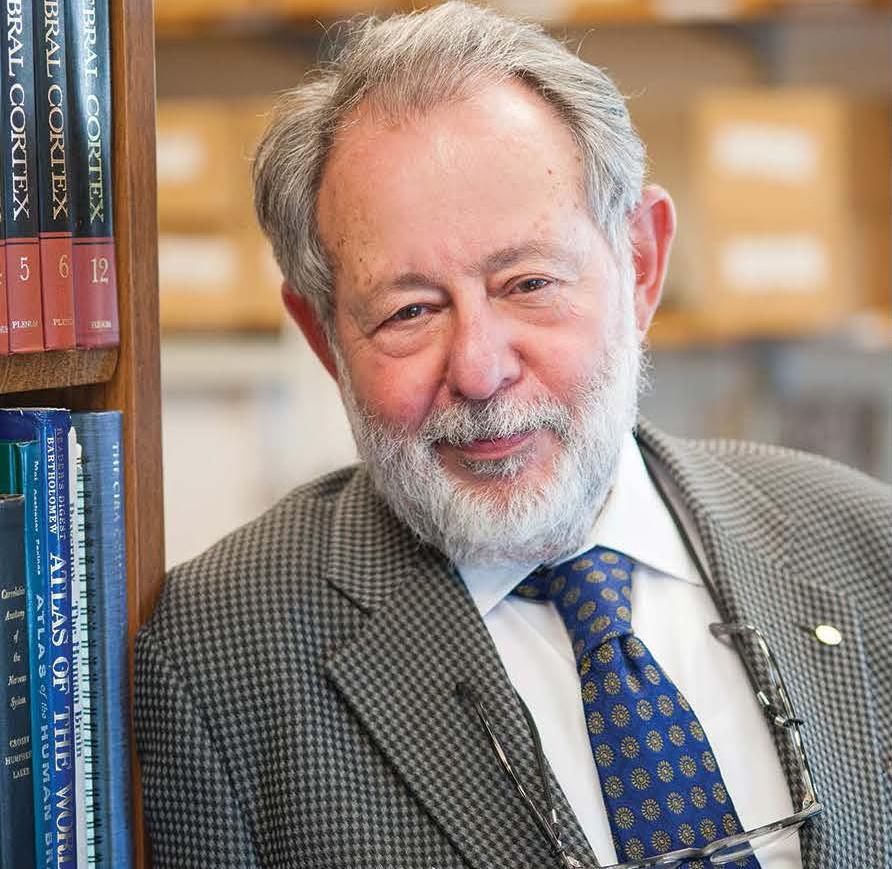
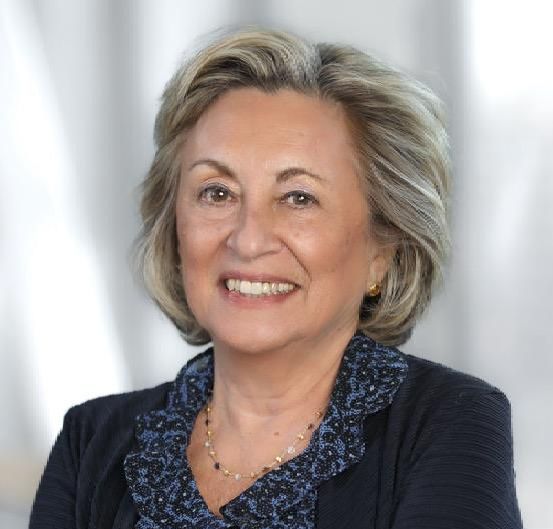
This year, the Mesulam Institute received a generous donation in honor of Marsel Mesulam, MD, and Sandra Weintraub, PhD, for their leadership in the medical field and to honor the life and memory of Kathryn Aring Piper, who succumbed to an incurable form of frontotemporal dementia (FTD) known as tauopathy with primary progressive apraxia of speech. 

The contribution has led to our evolution from the Mesulam Center to the Mesulam Institute and has established the Kathryn Aring Piper Center for Frontotemporal Cognitive Disorders within the Institute.


As a program that is supported by philanthropic funding, we are thankful to all the support donors provide year around.

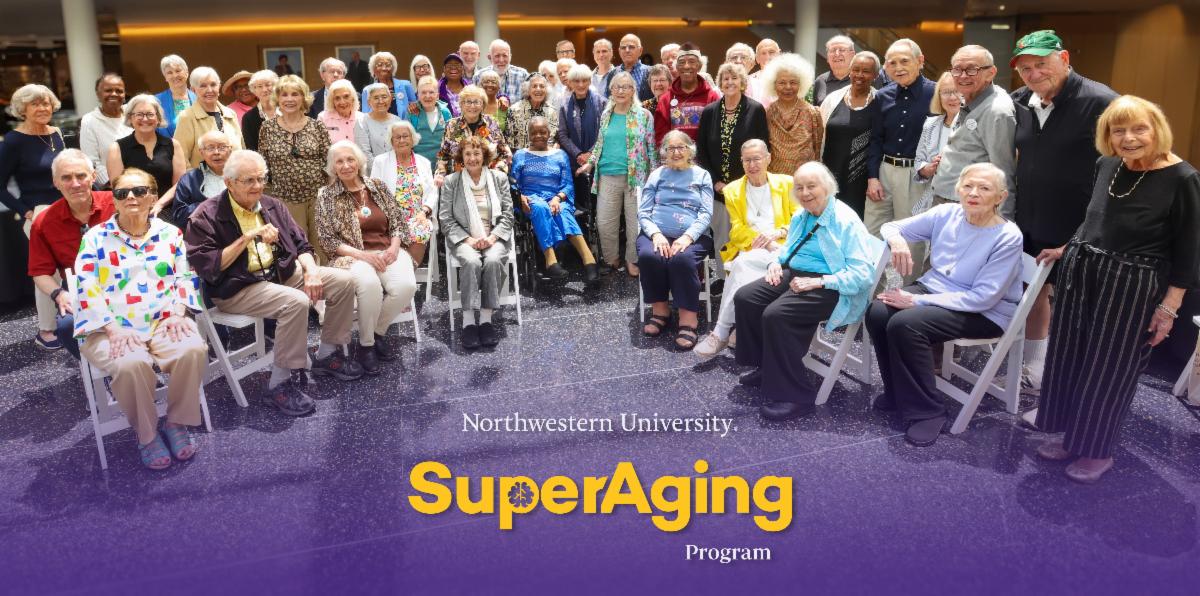
SuperAgers Took Center Stage Helping Study Cross 25 Years

This year, the Mesulam Institute Northwestern SuperAging Program (NUSAP) published its 25 years of SuperAging research study. The publication dispelled the notion that age-related cognitive decline is inevitable. 


The team also reported:


1.    Cellular changes resulting from Alzheimer's disease in the brain may range from minimal to many. However, they may exhibit different cognitive aging outcomes in SuperAgers.


2.    SuperAgers may be resistant to the formation of age-related abnormal protein production in the brain, while others may experience such protein formation but are resilient to its effects on healthy brain cells.

Mesulam Institute's CLARiTI Team Increases Enrollment from Historically Marginalized Communities

The Alzheimer’s Disease Research Center Consortium for Clarity in Alzheimer’s Disease and Related Dementias Research Through Imaging (CLARiTI) — a nationwide effort to better understand Alzheimer’s disease and related dementias — completed its first year at the Institute.


The team contributed to doubling the nationwide target for recruitment through historically underrepresented groups.

The team is now focusing on a "return of results" program for participants to receive the imaging data researchers have been collecting.

Young Minds with Old Souls: Brain Scholars Forge Their Paths as Future Researchers

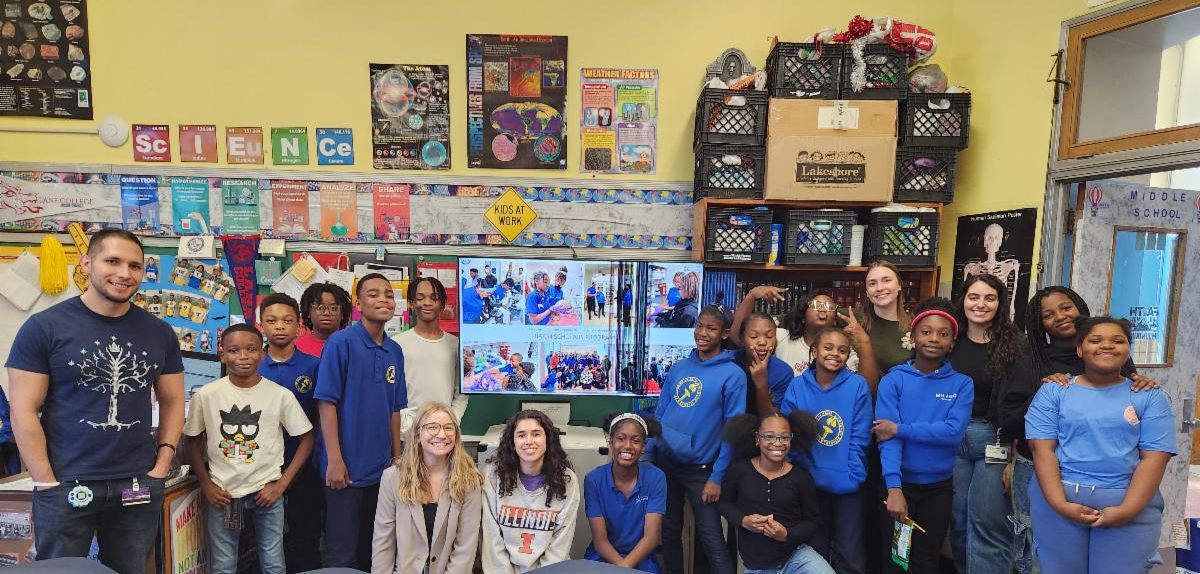
This year, four middle school interns and three high school interns from the greater Chicago area came together for the Brain Scholars Program — an annual, six-week initiative that introduces middle and high school students to neuroscience through scientific experiments, brain examinations, and mentorship.


Students learned from researchers across the field, which included shadowing the primary progressive aphasia (PPA) and SuperAging teams.


This year's cohort also participated in the program's first campus visit at Chicago State University.

With another successful year in the books, the Institute is proud to support young minds in their pursuit towards scientific excellence.


To learn more about the Brain Scholars Program, look back at how Antwan Howard, Brain Scholars' alumnus, forged his path at the Institute.

Memory Lane: Community Connections with Ingrid


Because the science of brain health starts with the stories we live.

Changing with The Season:

Forging New Traditions While Holding onto Holiday Cheer


Vol. 1 Ed. 3

The holidays have a way of stirring up memory. Sometimes, it is sweet and grounding. Other times, it is tender in ways we do not expect.


For families navigating Alzheimer’s disease or other dementias, this season can feel both familiar and brand-new. Even if routines wobble, traditions shift, and expectations change, there is still room for connection and joy.

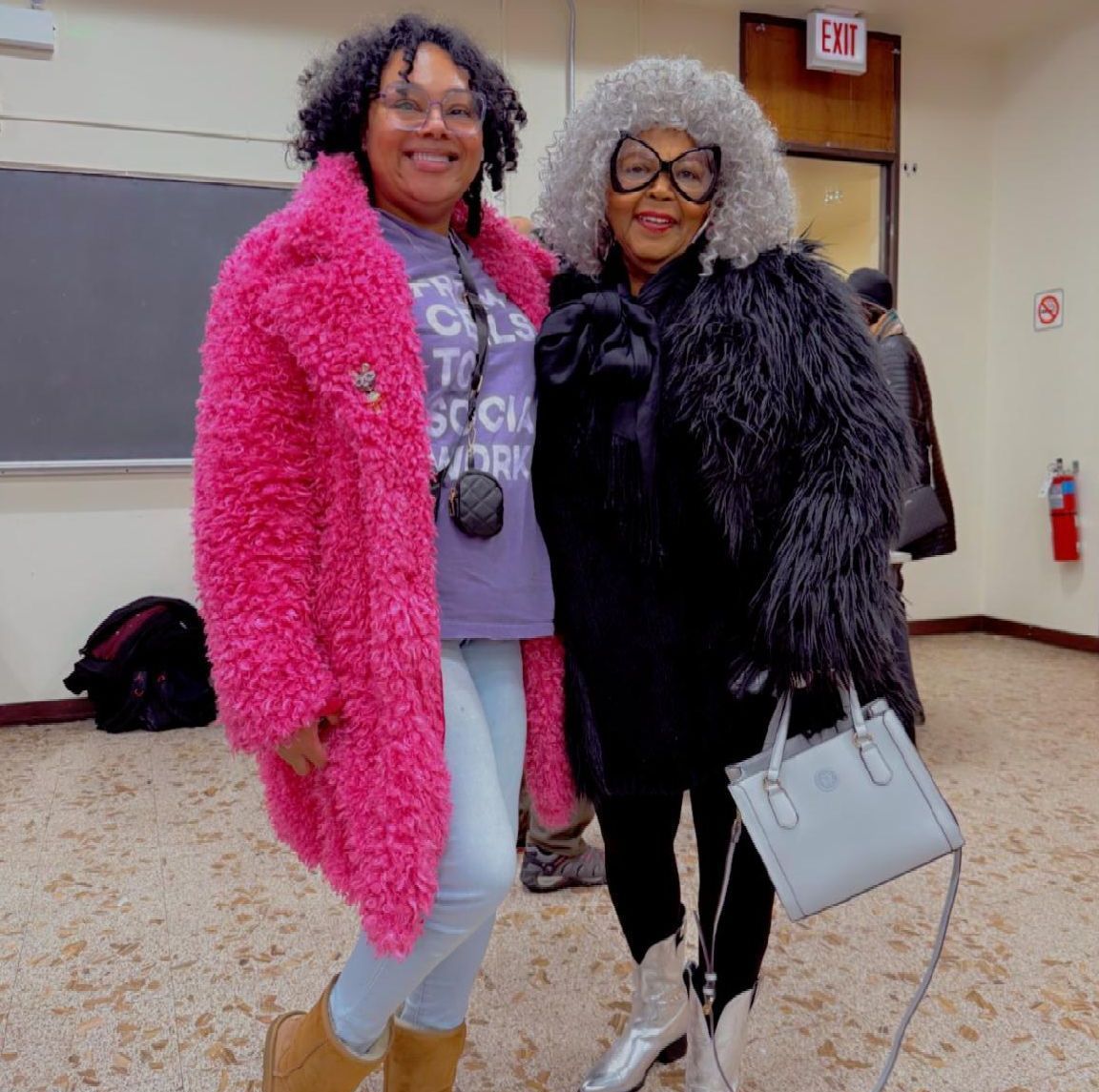
This year, our work at the Mesulam Institute showed me how families find creative ways to stay connected through change. Caregivers tell stories over warm meals. Loved ones hum along to familiar holiday music. Communities show up with support and patience. These moments remind me that celebration is not about perfection. It is about presence.


As we step into the holiday season, here are five gentle ideas to help families create moments that feel both meaningful and manageable.


1. Keep it simple and familiar.

Select one or two traditions that feel grounding — familiar music, favorite foods, or a cherished ornament can cue comfort and memory in powerful ways.


2. Build the day around calm, not chaos.

Large gatherings can be overwhelming. Consider smaller get-togethers, quiet corners, or shorter visits to match your loved one’s energy. The goal is connection, not exhaustion.


3. Prepare the environment.

Soft lighting, clear pathways, and reducing loud sounds can help decrease confusion and overstimulation. A calm space makes room for meaningful interaction.


4. Honor where your loved one is today.

Meet them in the moment — whether they are talkative, quiet, emotional, or simply observing. Flexibility can turn potential stress into shared peace.


5. Make room for caregivers.

If you support someone living with dementia, give yourself permission to rest, step outside, or accept help. Community care includes you as well.


The holiday season reminds us how much connection matters. At the Mesulam Institute, we continue to walk with families through every season of the year, offering support, education, and resources that grow from listening to real experiences in our community.


Whether your holidays are lively, quiet, traditional, or transformed, I hope you find moments that bring you closer to yourself, your loved ones, and the memories you treasure.

Want to connect? Email me at to learn more about our work or visit our website.

Resources And Tools for The Holiday Season

Holiday Resources:


Helplines for Additional Support:


Interested in Participating in Research?


We are currently enrolling participants in various research studies here at the Mesualm Institute. Our research studies lead to better understanding of Alzheimer's and related dementias and help inform future treatments for these diseases.


Please follow the steps below to join our research registry and learn more about our active research studies. Our work is possible thanks to the generosity of our research participants — we appreciate you.

  1. Join Our Research Registry: Click here or click the button below to join our registry.
  2. Match to a Study: We will contact you when we identify a study that might be a good fit. Click here to view our active studies.
  3. Participate: Participate in studies you choose and qualify for. Click here to view FAQs.

Consider making a gift to support the Mesulam Institute.

Stay Connected

Web        LinkedIn        Facebook        X

If this email was forwarded to you, and you want to join our mailing list, please sign up here.