HONOR. CELEBRATE. PRESERVE. | |
A Thanksgiving Message from the Klamath Irrigation District
To our valued patrons, farmers, ranchers, partners, and the greater Klamath Basin community,
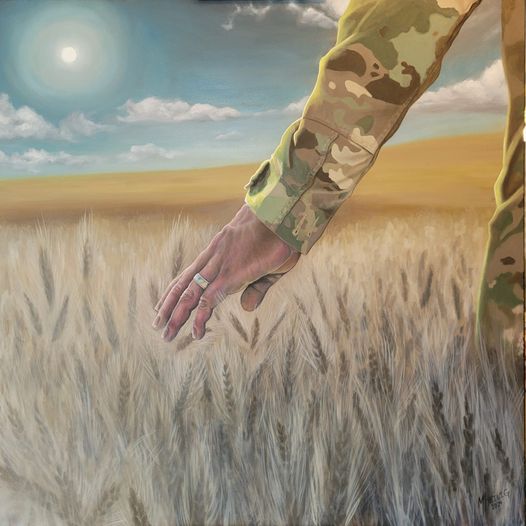
November is a time to recognize and celebrate the vibrant cultures, traditions, and lasting contributions of many to our communities. Let's honor the history of those who shaped our way of life, support our future, and those who take part in preserving the rich heritage that continues to shape our great Nation.
As the crisp November air settles over the Klamath Basin and the geese return to the refuges, we pause during this sacred month to give thanks—for the land, for the water that sustains us, and for the resilient people who call this place home.
In the spirit of November’s many traditions—Veterans Day, Native American Heritage Month, and Thanksgiving—we honor the full tapestry of those who have stewarded and defended this basin across generations:
To our veterans and active-duty service members: thank you for your sacrifice and for protecting the freedoms that allow us to farm, fish, and raise our families on this land.
To the Klamath, Modoc, Yahooskin-Paiute, Shasta, Karuk, Yurok, Hoopa Valley, and Quartz Valley tribes: we acknowledge your enduring connection to this watershed that has sustained people since time immemorial. Your rich culture, knowledge, and perseverance continue to remind us to live in relationship with this land and water.
To every farmer, rancher, and family who works from dawn until dark: your grit and faith in the face of drought, regulatory challenges, and uncertainty are the heartbeat of this basin.
This year, in the Klamath Basin, we have particular reasons to bow our heads in gratitude:
For the water that did flow—enough to keep crops in the ground and cattle on pasture.
For the late-spring rains and cooler temperatures that eased the burden on our reservoirs and gave us a fighting chance.
For the collaborative spirit that brought farmers, tribes, agencies, and community members to the table—reminding us that while we may not always agree, we share a fierce love for this place and a need to keep working toward solutions.
For the refuges that remain a global treasure, supporting millions of migratory birds while coexisting with the agriculture that feeds our nation.
For the next generation—young farmers returning home, tribal youth reclaiming traditional practices, and children growing up understanding both the privilege and the responsibility of living in the Klamath Basin.
May your tables be full this Thanksgiving, your families close, and your hearts steady with hope. We are thankful—profoundly thankful—for the trust you place in the Klamath Irrigation District every single day. It is our honor to serve you, to fight for reliable water, and to stand shoulder-to-shoulder with you as we care for this remarkable corner of America.
From all of us at the Klamath Irrigation District,
Happy Thanksgiving.
May God continue to bless the Klamath Basin and all who call it home.
With deepest respect and gratitude,
The Board and Staff of the Klamath Irrigation District
| |
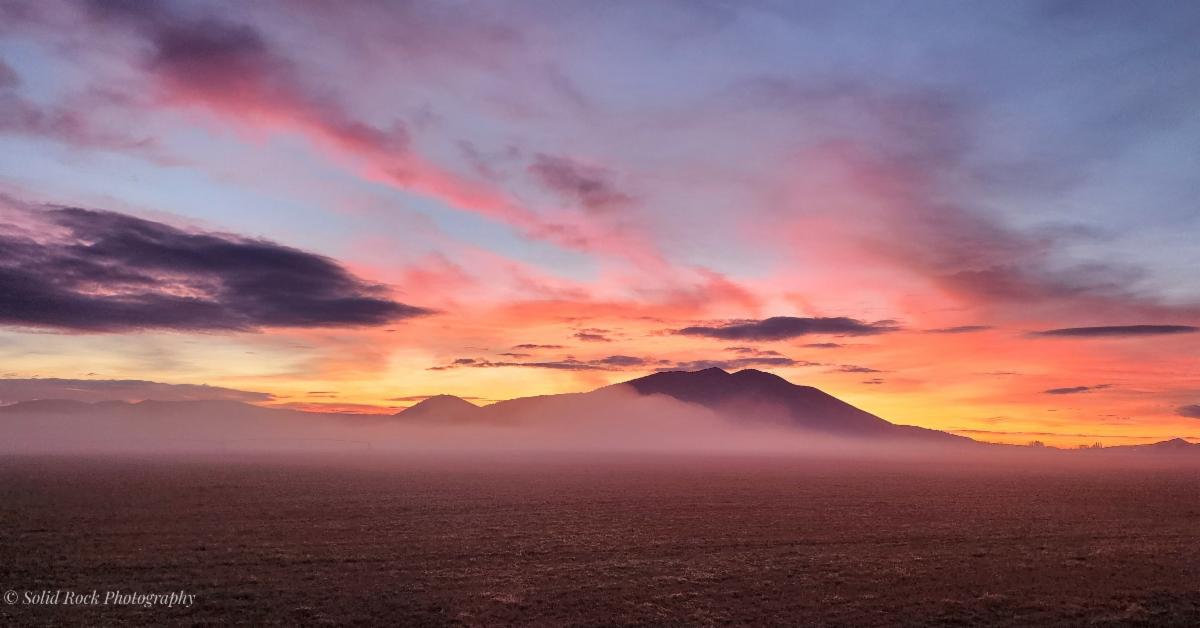
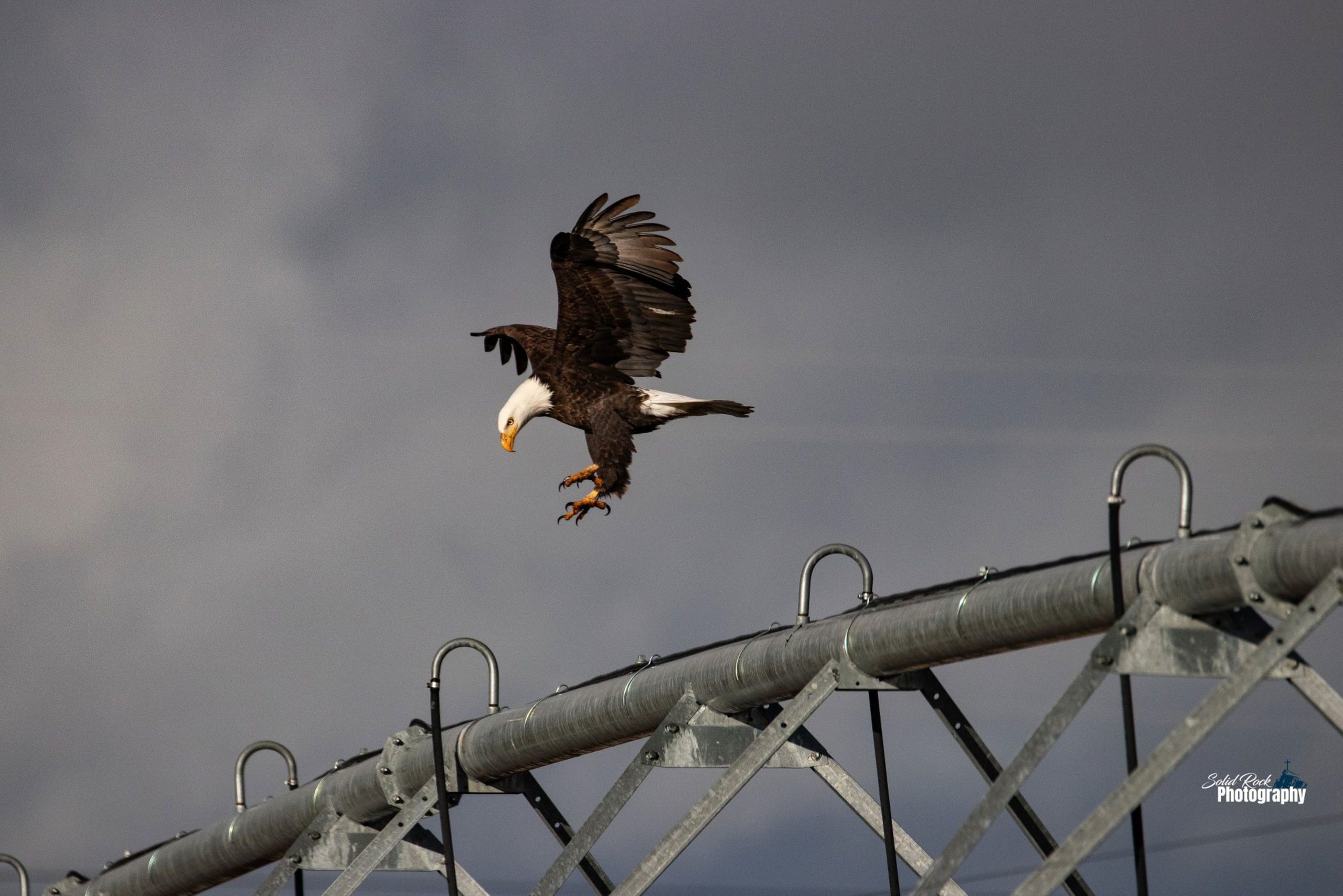
Photo: Courtesy of Sarah Ramsey with Solid Rock Photography
This image shows fog drifting over agricultural fields below Stukel Mountain, reminding us that this is a time to be Thankful for all our Blessings for fertile fields, moisture, and the beautiful landscape we call home.
|
| |
In the Flow
November 2025
| | |
- The DeHoop Family's Enduring American Dream
- A Canal Headworks Fish Recovery
- Klamath Irrigation District Mission Statement
- Klamath Irrigation District 2026 Assessment Rate
- K.I.D. November Meeting of the Board of Directors Summary
- Title Transfer - Letters of Support Needed
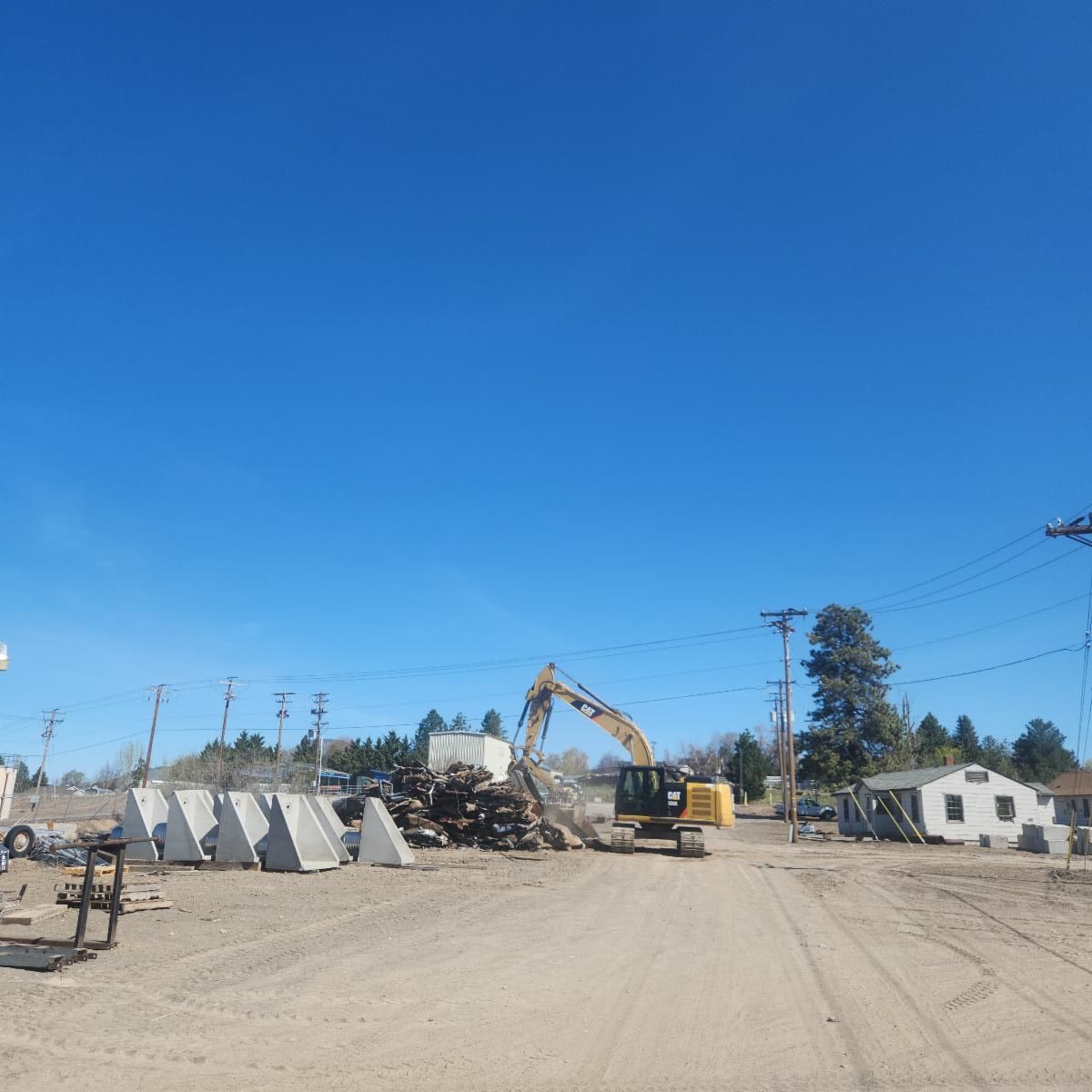
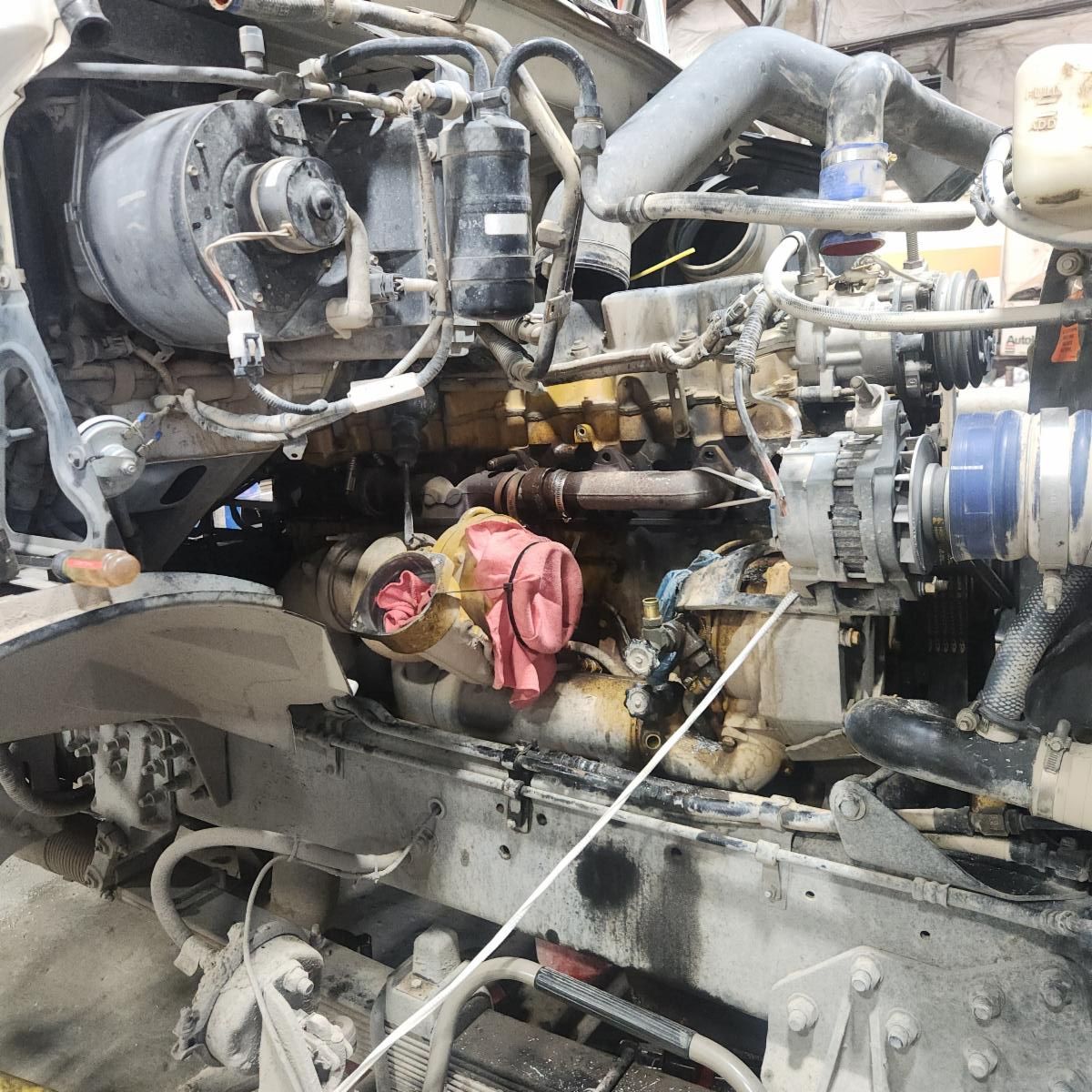
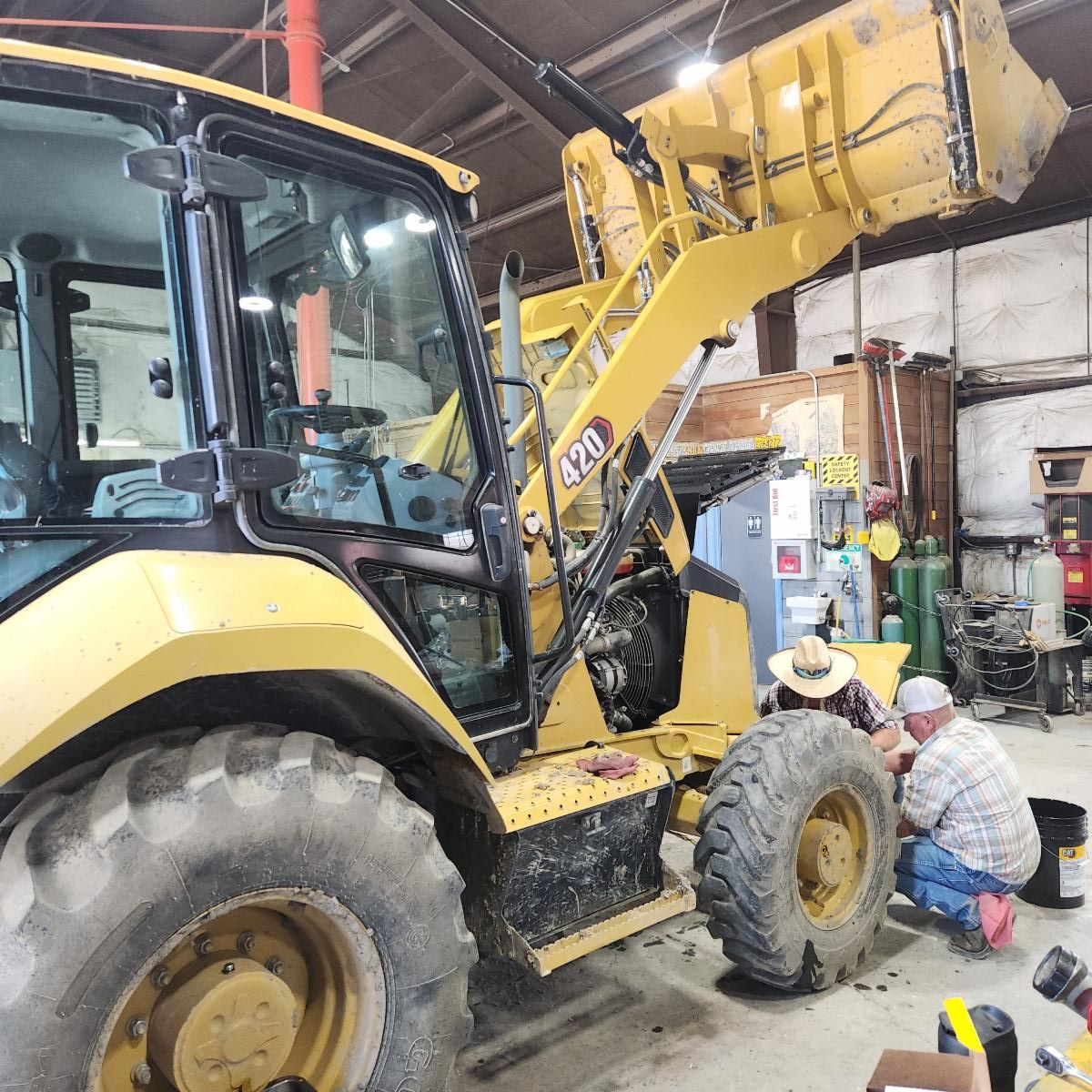
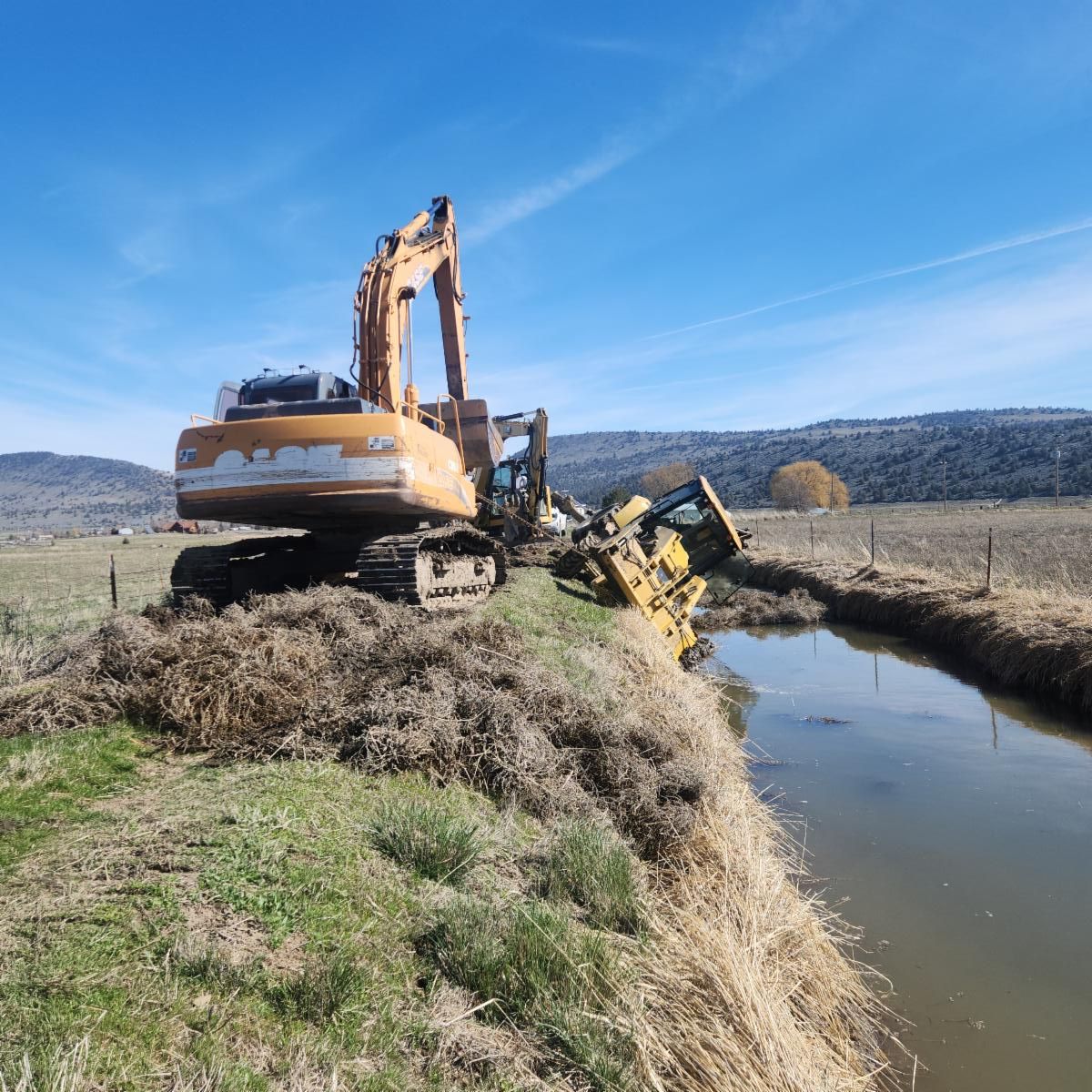
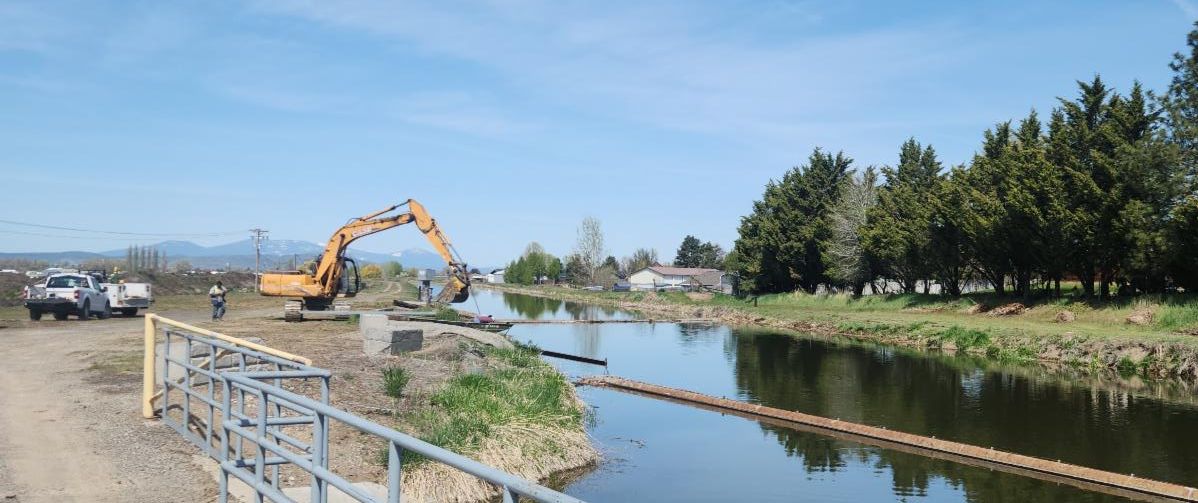
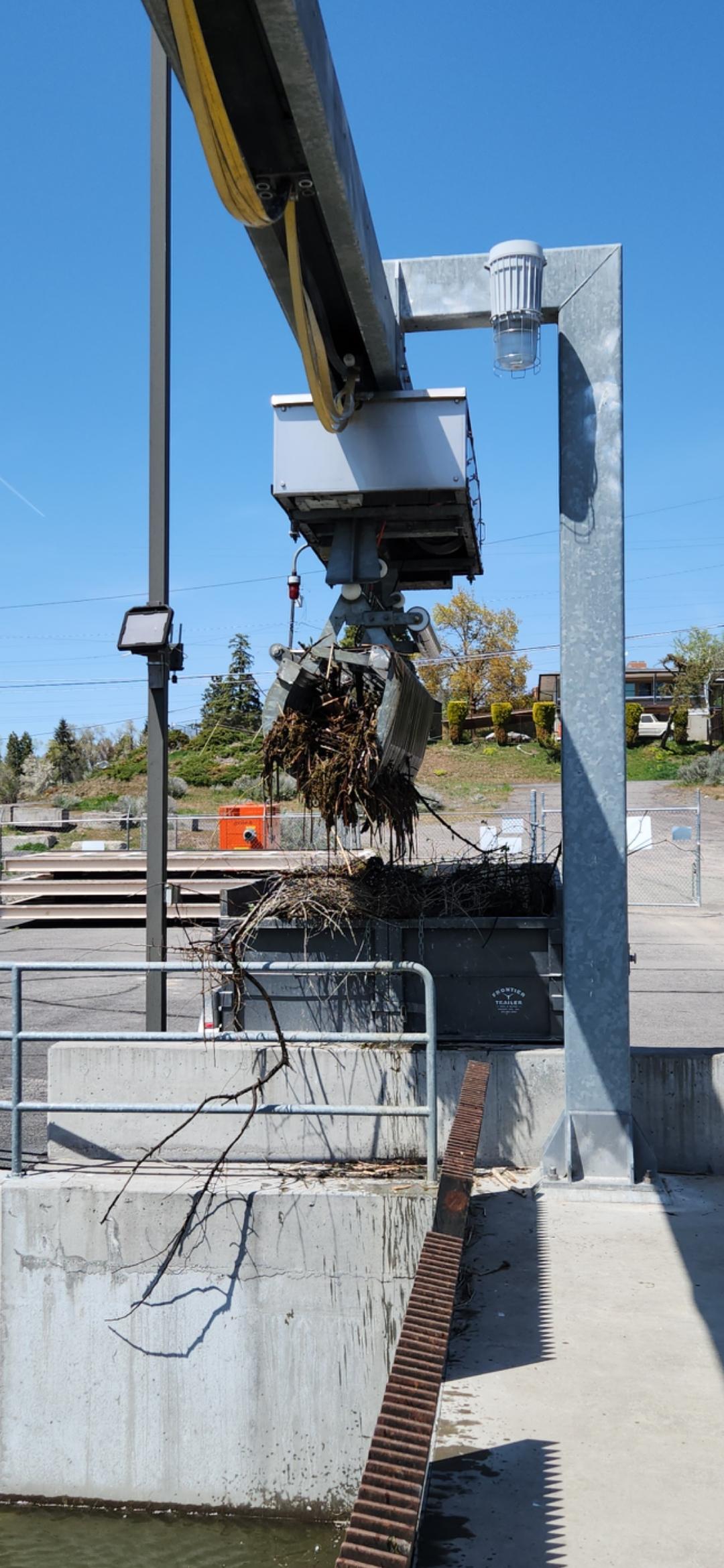
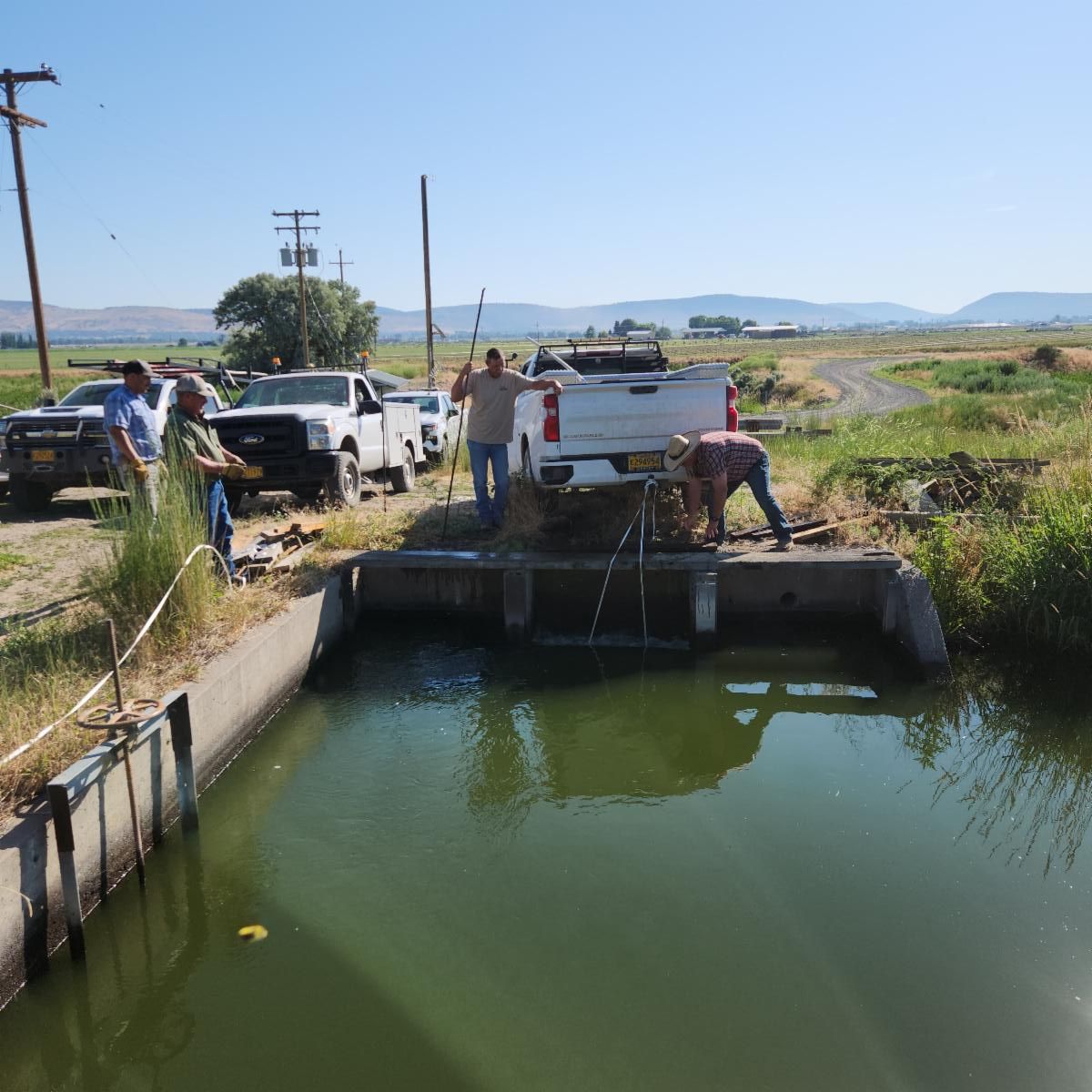
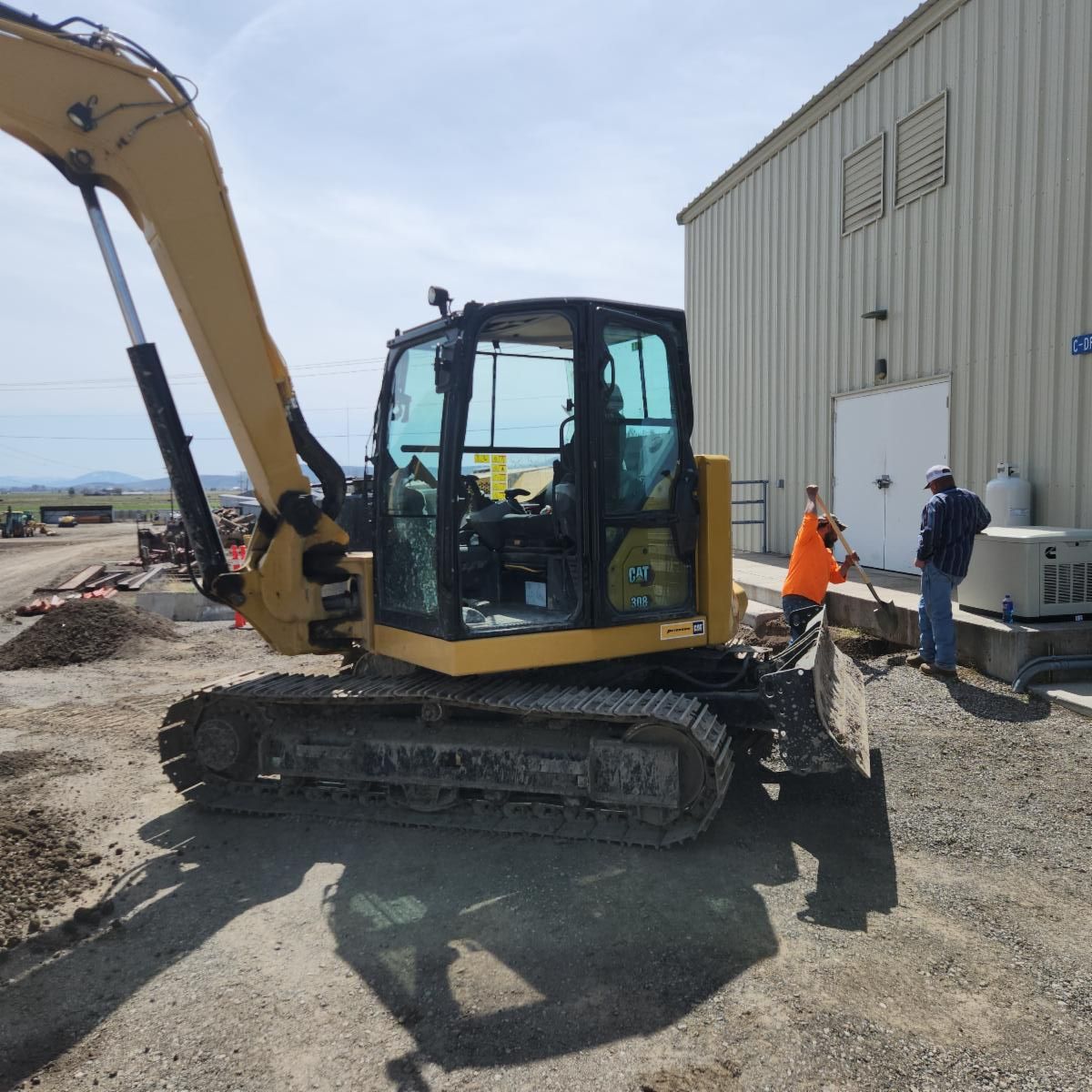
- Fall / Winter Maintenance Season
- 2026 Water Year Shaping Up
- Klamath Drought Response Agency Update
- Events and Public Notices
- A Focus on Klamath
- Opportunities Knock But Once
- What we are Reading
| |
Giving Thanks For Our Growers:
EMBRACING MANY TRADITIONS
| From Dutch Roots to Klamath Legacy: The DeHoop Family's Enduring American Dream 🌾 | |
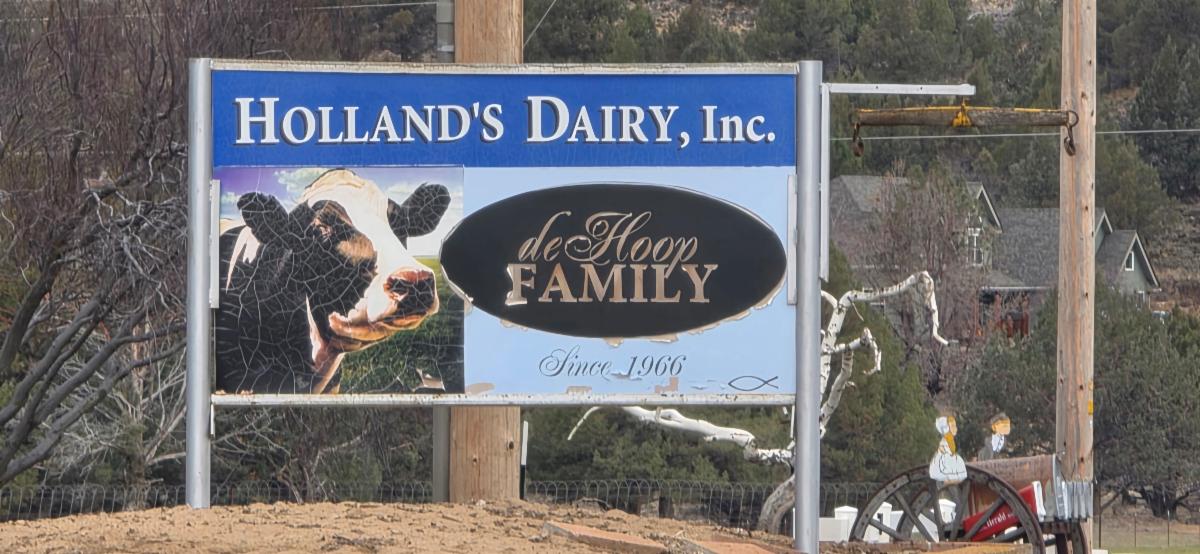
Imagine two teenagers stepping off a ship in 1948, hearts full of hope, chasing the promise of a new world. That's where the DeHoop story begins—Thys and Rina DeHoop, immigrants from the Netherlands, arriving in America as teens. They married in 1956, and their four children—Helena, Art, Arjen, and Boudewyn—became the first generation born on U.S. soil. This family came to join the American dream, not just find it. They became a cornerstone of the Klamath Basin's agricultural heartbeat, blazing a trail of community and strengthening the region for everyone.
Fast-forward to 1966: Thys and Rina make their bold move to South Poe Valley. Thys' signature still graces the registry at the Baldwin Hotel Museum in Klamath Falls, dated around April-May that year, when he scouted the established dairy owned by Wilbur Reiling. (When you are in Klamath Falls, peek at the historic Baldwin Hotel Museum registry details—a nod to Klamath's pioneering spirit!). They purchased the operation, with Reiling mentoring them through that crucial first year. Starting with just 26 cows, they expanded to 800, relentlessly upgrading buildings and infrastructure from day one.
| |
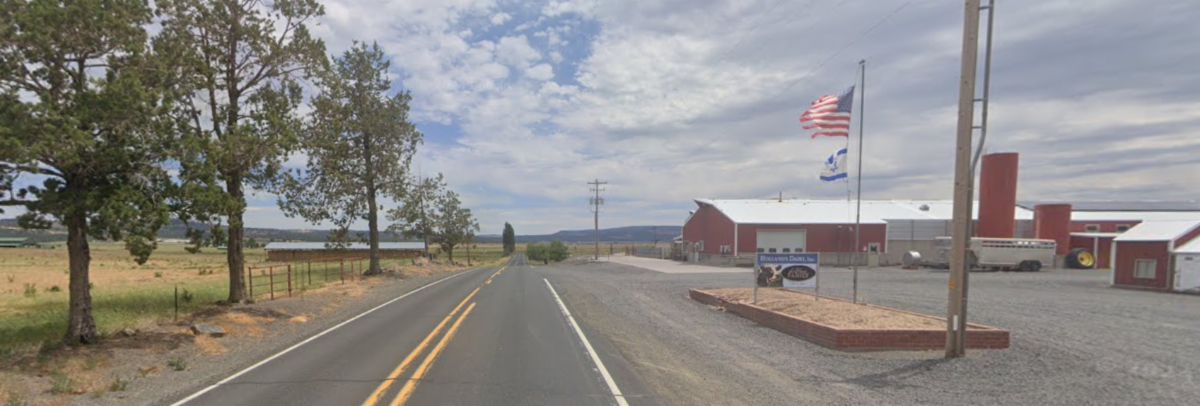
The DeHoops weren't alone for long—they blazed the trail as the first Dutch dairy farmers in the area. Soon after, Boudewyn's Uncle Elso DeJong, followed by Bill and Tom DeJong, joined the wave, strengthening the region's Dutch dairy heritage. Thys ensured American flags flew proudly over the dairy, a daily symbol of gratitude for the American Dream and the freedoms that fueled their success.
(Fun fact: The Klamath Basin's ag economy, powered by families like these, contributes to Oregon's food security—Read more in the Oregon Department of Agriculture reports.)
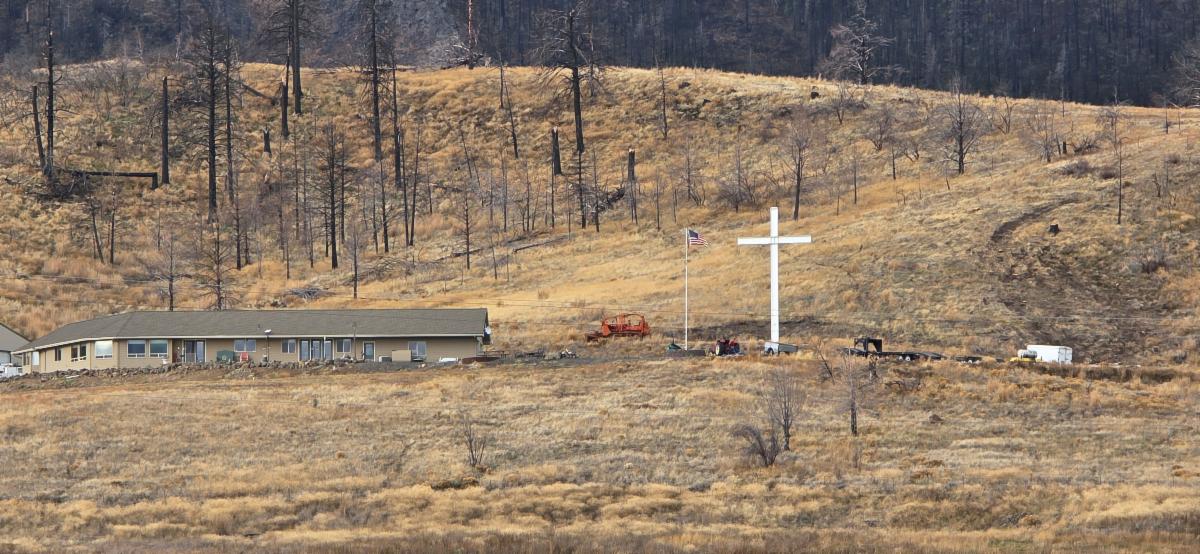
Perched on a hill overlooking their thriving operation, they built a new home. About five years later, they erected a massive cross—anchored with over 30 yards of concrete—a testament to the faith that carried them through the dairy industry's grind. "More bad years than good," Boudewyn recalls, yet their belief in God and this land made it the perfect place to raise a family. The Klamath Basin's fertile soils and water systems (vital to national food security—learn more via USDA's Klamath Basin overview) provided the foundation.
| Photo: Perched on a hill overlooking the dairy, the DeHoop house and cross were untouched by the 2022 Van Meter Fire that burned 2,448 acres and threatened 260 structures. Our District Manager, Jaxsen Sikorski, members and patrons of our District, and the surrounding community rushed to Poe Valley, using personal pumps and manual labor to save structures threatened there. Our team and firefighters were unable to get close enough to save the house, yet it remained untouched by the devastating fire. | |
Today, Thys and Rina have passed on, but their legacy endures. Boudewyn and his wife, Audrey, took the reins, navigating tough markets until retirement. Their son, Garrit, is now running the farm, growing grass hay & alfalfa.
...To understand the legacy Thys and Rina built—and the stakes of the challenges Boudewyn and Audrey faced—is to understand the sheer scale of their contribution.
🌾 From a Family Farm to a Regional Food Engine
This was never just a small family farm; it was a powerhouse of food security.
At its peak, with 800 cows, the DeHoop dairy was a critical engine of the entire Basin economy. A dairy of that size supports a vast network: it buys millions of dollars in local hay, grain, and silage (supporting dozens of other farm families), and it provides high-skill, year-round jobs for veterinarians, mechanics, nutritionists, and equipment dealers.
But let's talk about the food. An average dairy cow produces over 8 gallons of milk per day. For the DeHoop dairy, that's over 6,400 gallons of fresh, nutritious milk... every single day.
That is 2.3 million gallons of milk a year.
That isn't just a number. It's the foundation for the cheese, butter, and yogurt that stock grocery store shelves across the nation, not to mention the essential foundation of most pizzas, lasagnas, and queso blanco. The DeHoops weren't just "contributing" to the food supply; they were a vital, daily pillar of it.
🌪️ The Perfect Storm: Why Dairies Are Disappearing from the Basin
The retirement of families like the DeHoops and the shift away from dairy isn't a simple story of markets. It’s a story of a "perfect storm" of crushing pressures, where the Klamath Basin became one of the hardest places in America to be a dairy farmer.
The struggles they faced were a brutal, three-front war:
-
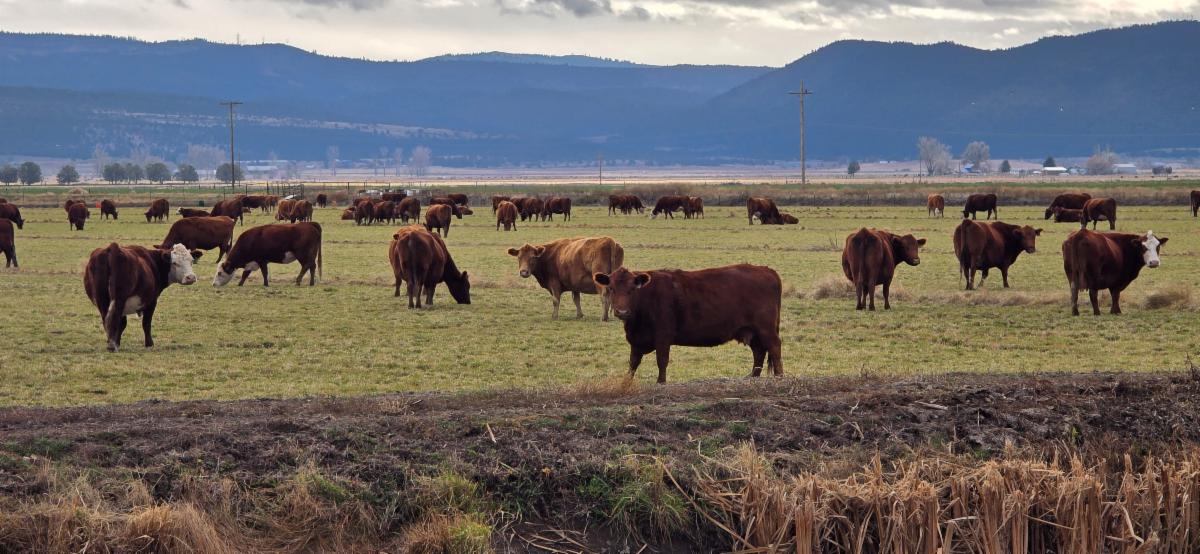
The Water Crisis: Dairies are uniquely vulnerable. You cannot "fallow" a cow. A milking herd needs a consistent, high-quality feed source 365 days a year. When the Klamath Project delivered zero-allocation years, it meant the water to grow that feed vanished. Farmers were forced to truck in expensive feed from out of state, instantly wiping out any profit.
-
The Regulatory Squeeze: The DeHoops operated under a "one-two punch" of state and federal regulations. Oregon's tightening CAFO (Concentrated Animal Feeding Operation) rules demanded complex and costly environmental upgrades. This stacked on top of the water scarcity issues, creating a vice: farmers were being squeezed for the water they used, the water they didn't have, and the water they discharged.
-
The Market Collapse: This was the final blow for many of our Klamath cattle producers. As the regulatory and water climate in the Basin grew hostile, the large-scale milk processors—the only buyers for this milk—began to pull out. With local processors gone, a farmer's only option was to pay to ship their perishable milk hundreds of miles over mountains to plants in the Willamette Valley. That transportation cost ate the last pennies of an already razor-thin margin, making the business itself fundamentally unviable.
The DeHoop family's story is the story of the American Dream, but it is also a critical warning. They built an empire of resilience, faith, and production, feeding a nation from the fertile soils of the Klamath Basin.
But when the systems that support our food producers—water infrastructure, fair markets, and common-sense regulations—are broken, even the most resilient families are forced to make an impossible choice. Their pivot from milk to hay wasn't a failure; it was a smart, adaptive business decision. But for the nation's food security, it represents a loss that is becoming all too common.
The DeHoops remind us: Agriculture isn't just farming—it's the economic foundation of the Klamath Basin, tying directly to food security and national security. One family's grit turned 26 cows into a multi-generational empire, flying flags high and faith higher—adapting through policy headwinds to keep the soil productive.
Subscribe to our newsletter for more tales of Basin resilience. #KlamathProud #AgLegacy #AmericanDream
| | |
| Would you like to read more about our Klamath area producers? | | | What's your family's Klamath story? We'd love to hear it and share! 🚜💪 | |
A Canal Headworks 2026 Fish Recovery Operations
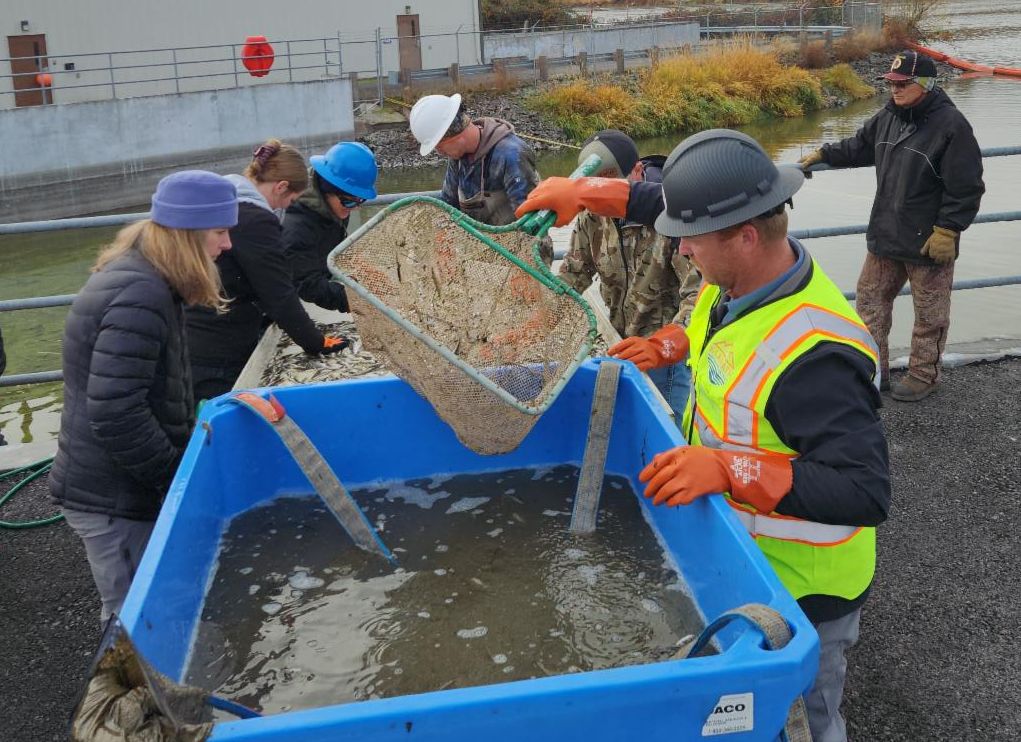
On November 18, an experienced multi-agency team led by Reclamation staff carried out the annual fish recovery operation in the forebay in front of the A Canal fish screens. Fish naturally move into the forebay in search of refuge, and before the fish screen introduction in 2002, they had access to over 200 miles of artificial habitat before making their way to Tule Lake National Wildlife Refuge.
Relocating the fish allows the Klamath Irrigation District to safely conduct essential fall and winter maintenance on the headworks. This year, the majority of fish rescued were tui chubs and yellow perch. The team filled about the usual number of transport totes and handled a large volume of biomass.
Quick note on the two most common fish we moved:
Tui chubs are native to Upper Klamath Lake and the surrounding basin.
Yellow perch are non-native (introduced many decades ago) and are now widespread in the lake.
The operation showcased outstanding collaboration among:
U.S. Bureau of Reclamation
U.S. Fish and Wildlife Klamath Falls Fish Hatchery
Klamath Irrigation District management and operations team
Henley High School Student Volunteers
A special thank-you to Klamath Tribes Chairman William Ray Jr. for being on site to observe the work of dozens of biologists, technicians, agency staff, and students who worked side-by-side from dawn to mid-afternoon to ensure every fish was carefully handled and released back to the lake.
Events like this remind us what’s possible when federal and state agencies, and local partners, have a shared vision and combine knowledge and effort to protect native fish while keeping the irrigation system ready for the next season.
| | | | | |