Honoring the Legacy of Native American Veterans
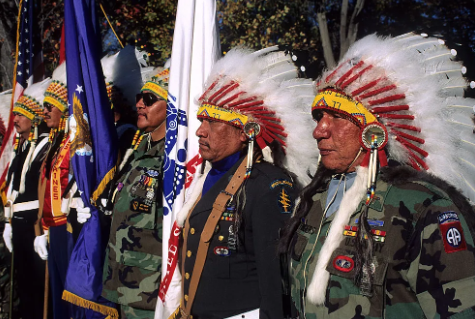
GlobalMindEd is proud to honor veterans during the first part of November, leading up to Veterans Day. In the second half of the month, we turn our focus to celebrating Native American leaders and recognizing their resilience, creativity, and enduring spirit. We are honored to share the stories of these trailblazers whose leadership continues to inspire and empower communities.
Native Americans have a long and proud history of military service, dating back to the Revolutionary War. Despite facing discrimination and prejudice throughout history, Native Americans have consistently answered the call to defend their country.
From World War I to present-day conflicts, Native Americans have fought valiantly in every major American war. Their participation is often underscored by cultural values of bravery, loyalty, and community. According to the U.S. Department of Defense, Native Americans enlist and serve at higher rates per capita than any other ethnic group in the United States. This reflects their commitment and dedication to the nation.
During World War II, the Navajo Code Talkers played a pivotal role in the Pacific Theater. Using their native language, they developed an unbreakable code that contributed significantly to the Allied victory. Their courage and ingenuity not only saved lives but also showcased the capability and resilience of Native American warriors. The bravery of these individuals has been honored through numerous memorials, including a dedicated monument in their honor at the National Museum of the American Indian.
Despite their service, many Native American veterans encounter significant challenges upon returning home. Issues such as inadequate access to healthcare, mental health services, and resources related to transitioning to civilian life are prevalent. Additionally, cultural and language barriers can impede access to benefits and support systems.
Many Native American veterans grapple with the intergenerational trauma associated with both military experiences and the historical traumas faced by their communities. The impact of these experiences can lead to higher rates of post-traumatic stress disorder (PTSD), substance abuse, and unemployment among Native veterans.
Efforts to support Native American veterans are growing, with organizations dedicated to addressing their unique needs. The National American Indian Veterans, Inc. (NAIV) plays a crucial role in advocating for Native veterans and raising awareness about the issues they face. Programs focused on healthcare, education, and housing have been developed to assist veterans in reintegrating into their communities.
Moreover, there is an increasing recognition of Native American veterans at both federal and state levels. Ceremonies during Veterans Day and other commemorative events often include tributes to Native American service members, emphasizing their sacrifices and acknowledging their service.
Native American veterans embody a rich legacy of honor and service that deserves recognition and support. As a nation, it is imperative to acknowledge the unique experiences of these brave individuals and ensure they have access to the resources they need after their military service. By honoring their contributions and addressing the challenges they face, we can truly celebrate the remarkable legacy of Native American veterans, setting an example for future generations.
|