Honoring the Past, Celebrating 250 Years of Freedom | |
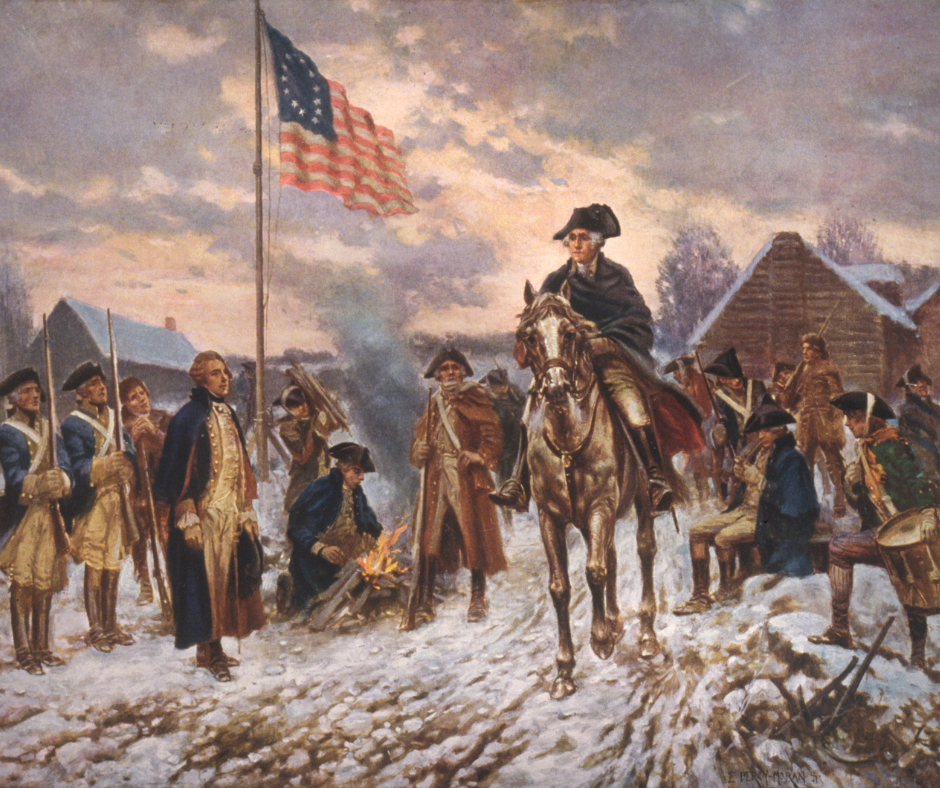
As Memorial Day approaches, we reflect with gratitude on the courageous Americans who made the ultimate sacrifice in service to our nation. Their sacrifice helped preserve the freedoms and enduring spirit of liberty that have defined the American story for nearly 250 years.
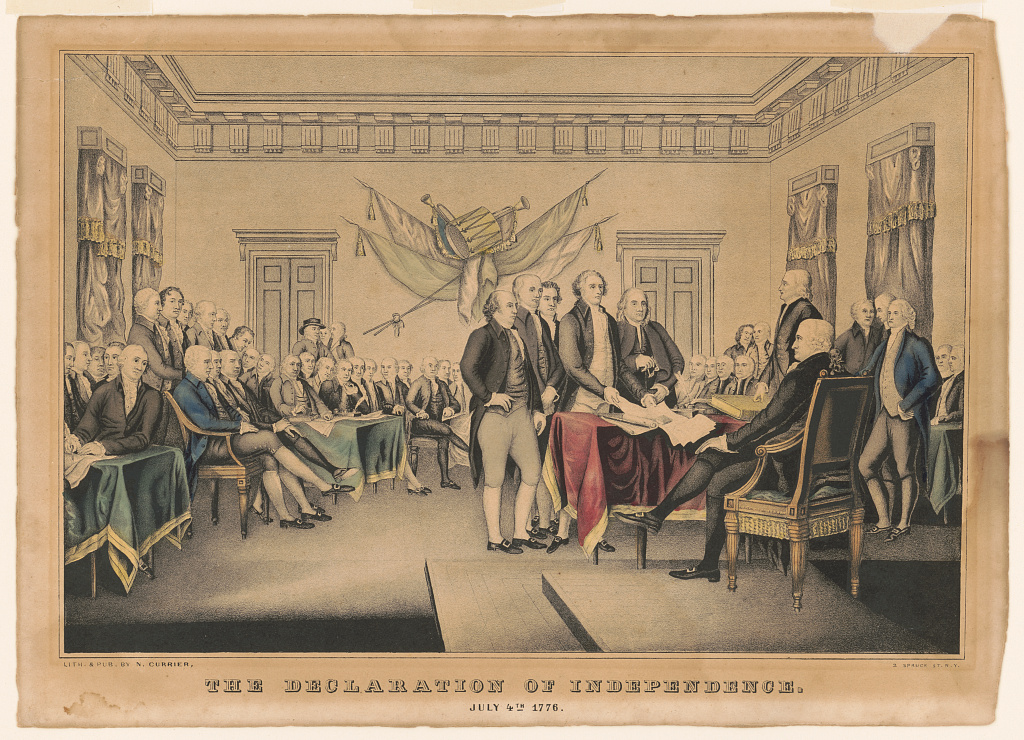
In less than two months, our nation will mark a momentous milestone: the 250th anniversary of the signing of the Declaration of Independence. As we prepare to commemorate this historic occasion, we honor not only the founding of our country but also the generations of Americans who have defended and preserved its ideals.
The West Virginia Chamber of Commerce is proud to recognize this milestone and what it represents for American business, innovation, opportunity and the spirit of enterprise.
| |
May 1776: The Colonies Begin Governing Themselves
In May 1776, the Second Continental Congress took a major step toward American independence by encouraging the colonies to create their own governments. On May 10, Congress passed a resolution stating that colonies without functioning governments should establish new ones based on the authority of “the people” rather than the British Crown. This marked a significant shift away from royal authority and toward self-governance.
| |
A Shift Away From Royal Authority
By this point, many colonial governments had already broken down in practice as royal governors lost control and local revolutionary assemblies took over. Congress’s resolution essentially formalized this reality, urging colonies to replace remaining royal structures and write new constitutions grounded in popular consent.
This decision did not yet declare independence, but it made clear that the colonies were moving decisively in that direction. It provided a legal and political framework for colonies to begin acting as sovereign states even before independence was formally declared.
| | In effect, Congress was acknowledging that political authority was no longer coming from Britain, but from the people living in the colonies themselves. |
The Beginning of State Governments
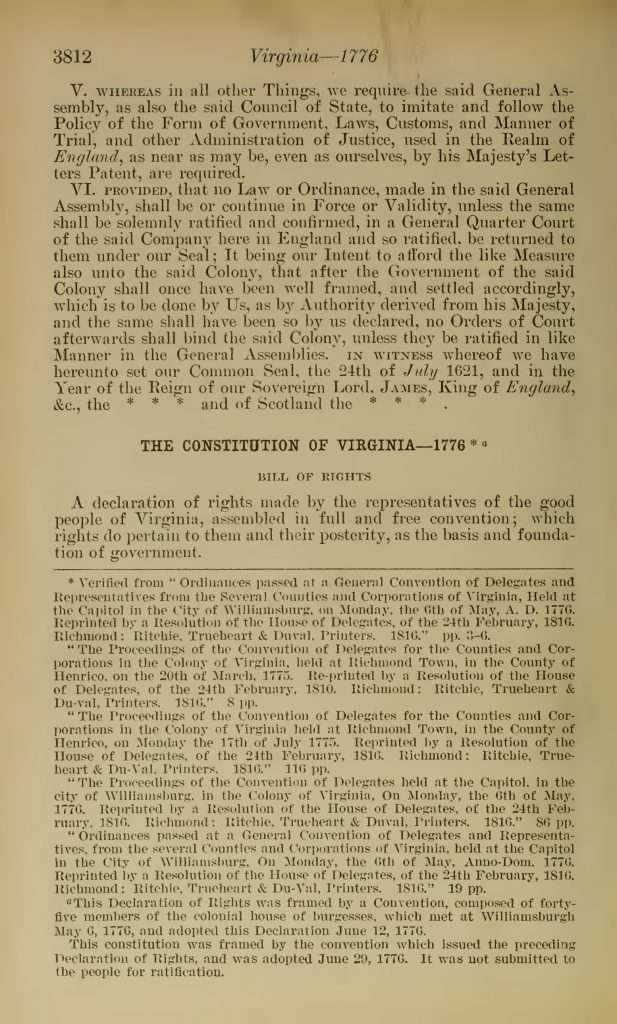
The resolution also set in motion one of the most important constitutional developments in American history: the creation of state governments. In the weeks that followed, several colonies began drafting new constitutions, with Virginia leading the way in June 1776. These early state constitutions became laboratories for ideas about republican government, including written constitutions, separation of powers and elected representation.
| |
Paving the Way for Independence
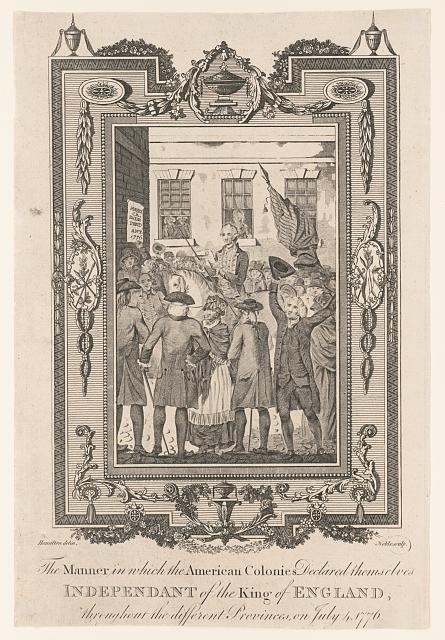
Together, these developments helped pave the way for the Declaration of Independence in July 1776. By the time independence was formally announced, the colonies had already begun the practical work of governing themselves. The May 1776 resolution was a key turning point in that transformation — from subjects of the British Crown to citizens of emerging independent states.
| | CELEBRATIONS IN WEST VIRGINIA | | | | |
America250 Celebration in the Capital City
This week, Governor Patrick Morrisey announced a major America250 celebration at the State Capitol Complex in Charleston taking place July 2–5. Planned activities include live music and entertainment, food vendors, historical exhibits, family activities, fireworks, a nightly Capitol light projection show and the “America 250 Wheel” — the world’s tallest portable Ferris wheel, standing 230 feet tall, with free rides offered throughout the celebration. Shuttle service will also be available between the Capitol Complex and the Charleston Sternwheel Regatta, taking place the same week in downtown Charleston.
| | |
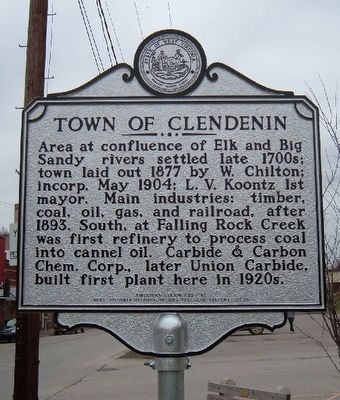
May 1 – Clendenin in Kanawha County, was first settled on May 1, 1788.
May 2 – On May 2, 1786, William Walter was granted 613 acres of land in Greenbrier County.
May 3 – On May 3, 1796, J. I. Benoist was granted 58,000 acres of land, including property in present-day Logan County and Mingo County.
May 4 – On May 4, 1786, William Arbuckle was granted 950 acres of land in Greenbrier County.
May 5 – Colonel Peter Jefferson was ordered to clear the western Virginia frontier of “barbarous murderers,” including portions of the Greenbrier Valley and the upper waters of the South Branch of the Potomac River.
| | |
May 6 – Explorer John Peter Salley reached the mouth of the Great Kanawha River on May 6, 1743.
May 7 – On May 7, 1798, the first court in Wheeling was held at the inn of John Gooding.
May 8 – On May 8, 1800, The United States government purchased the iron ore and the Friend’s ore bank near the Keep Triste Furnace near present-day Bakerton, Jefferson County, from General Henry Lee.
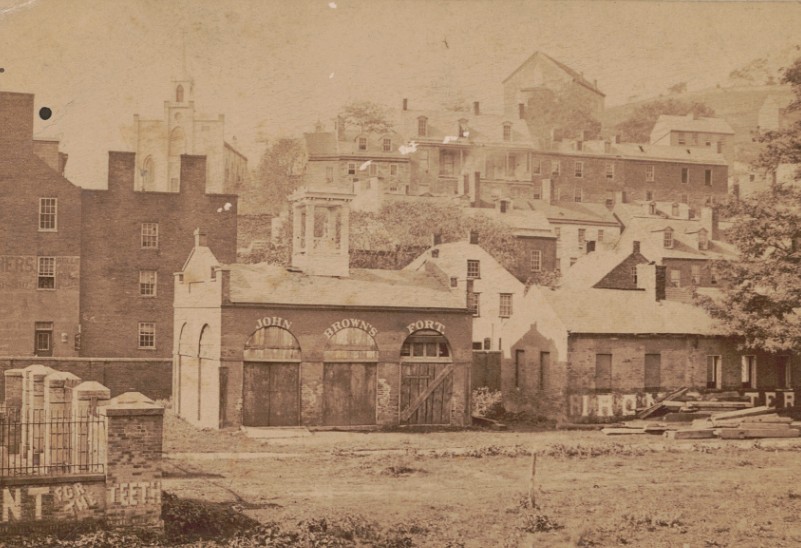
May 9 – John Brown was born in Connecticut on May 9, 1800.
May 10 – On May 10, 1742, William Vestal, John Traden, Richard Stevenson, and Daniel Burnet hired Thomas Mayberry to construct a bloomery forge for making iron on Vestal’s plantation on the Shenandoah River at present-day Bloomery, Jefferson County. This is possibly the earliest documented industry in present-day West Virginia.
May 11 – On May 11, 1742, James Smith and Jacob Ridgeway were granted 150,000 acres of land in Kanawha County.
| | |
May 12 – On May 12, 1756, George Washington ordered Lieutenant Colonel Henry Peyton to construct Fort Cox at the mouth of the Little Capon Creek in present-day Hampshire County.
May 13 – On May 13, 1791, the husband and daughter of Mary Kinnan were murdered by Shawnee warriors on the Tygart Valley River in Randolph County. Mary Kinnan lived in captivity of the Native Americans for 3 years.
May 14 – On May 14, 1776, The Committee of Safety of Virginia ordered five-hundred pounds of powder and five-hundred pounds of lead to be used by the District of West Augusta and Hampshire County.
May 15 – On May 15, 1756, George Washington ordered Captain Nicholas Minor to take command of Fort Cox in present-day Hampshire County. On the same day, Washington ordered Lieutenant Hedgman to be stationed at Fort Harness three miles south of Fort Buttermilk in present-day Hardy County.
May 16 – On May 16, 1756, George Washington ordered Captain Thomas Waggoner to take command of Fort Pleasant (also known as Fort VanMeter) at the Old Fields in present-day Hardy County. That same day, Washington ordered Captain William Woodford and a company of soldiers to march from Caroline County to the mouth of Sleepy Creek in present-day Morgan County to protect that region from attacks by Native American warriors. Fort Sleepy Creek was erected on this site later in the year.
| | |
May 17 – On May 17, 1756, George Washington ordered three officers and forty-five militia to be stationed at Fort Kuykendall about seven miles south of present-day Romney, Hampshire County. He also ordered Captain James Hamilton to replace Captain Nicholas Minor at the same site. On that same day, due to the threat of attack by Native Americans, Washington also ordered Colonel Henry Peyton to make his permanent headquarters at Fort Pearsall, where Hamilton had been stationed, west of present-day Romney, Hampshire County.
May 18 – On May 18, 1796, Richard Smith was granted 38,577 acres of land, including property in present-day Logan County and Mingo County.
May 19 – On May 19, 1772, the first Berkeley County Court met at the house of Edward Beeson.
May 20 – On May 20, 1786, George Jackson was given permission to run a ferry across the Elk River, Harrison County, and to charge 4 pence for man and horse or 2 pence for man or horse.
May 21 – On May 21, 1799, The Monroe County government was organized at the house of George King, near Union.
May 22 – On May 22, 1781, Colonel Elias Poston sent an urgent plea to Frederick County to send 300 men to protect Hampshire County citizens whose lives were threatened by Loyalists.
May 23 – Bishop Francis Asbury preached at the Rehoboth Church in Monroe County on May 23, 1796.
| |
May 24 – On May 24, 1775, Thomas Bullitt headed a team which surveyed his land claims in present-day Charleston.
May 25 – On May 25, 1802, John Cabell was granted 1240 acres of land in Monroe County.
May 26 – On May 26, 1748, Thomas Lord Fairfax conveyed 400 acres near present-day Capon Bridge, Hampshire County, to Joseph Edwards on which he later erected Fort Edwards.
May 27 – On May 27, 1787, the Randolph County government was organized at the house of Benjamin Wilson in Beverly.
May 28 – On May 28, 1792, Dr. Robert McSherry was born in Berkeley County on the farm called “Retirement” near Leetown.
May 29 – On May 29, 1778, Following a brief retreat after the attack on Fort Randolph in Point Pleasant, Mason County, Native American warriors attacked Fort Donnally in present Greenbrier County. Militiamen John Pryor and Philip Hammond, disguised as Native Americans, travelled from Fort Randolph to Fort Donnally, notifying residents of the impending attack. At one point, Hammond and Dick Pointer, one of Colonel Donnally’s slaves, allegedly held off the attackers by themselves. Troops from Camp Union commanded by Matthew Arbuckle and Samuel Lewis ended the attack the following day.
May 30 – On May 30, 1760, Thomas Lord Fairfax conveyed 467 acres “on the drains of Evans Great Spring” in present-day Martinsburg, Berkeley County, to John Evans.
May 31 – Virginia Governor John Blair sent a message to the House of Burgesses on May 31, 1768, acknowledging that settlers were on lands near Redstone Creek and Cheat River which were considered property of the Native Americans.
| | | | |