|
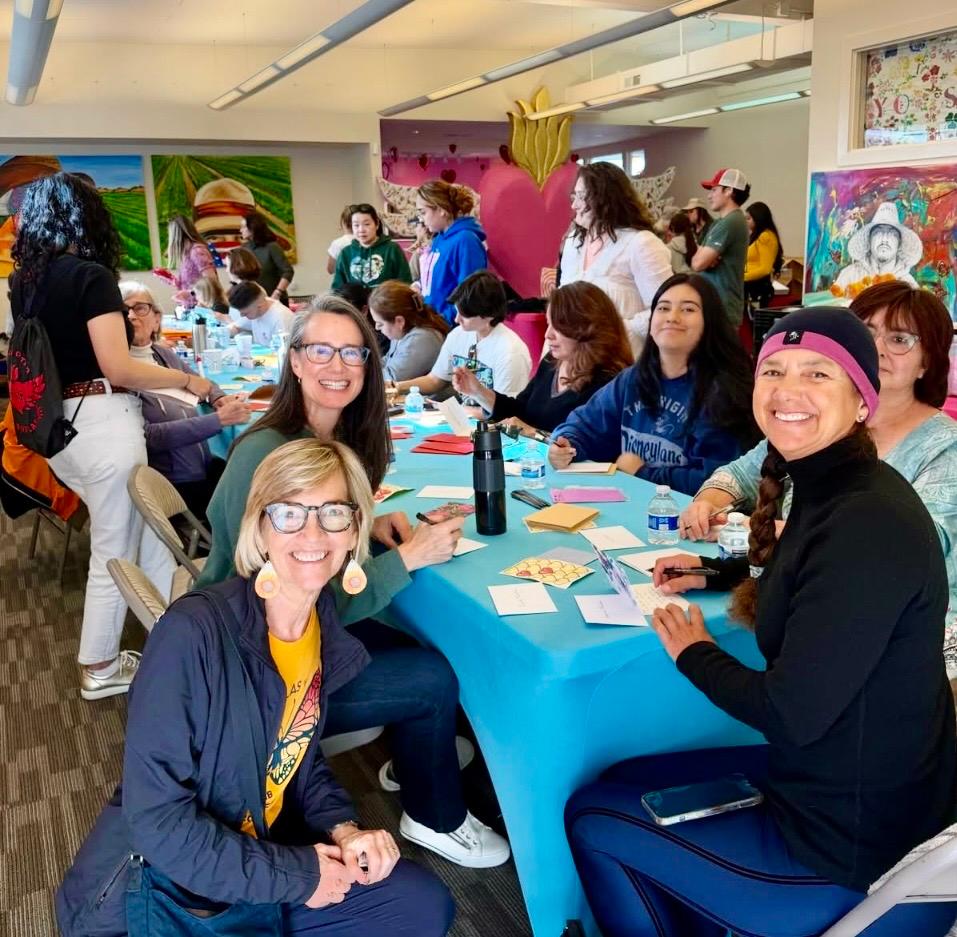
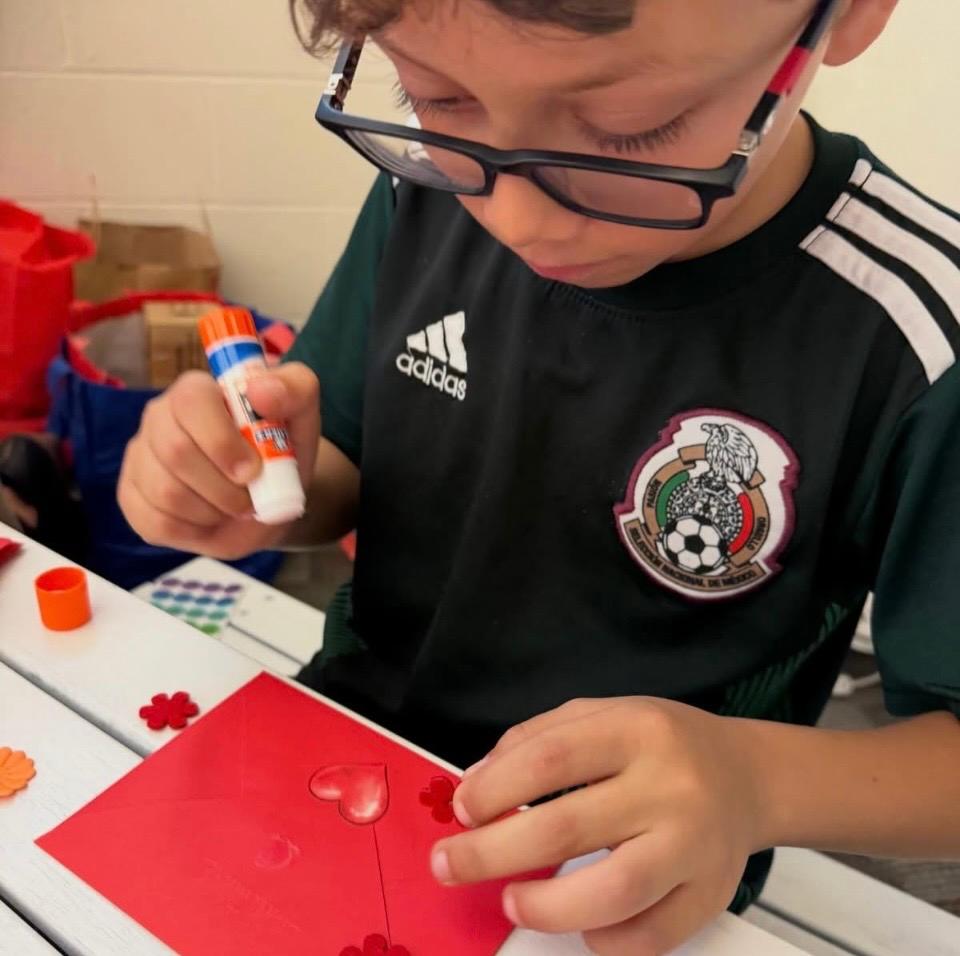
Lilli and the volunteers packed up the cards and care packages, and then shopped for food and other necessities as soon as they landed.
The volunteers distributed food and prepared supplies for residents who, they were told, were afraid to leave their homes out of fear of immigration enforcement actions. Several people they met said they were not safe to attend work, and many families are keeping children home from school, relying instead on remote learning.
On neighborhood sidewalks, residents walked dogs with whistles in hand and passports tucked into pockets. They carried cellphones and chargers, they explained, so they could contact relatives or lawyers if stopped by authorities.
The delegation also encountered signs of recent violence. Makeshift memorials mark the deaths of Renee Good, who was killed on January 7, and Alex Pretti, who died on January 24. Each evening, community members gather for candlelight vigils and musical performances, filling the winter air with hymns and songs of hope.
Less than a mile away, the volunteers visited the community-driven memorial to George Floyd, whose killing in 2020 drew global attention to police brutality. The site, still tended daily by residents, remains a focal point for reflection.
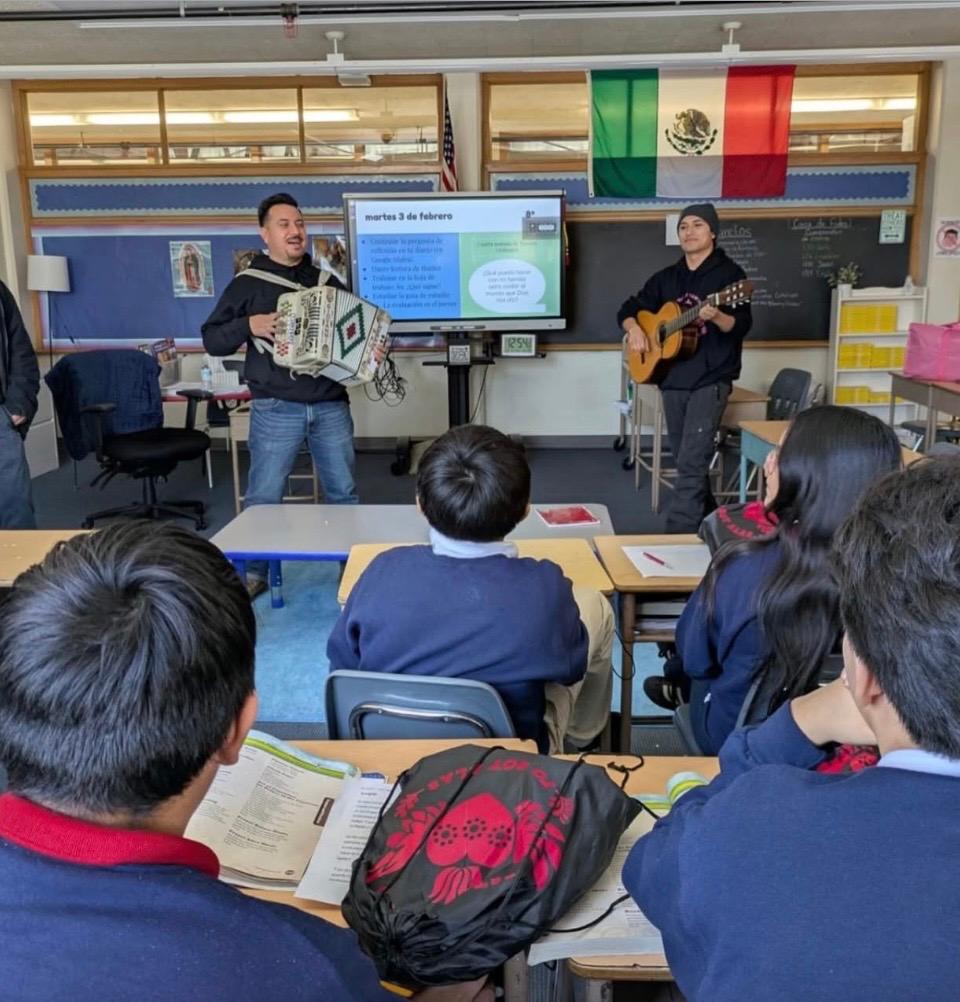
At a large local public high school, the group met with the School Success Liaison who brought together teachers during their lunch hour to discuss what day to day life is like for all of them. They described the Jan. 8 confrontation involving agents from U.S. Border Patrol and Immigration and Customs Enforcement. According to the teacher’s account, force was used during the incident, and students and staff were exposed to tear gas or pepper spray. Most of the Latino students are attending their classes on zoom for their safety, while the stressed out teachers are struggling to keep some level of normalcy for their students.
During a visit to a nearby elementary school, the volunteers said they witnessed a helicopter hovering overhead, which they were told carried ICE personnel. Two agents were visible across the street. School officials quickly instructed children on the playground to return inside. As the announcement was made, the Black students formed a ring around the few Latino classmates in school that day, creating a protective shield and escorted them back into the building.
Dr. Belinda Hernandez-Arriaga, Director of ALAS and professor at USF, and one of the volunteers, promised, “We will continue supporting these schools and families with crisis relief, virtual counseling for teachers and delegations…you (Minneapolis) are not alone.”
|