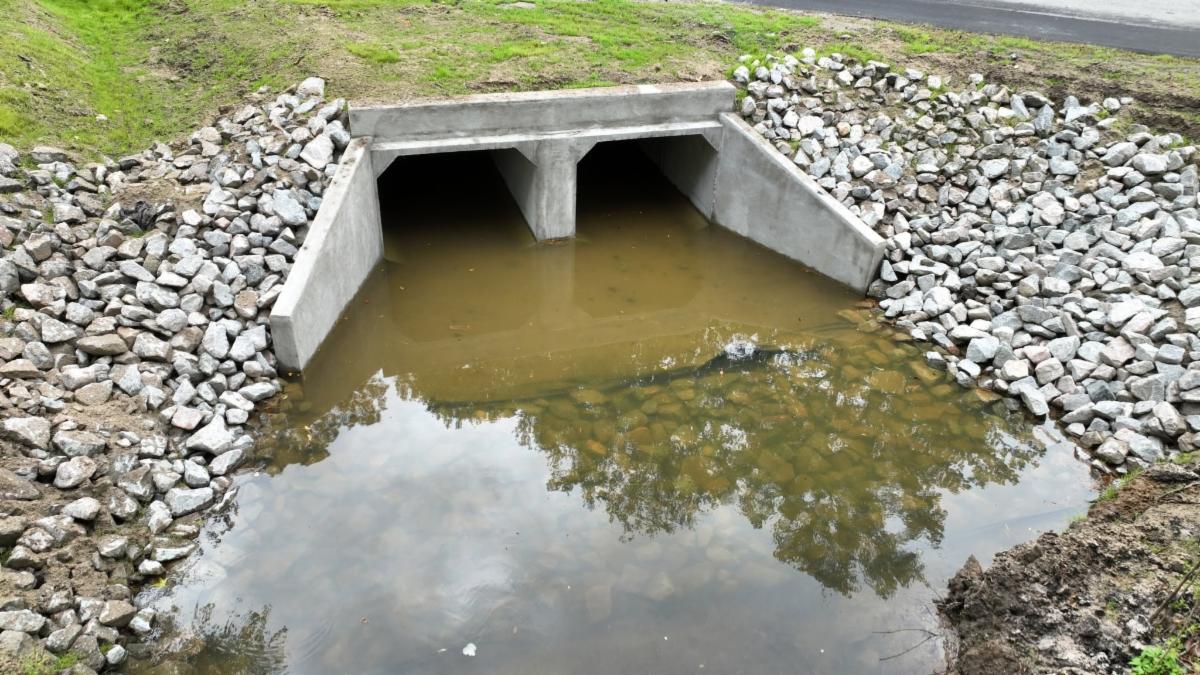
A stormwater culvert pipe overlayed with the Horry County Stormwater logo and newsletter name, Pipeline.

Fall 2026

Stormwater's quarterly newsletter providing educational materials and seasonal reminders related to stormwater systems. Together we can protect water quality, reduce pollution, and keep our neighborhoods resilient.

Find more information at https://www.horrycountysc.gov/departments/stormwater/

Only Rain in the Drain

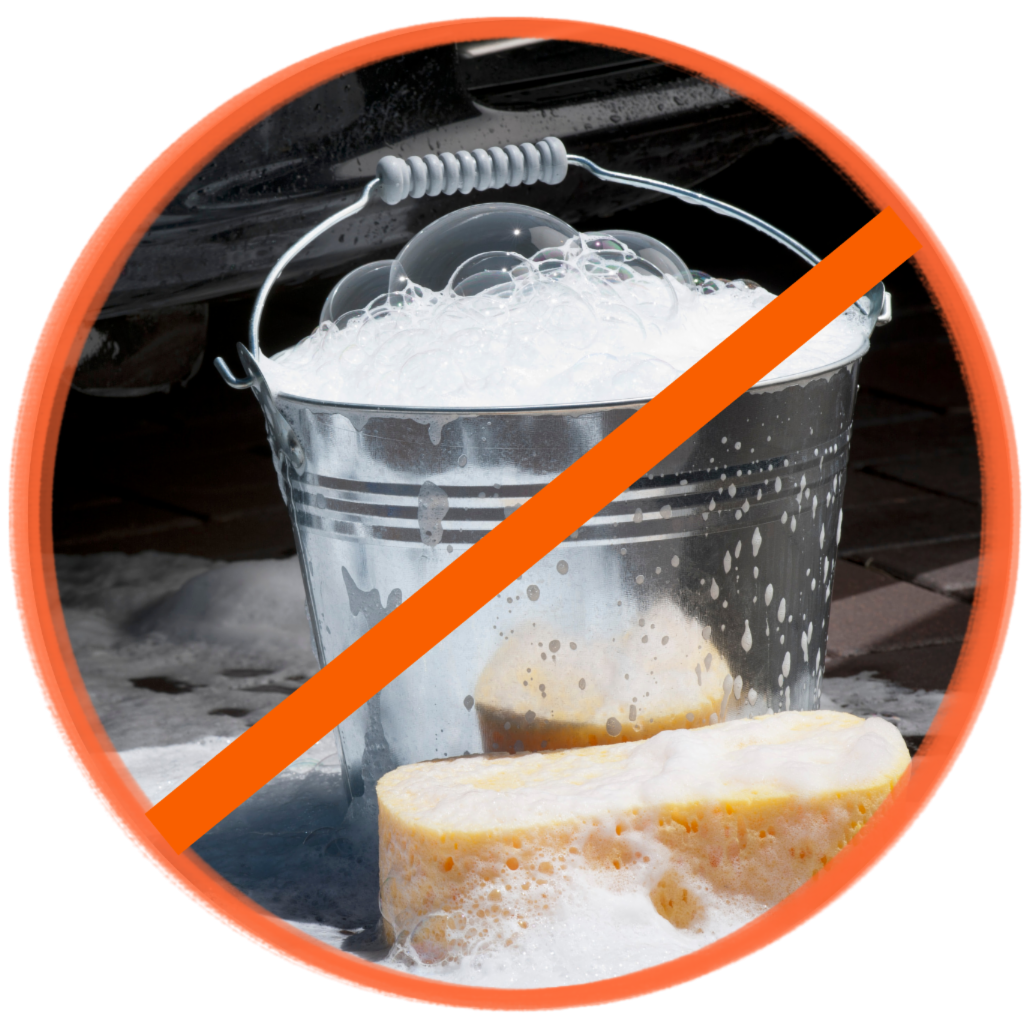
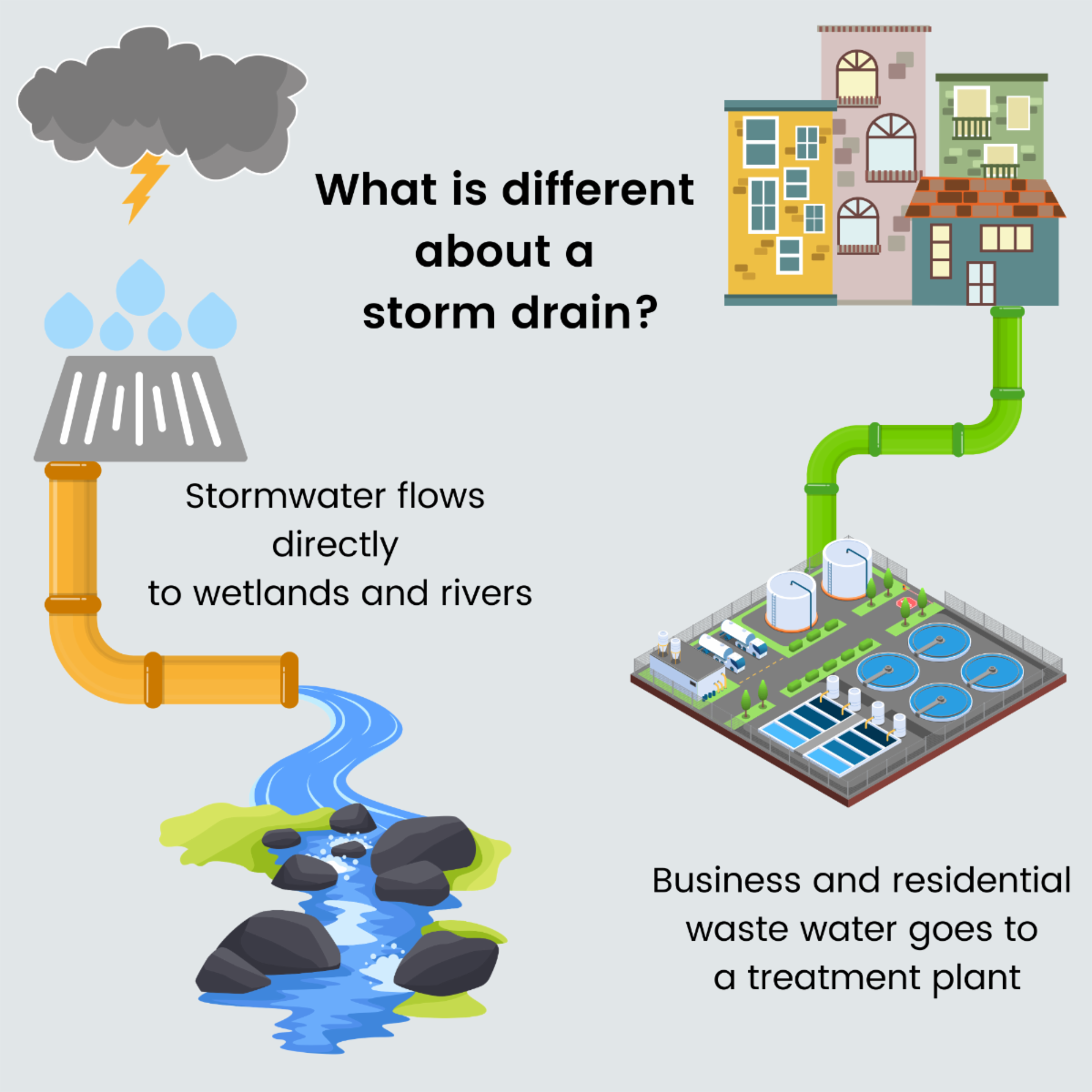
When you wash your car at home, that soapy water and everything it picks up from your vehicle: oil, grease, brake linings and rust can run into storm drains. Unlike wastewater that goes through a treatment system, stormwater often flows directly into local waterways.

In addition to what comes off your vehile what you clean it with effects our stormwater systems. All detergents contain a surfactant so that the cleaner rinses off easily with water. Surfactants are dangerous for fish populations, they can cause severe damage to their gills and will kill fish eggs. Detergents that contain phosphates promote excessive plant growth in the system and causes algae blooms in waterways.


Keeping sufactants and other contaminates out of storm drains is a simple way to protect our natural resources. One option is to use a comercial car wash where the water is recycled and eventually goes through a treatment system. If that isn't an option and you need to wash your vehicle at home, here are some storm drain friendly tips.


  • Choose soaps, cleaners or detergents labeled phosphate-free and biodegradable.


  • If possible wash your car on gravel or grassy areas where runoff doesn’t flow to the street . If you must use a driveway prepare by sweeping off leaves and trash to prevent them being carried to the storm drain.


  • Control water volume by using a spray nozzle.


  • If your wash area is paved and slopes toward the street, try to divert run-off to a lawn.
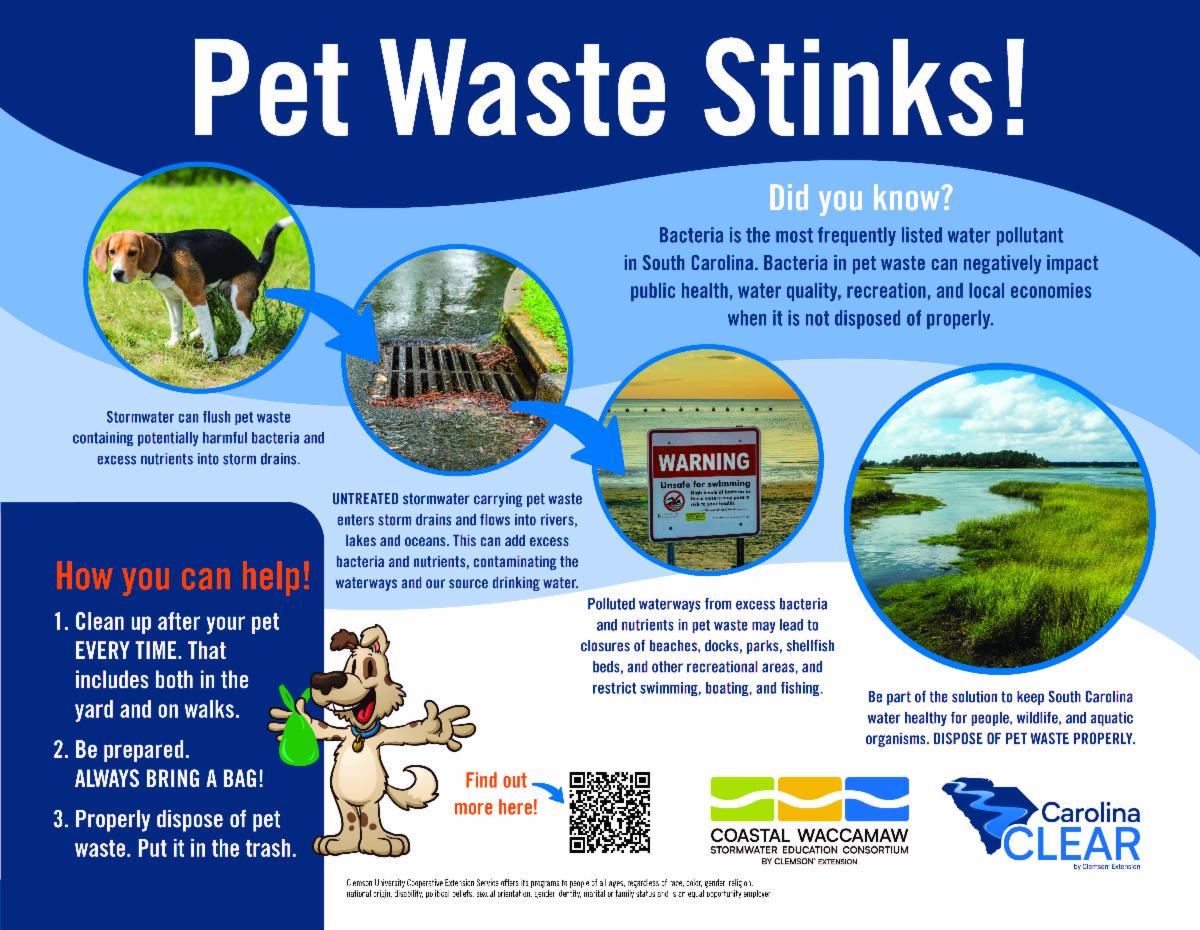
An infographic showing that stormwater drians directly to wetlands and rivers while home and business waste water goes to a treatment plant.

Oysters for Coastal Conservation

Horry County expands efforts to use oyster shells for coastal conservation.

The Manufactured Wire Reef project, launched in the Garden City marsh in 2024, has been so successful it has grown into a new countywide initiative that focuses on a way to create a dependable supply of oyster shell for future reef restoration, shoreline stabilization and water-quality projects.


Horry County has developed a shell-recycling system that turns a common restaurant waste product into a valuable resource for coastal restoration. By partnering with local restaurants, the county collects oyster shells and properly recycles them for use as fill in manufactured wire reefs and other restoration projects.


Collection of the shell began in July 2026 with Boardwalk Billy’s as the first official partner. The Tail Gate Oyster Bar quickly joined in the recycling effort, while two other local restaurants have expressed interest in the program. The county hopes that many more will commit to the reef - resturant - reef model.


Residents can show their support for the program by choosing restaurants that display the Proud Partner logo. Every meal featuring oysters at a participating restaurant can help return that shell to the coastal environment rather than sending it to a landfill.


Once shell is placed in a landfill, it is permanently removed from it's natural environment. When it is recycled, the shell is kept in the coastal restoration cycle. Horry County is building a sustainable resource for future restoration projects while giving local businesses and residents a direct way to contribute to the health of our waterways.


Those interested in joining the program can go to https://www.horrycountysc.gov/departments/stormwater/ to request more information.

Logo for Boardwalk Billy's Raw Bar and Ribs.
Logo for Quick and Hicks Tailgate Oyster Bar and Grill.

Thank you to our partners

Stormwater Improvements

An aerial view of stormwater projects designed to improve drainage and reduce flooding concerns in the Longs area.
tormwater projects designed to improve drainage and reduce flooding concerns in the Longs area

Three stormwater projects designed to improve drainage and reduce flooding concerns in the Longs area are now complete. Over the past month, contractors finalized drainage upgrades on Snowberry Drive, Jones Road and along SC Hwy 9.


On Snowberry Drive, located in the 57th Place subdivision off Highway 57, crews installed two 10-foot by 4-foot box culverts.


On Jones Road, just off Highway 90, contractors replaced three 36-inch drainage pipes beneath the roadway with two box culverts measuring 6 feet wide by 5 feet tall.


Substantial completion has also been reached on a roughly $3 million drainage improvement project along SC Highway 9 near the Highway 57 intersection. The project included the installation of dual relief culverts alongside the existing dual 6-foot by 6-foot box culverts, increasing drainage capacity and improving stormwater flow in the area.


All three of these projects were funded through a South Carolina Rural Infrastructure Authority (RIA) grant awarded to Horry County Stormwater.


Preliminary utility relocation work is currently underway for our next project located on McCormick Rd. in Socastee. The primary construction phase is scheduled to begin in October 2026. This project includes the installation of three 10-foot by 5-foot box culverts to increase drainage capacity at the McCormick Road crossing of Socastee Creek.


A $800,000 grant from South Carolina Office of Resilience and one million dollars from South Carolina Department of Environmental Services earmarked for Socastee Creek flood mitigation are funding this stormwater improvement.


Homeowner Tips

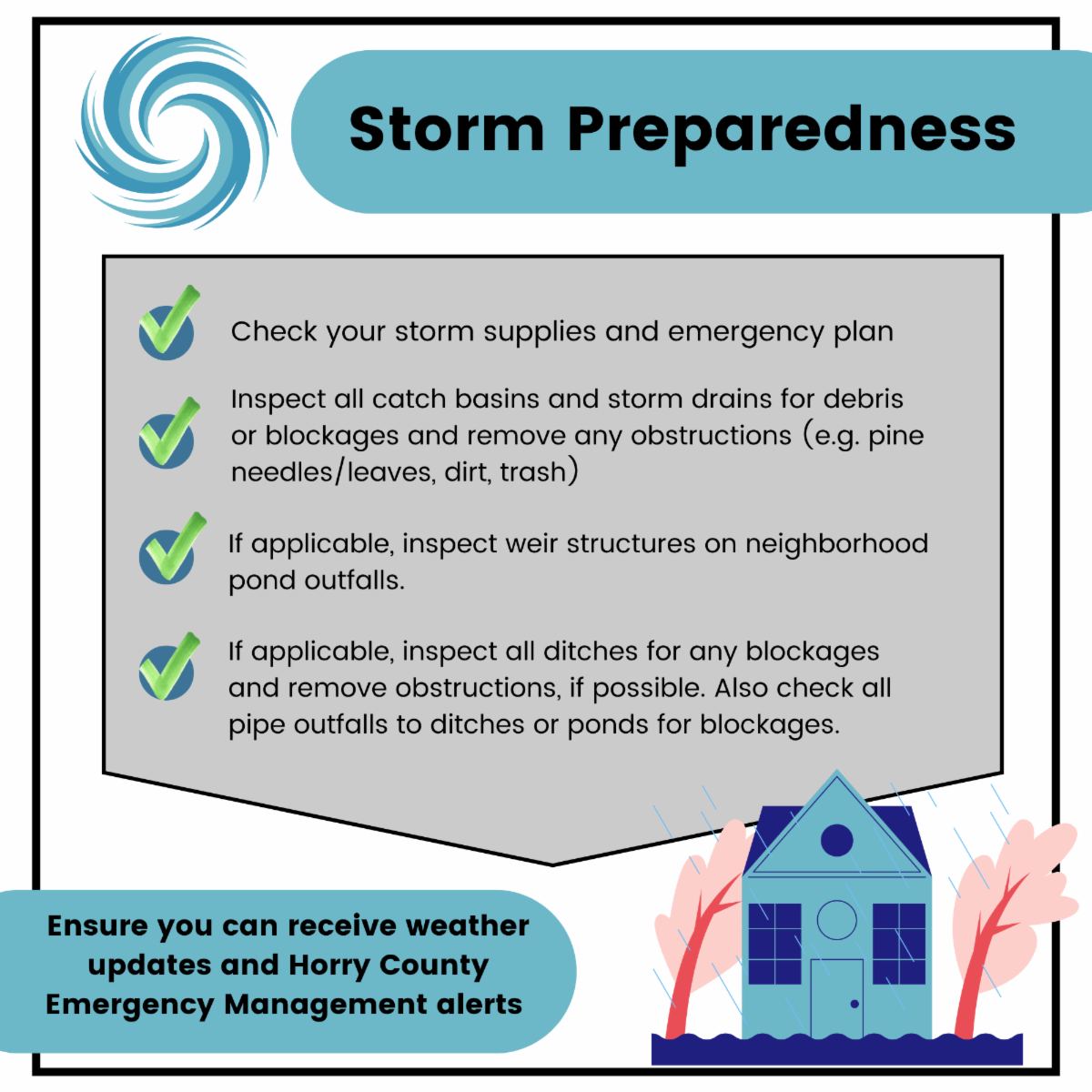
An inforgraphic reminding people to be prepared for storms by having emergency supplies and inspecting stormwater systems to ensure they will work properly.

A part of the Stormwater mission is education and outreach within our community. Stormwater can assist residents with understanding how their stormwater systems work and how to ensure you are ready before a storm.


You can request a workshop for yourself or your HOA using this link -  https://onbaseweb.horrycounty.org/appnet_16/UnityForm.aspx?key=UFKey


Each workshop offers expert advice on maintaining retention ponds, swales, and storm drains, along with how to reduce pollution and flooding in their neighborhoods. The program offers site visits, and technical assistance from local, state, or university extension experts.

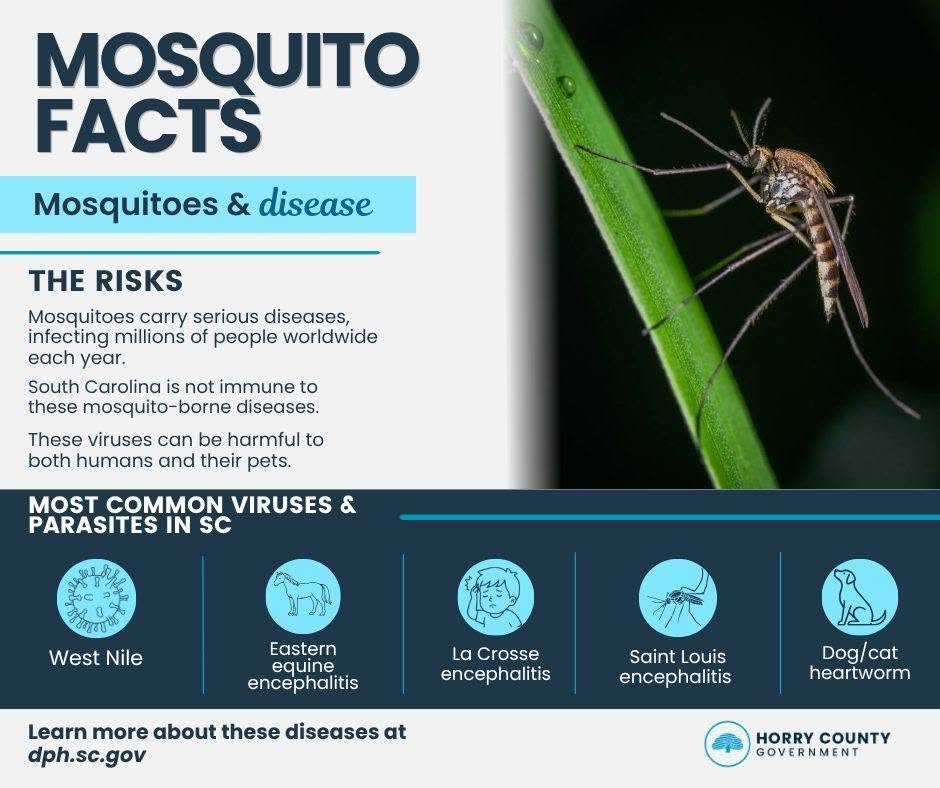
A flyer discussing the risk of mosquitos spreading disease.

High heat and humidity can spike the mosquito population and heavy summer rains or tropical storms leave behind standing water that creates a perfect mosquito breeding ground.


Mosquitoes carry serious diseases, that’s why it’s important to take steps to protect yourself, your family, and your community. Everyone plays a role in mosquito control. There are several simple steps YOU can take around your home to eliminate breeding grounds and limit the presence of mosquitoes.


TIP #1 – TIP IT. Standing water in kiddie pools, flowerpots, buckets and anything else that collects rain can become a breeding ground. Remove standing water from buckets, toys, flower pots, birdbaths & old tires every few days.


TIP #2 – TOSS IT. Old tires, bottle caps or trash can collect water—get rid of it!


TIP #3 – COVER IT. Keep pools, garbage cans, barrels, tanks and all containers sealed with lids or mesh.


TIP #4 – CLEAR IT. Remove leaves and debris from gutters to prevent water from pooling.


TIP #5 – REAPIR IT. Keep the mosquitoes out by repairing or replacing broken screens on windows and doors.


TIP #6 – USE OUTDOOR FANS. Mosquitoes are weak fliers. A simple fan on your porch or patio can help keep them away.


TIP #7 – DRESS SMART. Wear long sleeves and pants, especially at dawn and dusk when mosquitoes are most active.


Thank you for doing your part to fight mosquitoes.


HOAs and residents can get expert advice on maintaining retention ponds, swales, and storm drains, along with tips on how to reduce pollution and flooding in their neighborhoods. You can request a workshop for your HOA using the  HOA registration form

To report a drainage or water quality problem, please call the hotline: 843-381-8000.

Facebook    X    Instagram

Horry County Government | 1301 Second Avenue | Conway, SC 29526 US