The Infrastructure BC Needs to Accommodate Growth

BC’s population is growing rapidly through changes to national immigration policy. Close to 1,000,000 new residents are expected to settle in British Columbia by 2032. As local governments develop communities to accommodate growth, capital plans need to be accelerated to ensure that newly constructed homes are provided with critical services and amenities. Local governments are not undertaking this work in isolation, and need to take into factors like climate change and the increasing prevalence and intensity of extreme weather events.

Population Growth & Housing panel highlights need for coordinated national data

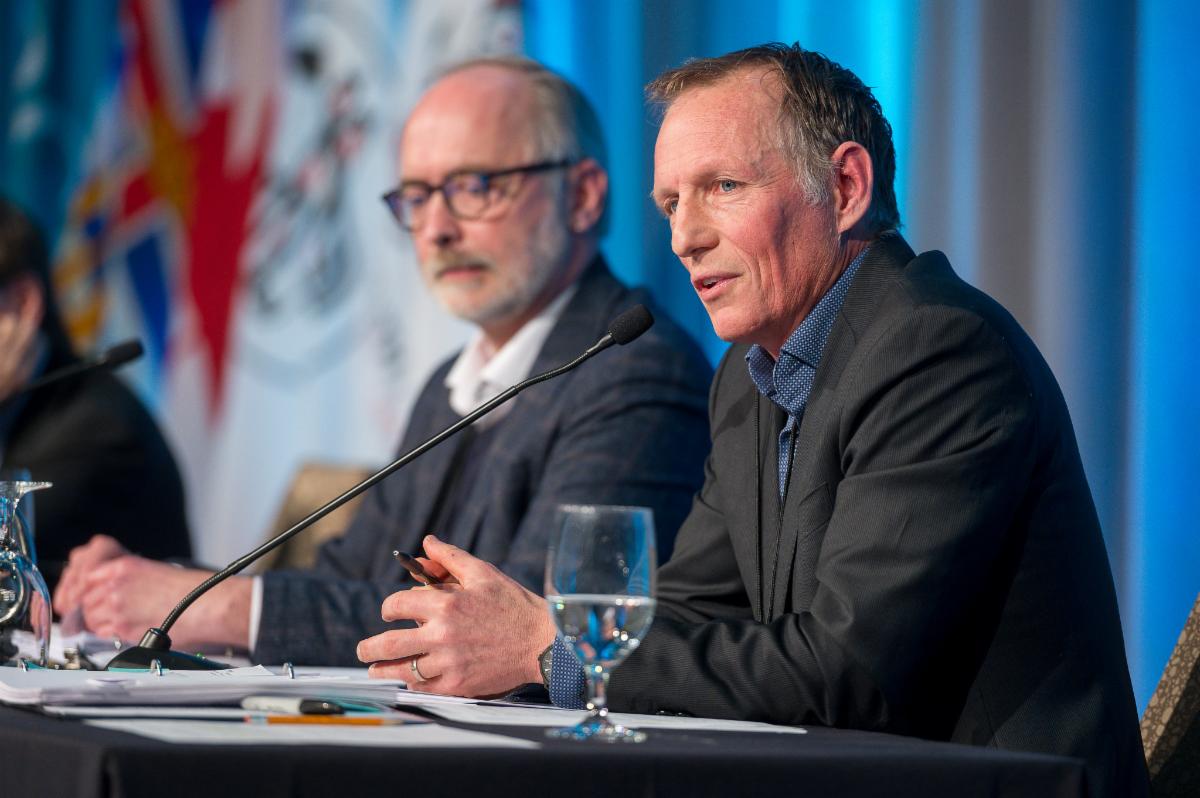
Record-breaking population growth in BC has led to data projections that forecast a significant need for more housing—beyond what is already needed for existing residents. A panel of experts discussed where the data is pointing local government planning, and what the long term needs are.

Read More

A conversation about housing with federal Housing Minister Sean Fraser

UBCM President Trish Mandewo facilitated an interesting discussion with Minister Sean Fraser. Here’s one highlight:


Q: Would you consider working more closely with your colleague, the Minister of Immigration, to ensure that sufficient housing can be built in line with Canada's immigration targets?


A: One of the principles that came out of the Strategic Immigration Review Report was that we should be aligning housing output with immigration levels across the country. It can become a bit of a challenge, because although you can have a serious amount of influence over the immigration levels nationally, once people arrive in Canada, they're free to move to which part of Canada they want to live. So we can try to mirror the levels of housing, productivity and immigration nationally, we can't do it in isolation of local communities. I'm actually confident when I look at the permanent residency levels that we can create the housing output to accommodate a number of people who are coming to Canada permanently. 


But we have a unique challenges when it comes to our temporary programs. Permanent residency levels are set annually by the federal government, … but temporary programs are driven by demand, not by a government decision. This is where I think we need to implement reforms. It’s going to take a little bit of time for the to see those numbers gel, given how difficult it is to ramp up housing starts and how other factors are at play, including interest rates. 


But to your question, yes, we can work together to align those numbers. And we must and in fact, we have started in that exercise in recent months.

Development finance has left gaps for affordable housing


A panel of planners and a representative from the Ministry of Housing gathered at the Housing Summit 2024 to discuss development finance changes stemming from legislation passed in the fall. Bill 46 specifically changes the framework for development and amenity charges, but is in context of several other housing-related bills that shift the way local governments plan for housing.

Read More

Recent Housing Legislation and the Law

Three local government lawyers took a deep dive into Bills 44, 46 and 47 in the Recent Housing Legislation to provide greater clarity and answer questions around new local government obligations with respect to small scale multi-unit housing, new amenity contribution agreements (ACCs) and transit-oriented development.

Read More

Presentations from the Summit are available on the Housing Summit 2024 program page.


Facebook  LinkedIn  X