New research supports the idea that parents can help young children academically and socially though guided play. 

Quotable & Notable

"For home-based child care providers, the living situation is inseparable from the work, and when one suffers, the other does too. That tricky dynamic, while not new, has gotten more tenuous in recent years — particularly since the pandemic, with home prices skyrocketing, interest rates increasing and rental home prices inflating… It’s not just the cost of renting and buying homes that creates challenges either. In-home child care providers face a host of hurdles when it comes to housing, from resistance from landlords and homeowners associations (HOAs) to onerous licensing requirements and regulations. Together, those barriers are forcing would-be or once-were caregivers out of the sector, which serves millions of children across the country. This is leaving a workforce that is overwhelmingly made up of women and is disproportionately people of color without livelihoods and reducing the already-scarce child care supply in the process." 

Who:

Emily Tate Sullivan, reporting for EdSurge


Where:  

“Housing Is a Nightmare for Home-Based Child Care Providers” published by EdSurge

Fact of the Week


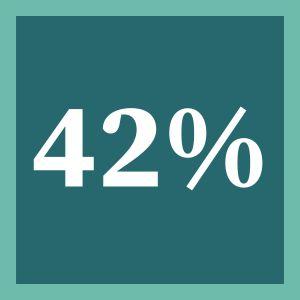
Four in ten (42%) home-based child care providers report worrying that they will not be able to make their rent or mortgage payments, according to the RAPID project at Stanford University. EdSurge describes this challenge and others faced by home providers, where housing costs and rules affect not just their housing situation but their work one as well. 

Policy Radar

Federal

A new rule proposed by the Biden administration would lower the cost of child care for families with low incomes as well as introduce more financial stability for child care providers. To address the “doom spiral of unaffordable child care,” as aptly called by Time Magazine, Biden used his presidential power via a series of executive orders this past spring, calling on federal agencies to lower the cost of child care. The rule recently proposed would require states – through their CCDBG-funded programs serving subsidized families – to cap family copayments at 7 percent of their income. It would encourage, but not require, states to waive copayments for families at or below 150% of the federal poverty level. Some states already cap or waive copayments; this rule would make it required for all states. The Biden administration is also considering a requirement that states pay child care providers based on child enrollment, not attendance – the latter of which is more volatile and makes it difficult to financially plan for. The rule has to go through a public comment period with the goal of publishing it in the spring of 2024. 


New legislation called the PUMP Act and Pregnant Workers Fairness Acts (PWFA) are providing workplace protections to parents. The PUMP act requires that employers allow for reasonable accommodations (both time and space) for nursing mothers to pump for an entire year following a child’s birth. PWFA also requires that covered employers provide reasonable accommodations to pregnant workers. Forbes notes that these acts are the most groundbreaking protections for working parents in the United States since FMLA was passed in 1993.  

Events & Happenings

The Institute for Research on Poverty at the University of Wisconsin-Madison is hosting a webinar called Improving How Poverty Is Measured: A Recommendation to Better Reflect Households’ Basic Needs on Wednesday, July 26. 

Beyond the Buckeye State

Nearly $100 million in funding is flowing to Detroit schools for reading instruction and literacy support. The money is part of a lawsuit settlement; Chalkbeat explains the case here.


Minnesota is putting $750 million in new funds toward early childhood programs as well as streamlining oversight of state programs through the creation of a new state agency. (Ohio just moved to create a similar agency, the Department of Children and Youth, to oversee early childhood related programs that previously were split among various agencies.) 

What We're Reading

The latest article in Cleveland.com’s Rethinking Child Care series takes an in-depth look at one Ohio family’s decades-old home child care business. It highlights the challenges facing home child care providers, particularly with respect to caregiver wages and insufficient state reimbursement rates, as well as the rare traits needed to be successful in the industry – business acumen, a passion for children, and flexibility. 

Research Round-Up

A study published in the Developmental Psychology journal found that quality early child care and education experiences – particularly defined by teacher/caregiver responsiveness and cognitive stimulation – may be linked to children’s later achievement in STEM (science, technology, engineering, math). Researchers analyzed data from over 1,000 families, conducting observations in child care and preschool settings at five time points when the children were between 6 months and four-and-a-half years old. The purpose of the observations was to gauge the level of supportive environment provided – including caregivers’ responsiveness to children’s interests and emotional needs – and to measure the level of cognitive stimulation provided (e.g., use of probing questions, rich language, etc.). Researchers then tracked how the children performed in STEM in elementary grades (three through five) as well as again at high school. Their analyses altogether suggested that “higher quality cognitive stimulation [from birth to age five] was a stronger predictor of high school STEM achievement and school performance for children from low-income families compared to their higher income peers.” According to the lead study author, the results highlight “the importance of children’s social emotional development and settings that support cognitive and social emotional skills.” 

This edition written by: Jamie O'Leary and Janelle Williamson

• • • • • • •

If you like this newsletter, forward to a friend! Subscribe here.

• • • • • • •

crane.osu.edu

Twitter  Linkedin