Translate this email into your language / Traduzca este correo a su idioma / 将此邮件翻译成您的语言

 
In The Field
with CID Bio-Science & Felix Instruments

A monthly round-up of published research papers featuring
CID Bio-Science and Felix Instruments measurement tools.
 
 
What's in this month's edition?

1. ML-Powered Spectrophotometer Classifies Tomatoes by Lycopene Content

2. Canopy Density Predicts Yield in HLB-Affected Sweet Orange Trees

3. Potassium and Nitrogen Boost Cotton Performance and Efficiency

4. Selenium-Chitosan Inhibits Yellowing in Fresh-Cut Broccoli

5. Air Pollution Alters Allergen Content in Betula Pendula Pollen


Want to be included in next month's edition?

We want to share your research! If you have done a study using one of our instruments, let us know, and we will share it!


Please send your info and research to strimble@cid-inc.com or simply reply to this email!


Submitted by Arun Sharma

Machine Learning-Driven Portable Vis-SWNIR Spectrophotometer for Non-Destructive Classification of Raw Tomatoes Based on Lycopene Content. 


To bridge the gap between scientific models for spectra-based prediction of fruit quality and their application in the commercial manufacture of tools, scientists have published their findings to classify tomatoes based on lycopene content using short-wave near-infrared (SWNIR) spectrophotometers.


They used open-source hardware (410–940 nanometre nm) and software (R platform) and found that tomato lycopene content negatively correlated with 485, 560, and 585 nm and positively with 760 nm. Feature selection was based on analysis of variance and 14 wavelengths for model development. Machine-learning chemometrics frameworks such as Linear Discriminant Analysis (LDA), Artificial Neural Networks (ANN), Random Forest (RA), Support Vector Machine (SVM), and logistic regression were used for model development and validated by an 80-20% train-test data split.


ANN models with an accuracy of 95% were better at identifying lycopene than logistic regression RF models with 80%, and LDA and SVM with 90% accuracy.


Along with this research, Arun sent us a video of his presentation, and it's worth a watch! Check it out here.


Click here to read the full paper | F-750 Produce Quality Meter


Canopy Density, but Not Bacterial Titers, Predicts Fruit Yield in Huanglongbing-Affected Sweet Orange Trees.


Nutritional treatment impact on parameters like canopy volume, canopy density, and Candidatus Liberibacter asiaticus (CLas) values were analyzed to find which had the most impact on yield in The Huanglongbing (HLB)-infested sweet oranges.


Nutritional treatment improved yield and canopy density for three years, while untreated HLB-infested trees had lower canopy density. However, nutritional treatment did not affect tree canopy volume and CLas values. Canopy density was confirmed as the ideal yield indicator as it was correlated with fruit detachment force and severity of HLB infection in the canopy. Moreover, high and low-yielding HLB trees had the same Clas population, which was ruled out as influencing yield.


Click here to read the full paper |CI-110 Plant Canopy Imager


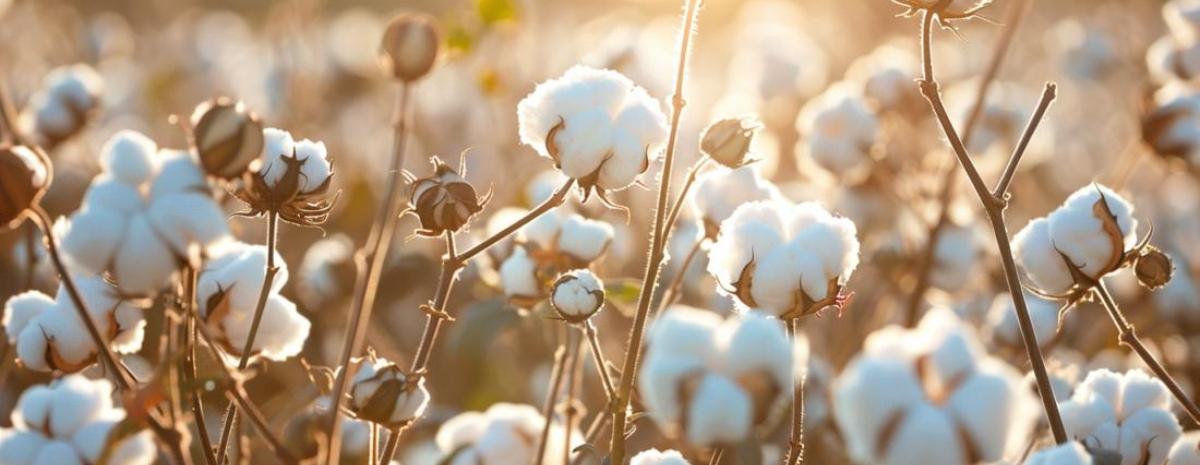
Application of Potassium along with Nitrogen under Varied Moisture Regimes Improves Performance and Nitrogen-Use Efficiency of High- and Low-Potassium Efficiency Cotton Cultivars.


A pot study evaluated the effect of potassium (K) nutrition on nitrogen-use efficiency (NUE) and performance of low and high potassium efficiency cotton varieties under two irrigation levels of 100% available water content (AWC) and 50% AWC, three levels of nitrogen (0, 375, and 750 mg N per pot), and two levels of potassium (0 and 208 mg K per pot).


High K application enhanced both cultivars' NUE, growth, and yield, with the best results of an 83% increase in NUE when the N application was 375 mg/pot in both irrigation levels. Compared to controls (0 N and K), low moisture caused a reduction of 13.9% in stomatal conductance, 6.5% in net photosynthetic rate, and 2.5% in transpiration rate.


The physiological water use efficiency fell by 13.2% under control fertilization and low irrigation but increased by 27.39 and 27.56% in high and low potassium efficiency cultivars when 375 N and 208 K were added. Also, the high potassium efficiency variety CIM-554 with the best photosynthetic and stomatal conductance furthered the findings that variety and adequate K fertilization can improve NUE to save irrigation and fertilizer use.


Click here to read the full paper |CI-340 Handheld Photosynthesis System


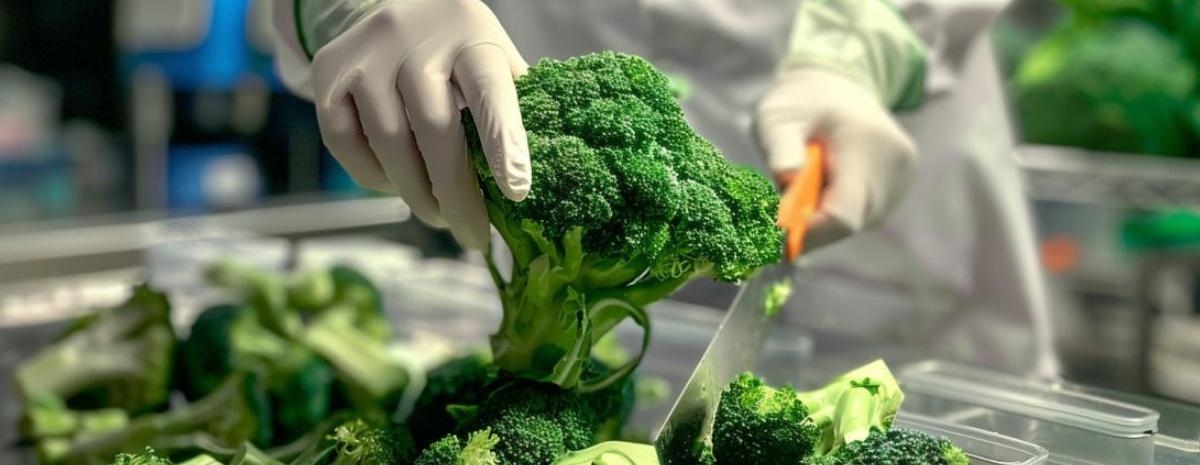
Gene Expression Analyses Reveal Mechanisms of Inhibited Yellowing by Applying Selenium-Chitosan on Fresh-Cut Broccoli.


The study investigated the effect of selenium-chitosan coating on fresh-cut broccoli yellowing in storage by focusing on phytochromes and chromatic aberration. Gene expression of chlorophyll (POR, CAO, HO, CHLI, NYC1) and carotenoid (VDE, CCS, LCYE, ZEP, HYD) metabolism and transcription factors were checked by the RT-qPCR technique.


Results showed that selenium-chitosan slows down h° reduction, ethylene release, and respiration. Tests showed that the treatment inhibited chlorophyll degradation and carotenoid biosynthesis by lowering the expression of several associated genes like HO, CAO, VDE, HYD, and the transcription factors. Magnesium chelatase subunit I and (LCYE) genes had higher expression.


The results of studying the molecular mechanism underlying selenium-chitosan inhibition of fresh-cut broccoli yellowing can improve shelf-life and marketing economics.


Click here to read the full paper |F-940 Store It! Gas Analyzer


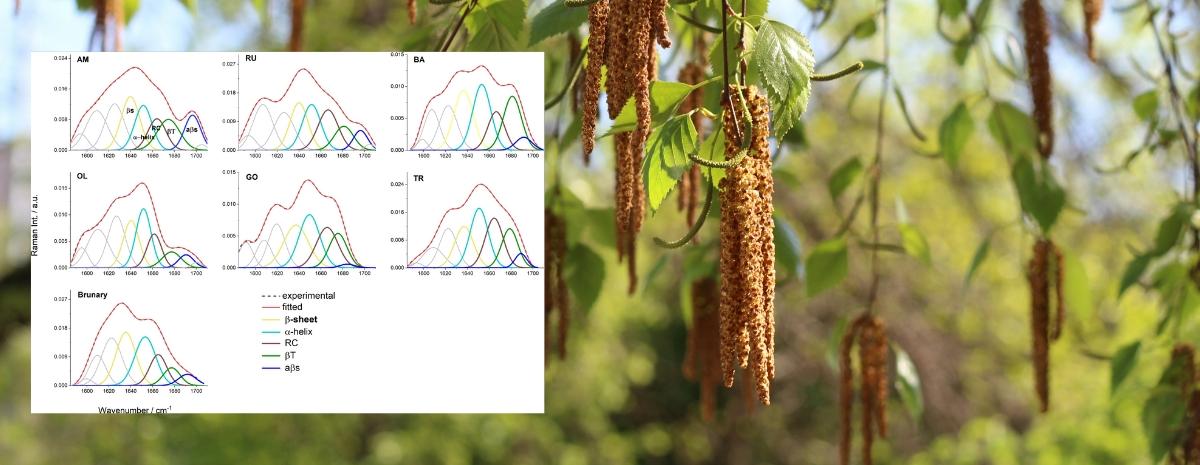
Air Pollution in the Places of Betula Pendula Growth and Development Changes the Physicochemical Properties and the Main Allergen Content of its Pollen.


A study estimated the effects of air pollutants on the birch pollen's chemical composition and 

Bet v1 protein's secondary structures to study changes in pollen allergenicity.


The Polish study, which used seven locations with varying pollution levels, found minor differences in photosynthetic light reactions, leaf spectral reflectance, and δ13C carbon isotope discrimination values. The study showed a small effect of pollution on birch pollen physiology, but the mean Bet v1 concentration was higher, with distinct variations in the protein wavelengths, in pollen collected from Kraków than in less polluted places.


Pollen from higher nitrogen oxides and particulate matter levels have the highest percentage of aggregated forms and antiparallel β-sheets in the α-helix. It suggests that pollution significantly impacts pollen chemistry, Bet v1 concentration, and protein secondary structure formation, which can influence their functions.


Click here to read the full paper | CI-710s SpectraVue Leaf Spectrometer


Schedule a Live Demo

Use the link below to schedule a live instrument demonstration with an application scientist. Get an overview of functionality, see how the tool can be used in your specific application and get your questions answered in real-time.

Use the link below to set up a time to chat with one of our staff scientists about your specific application.
Schedule a Demo
 
 
Facebook  Twitter  Linkedin  Youtube