How Do We Respond to Exploitation?


Everyone's story matters — if someone discloses that they have been exploited, it is important to know how to respond in a trauma-informed way. In this month's guide, you will learn:


  • The acronym, O.A.R.S.
  • Helpful and affirming phrases (what to say and what not to say)
  • Resources and tips for parents on creating a safe and empathetic space for their children
  • How and where to report when we see signs of exploitation or when someone discloses


C.A.S.T. provides an in-depth presentation on this topic in our "Power Over Predators: Your Story Matters" as well as our "Human Trafficking 101". Interested in the full presentation? Complete our Speaker Request Form.

Request a Speaker HERE


PADDLE TO SAFETY: O.A.R.S.


O.A.R.S. is a helpful acronym to remember if someone shares their story with you.


OBSERVE

  • Listen to them without judgment.


AFFIRM

  • Share words of affirmation. (ie. "I believe you," "You did the right thing by sharing this," "You do not have to face this alone.")


REPORT

  • Seek out the proper channels to report the situation. Guide at the end of this email.


SUPPORT

  • Provide words of truth. (ie. "You matter," "You are priceless," "You deserve to be loved without conditions.")


WORDS OF AFFIRMATION & TRUTH


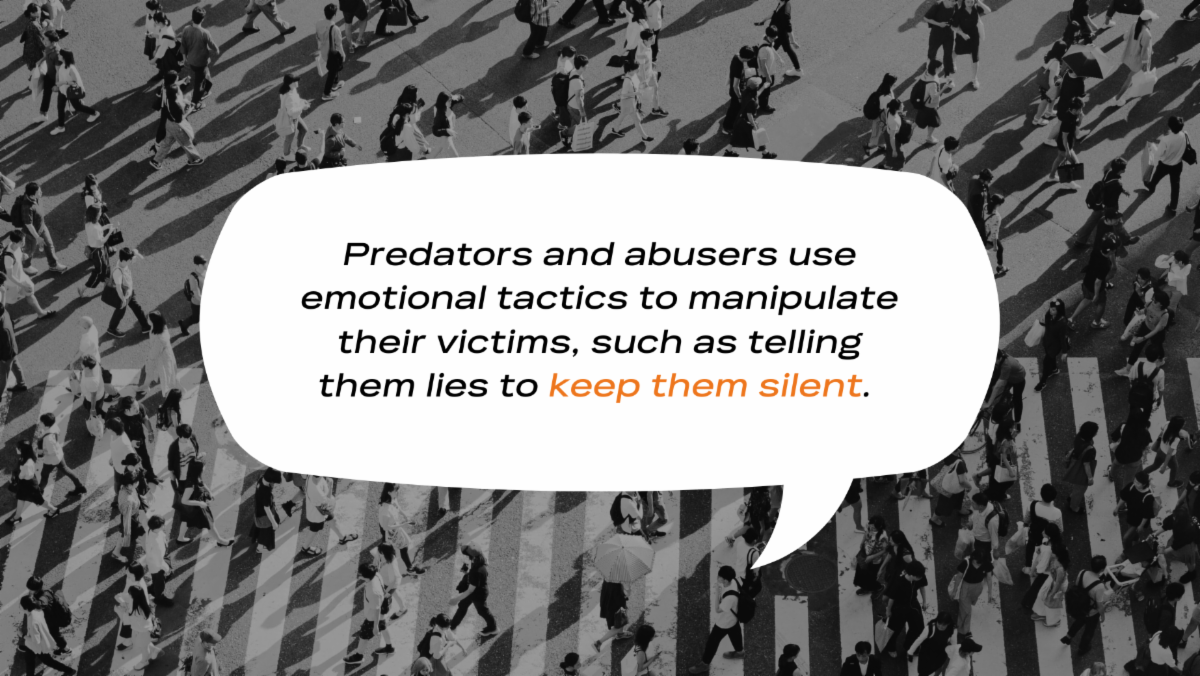
Predators and abusers use emotional tactics to manipulate their victims, such as telling them lies to keep them silent:


  • "If they ask you a question, it's because they don't believe you."
  • "It was your fault, you did something to deserve it."
  • "No one will ever love you if they know the truth."
  • "You're making a big deal out of something you should just get over."
  • "You're going to get into trouble."
  • "You are worthless."


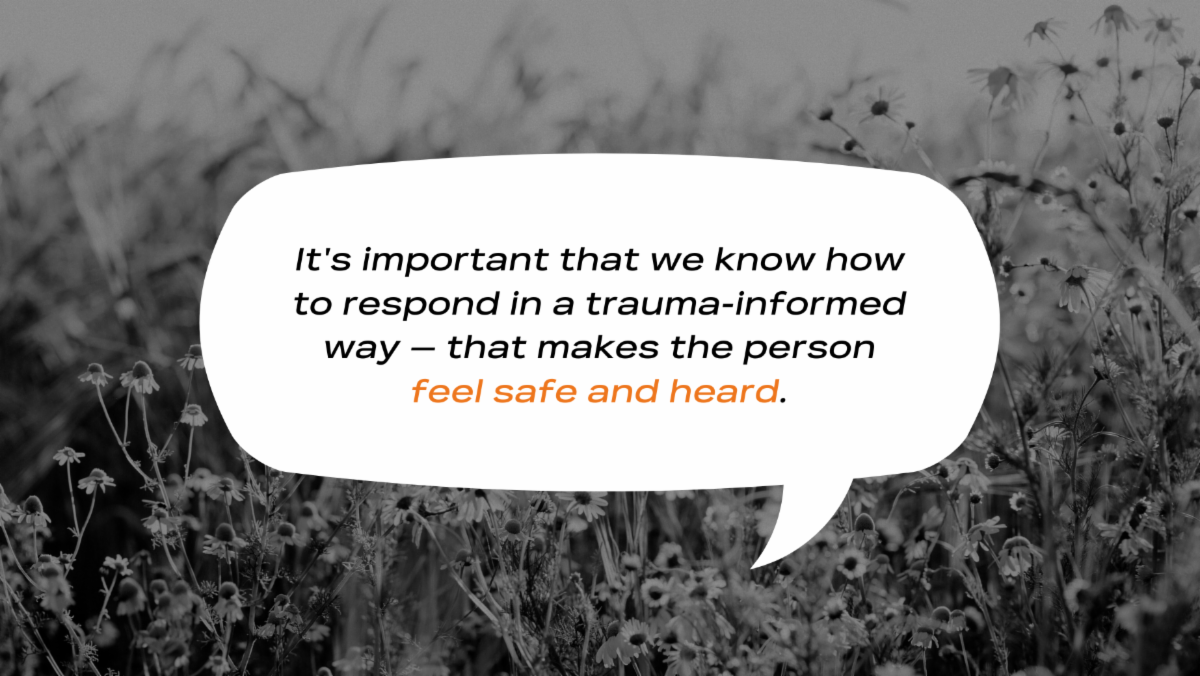
It's important that we know how to respond in a trauma-informed way. Start with an affirmation. People need to feel safe, heard, and valued.


WHAT NOT TO SAY:


  • "Was there alcohol or drugs involved?"
  • "Are you sure there wasn't a miscommunication?"
  • "Did you tell them no or stop?"
  • "Where were you when this happened?"
  • "Let me just follow up to hear their side of the story."


WHAT TO SAY:


  • "I believe you."
  • "Thank you for trusting me with your story."
  • "This is not your fault."
  • "You did the right thing coming forward."
  • "I am here for you. You do not have to face this alone."


You do not have to be the investigator. You get to be the person that listens, comes alongside, and helps connect to resources.


Source: National Office for Child Safety AU


RESOURCES & TIPS FOR PARENTS


How can you create a safe and empathetic space where your child can come to you?


  1. Give the child or young person your full attention.
  2. Remain calm, allow them to take their time when telling you something.
  3. Reassure them it is right to tell. Tell them that you believe them and that the abuse is not their fault.
  4. Recognize the bravery and strength of the child for talking about something that is difficult.
  5. Let them use their own words, don't try to figure it out for them.
  6. Do not make promises you cannot keep.
  7. Ask the child what they need or hope to happen after they told you, tell them what you plan to do next.
  8. Do not confront the person causing harm (ie. the perpetrator).


Source: Australian Institute of Family Studies, 2025


MORE RESOURCES ON HOW TO RESPOND:


MN MANDATED REPORTER TRAINING:


We encourage you to take an hour out of your day to complete the MN mandated reporter training. Even if you are not a mandated reporter, this FREE training can help you understand what to look out for and what steps you can take to ensure we keep our kids safe. Take the training here.

Read the Full Guide from the CFCA
Take the Mandated Reporter Training for FREE


HOW TO REPORT & WHERE TO REPORT


It can be difficult knowing where to start when it comes to reporting situations. Here's where to start:


  • Immediate Danger: Call 911


  • When you think exploitation is going on: Washington County Trafficking Tip Line (Call: 651-430-7825 // Email: bca.tips@state.mn.us)


  • When you need to process what you are seeing to discern if trafficking or exploitation are taking place: National Human Trafficking Hotline (Call: 1-888-373-7888 // Text: 233733 // Website here.
 
 
Fill Out the Interest Form HERE


Looking For More Prevention Resources?


Want additional talking points, situational drills, and a person to have direct Q&A? Request a FREE virtual or in-person speaker from C.A.S.T. for topics like:


  • Human Trafficking 101
  • Parent Workshops
  • Youth Presentations
  • Round Tables (small groups sessions for brainstorming and Q&A)
Request a Speaker HERE


Want to Share With Us How You Are Taking Steps Toward Prevention?

Fill Out Our (Anonymous) Feedback Form HERE


P.O. Box 251001,

Woodbury, MN, 55125

www.castmn.org

Facebook  Instagram