|
How Do We Rise and Win TOGETHER?
The Importance of Interdependence
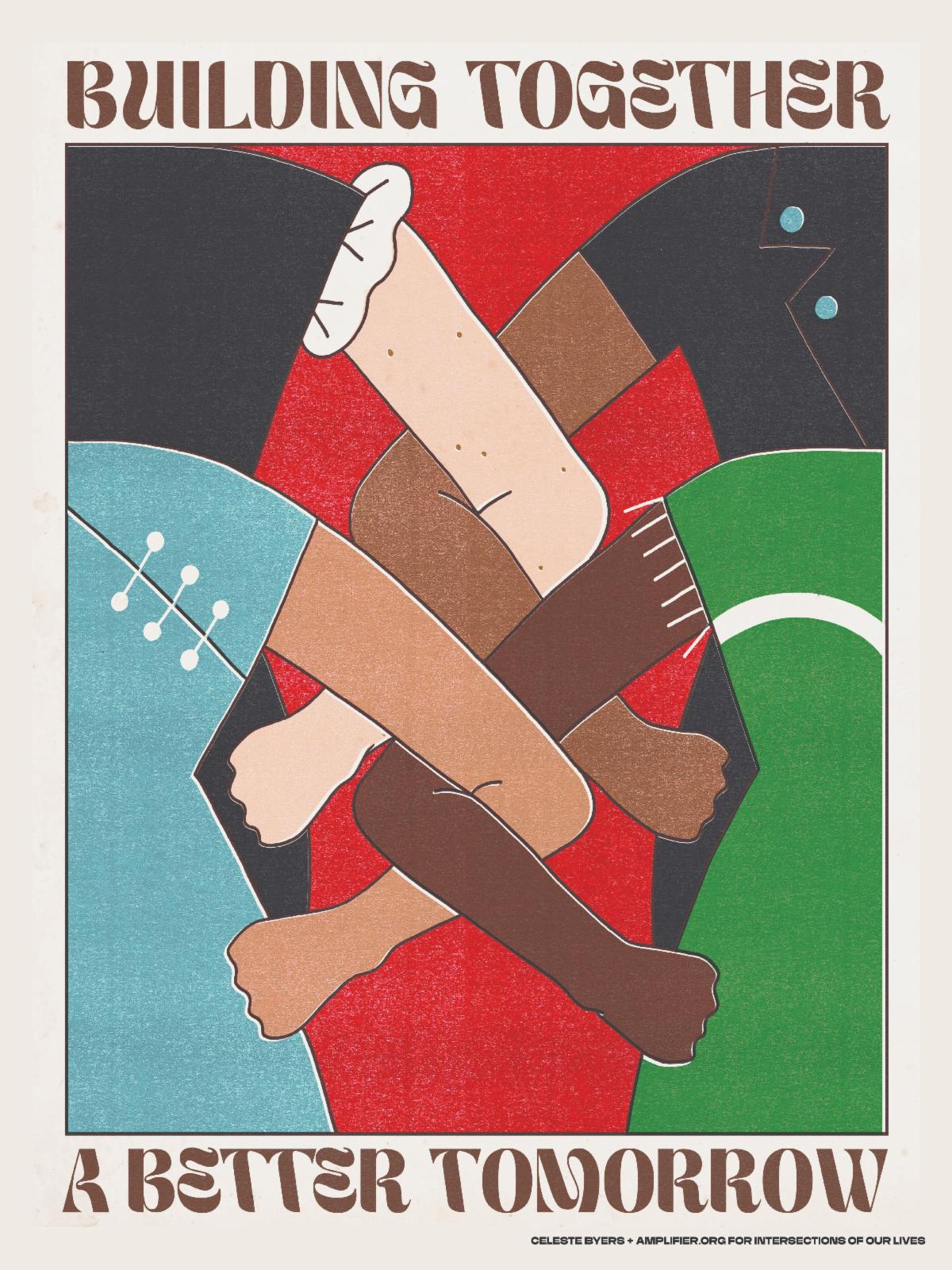
| | by Celeste Byers for Amplifier Art | | |
|
"A shared message creates a shared mindset. A shared mindset creates a shared movement. A shared movement is fueled by a shared meaning, which then creates shared making."
— Jeff Campbell at WE RISE & WIN Together Week 2026
| |
The Wildebeest migration exemplifies how interconnected species and ecosystems are in nature. Each participant in the migration plays a crucial role, demonstrating the intricate web of relationships that sustain biodiversity and ecosystem resilience in East Africa's savannas. This can serve as a powerful reminder for humans of our interconnectedness with nature and the importance of responsible stewardship of the environment. It encourages us to learn from natural processes and apply those lessons to create a more sustainable and harmonious relationship between humans and the natural world. - Andrew Martin
In a world that often rewards independence, we are invited to remember that our greatest challenges and greatest possibilities are shared. The future we hope to leave for the next seven generations will not be built by extraordinary individuals acting alone, but by people willing to root themselves in relationships, to learn and unlearn together, and to steward something larger than themselves.
This month's newsletter reflects on what it means to move from independence to interdependence. It explores how we rise and win together by strengthening the connections that sustain communities, movements, and the common good. Because the legacy we leave is shaped not only by what we build, but by how we choose to build it—together.
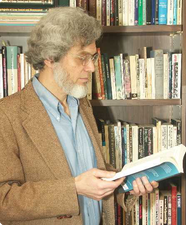
| | | | Photo and Article from Peace Voice | | |
From Independence to Interdependence
By Dr. Lawrence S. Wittner
Historian Lawrence Wittner argues that national independence — freedom from empire and colonial rule — was real progress, but it isn't enough to meet crises that “transcend national lines”: war, nuclear proliferation, climate change, pandemics, resource scarcity. None of these stop at a border, so none of them can be solved by any one nation acting independently.
His proposed path forward is institutional as much as philosophical: strengthening bodies like the United Nations, including reforms such as limiting the Security Council veto, driven by sustained grassroots pressure. His closing argument is the piece's clearest statement of this issue's theme — that humanity needs to move “from a parochial national independence to the interdependence of nations.”
It's a useful zoom-out: everything else in this issue treats interdependence as a practice at the scale of people and organizations. Wittner's making the same case at the scale of nations — a reminder that this isn't just a personal or organizational shift, it's a geopolitical one too.
| | | | | |
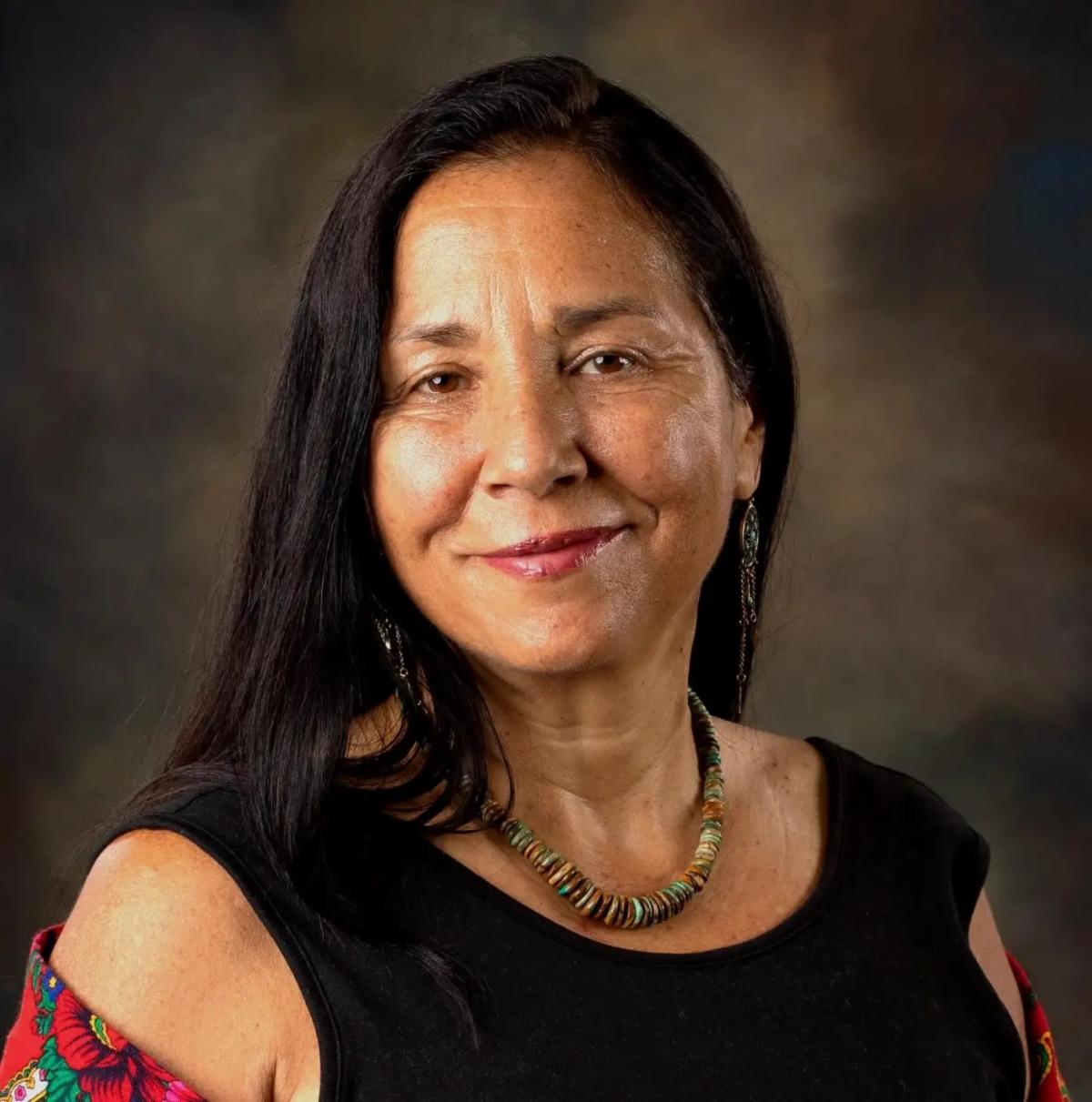
Dr. Ruby Gibson - Freedom Lodge
Dr. Ruby Gibson is the director of Freedom Lodge, a nonprofit focused on historical trauma recovery for Native Americans, and the developer of somatic archeology, a technique for excavating what we've inherited in the body. At the opening session, she shared the story behind her forthcoming book, Konmadi: The Heartbeat of Mother Earth — a word that appeared to her in a dream and that she later found, independently, in the vocabulary of Indigenous elders across five continents, all describing it as a word chanted in caves to strengthen the heartbeat of the earth. “We know Mother Earth is suffering,” she said. “Her body needs care.” Her book is due out in August.
| | | |
"Although we are born carrying the burdens of the past, we also inherit an obligation to heal our ancestral heart by giving a voice to what is unspoken, to witness that which is remote or forgotten, and to choose to reconcile the illusion of separateness. The act of courageous love is what aligns us with the Great Mystery, unifying past and present, shadow and light, and seen and unseen."
- Dr. Ruby Gibson
|
|
The Visionary: Dr. Ruby Gibson
"For 40 years, Dr. Ruby Gibson has dedicated her life to unearthing the stories we carry. As the founder of Freedom Lodge non-profit, she bridges the gap between ancient Indigenous wisdom and modern somatic science to help individuals reconcile historical amnesia and trans-generational trauma. By providing her techniques to Tribal Members/Indigenous Peoples, Dr Gibson partnered with Bowman Performance Consulting, an Indigenous evaluation and research team who gathered data over 3 200-hour trainings for Historical Trauma Recovery training. This resulted in the publication of her first doctoral article in the Toronto Press in December 2023.
Dr. Gibson's work is rooted in the belief that our bodies remember what our minds may have forgotten.We are each a walking library! By offering a culturally-responsive path to healing, she ensures that the wisdom of the past becomes the medicine for our future. Her commitment to cultural wellness continues to inspire practitioners and families across the globe to mend the sacred hoop of life. An international trainer and keynote speaker, Dr Ruby has offered her knowledge to Spanish, Italian, Irish, Austrian, Dutch, Mexican, Romanian, Canadian, Australian, and British peoples.
One of the most profound aspects of Somatic Archaeology© is it's ability to reconnect individuals with their ancestral roots. Dr. Gibson’s methodology is deeply informed by Indigenous healing practices, which emphasize the importance of community, ancestral wisdom, and spiritual connection. Somatic Archaeology© is not only about healing the self, but also about reclaiming cultural heritage and understanding the intergenerational trauma passed down through generations.
Through this process, individuals can begin to uncover and heal the wounds that have been inherited from their past and their ancestors, leading to a sense of wholeness and belonging. This spiritual excavation helps individuals connect with lineage, honor their ancestors, and heal forgotten wounds that have been carried for generations.
Dr Gibson's technique, Somatic Archaeology©, empowers people to respect their body, unearthing ancestral stories held within their cells to facilitate deep, lasting recovery, along with familial and collective well-being. By reclaiming this power, she helps communities to align with the rhythms of Mother Earth and step into a new prophecy of health for the next seven generations."
| | Deep Dive: Must-Read Article | | | | |
250 Years Since Its Founding, America Needs a Declaration of Interdependence
Atmos
Shared live during the session by Kelley Johnson, this piece traces the Indigenous origins of American democracy and asks what a Declaration of Interdependence — instead of independence — might have looked like, and what it could still look like now. It's the essay that gives this issue's theme its sharpest edge.
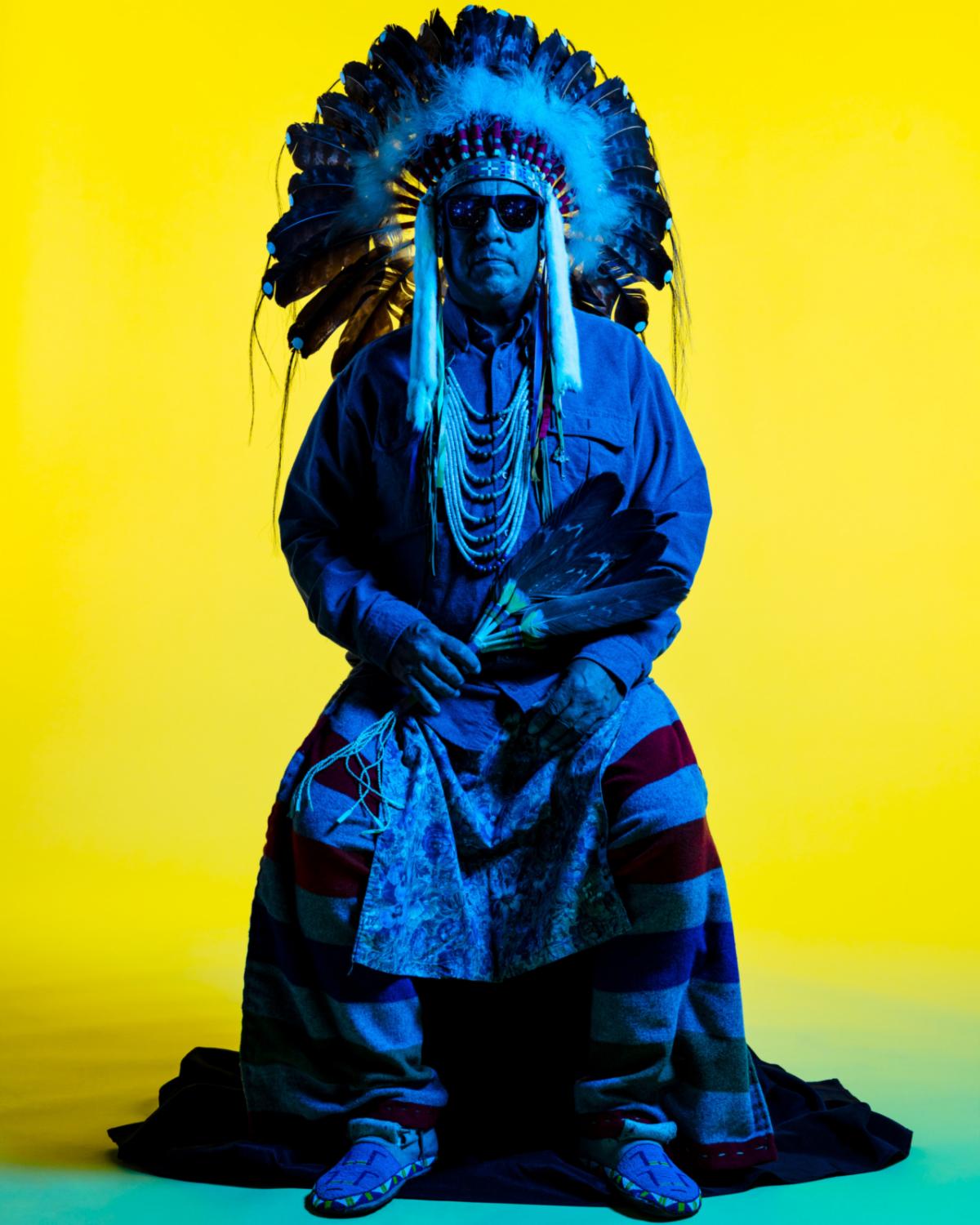
| Maatchaajick (A Good Man) featuring Robert Gress (Apsáalooke). Archival photograph courtesy of the artist (2025). | |
| |
|
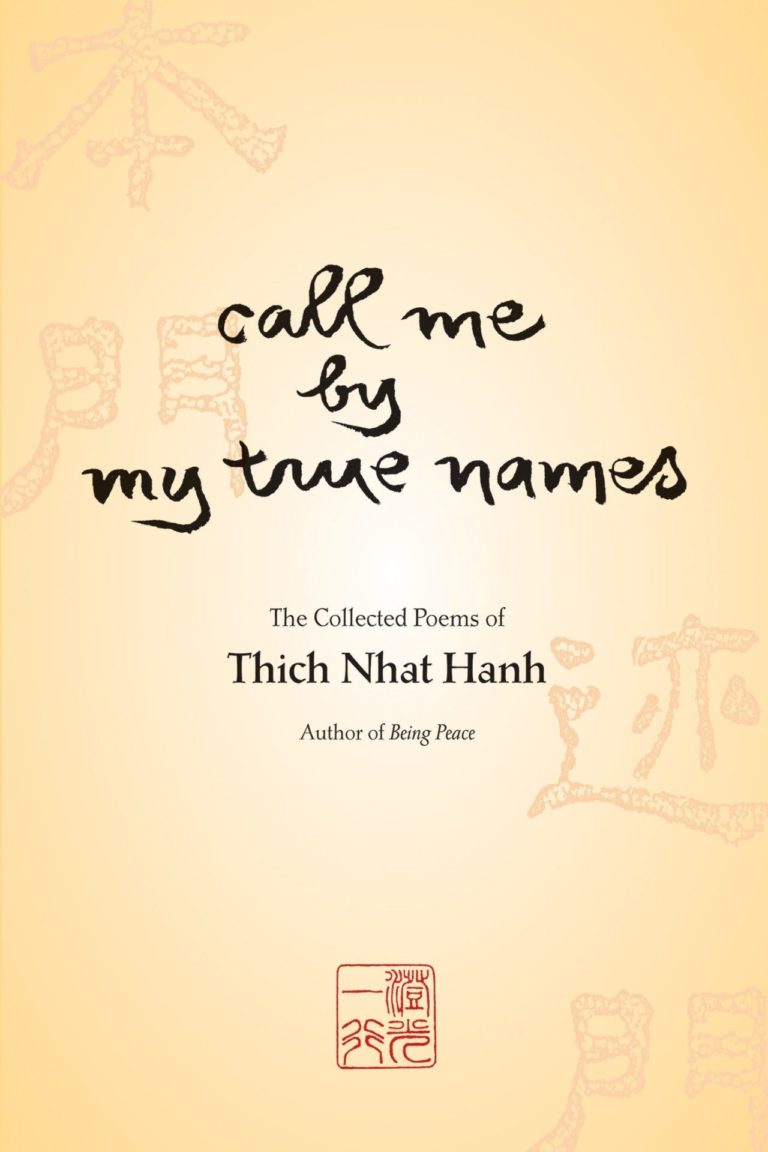
Please Call Me by My True Names (song & poem)
by Thich Nhat Hanh (Thay)
“We invite you to listen to Thich Nhat Hanh (Thay) read one of his most famous poems. It reflects a deep insight into how we cannot separate ourselves from the world around us, even those who do harm. We also offer a recording of the song based on the poem.”
| | | | | | |
Deweaponizing Interdependence
Source: Global Visions
A timely companion to this issue: a conversation on how interdependence gets framed as a threat rather than a strength, and what it takes to reclaim it as a source of collective power instead.
| | | |
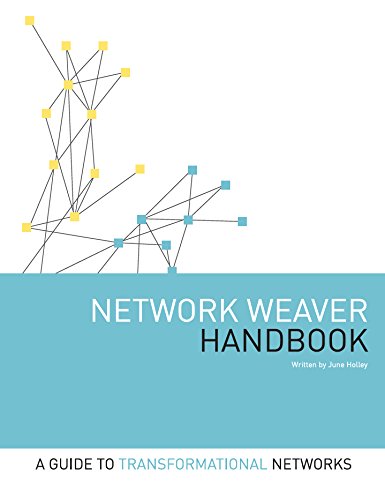
Network Weaver Handbook
The practical companion to Ahmed Calvo's “net-centric leadership” reflection: June Holley's guide to building and weaving transformational networks, plus ongoing tools and training at Network Weaver.
|
|  | |
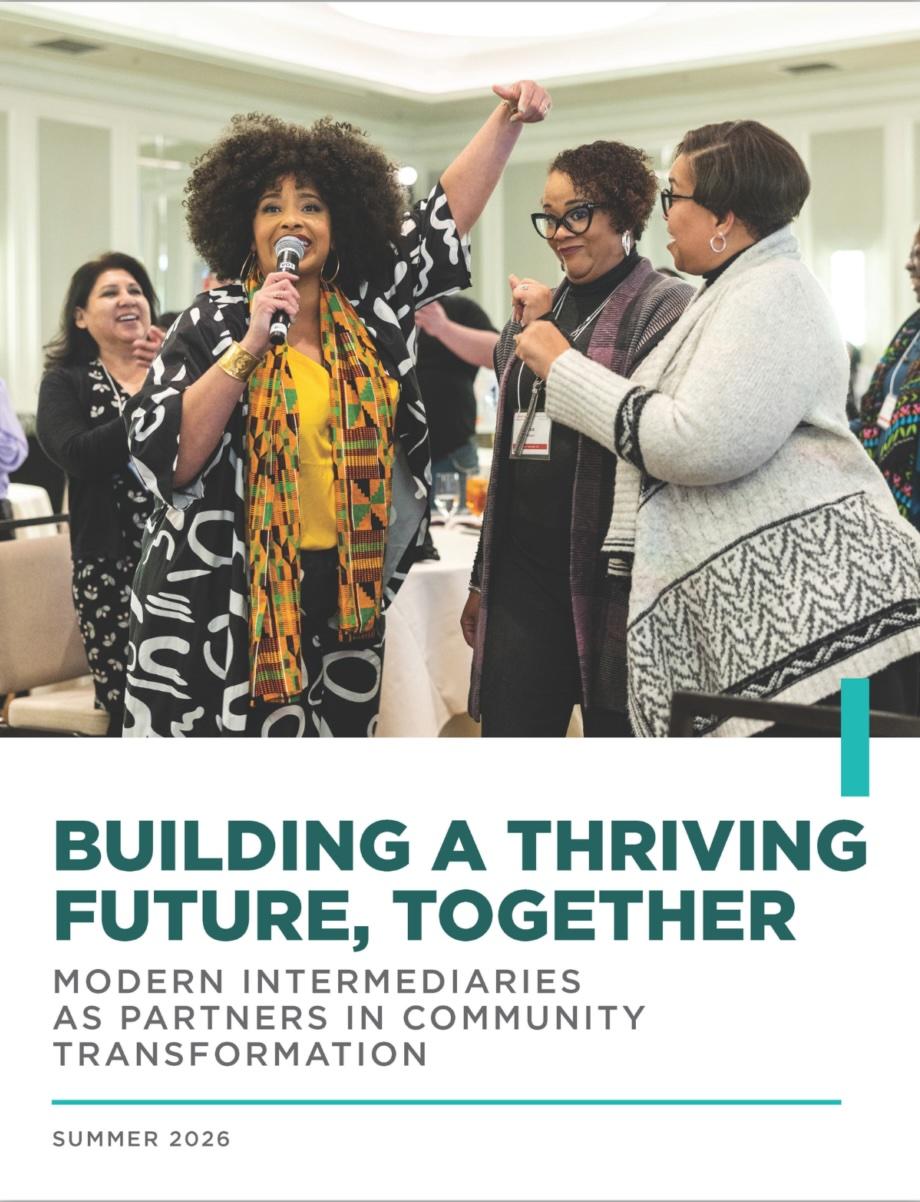
Building a Thriving Future, Together: Modern Intermediaries as Partners in Community Transformation
In this new report, Rippel and fellow members of the Intermediary Learning Network (ILN) explore how intermediary organizations strengthen the conditions for communities to thrive.
|
| | | | |
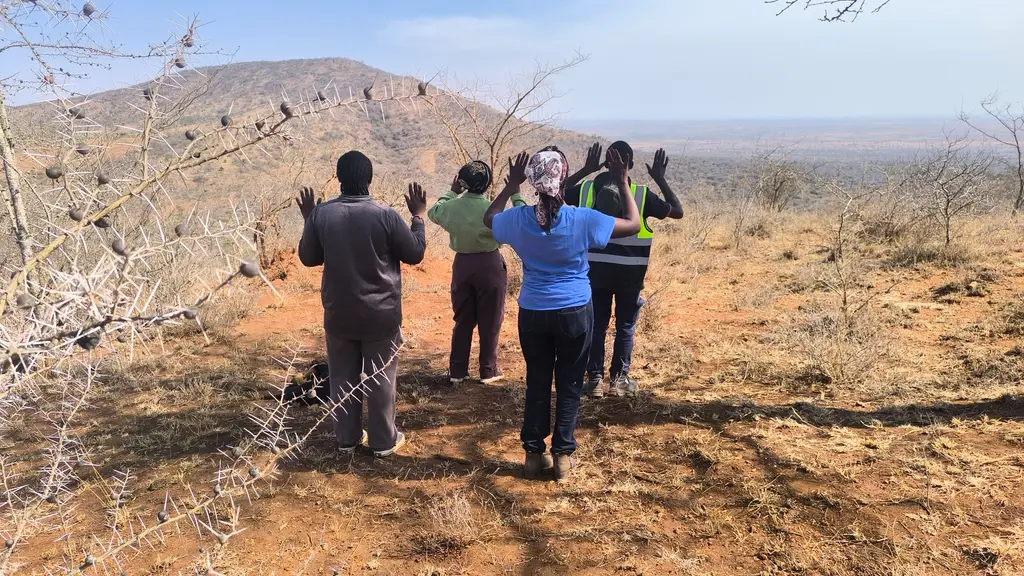
Support a Healing Justice Sanctuary in Kenya
fromtheroots are creating Serian Sanctuary in Sultan Hamud, Kenya—a place where ecological restoration, indigenous wisdom, and community healing come together. By rehabilitating eroded land, planting 1,000 indigenous, fruit, and medicinal trees, and creating spaces for learning, ceremony, and rest, they're building the conditions for people and the Earth to thrive together. The sanctuary will also equip local communities with the knowledge to restore their own landscapes while providing a place of renewal for East African movement leaders.
| | | | | |
REI - racial equity institute
(REI’s two-day workshop is designed to develop the capacity of participants to better understand racism in its institutional and structural forms. Moving away from a focus on personal bigotry and bias, this workshop presents a historical, cultural, and structural analysis of racism. With shared language and a clearer understanding of how institutions and systems are producing unjust and inequitable outcomes, participants should leave the training better equipped to begin to work for change.)
IN-PERSON REI Phase 1 Workshop
Monday, August 10, 2026 9:00 AM - Tuesday, August 11, 20269:00 AM
GREENSBORO, NC
(map)
| | | | | |
|
PolicyLink Equity Summit 2026
(From our legal and regulatory systems to government at all levels, we will reimagine and redesign how this nation serves its people.)
WE ARE THE FOUNDERS: Writing the Unfinished Story of Our Democracy
August 24th - 28th, 2026
Washington, DC Area
| | | |
The Frances R. Dewing Foundation is accepting applications from U.S.-based 501(c)(3) nonprofits and schools for projects that directly benefit children through early childhood and elementary education (up to sixth grade). Grants are awarded twice yearly (April 1 and October 1 deadlines) and prioritize innovative, project-based initiatives with clear, measurable impact. If you are launching or expanding a child-focused education program, this could be strong seed funding to support your work.
Deadline: October 1, 2026
| | | |
Funding: $50,000
Deadline: Rolling
Overview:
The Foundation for a Healthy High Point offers free grant writing support to eligible nonprofits serving Greater High Point (High Point, Jamestown, Archdale, and Trinity) that have identified an external funding opportunity of at least $50,000 aligned with social determinants of health and upstream solutions. Applications are rolling, decisions are made within two weeks, and if approved, the Foundation pays the grant writer directly, removing one of the biggest barriers to pursuing large state, federal, or national foundation grants.
Eligible organizations must:
• Be a 501(c)(3) for at least 3 years
• Serve High Point, Jamestown, Archdale, or Trinity
• Be pursuing a grant outside Guilford County of $50,000+
• Align with focus areas like healthcare access, economic stability, housing, education, and community conditions
Applications are accepted year-round, reviewed on a rolling basis, and organizations are typically notified within two weeks. This is an especially powerful opportunity for small and mid-sized nonprofits that don’t have full-time development staff but are ready to go after transformational funding.
| | | | Well-Being and Equity In The World Institute | 252 Daniel Webster Highway #1017 | Nashua, NH 03060 US | | | | |