In last month's Director's Corner we focused on how we can make fostering more inclusive. This month, we focus on creative ways to engage and support our fosters and volunteers.
We'd love to hear how you're engaging your fosters, including what's working for you and what's not. Please share your experiences on our Facebook page.
Thanks for all you do to make life better for senior dogs. The more we can learn from one another, the more senior dogs we will help.
Sincerely,
|
|
Lisa Lunghofer, PhD
Executive Director
p.s. If you haven't done so already, please consider making a pledge to take part in the Association for Animal Welfare Advancement's survey on June 1. The survey aims to establish a baseline for where we are as a field with respect to diversity, equity, and inclusion. Please sign up today !
|
|
Foster field trips: We could all
use a day out!
|
|
While the pandemic put a damper on our social lives, the promise of vaccines offers hope for getting back to some of our old routines, including a day out--whether on the town or at the beach or in the mountains. And what's good for us is also good for our pups.
Just a few hours away from the shelter can do wonders, not only in terms of reducing dogs' stress and providing opportunities for socialization, but also increasing exposure to potential adopters (not to mention tons of new photo opportunities!). Field trips also offer another alternative for our volunteers. Not everyone can foster for weeks at a time, but many are more than willing to spend a day or an afternoon taking a senior dog on a new adventure.
This how-to guide will show you how to create a field trip pilot program. And if you're looking for a real-world example from one of our current Grey Muzzle grantees, check out Charleston Animal Society's Paws Around Town program!
|
|
|
What does the research say about field trips?
|
A 2018 study of the field trip program at Louisville Metro Animal Services (LMAS) found that dogs that went on field trips showed significant improvement on 15 of 21 measures of behavior, including increases in playfulness, happiness, confidence and relaxation, and decreases in anxiousness, fearfulness and repetitive behavior such as jumping.
The researchers also report that 20% of field trips led directly to a dog’s adoption (about 70 dogs got adopted!). The program focused on dogs who were suffering from kennel stress and at risk for euthanasia. The number of dogs euthanized for behavior was cut in half during the study period. Read a summary of the study. |
|
How can an app support your fosters? |
|
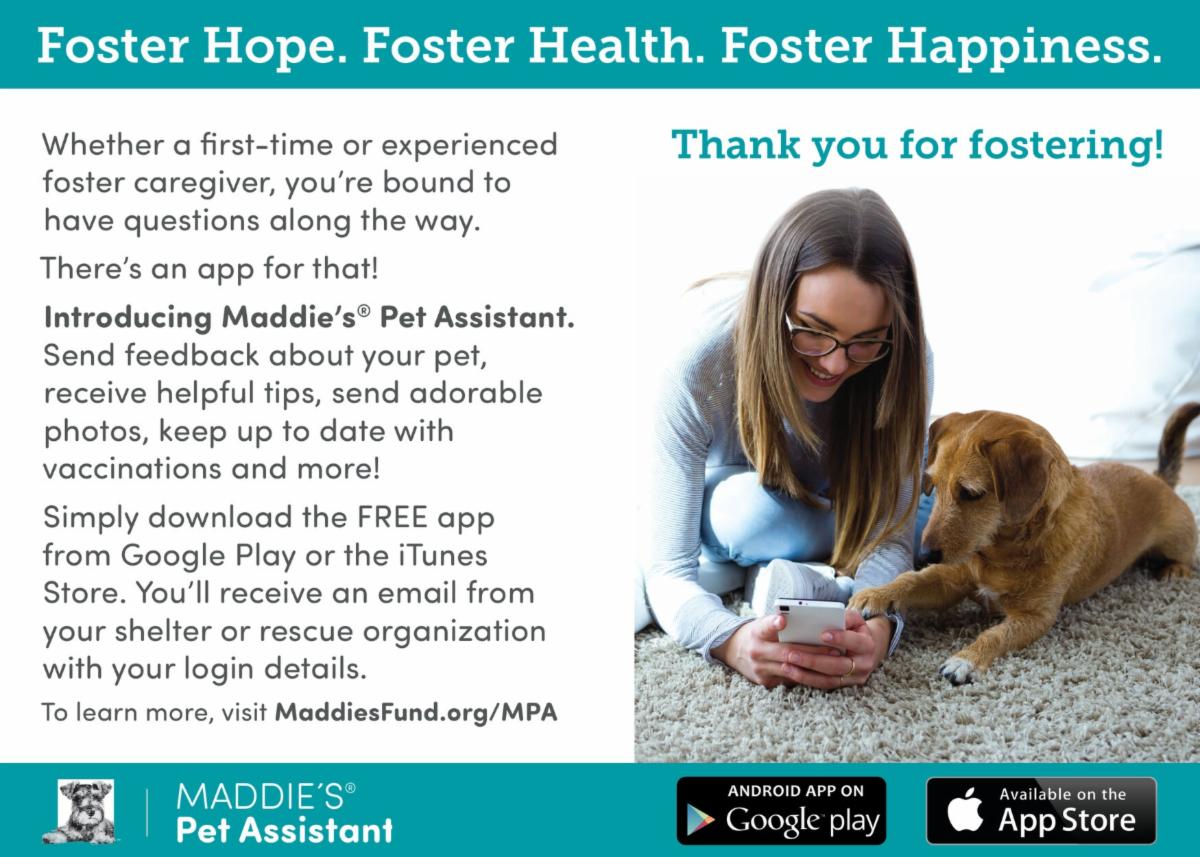
Formerly Maddie's® Pet Assistant and now part of the 24PetWatch Family, this app helps animal shelters and rescues better support their fosters.
The app gives caregivers the opportunity to submit questions, photos and videos and take surveys. The surveys provide valuable information about how the pet is doing in their foster home, especially as it relates to potential problems or challenges.
If a foster reports a concern in a survey, they receive an immediate email response, crafted by shelter medicine veterinarians and behaviorists, to educate them and help resolve the issue. Your organization's staff and/or volunteers can review all submitted survey responses at any time to offer additional, direct support as needed.
You can learn more and get updates on the transition to 24PetWatch here. |
|
A little help from our friends |
|
What role does peer support play in your foster program? Jenn Strickland, a professor at the University of Vermont and a volunteer with Pibbles and More Rescue in Binghamton, NY, talks about a peer support program aimed at educating, supporting, recruiting, and retaining fosters. Not only did the program increase fosters' skills and confidence, it also helped the rescue to increase their foster homes by nearly 400%! |
|
Grantee Spotlight:
Live Love Animal Rescue
|
|
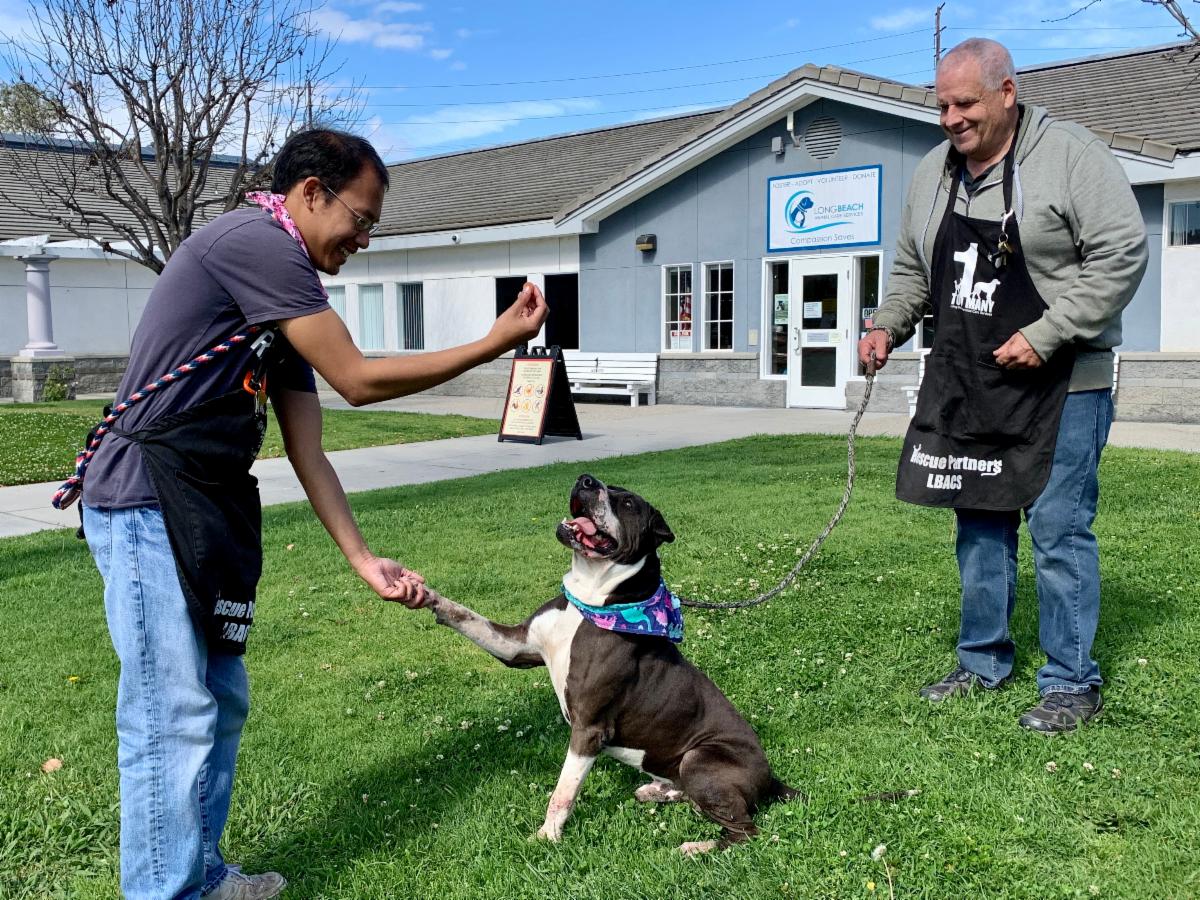
Live Love Animal Rescue in Long Beach, CA, is developing a new program called Foster Force, "a life-saving training program that will transform novice fosters and adopters into a powerful force to save at-risk dogs." The idea is to provide fosters with the training and support they need to meet the needs of the most at-risk dogs, including those with specific training or rehabilitation needs. Fosters will have access to online resources, two all-day training sessions, and bi-monthly training meetings with professional trainers. Learn more.
|
|
The Grey Muzzle Organization | Website
|
|
|
|
|
|
|
|