|
July 2026 Newsletter from the 30 Mile River Watershed Association
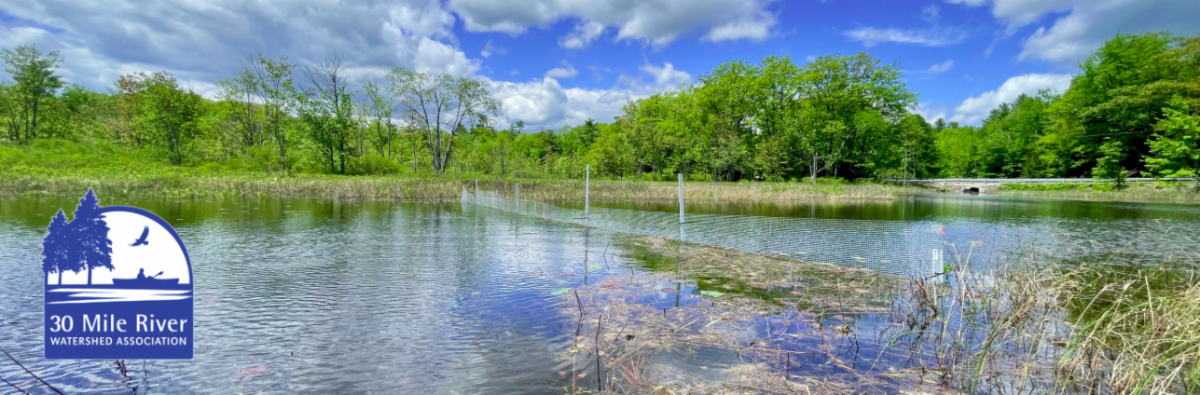
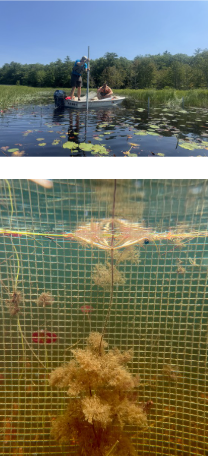
Photo: Swollen bladderwort screen in Tilton Pond
| | Final days to register for the Paddle Trek! | | |
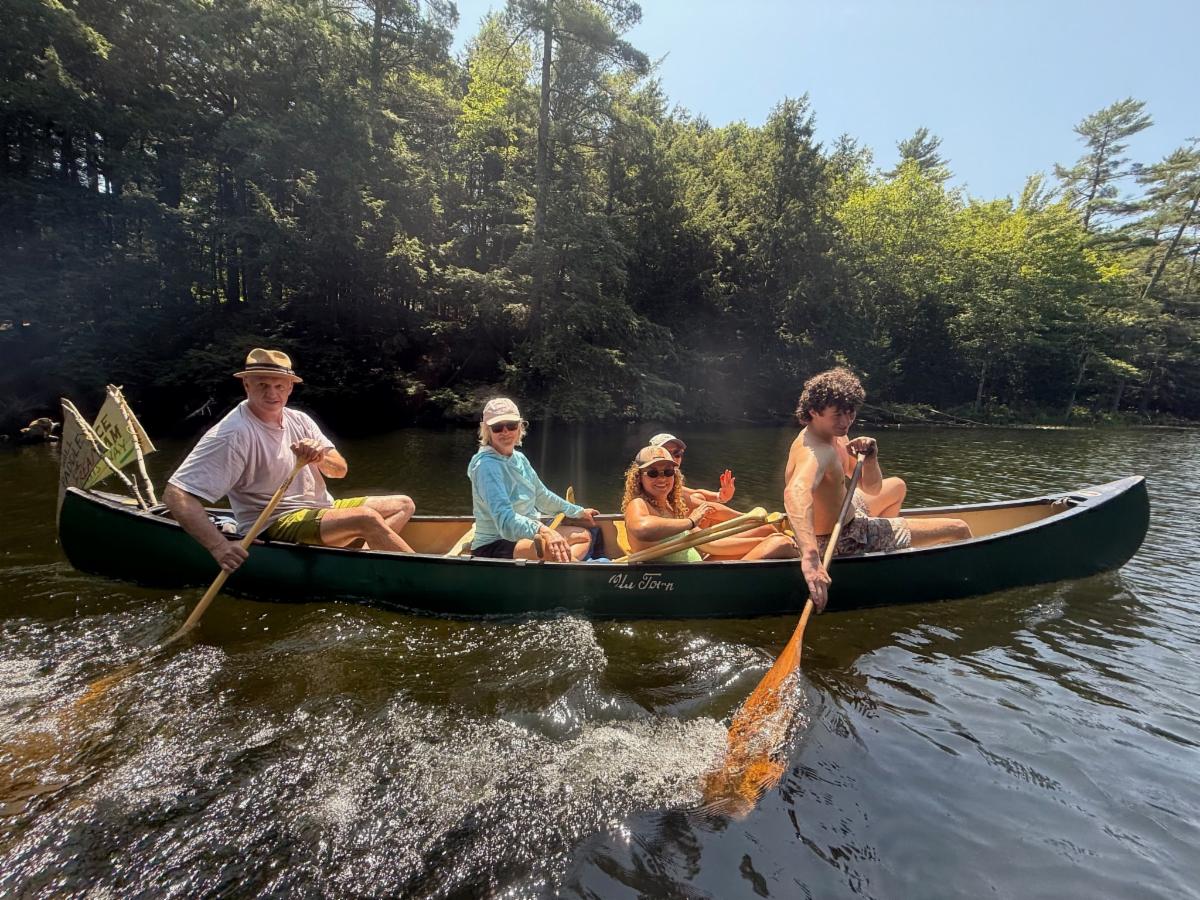
Interested in exploring the watershed? Join us for our 17th Annual Paddle Trek this Saturday, July 25th. Experience the beauty of our lakes and streams while paddling from Minnehonk Lake to Wayne Village’s Mill Pond.
Paddlers of all abilities are welcome to participate. Participants may choose from three different starting spots and from three different paced groups. Registration closes at 11:59pm on Thursday, July 23rd. Same day registration is not available.
| | |
For more information and to register, please click here.
If you have any questions, please contact Miriam Nelson (miriam@30mileriver.org | 207-860-4043 ext. 103).
| | Thank you to our 2026 Paddle Trek Sponsor! | | |
Question of the month:
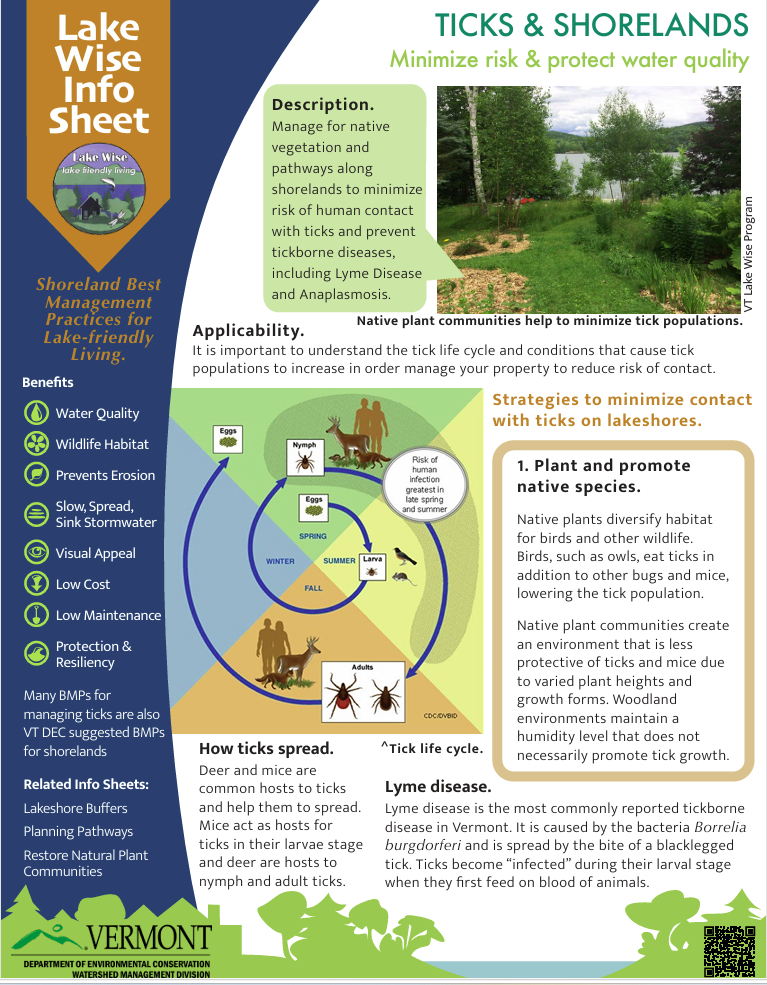
How can I landscape my yard to manage ticks?
| | |
As the climate warms, ticks have become more prevalent in our lives, especially during the late spring and summer when the risk of tick-borne illness peaks.
It is common to want to rake up all the leaves and duff on your property to deter ticks; however, this duff layer is important for holding soil in place and filtering out pollutants. Staying on designated mulched paths leading to the lakefront can minimize opportunities for tick interaction.
By following suggestions from the Androscoggin Valley Soil and Water Conservation District’s Tick and Pest Mitigation workshop summarized below, you can still safely leave the leaves for the benefit of the lake and your landscape, while also managing ticks.
Planting native species in your yard has a number of benefits: providing varied vegetation heights, diversifying habitat for birds and other wildlife, and maintaining a humidity level that does not promote tick growth–all of which also improve the habitat for tick predators. Studies have shown invasive species can create more favorable conditions for ticks to thrive. For example, the invasive Japanese Barberry (Berberis thunbergia) creates the perfect, dense, humid environment for ticks. Replacing invasives with native plants assists in creating a tick-free landscape.
Part of tick prevention and mitigation involves reducing the traffic of common tick hosts across your property. Ticks are often carried by deer, mice, and other animals to the edges of a yard, where the forest or thick underbrush meets a grassy lawn. This boundary is a common place for humans to be exposed to ticks. By planting native species that aren’t a viable food source for deer, you can reduce deer traffic on your property and thus reduce the number of ticks introduced to your nearby surroundings. Additionally, ensure that wood piles and bird feeders are far from your home as they can attract deer and small animals.
| | |
Cutting your grass to three inches tall only in areas where you recreate the most, while still maintaining a large vegetative buffer and minimizing the size of your lawn, can assist in tick mitigation. Remember, you are allowed to have one maintained footpath to the lake, no more than 6 ft wide, according to shoreland zoning laws.
As always, ensure you are performing frequent tick checks to prevent developing a tickborne illness such as Lyme Disease or Anaplasmosis.
| | | |
Herbicide Applied to Androscoggin Lake's Inner Cove
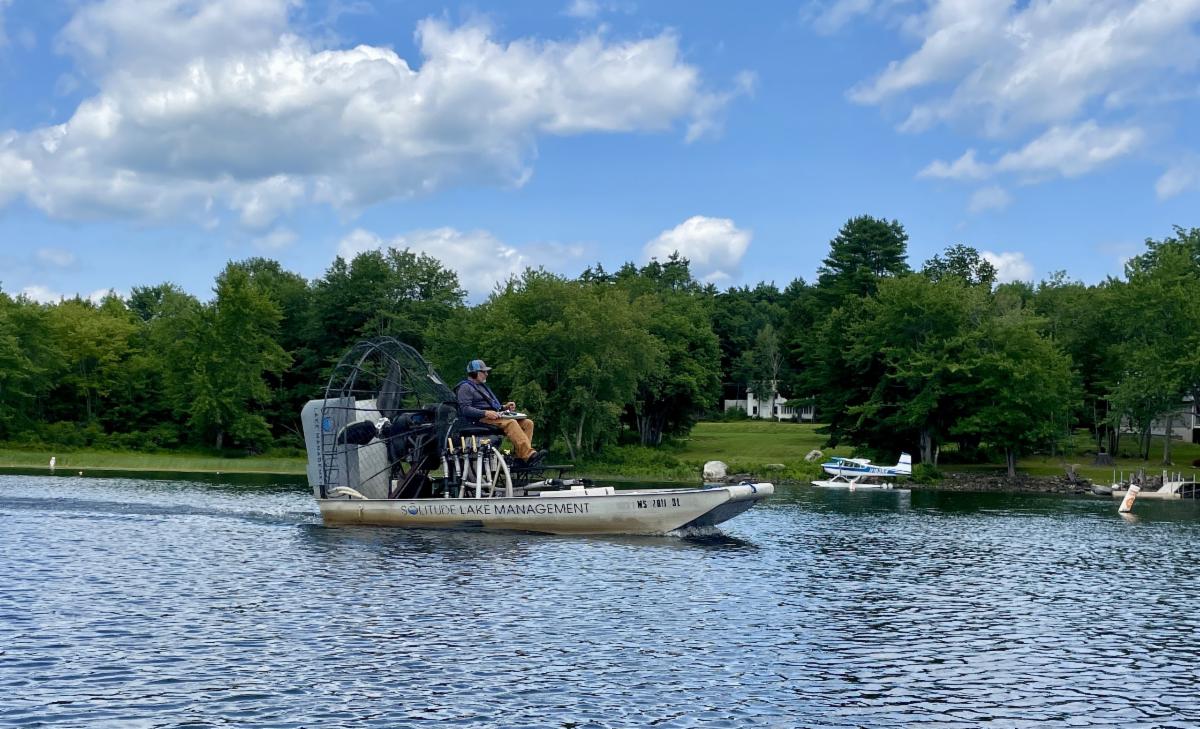
On Monday (7/20), Solitude Lake Management, contracted by Maine DEP, applied the aquatic herbicide ProcellaCOR EC to 20 acres of Androscoggin Lake’s Inner Cove. This was to help address the aquatic invasive plant variable-leaved water-milfoil (VWM).
In addition to Maine DEP collecting post-treatment water samples, 30 Mile staff will help collect data to track the treatment's impact on VWM and all native aquatic plants.
For more information, click here.
| |
Fragment screens help prevent the spread of swollen bladderwort | | |
To help prevent the spread of the aquatic invasive plant swollen bladderwort from Tilton Pond to downstream waterbodies, this spring and summer we’ve worked with Maine DEP staff to install two fragment screens along Titlon’s outlet to catch plant fragments – the plant’s primary method of reproduction. Built using half-inch hardware cloth and galvanized steel posts, the screens span 25 ft and 40 ft across the outlet channel. During our routine checks of the screens since they were installed, we have observed significant amounts of swollen bladderwort plants up against the screens, indicating promising results.
Photos: (Top) Installing the screen on Tilton Pond, (Bottom) swollen bladderwort caught on the screen
| | | |
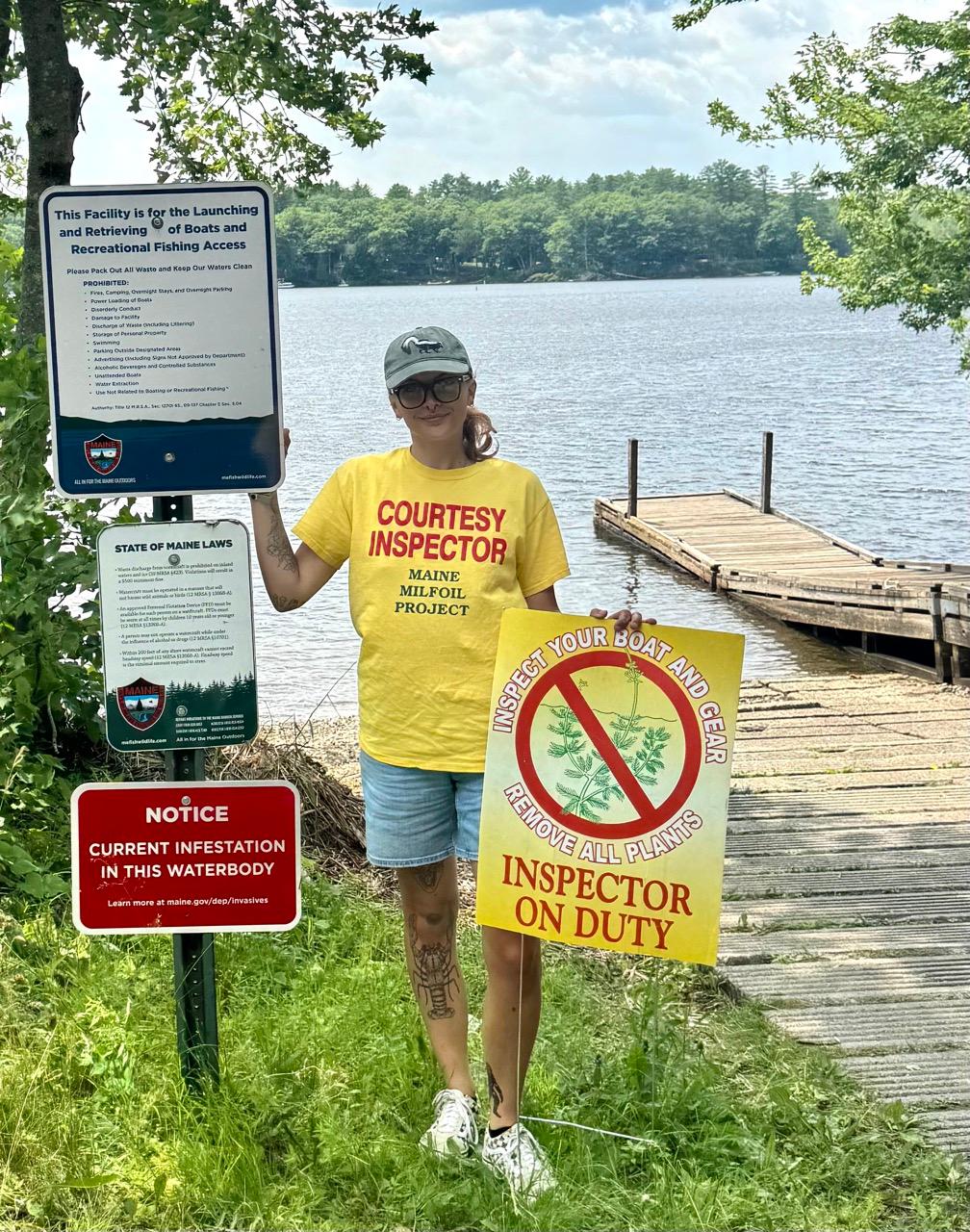
Aquatic Invasive Species Program Assistant: Katie Cilley
A student at Unity Environmental University studying Wildlife Conservation, Katie has worked for 30 Mile each summer since 2023, first as a courtesy boat inspector (CBI), then joining our invasive plant patrol team. (IPP). As the AIS Program Assistant, Katie leads the CBI and IPP teams in the field and helps with program coordination to keep our AIS efforts running smoothly.
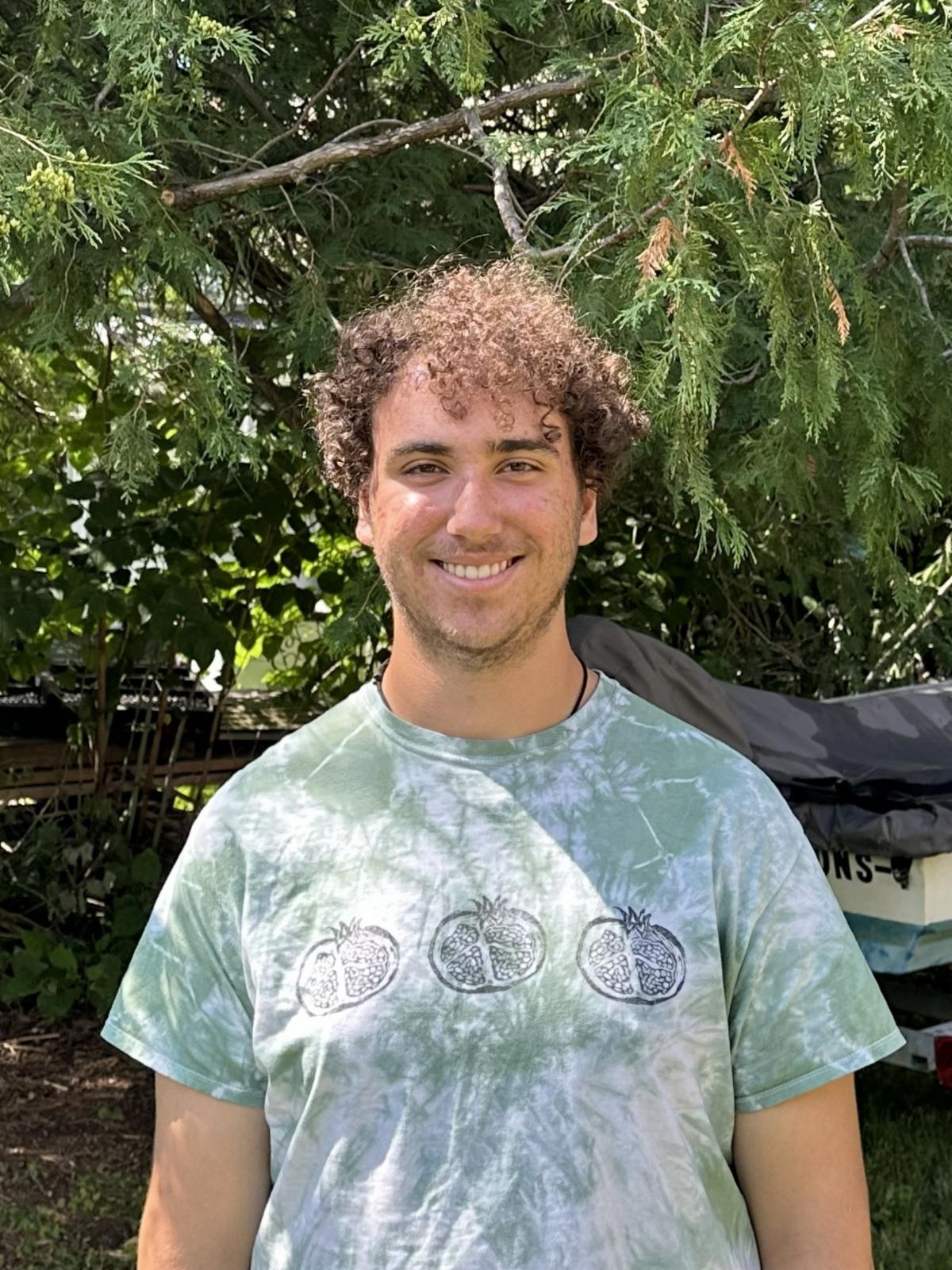
Maine Geospatial Institute Intern: Chris Reed
Chris joined us in June as our Maine Geospatial Institute (MGI) Geographical Information Systems (GIS) Intern. Chris is a student at the University of Maine at Farmington studying Earth and Environmental Sciences and pursuing a certificate in GIS.
This summer Chris is digitizing septic system data throughout the watershed, focusing primarily on the Androscoggin Lake shoreline properties, building upon our existing septic database.
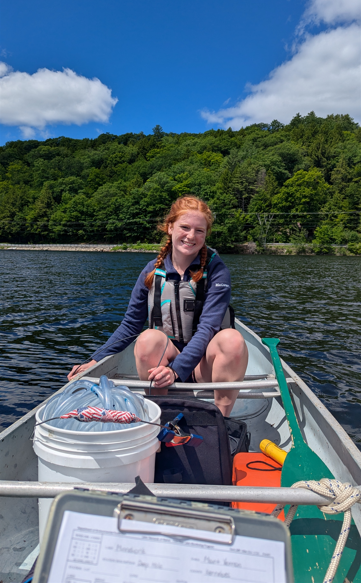
Water Quality Intern: Nora McCourt
Nora is a student at Bates College studying the social sciences with a keen interest in Environmental Studies. Her role includes water quality monitoring, data entry and reporting, and collaboration with volunteers. She is also helping with land use surveys, courtesy boat inspections, and community events.
Nora grew up swimming in many of the lakes in the 30 Mile River Watershed and is very motivated to help protect the water quality of those lakes that mean so much to her and the community.
| | L-R: Katie Cilley, Chris Reed, Nora McCourt | | |
Free Workshop
Best Management Practices for Homeowners
| | |
Join 30 Mile and the Androscoggin Lake Association (ALIC) as we host Maine DEP's Nonpoint Source Training Center’s Best Management Practices for Landscapers and Homeowners.
This workshop focuses on how to control erosion and reduce its impacts to natural resources. Collectively, hundreds of sites shedding small amounts of soil can equate to several dump trucks worth of sediment being dumped into the lake every year.
Participants will (1) learn important concepts for controlling erosion on residential sites, (2) gain a fundamental understanding of the regulations and permits required when disturbing soil near natural resources, (3) discuss the importance of selecting and installing appropriate vegetation for the site, (4) comprehend the significance of maintaining their septic system, and (5) explore other tools available for creating long term resilient residential landscapes.
This workshop is geared towards shorefront property owners, but these best management practices extend far beyond the shoreland zone with erosion control!
Where: Androscoggin Yacht Club, 22 Lake St, Wayne
When: Friday, August 14th, 2026. Refreshments: 9:45am, Presentation: 10-11am
Register: Here
Partners: ALIC, Maine DEP, 30 Mile
Funding for this project, in part, was provided by the U.S. Environmental Protection Agency under Section 319 of the Clean Water Act. The funding is administered by the Maine Department of Environmental Protection in partnership with EPA. EPA does not endorse any commercial products or services mentioned
| | |
Septic Social
How is my system affecting the lake?
| | |
Join septic experts, lake scientists, and local residents for this FREE event to learn about how septic systems influence our lakes!
Experts will discuss how septic systems work, the impacts failing and unmaintained systems have on water quality, and how you can care for your system to best protect our lakes. This event is open to all, and anyone with a septic system is encouraged to attend!
Where: Mount Vernon Community Center
When: Friday, August 21st, 2026. 9:30am - 11:00am
Register: Here
Partners: Parker Pond Association, Maine DEP, 30 Mile
Funding for this project, in part, was provided by the U.S. Environmental Protection Agency under Section 319 of the Clean Water Act. The funding is administered by the Maine Department of Environmental Protection in partnership with EPA. EPA does not endorse any commercial products or services mentioned
| | Share your photos for a chance to win! | | |
Do you enjoy taking photos on the lakes, ponds, and streams that make up the 30 Mile River Watershed?
Share your favorites with us by September 30th for a chance to win in our Annual Photo Contest!
The categories: Lovable Loons, Spectacular Scenes, and Watershed Wildlife (includes fish too, but not loons).
Prizes:
- 1st Place - 30 Mile t-shirt (many color options) or 30 Mile water bottle
- 2nd Place - 30 Mile hat or 30 Mile camp mug
- 3rd Place - 30 Mile mug or a watershed map poster & sticker
Entries may also be featured in our annual watershed calendar or on a watershed puzzle.
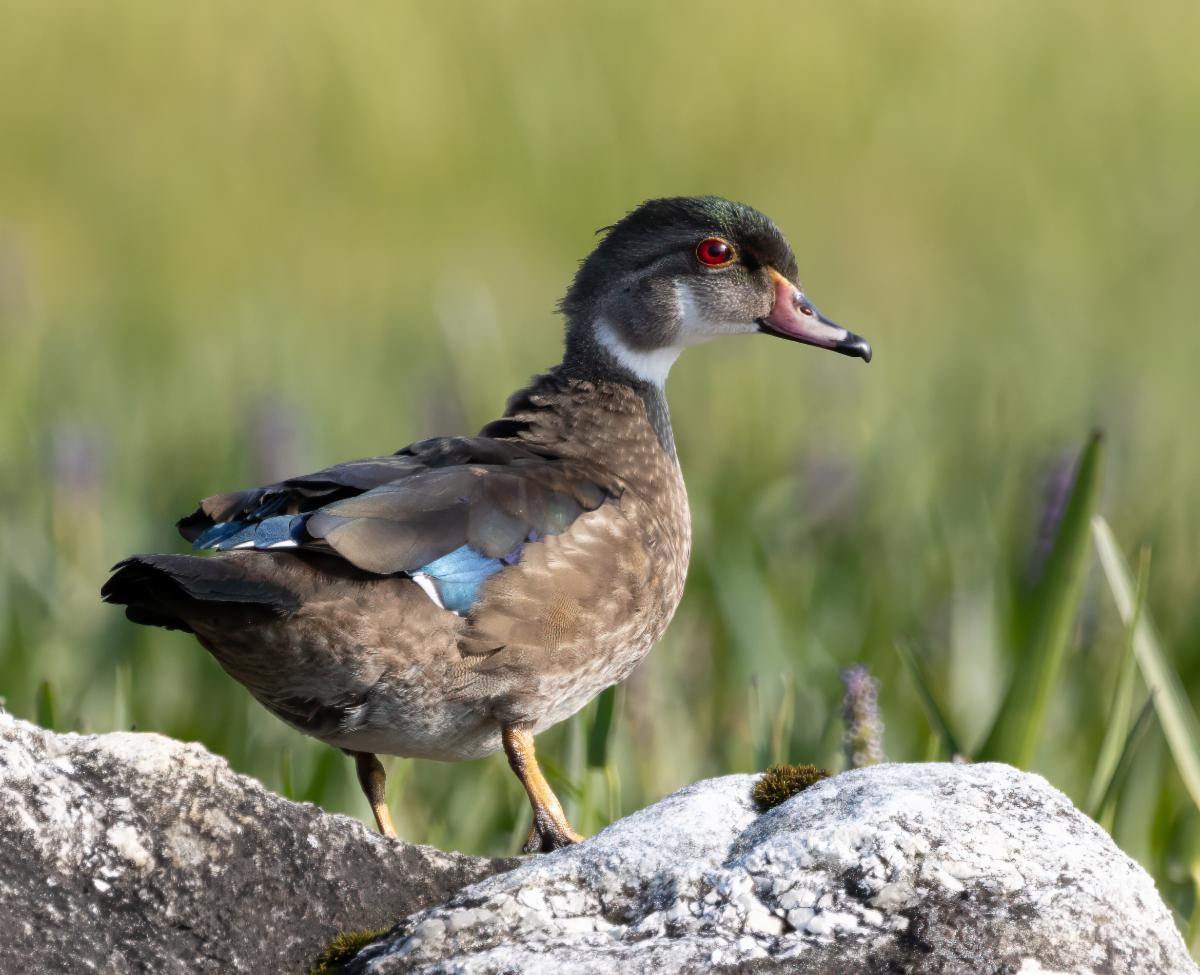
| | Photo: Juvenile Wood Duck by Pamela Santin. | | LakeSmart Tip: Plant Plants for Wildlife | | |
Native plants offer food and shelter for wildlife, including native pollinators (like bees and butterflies!). Vegetated shoreline buffers are most effective for erosion control and habitat creation when layered with different sized trees like canopy and midstory trees, shrubs, and ground cover.
Our friends at Maine Audubon recently shared a story about finding four different bird’s nests all in trees less than two feet tall! “The instant you put a native plant in the ground, it starts providing value for wildlife,” said Maine Audubon’s Jocelyn LaClair. The nests were found in pine and spruce trees, yet other conifers like firs and cedars also provide ideal habitat for our feathered friends.
| | |
Planting small native trees along with herbaceous plants can increase your species hosting capacity. Plants like goldenrods (Solidago) and asters (Symphyotrichum) support the largest number of caterpillar species. These native plants, along with many others, serve as a food source for butterflies, beetles, bees, and other pollinators. The influx of larvae on these native plants also doubles as a great resource for birds feeding their young, who rely exclusively on caterpillars!
Planting native plants for the benefit of wildlife (and the lake!) is the easiest way to protect our precious resources while also ensuring native critters have a place to call home.
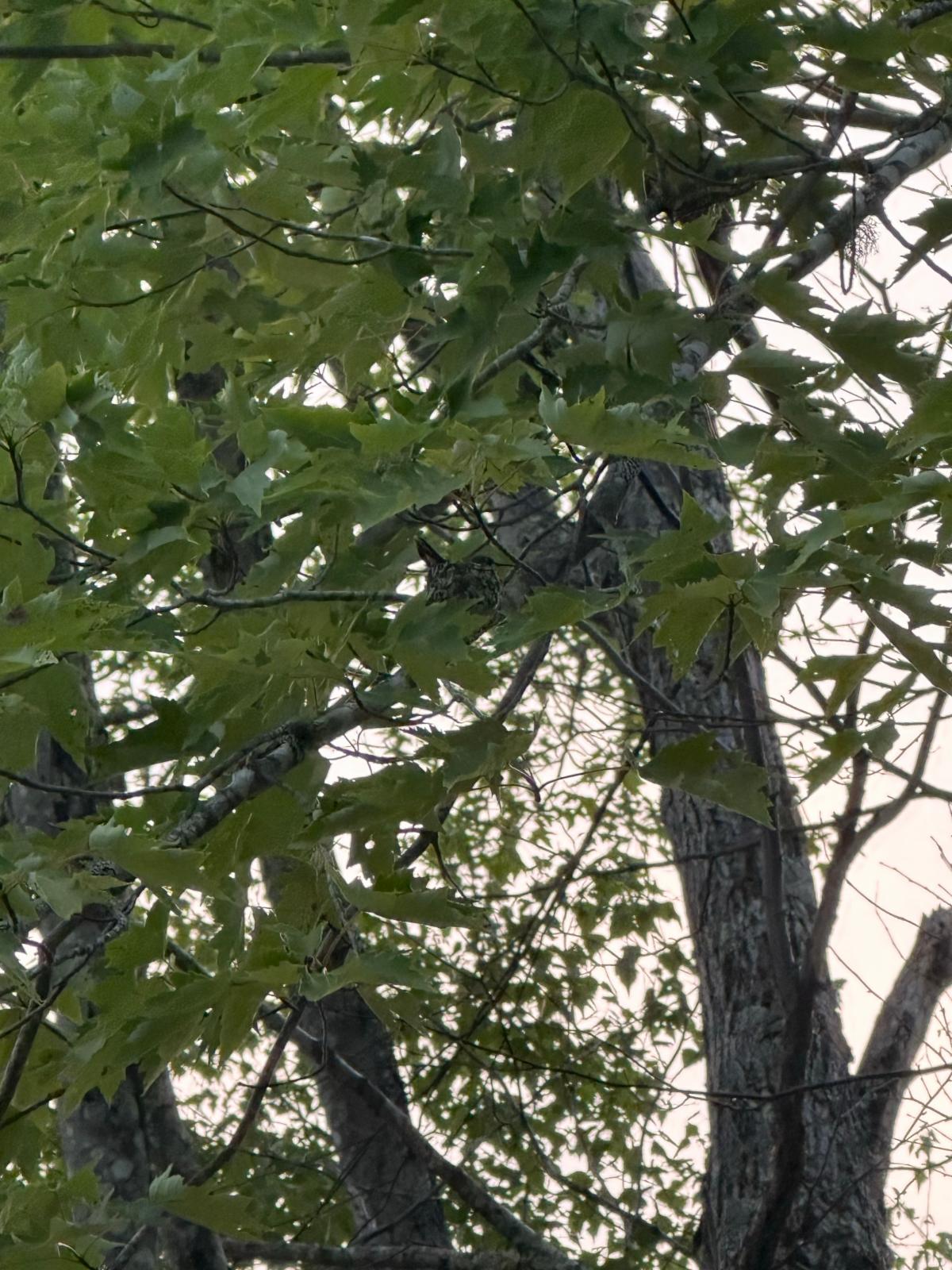
| | Photo: A hummingbird nesting in a lakeside tree | | REMINDER: Watch out for loons while boating | | |
Earlier this month, a courtesy boat inspector from Lakes Environmental Association in Bridgton found a loon that had been killed by a boat propeller in their watershed.
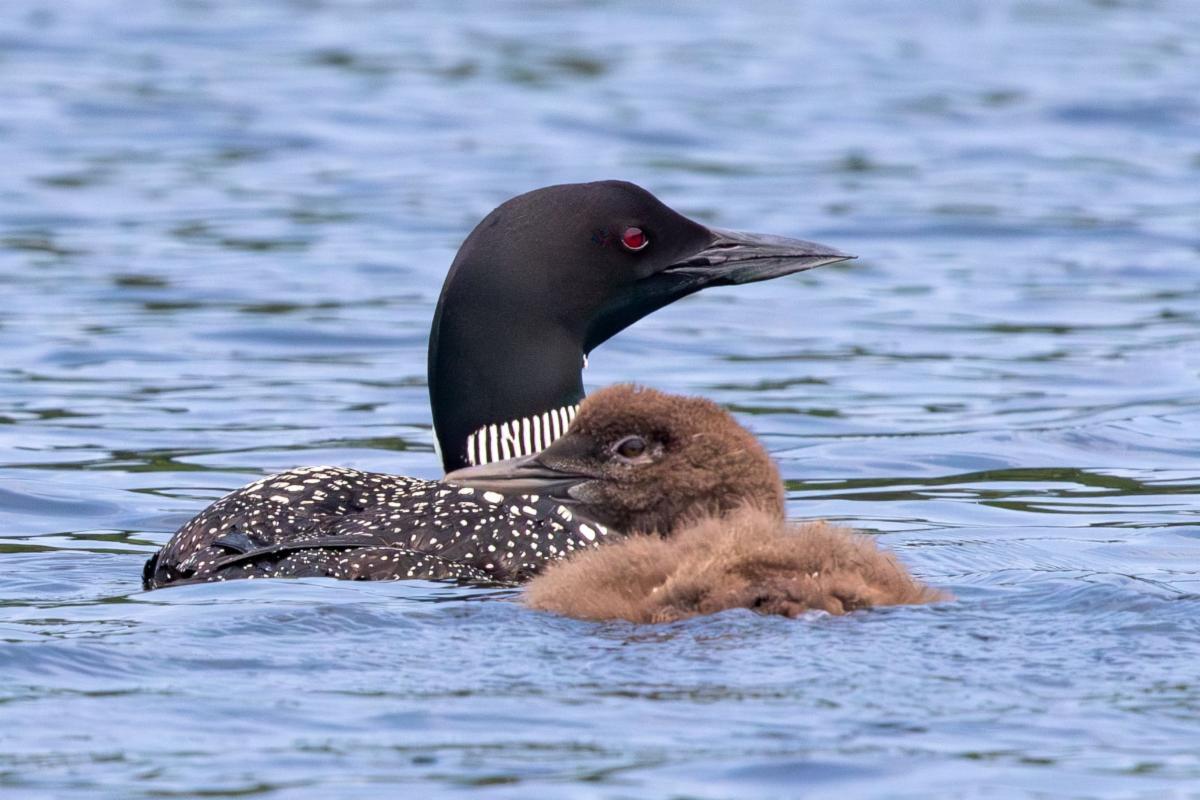
We are sharing their reminder to be cautious near loons when out on the lakes. Please keep your distance and move away when loons display warning signs (loon behavior can be found here). Chicks are not able to swim out of the path of a boat easily; be sure to give plenty of room when navigating past.
| | |
Help keep our lakes' loons safe and read more about how you can help protect Maine loons here.
It is illegal under Federal law to harm any migratory bird, including loons. If you see someone intentionally harassing loons, please contact the Warden service immediately at 207-452-4664.
| | | |
Zip, Zap, Zop? What about Clean, Drain, Dry?
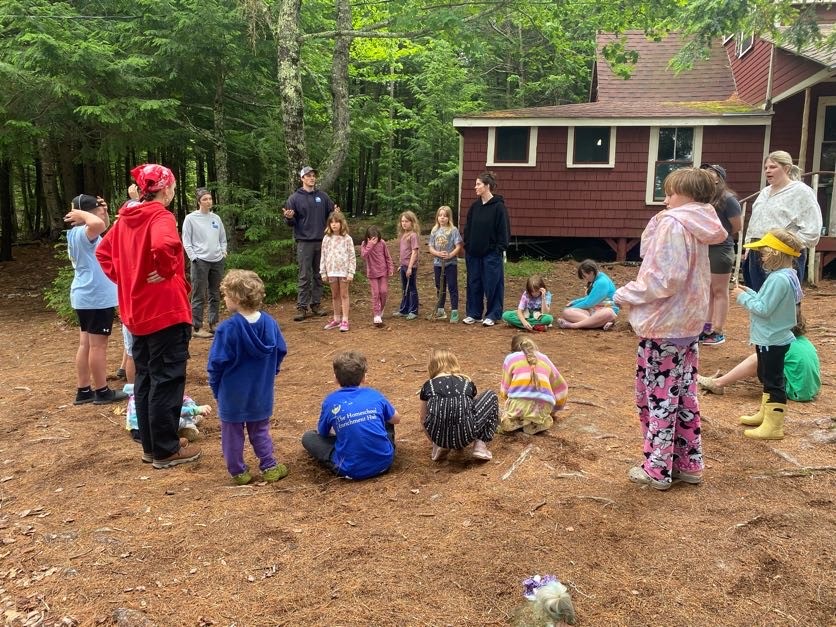
Learning about invasive species at Camp Bearnstow
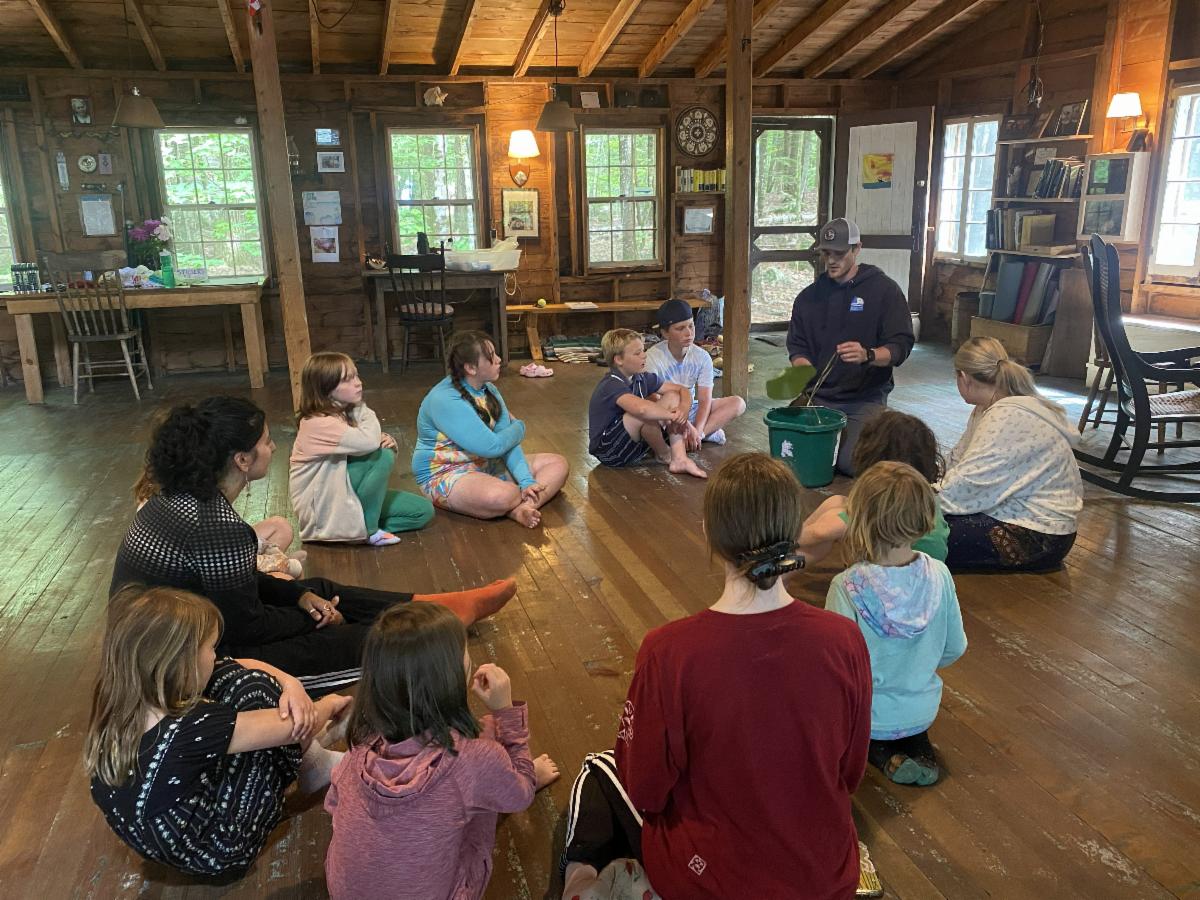
| | 30 Mile staff visited Camp Bearnstow’s Day Camp on Parker Pond for a fun and engaging afternoon teaching campers about aquatic invasive species (AIS). From interactive games like “Zip, Zap, Zop” (but using “Clean, Drain, Dry” instead) to emphasize the importance of inspecting boats, to “Sharks and Minnows” (but using native and invasive plants) to emphasize how fast AIS can spread once introduced, campers learned how important it is to protect our lakes. Campers also went through stations that included hands-on observation and sketching of native and invasive plants and of course, we finished with a couple games of Watershed BINGO! | | |
In the Heat of Summer:
Recapping our Recent Events
| | |
Open House
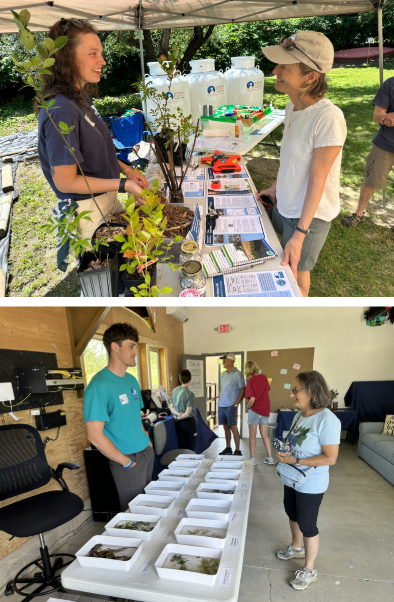
On Sunday, we held our second annual summer open house in our space in Mount Vernon Village. Visitors stopped by to meet staff and board members; learn about our aquatic invasive plants, water quality monitoring, and land use management programs; and hear about what lies ahead.
Thank you to Longfellow’s Greenhouses and ReTreeUS for donating a selection of buffer plants for our door prizes.
| | | | | |
Strawberry Festival
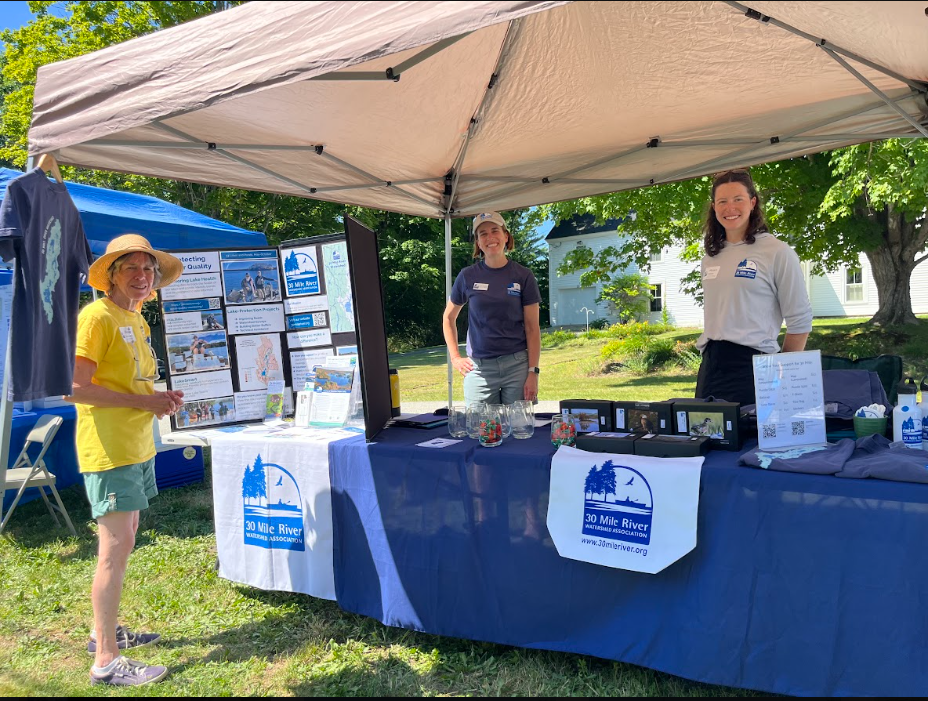
30 Mile staff and board members tabled at Wayne Village’s Annual Strawberry Festival to speak with visitors about our work and answer questions about the Watershed.
| | |
CBI Training
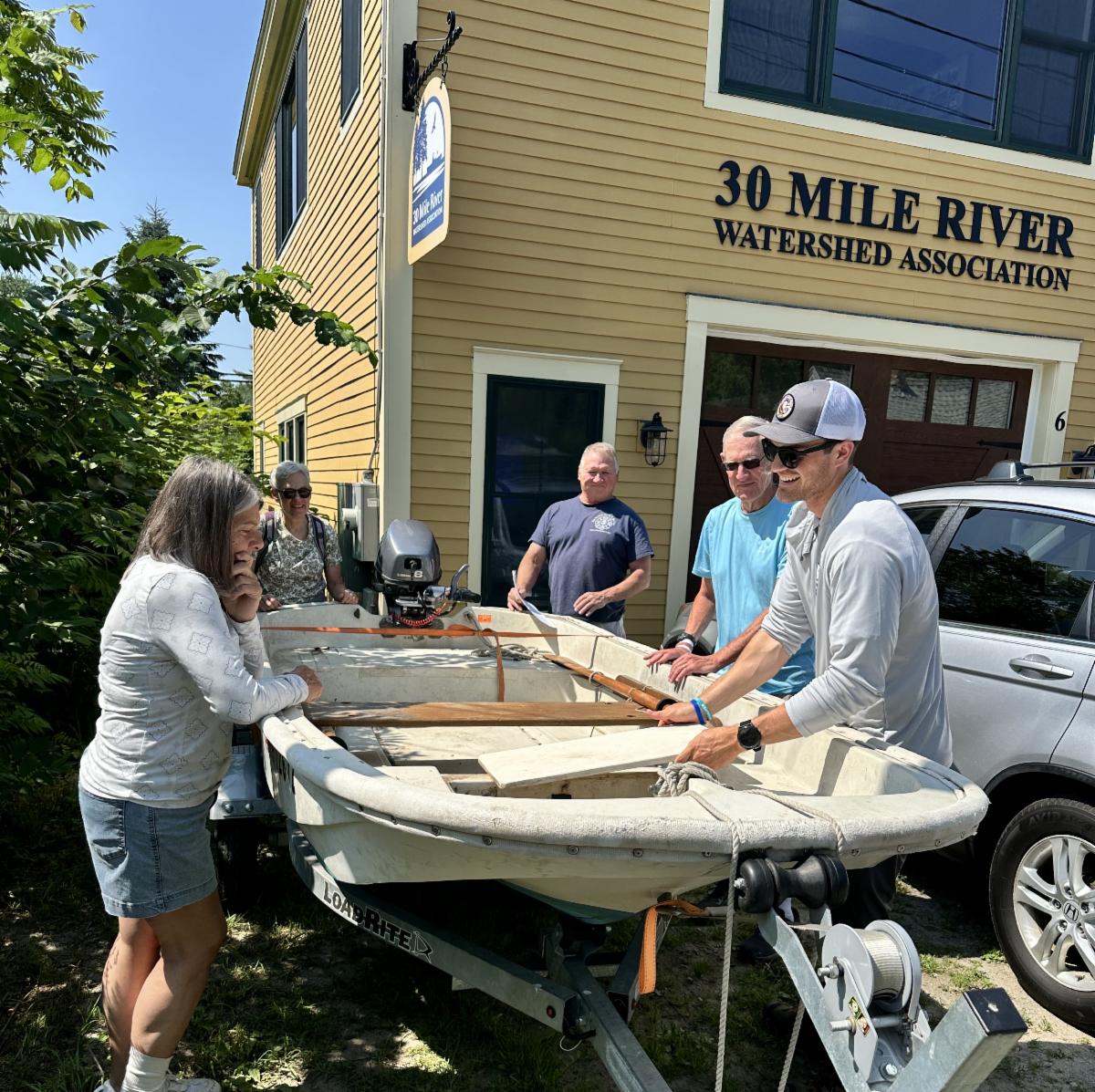
During our most recent training, new and returning volunteer Courtesy Boat Inspectors (CBIs) came together to strengthen the "first line of defense" against the spread of aquatic invasive species!
| | | | | |
LSM Live Plant I.D.
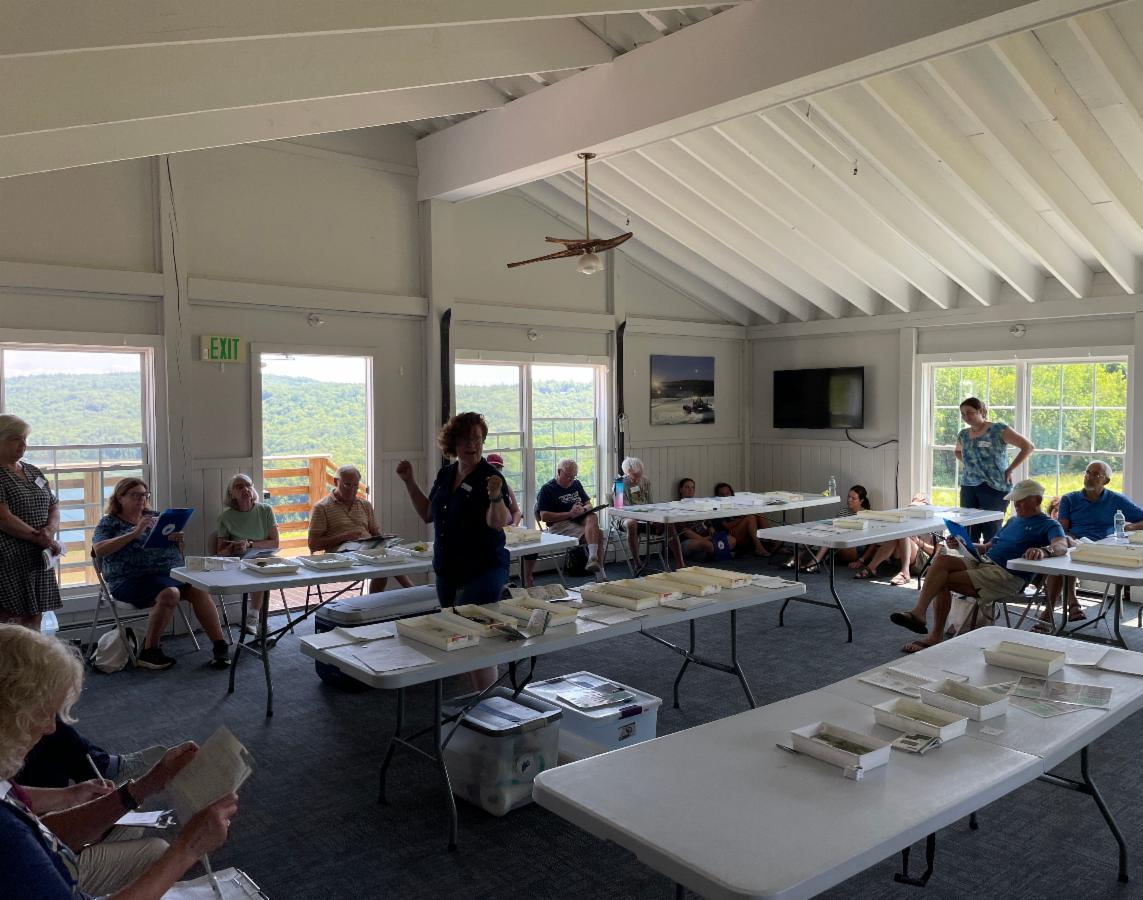
For the third consecutive summer, we partnered with Watershed Friends to co-host Lake Stewards of Maine's Live Plant ID workshop.
| | Support 30 Mile! Your gift today will make a difference in protecting our lakes from phosphorus pollution, invasive species, and other threats. Find the giving level that works for you. | | Follow us on Facebook and Instagram! | | | | |