Wednesday October 7, 2020
Greetings!
Question 

I board my horse at a sanctuary/boarding ranch, and we have a horse that got here from a feedlot rescue, being unloaded from a trailer and set into the pasture. She’s been in this pasture for three years, untouched. She is fat and happy and wore her feet on her own. But she needs vet work done...the owner has had multiple people out here to work with this horse and they have roped her to get her into a round pen and tried all sorts of things. The slight raise in our hands and she is terrified. No one has been working with her for some time now, and the owner and I were able to herd her into a smaller pen in the pasture. 
 
We have a nice gentle woman who will just sit with her and try to gain her trust. But, like I said, a slight raise in our hands or anything and she cowers. This horse obviously had some sort of trauma and so far the closest we can get trust in three years is feeding her a treat and a slight touch on her nose. I have seen mustangs less afraid... what should the owner do?

Answer
One cannot imagine how many questions come through regarding sanctuary horses. Even though it is a minefield of problems, I consistently congratulate those who would attempt to create a better life for these precious individuals. 

Imagine if you were a flight animal and some athletic individuals showed up, raised their arms in the air, swung a rope in circles and then cast it around your neck so that they could pull you into a smaller enclosure. I submit the next time somebody raised their hand, the flight animal would attempt to flee. 

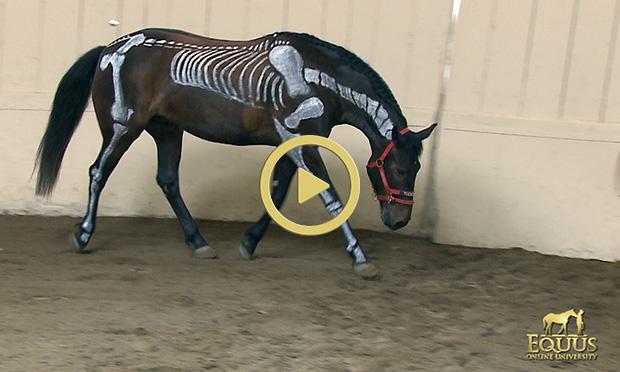
There are so many ways to accomplish these efforts without roping and forcing. I need to continue to remind people about my Equus Online University and my textbook, From My Hands to Yours. Neither one of these efforts is inclusive of roping the untrained horse.

Those who assist me in promoting my courses titled “Gentling Wild Horses” should realize that we need to be more diligent these days to fill these courses, as more caring individuals are reaching out to create better lives for untrained horses that are looking for a home.

We will keep trying, so you keep watching and we will attempt to fill in the required information.

Sincerely,
Editor's Note:  

If you're curious to see how Monty earns a horse's trust, watch the new live stream program on Horse and Country TV from October 12 to 16. You'll see Monty work with eight horses he has never met before. Some will be receiving their first saddle and rider, some will be there to overcome remedial issues such biting or kicking and some will be gaining more training such as politely coming to the mounting block or to work on their lead changes. The 60-day pilot for Monty Roberts’ new Mustang & Transition Horse Program (MRTHP) will kick off live on Horse & Country TV on October 12. Click here to read more about it: https://montyroberts.com/monty-roberts-mustang-transition-horse-program-launches-live-on-hctv/


MONTY'S EQUUS ONLINE UNIVERSITY
THIS WEEK'S EPISODE
SPECIAL EVENTS 
GLOBAL
October 12, 2020: A 60-day pilot for Monty Roberts’ new Mustang & Transition Horse Program (MRTHP) will kick off live on Horse & Country TV.
USA
Postponed to early 2021: CHA Equine Facility Manager Certification at Flag Is Up Farms in California
THE MONTY ROBERTS INTERNATIONAL LEARNING CENTER
October 12 to 16, 2020: Monty’s Special Training (English)
October 17 to 19, 2020: Long Lining Module 03 (3 days)

Learning
I've been riding for many years and have recently found that Monty's guidance is a blessing. The horse I am working with is in need of assurance and the training methods Monty uses are exactly what this horse needs. Thank you for the opportunity to understand the language of horses.

Jodi B., Verified Buyer


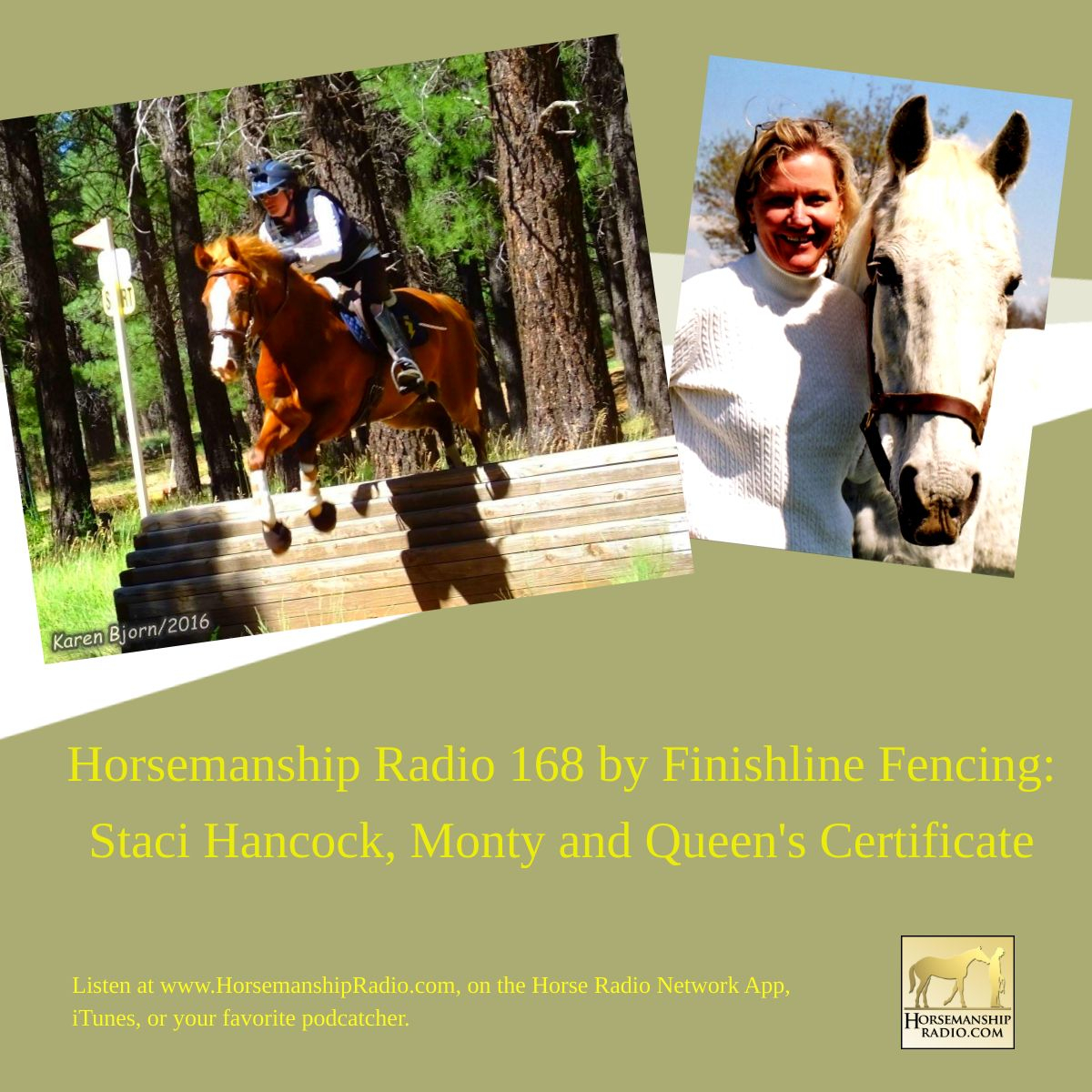
Staci and her husband Arthur Hancock III have raised 3 Kentucky Derby Winners on their Stone Farm outside Paris, Kentucky. Staci has played an integral role in the farm’s success and has a huge passion for the horse and farmland conservation. And Jamie Jennings joins Monty to share about receiving a Certificate from Queen Elizabeth ll. Jamie excels at transitioning horses off the racetrack to their second careers, and also has a deep love for gentling mustangs. Jamie is co-host of the popular Horses In the Morning podcast and also hosts the Retired Racehorse Radio about the adoption, care and training of the retired racehorse.

 
MONTY'S CHALLENGE

Test yourself each week as I challenge you to answer the question below. I mean this. Sit down and write an answer. Don't wait for my answer next week. If you have been reading my Weekly Questions and Answers for the last six months, you should be in a position to do this. Send your answer to my team at: askmonty@montyroberts.com 
 
Why should you bother? Because it will help you focus. There is probably a comparable question in your life that needs answering... or will be. If you can gain insight into how to go about answering a practical question that is loosely related to your problem, this exercise will help you answer your nagging question. Then read my answer. I want all of my students to learn to be better trainers than me.That's good for you and good for horses! 
 
~ Monty 
  
NEXT WEEK'S QUESTION

How do I stop my fast horse without pulling hard on his mouth? I am a big fan of your work, and I have read your book. I am a hunter jumper, and ride English. My horse gets fast, and I don't want to pull really hard on his mouth but that is the only thing that makes him stop. (Now, he doesn't get dangerously fast, just fast enough for me to want to slow him down,) I have looked through the Q and A and my interpretation is that you said to back them up when they got fast, then proceed with a loose reign. My problem though is that I can't stop him and back up without pulling hard on his mouth. How can I stop him and back up without causing him pain?