|
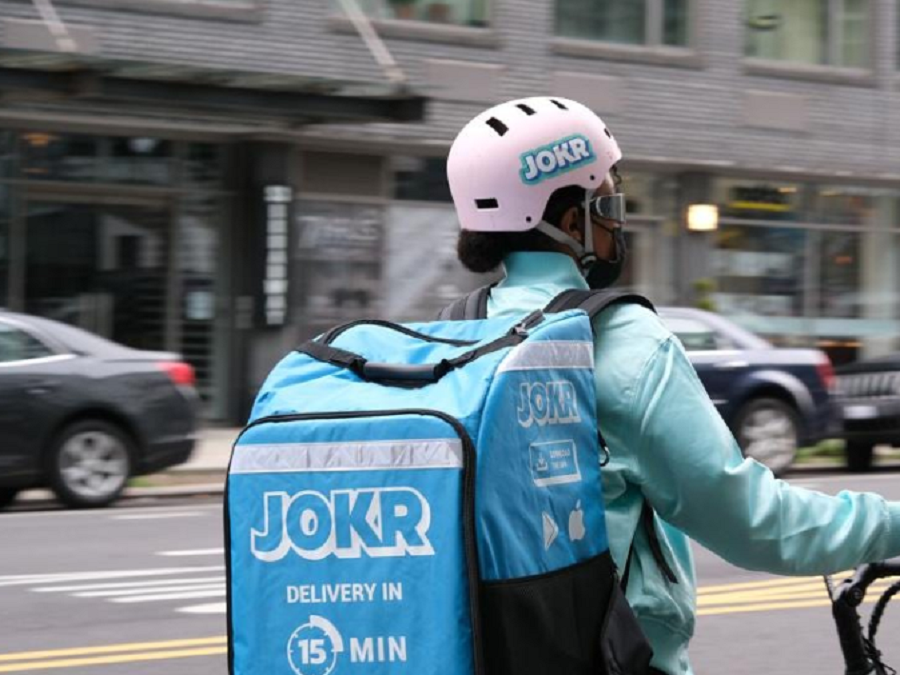
OVER THE LAST few years, the delivery industry has pursued ever-decreasing delivery times ― from two-day, to next-day, to same-day. And the latest trend in this race is seeing more and more “ultrafast delivery” services popping up, with some promising delivery in a mere 15 minutes.
This new market is attracting plenty of entrepreneurs and investors, too. In Toronto, a new company called GoodGood was launched by a former co-founder of the food ordering app Ritual. GoodGood brought in more than $6 million in its first funding round. In the U.S., a company called Gopuff, promising "daily essentials delivered in minutes," is valued at nearly (USD) $9 billion.
“Fifteen-minute delivery changes the way you shop,” said Zachary Dennett, who is helping launch the ultra-fast delivery company Jokr in New York. “Customers first try us out because they forgot an ingredient. Then they use us the next night for all their dinner ingredients. And then your mindset changes.”
Established companies are also looking to get in on the game: just recently, DoorDash added a bunch of hourly employees to launch their own 15-minute delivery service, called DashMart.
It remains to be seen whether these companies, mostly financed by venture capitalists with deep pockets, will be sustainable. Similar to startup scenarios like that of Uber, the strategy to attract users is often to subsidize each transaction or offer steep discount codes — a strategy that won't work forever. During the dot-com bubble, a company called Webvan attempted to pioneer 30-minute grocery delivery ― in three years, it had gone bust.
But if today's iterations can avoid that, the potential payoffs are huge.
“Now people get Ubers all the time,” one academic, Dr. Jamie Woodcock, told The Guardian. “It’s changed our relationship to transport. And I do think there is a chance this will change our relationship to shopping.”
|