|
Greetings!
This year, the rainy season is the heaviest I’ve seen in forty years. At this elevation and latitude, rain can be very local and intense. Because the rain washed out many dirt roads, we must check in with local people before heading out to their area.
While the weather is so intense, we keep our basic activities going and continue to introduce new things as we and the people here discover additional practical ways to improve life.
Observing the growth of the Project, I’m often asked how it all got started. I hope you enjoy my story of the beginning of this work.
| | |
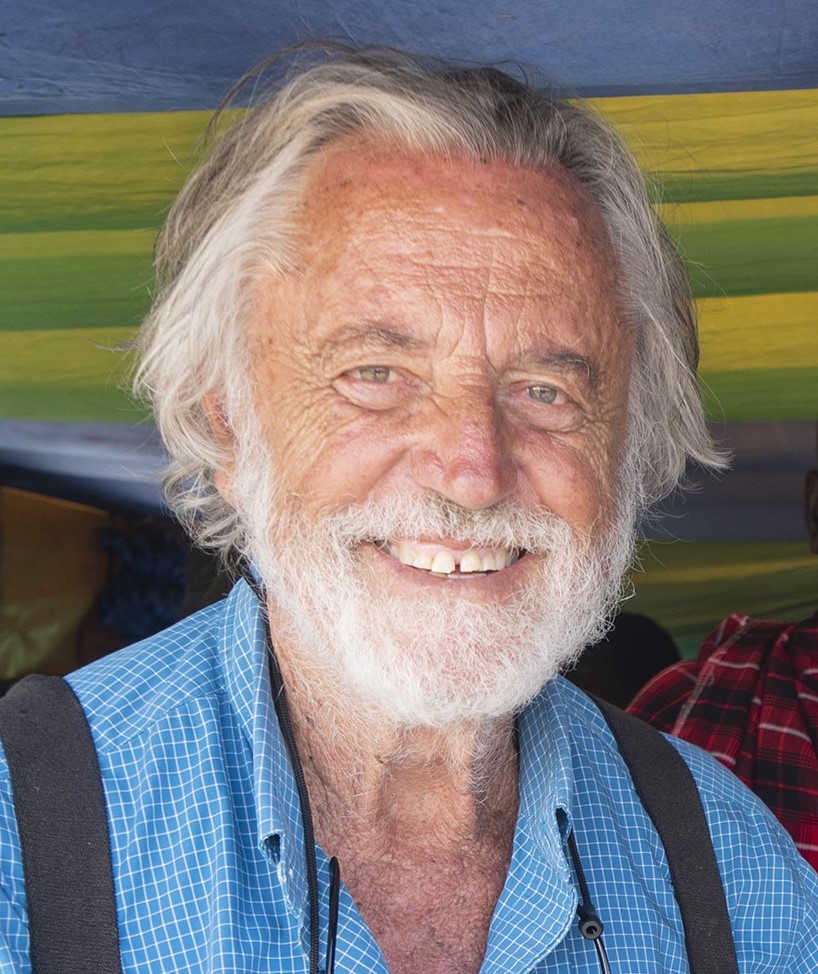
As current Project work continues, expands, adapts, and intensifies, I find myself reflecting on how it all started, more than seventeen years ago. I remember the motivation and the beginnings of commitment, along with anticipation of fun and creative opportunities.
It did not feel at all like the beginning of a sacrificial mission. In fact, I looked forward to returning to my childhood passion for building things—very much encouraged by my father. My years of training and practice as a mathematical scientist had not left much time to follow that yearning.
When the opportunity arose, I intuited that working in rural Africa with people with many basic needs, but no money to meet them with expensive technology, was going to be a chance for me to reawaken that love of building that had been with me since childhood.
| | |
We started with stoves. And what was that about solar?
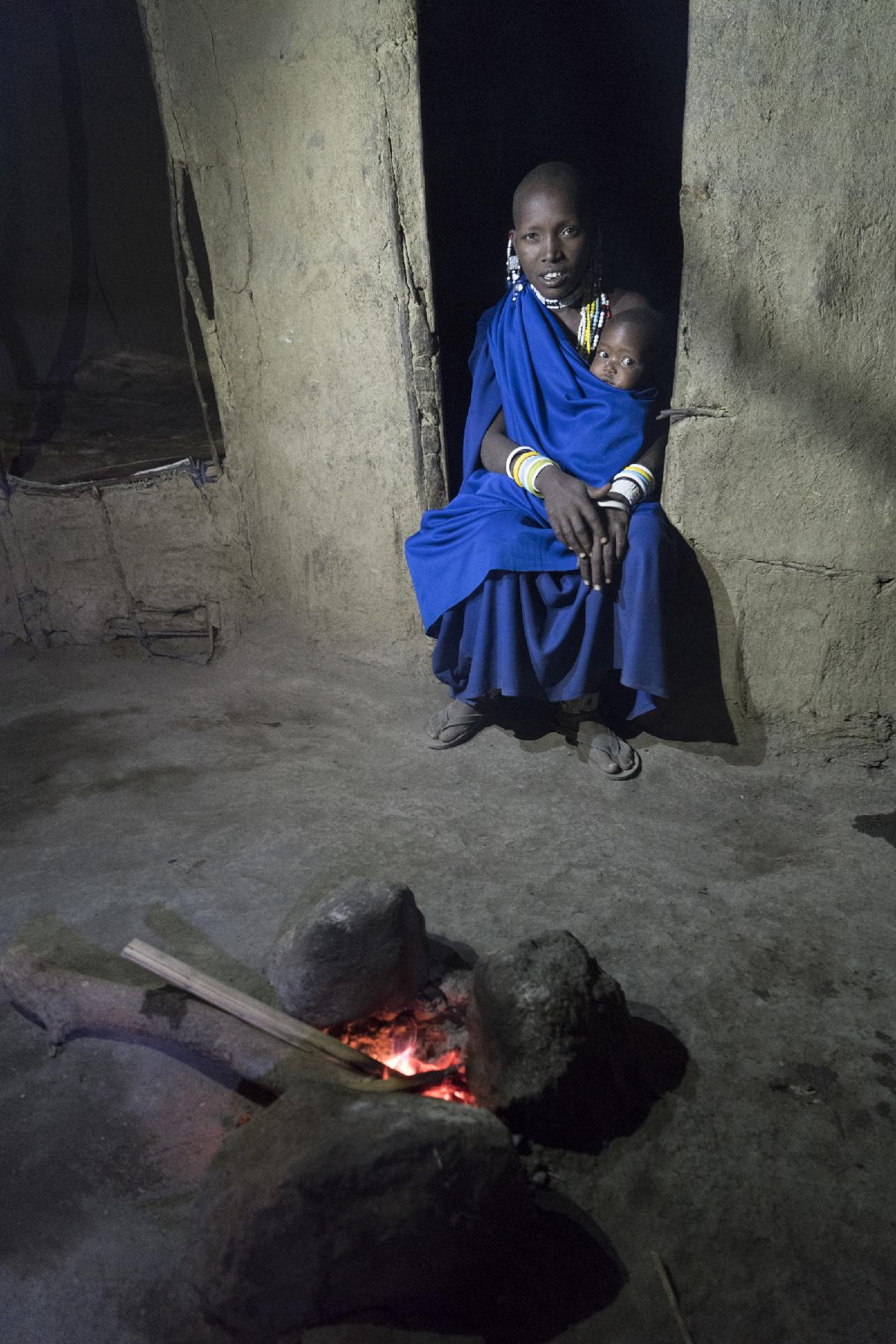
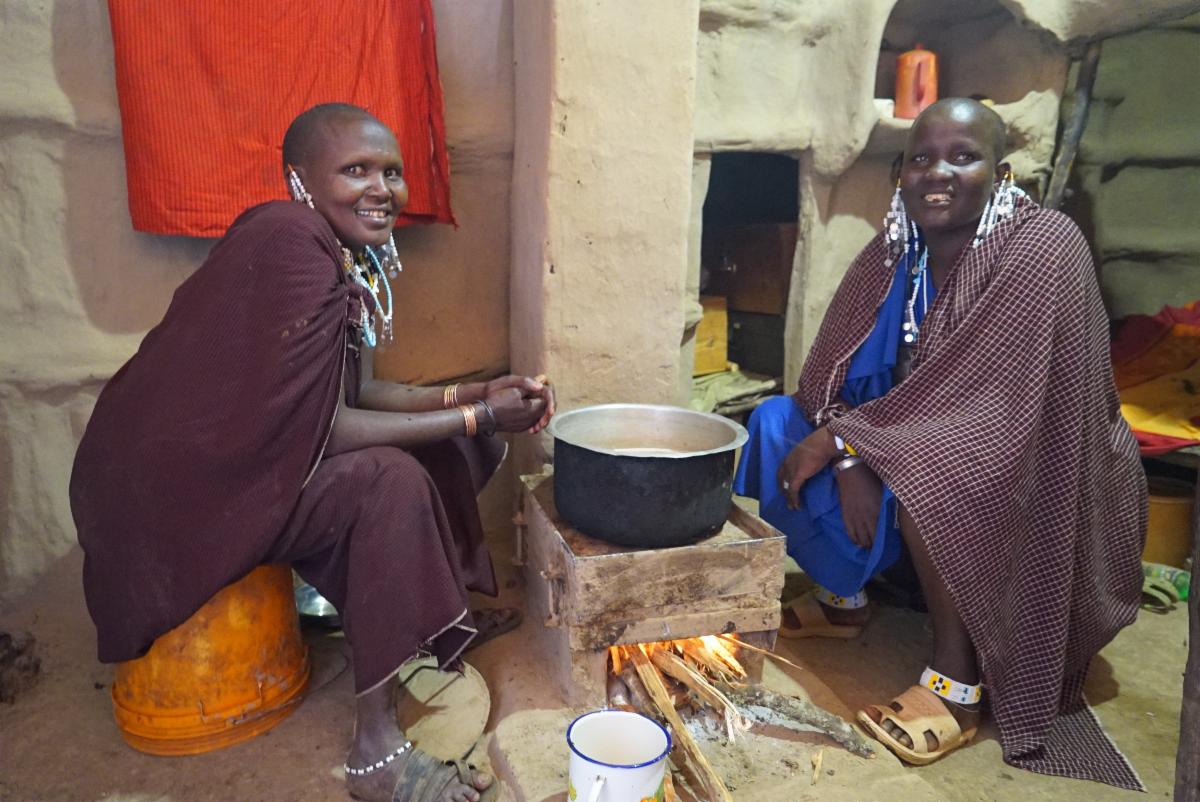
The current organizing and Project work across multiple sectors began with stoves. The first big challenge was to design an inexpensive stove that worked well for Maasai women to cook in their homes, replacing the open fires and the resulting indoor air pollution.
Our program for spreading the use of stoves and getting them into more homes, has grown to include multiple branches. But the reasons the people need the stoves have not changed:
- Get the smoke out of the house for healthier air
- No more badly burned kids from open fires
- Conserve forests by using less wood
- Reduce hours needed for women’s wood-gathering labor
.
Over the years, we’ve seen that this work proves that action and cooperation, along with reliable knowledge, changes lives and culture in good ways. This is especially true for moms and their kids. Everyone benefits from these changes and the entire village sees this.
It wasn’t long before we realized that this approach was right and good, and should continue as the central core or our work. Although our work in every sector has been worthwhile, the stove work continues to have special impact. This is not only for the women but for the villages, as a whole
| | |
It all began in Zanzibar
Robert Van Buskirk, a great friend from my activist days in the Boston area, was working in Eritrea at the time I finished my sabbatical at the University of Dar es Salaam. I had become involved in science education with the Ministry of Education of Zanzibar, and founded the ICSEE charity in 1992 during that time to be able to help fund the projects of the Zanzibar Women’s Corporation.
The Corporation had programs for helping women start and run businesses. They also dug wells in remote villages for access to better water. These were hand-dug wells about 10 meters deep, getting to fresher water below the salty water above.
Robert was interested in better stoves for homes in Eritrea and Ghana for all the right reasons. These included burning less fuel and lower greenhouse gas emissions, representing a small life improvement for all—not just the stove owners.
A better stove that makes for a healthier and safer home, along with a more pleasant indoor life is an end in itself. But Robert also wanted to express our thanks for this climate effect with a meaningful gift for the people willing to take on these changes.
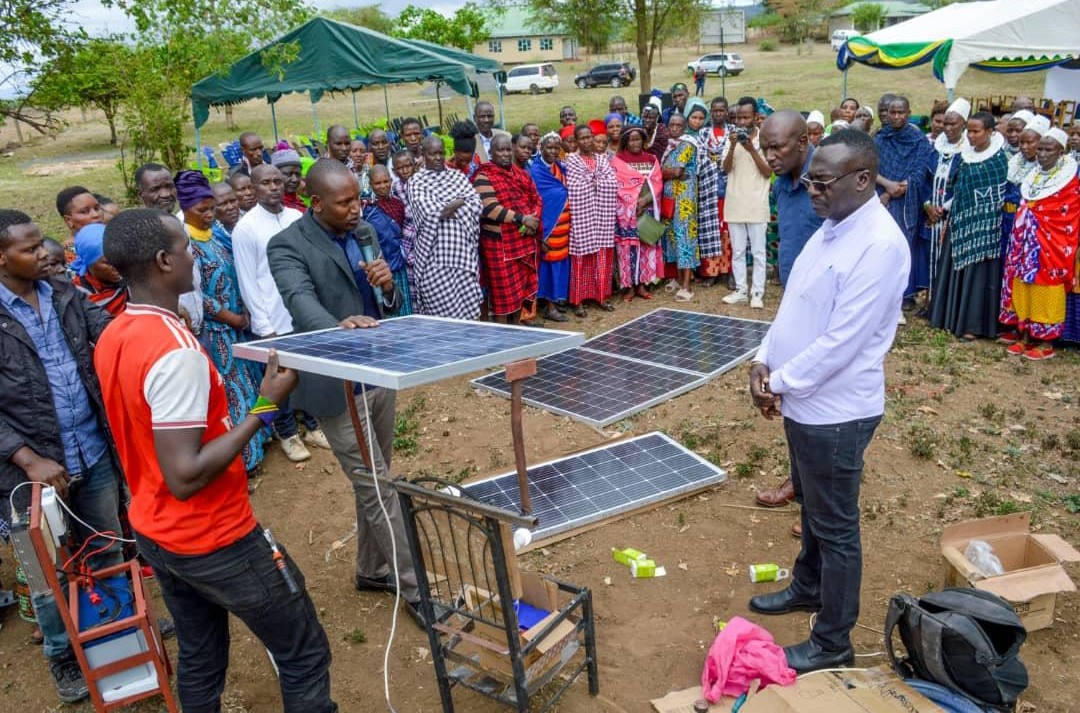
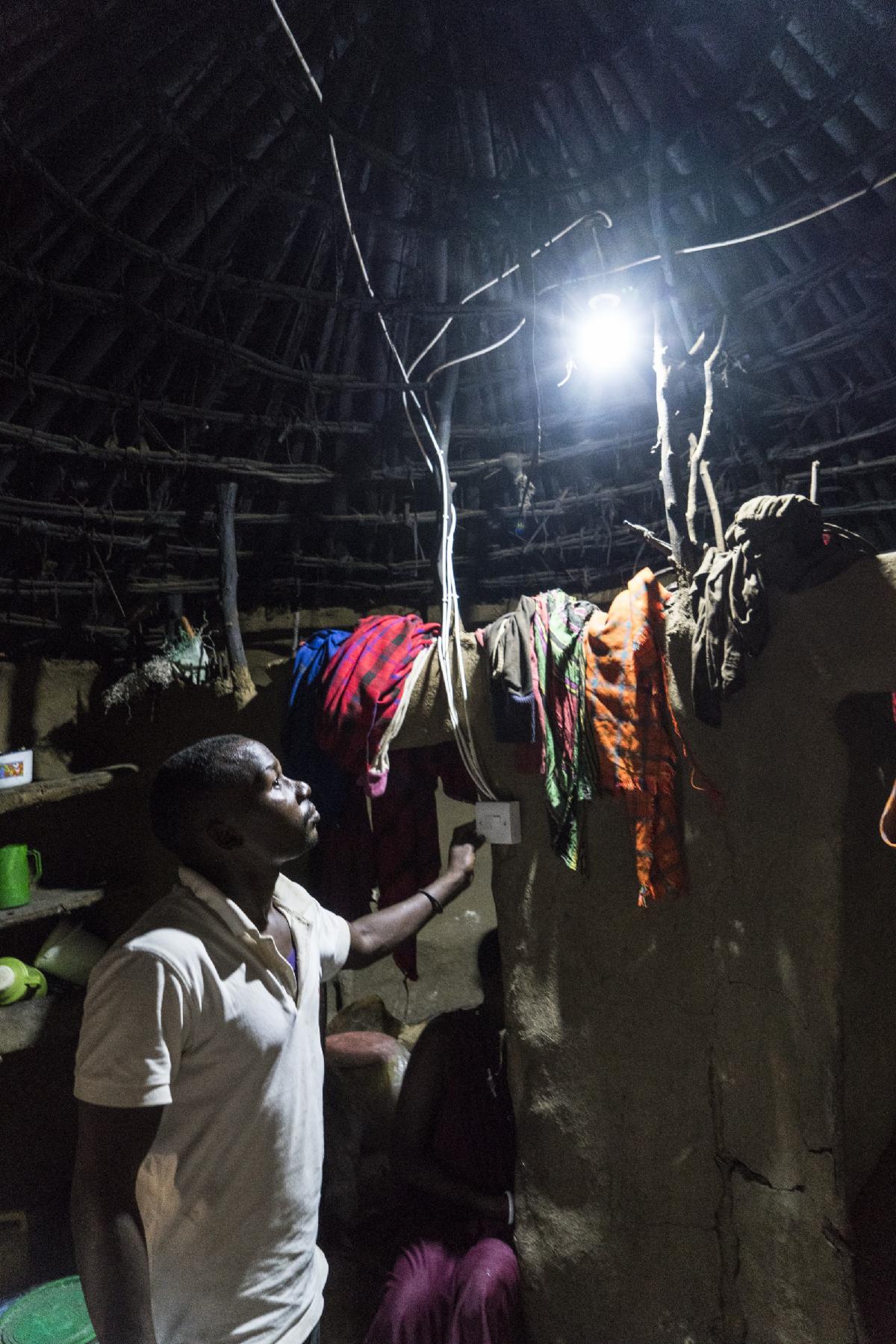
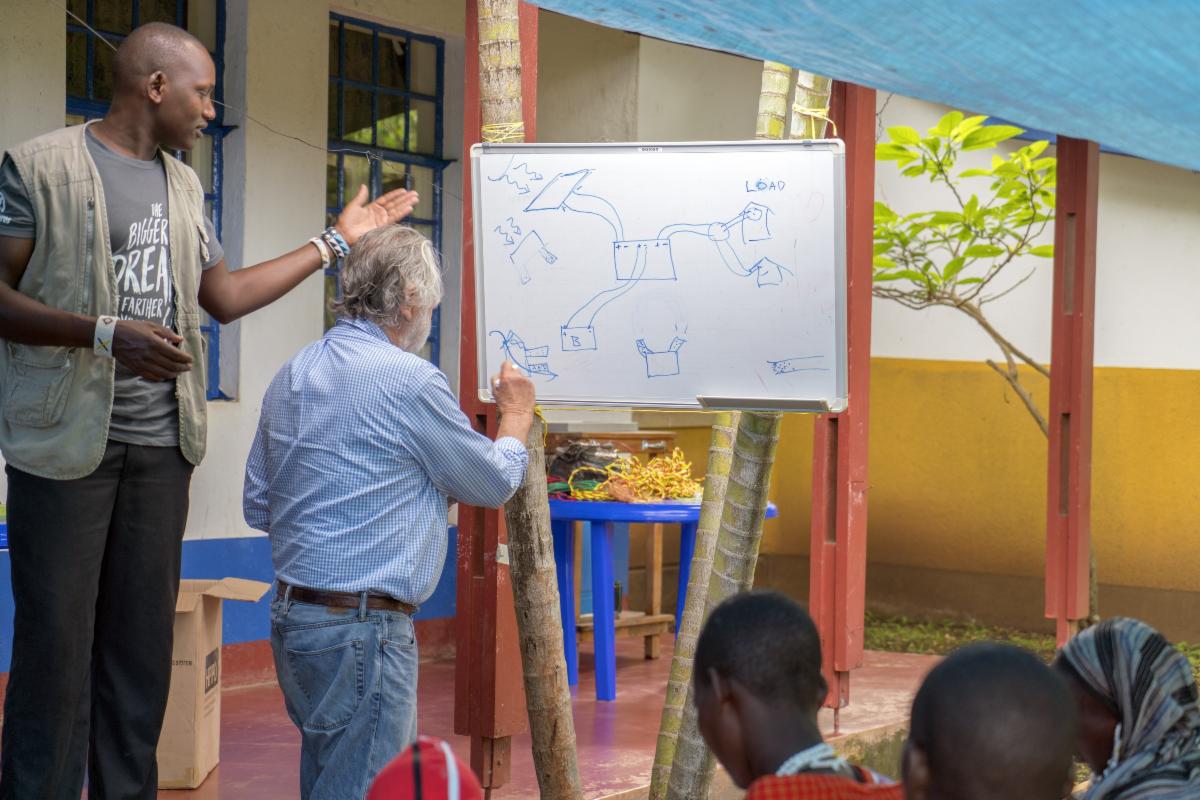
That is how we connected the solar-electric system work with the stoves. Solar-powered light in a rural home would be the perfect gift. It is, after all, a solution to another hardship of rural living: inconvenient and unsafe household night lighting.
Because I was already well-known in Zanzibar, Robert thought we could try out the stove and solar idea there. Together, we went to a couple of villages on Tumbatu island, off the northwest coast of the main Zanzibar island.
We started by introducing a small stove of mud we hadn’t made ourselves, but got from a local guy. They weren’t very good, and at that point we really couldn’t do any better—but it did get us going.
| | |
The next step
The important transition came through Gemma Buford, A British woman married to a Maasai man, the two of them started a school in Elwai village in upper Monduli.
Gemma was also helping girls who were escaping genital mutilation. I received and passed along U.S. donations to help her work.
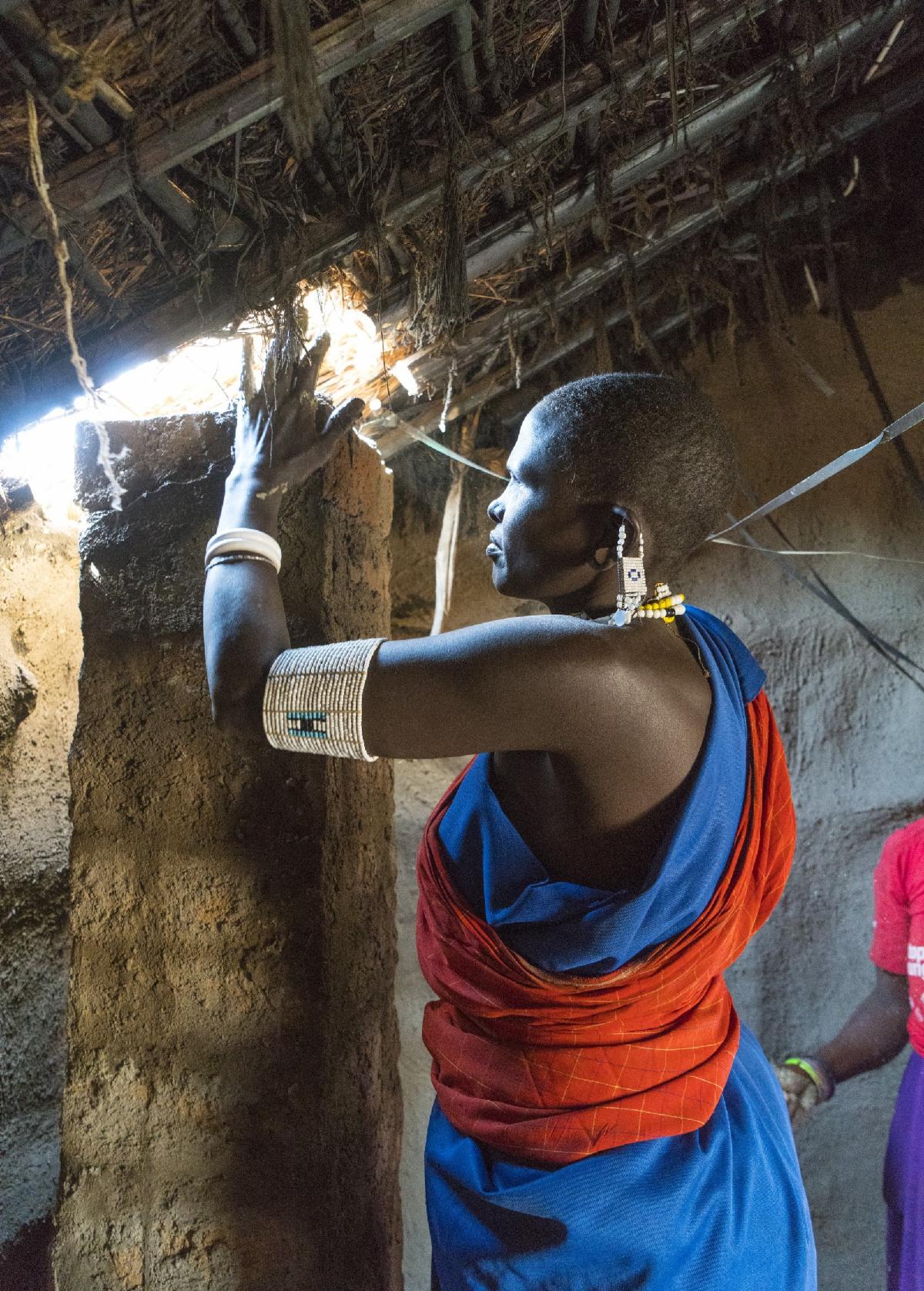
When she learned that I was interested in stoves and indoor life improvement, she suggested I come to see how the Maasai lived in their small, unventilated and smoky houses.
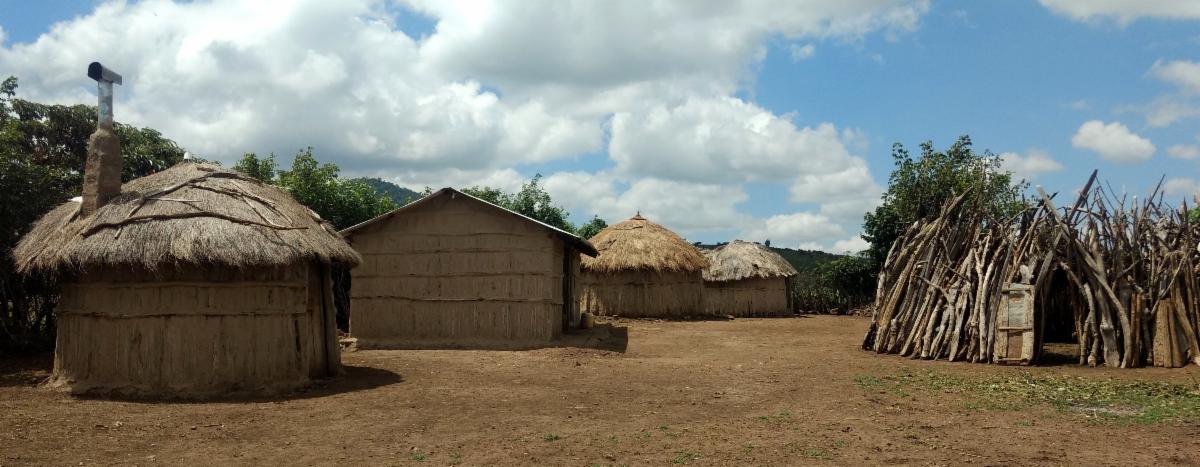
I accepted her invitation and came to Arusha. I visited the Maasai women in their homes and saw for myself how the Maasai women lived. It was life-changing for me. No one should live in such an unbearable indoor environment.
“Zanzibar is fine,” I said to myself, “but these Maasai homes are horribly unhealthy and I will come here and work.”
| |
Connecting with the people
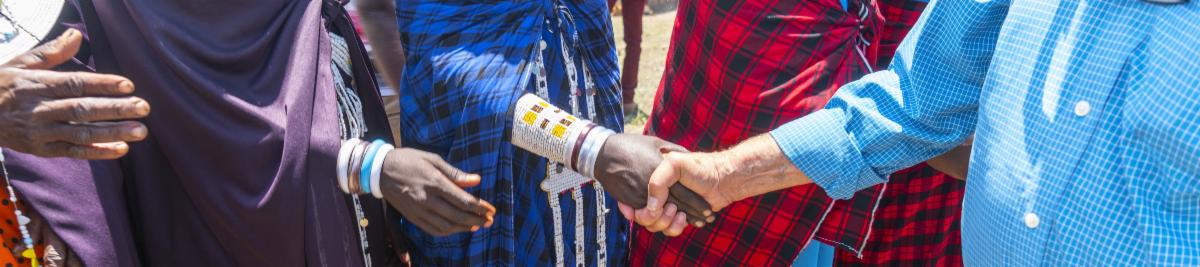
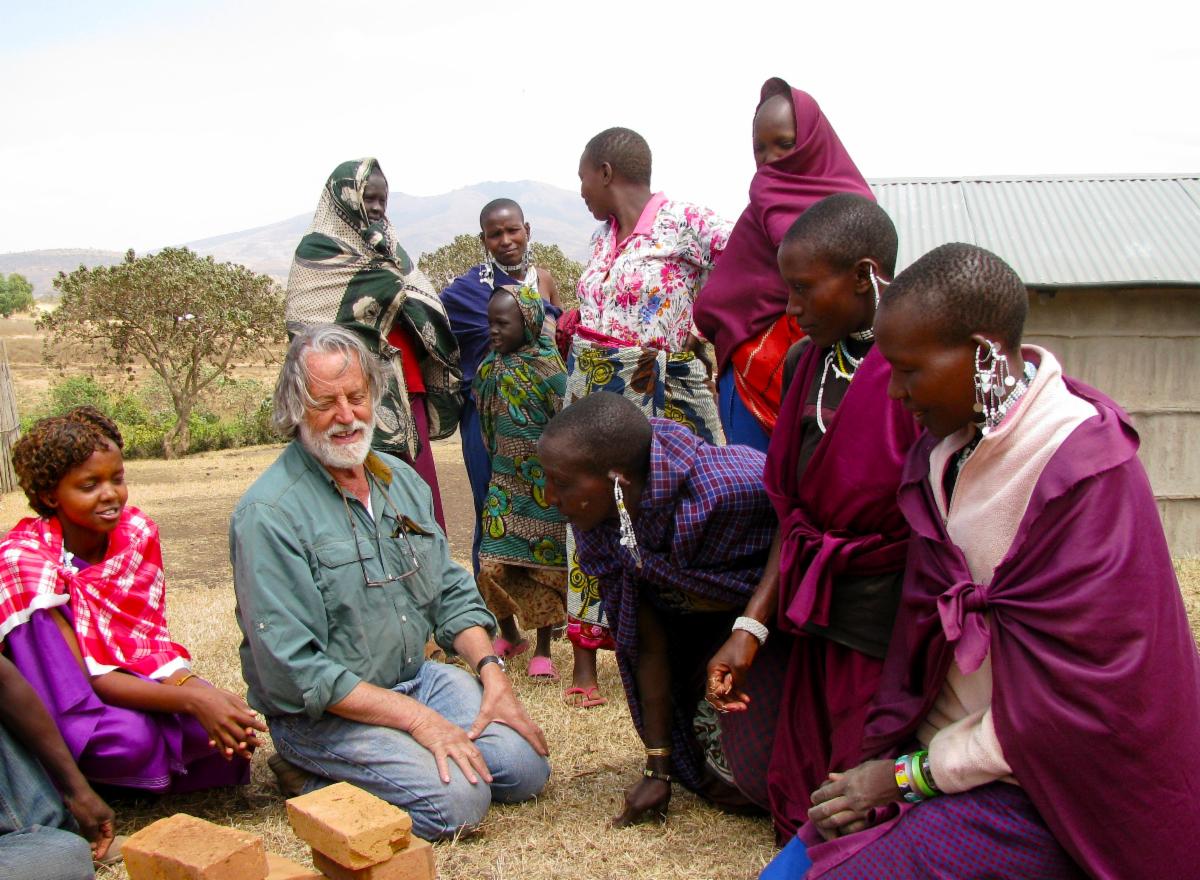
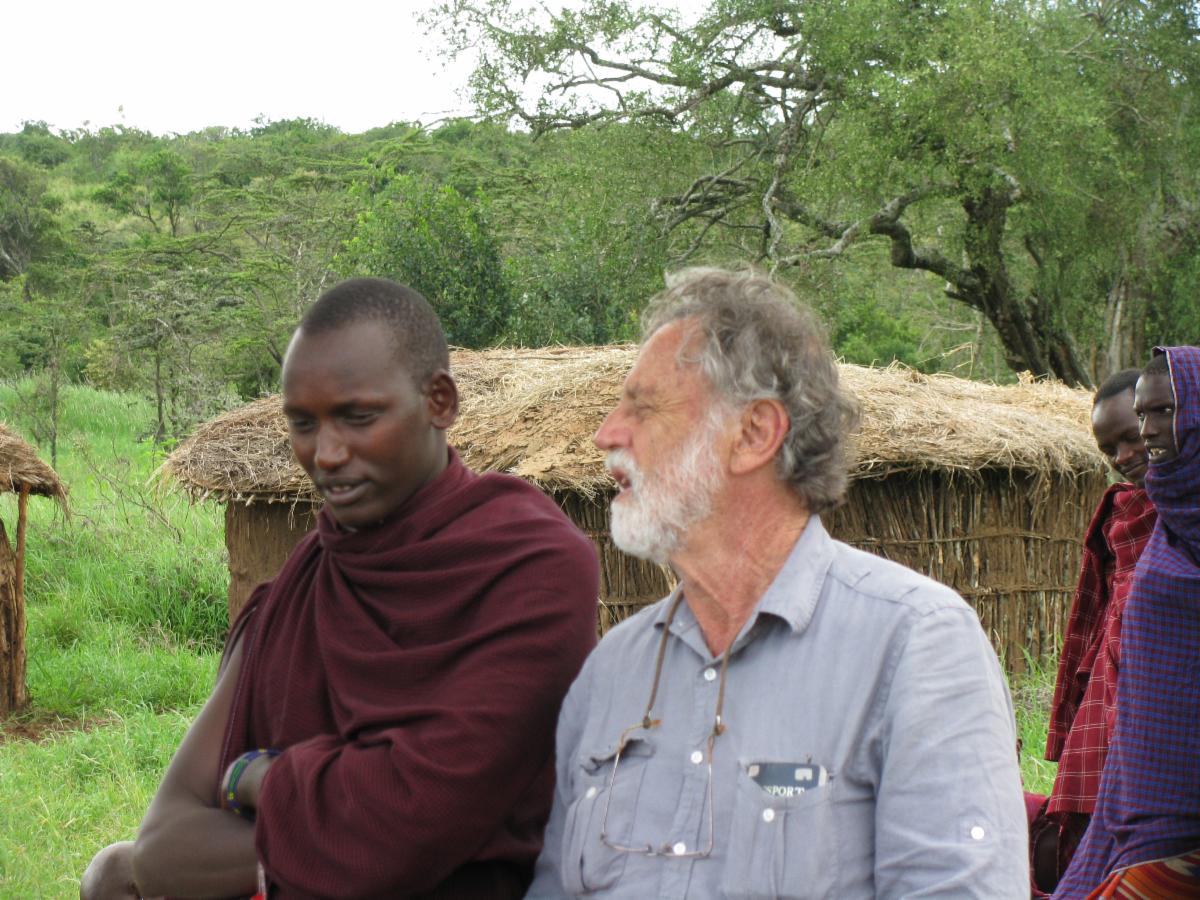
A meeting was organized with Maasai women, a few men, and the Chairman of Elwai Village. I hired a young man to be my translator for this meeting. It was Kisioki Moitiko who went on to become the Maasai Stoves & Solar Project Manager and my friend and brother.
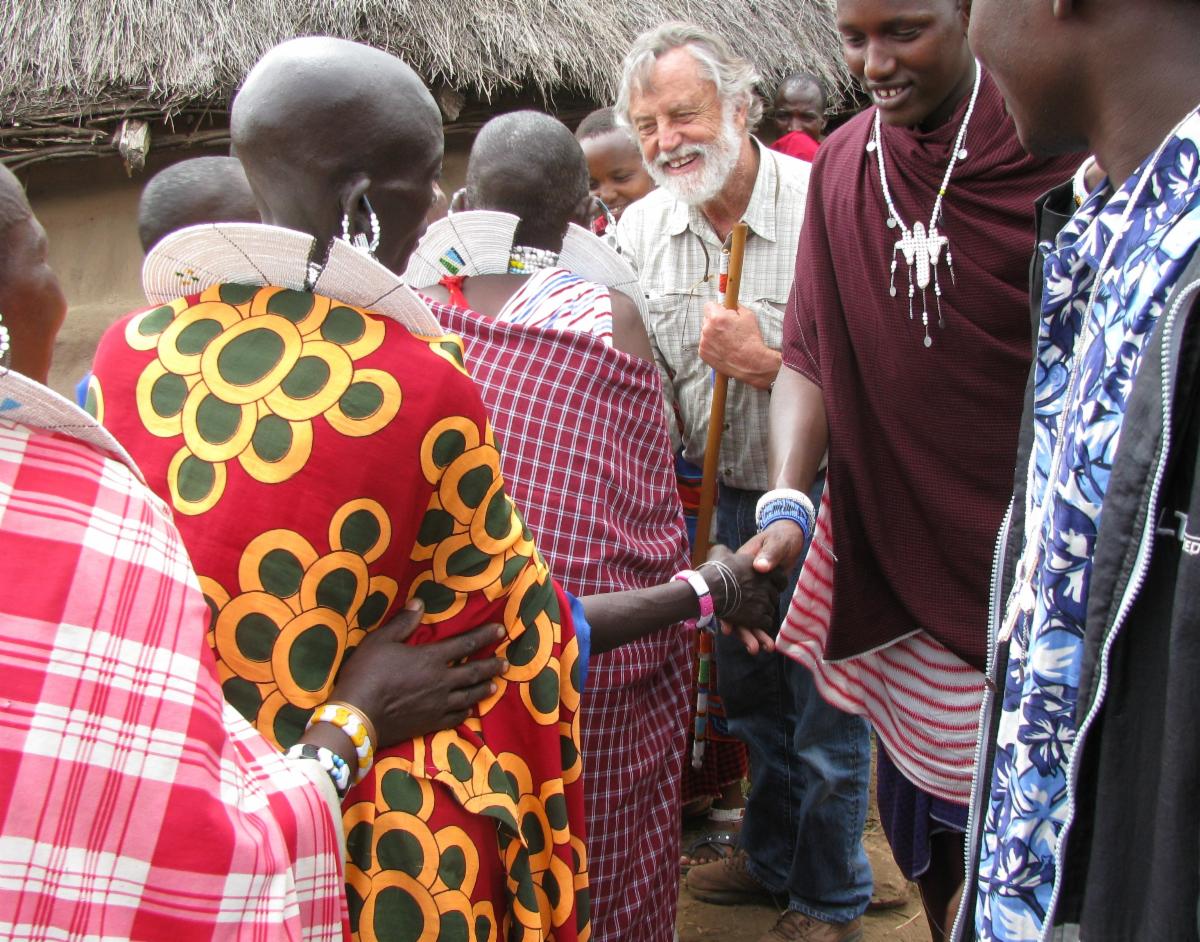
At the meeting, I didn’t say “I am coming to work here with you, what would you like?” They would have said, “more goats.” Instead, I said “Would you like to get the smoke out of your house?” The people clapped and cheered.
| | |
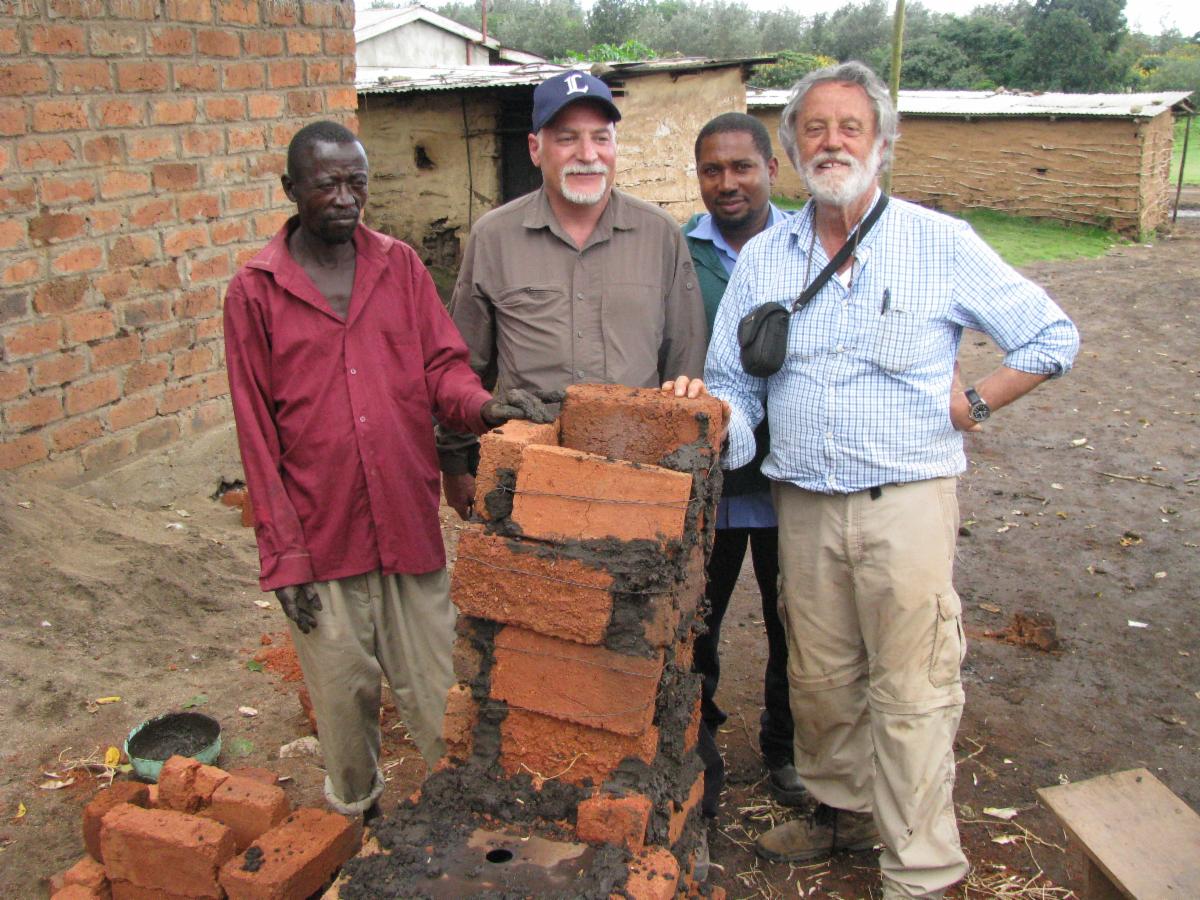
One of the Elwai village men had been making a bulky fired brick. At the time, I knew nothing about stove engineering, but as I described above, I had a lifelong passion for building things. And it seemed that starting with bricks made sense.
So, I had everything I needed: people wanting a stove, bricks to start building with, a group of local guys to help and play along with me, and an American friend from my teaching days who was here and interested. I started trying.
What should a stove be? It has to be a structure that burns fuel, keeps the fuel, smoke, and gas in the right places, gets a lot of energy concentrated at a cooking pot, and, finally, gets the poisons out of the house. Was I getting the idea?
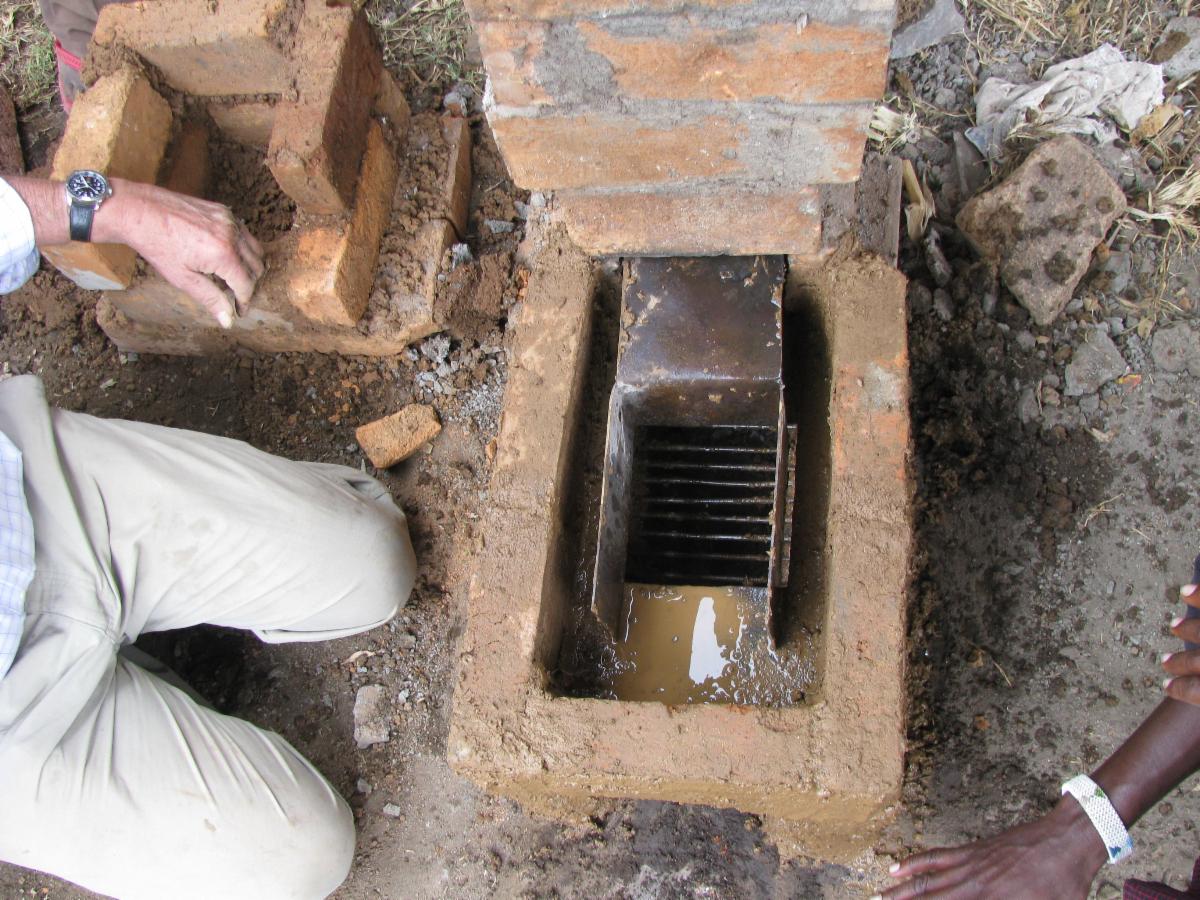
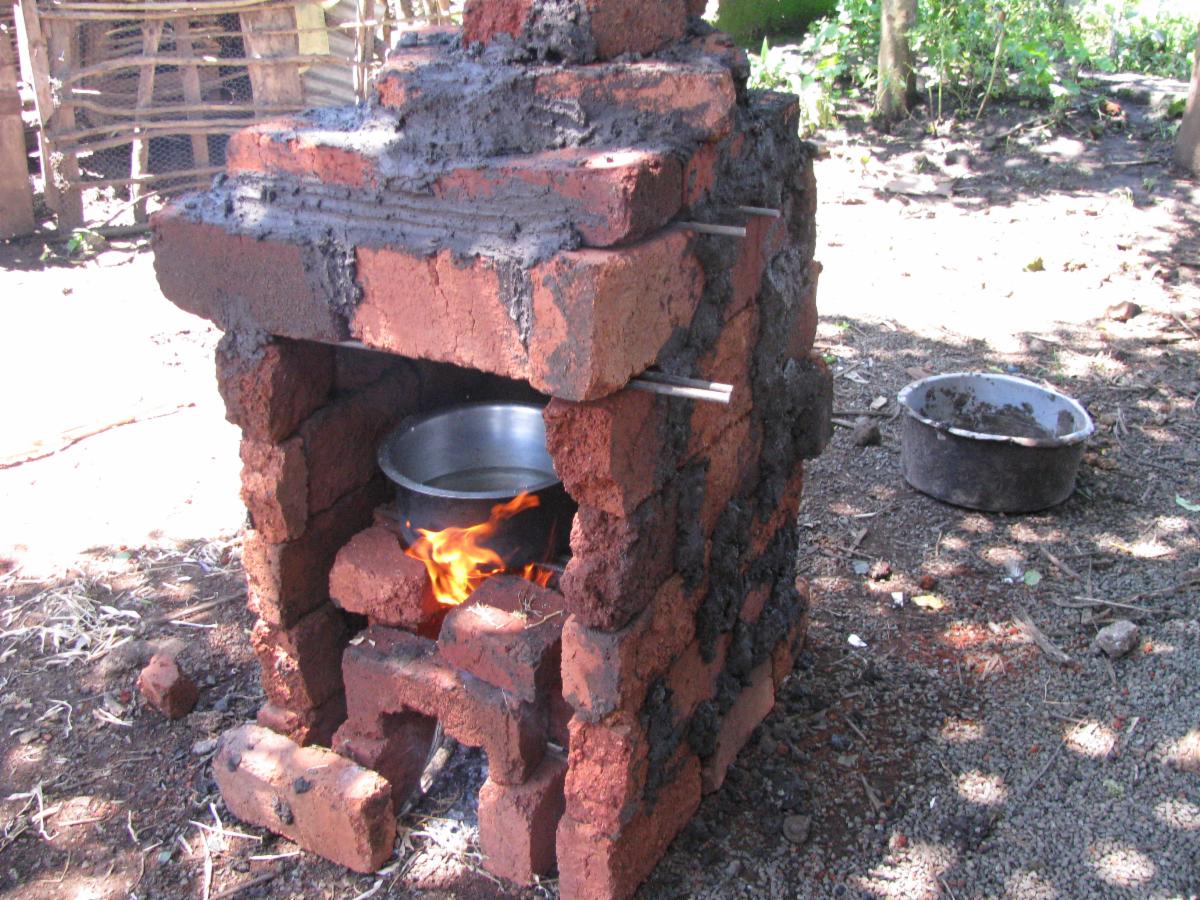
I’m sharing some photos of my early attempts at stove design there in the brickmaker’s front yard. I laugh when I see these photos, and I hope you enjoy them too. But it did take a year and a half to finally get to a stove version we could install in a house This early version had some virtues, and the women wanted them, but the metal parts inside twisted and bent in the heat. After a rather short time we removed them from the houses. But these early attempts were essential for my learning.
| | |
It was quite a year and a half.
I built stoves in the backyard of my apartment in Cambridge, Mass. I visited the D-Lab at M.I.T. (an experiential program) where students were working with stove design. Watching them grapple with the challenge of designing a stove that could burn pine needles, I finally was able to identify actual design issues and problems.
Although their specific solutions did not apply to my own design needs, their process got me thinking more about fundamentals, like draft and energy distribution. I began to question like an engineer: “Is there enough draft to get the smoke out but not so much that there is no energy hanging around the pot?” Although it was “not exactly rocket science,” as they say, the engineering battle between cooking efficiency and smoke removal was a great challenge for me.
Today, our Model Four stove still reflects some of the learning gleaned from that first version. However, this latest version is easy to install, very durable, and does an excellent job.
| |
If you read this far:
I share these details with you with the idea that you might enjoy a story about trying and persistence. It all began with a problem—how to get the smoke out of their houses. And we continue.
We are each motivated in our own ways. We probably aren’t aware of the deep forces that shape our lives and lead to the important choices for those who have the luxury of making choices.
Sometimes, when people ask me why I am here, I say because I get to be eleven years old again, grateful to be the son of a father who encouraged me to figure out how to make things work.
I thank you for being alongside me in this adventure. Together, we have done good things for people--with lots more to come.
| | |
For a better life for rural Africans, and a cleaner environment for all
International Collaborative for Science, Education, and the Environment
Office of Programs and Development
30531 Abington Court
Laguna Niguel, CA 92677 USA
1-508-735-9176
www.internationalcollaborative.org
| | | | |