How to Effectively Communicate with Health Professionals as a Family Caregiver for a Loved One with Dementia | | Caring for a loved one with dementia is a challenging and emotional journey. One of the most important aspects of providing effective care is establishing strong communication with health professionals who are guiding you through this process. Clear, consistent, and organized communication with doctors, nurses, therapists, and social workers can ensure that your loved one receives the best care possible. However, it can be difficult to know how to communicate effectively when emotions are running high, and you're juggling the needs of your loved one. Here are some practical tips to help you navigate these conversations with confidence and clarity. | |
|
Tips for Effective Communication with Health Professionals:
-
Be Prepared: Before any appointment or meeting with a healthcare provider, gather relevant information. This might include medical records, a list of medications, recent changes in your loved one’s condition, and any specific concerns you want to address. It helps to write down questions or observations ahead of time so nothing is overlooked.
-
Be Specific About Symptoms: Dementia can manifest in many different ways. When speaking with a healthcare professional, be specific about what you’ve observed. For example, if your loved one is having difficulty with memory, note what types of memory issues they are facing (e.g., forgetting recent events, getting lost in familiar places).
-
Document Conversations: Keep a detailed record of all interactions with healthcare providers. Note what was discussed, any advice given, and instructions provided. This is particularly helpful if you're seeing multiple doctors or specialists, as it allows you to keep track of differing recommendations or treatments.
-
Advocate for Your Loved One: Health professionals may not always be aware of the emotional or behavioral changes that come with dementia, so it’s crucial that you advocate for your loved one’s needs. If you're noticing behaviors like aggression, confusion, or anxiety, be sure to bring them up and express how it’s affecting your loved one’s well-being.
-
Ask for Clarification: Medical jargon can be confusing, so don’t hesitate to ask for clarification if something is unclear. It’s important that you fully understand the treatment plan, medications, or care strategies being recommended. Ask for written instructions if necessary, and repeat back information to confirm your understanding.
-
Involve Your Loved One: As much as possible, include your loved one in the discussion. This can help them feel more empowered and maintain a sense of autonomy, even as their condition progresses. If your loved one has difficulty expressing themselves, you can help by interpreting their concerns for the healthcare provider.
-
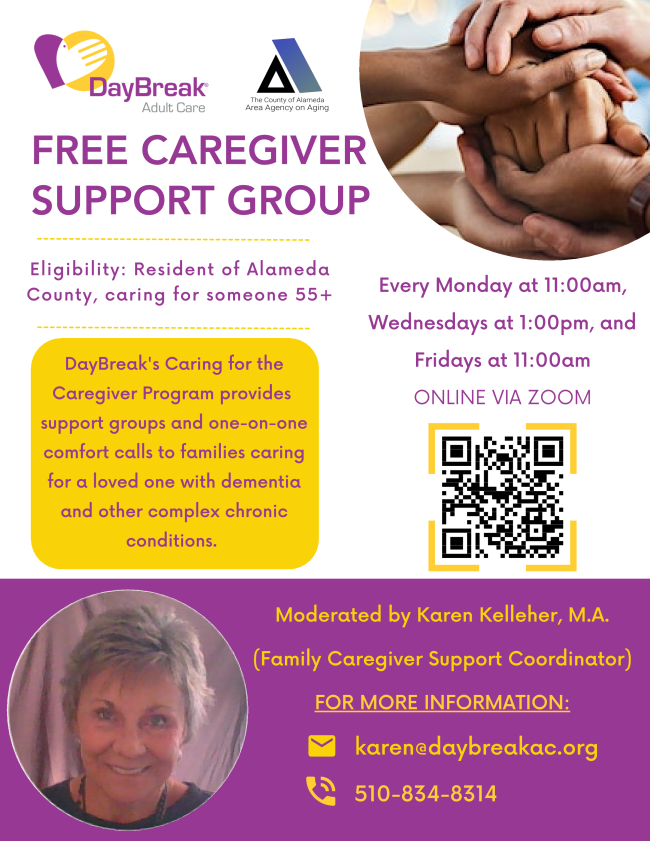
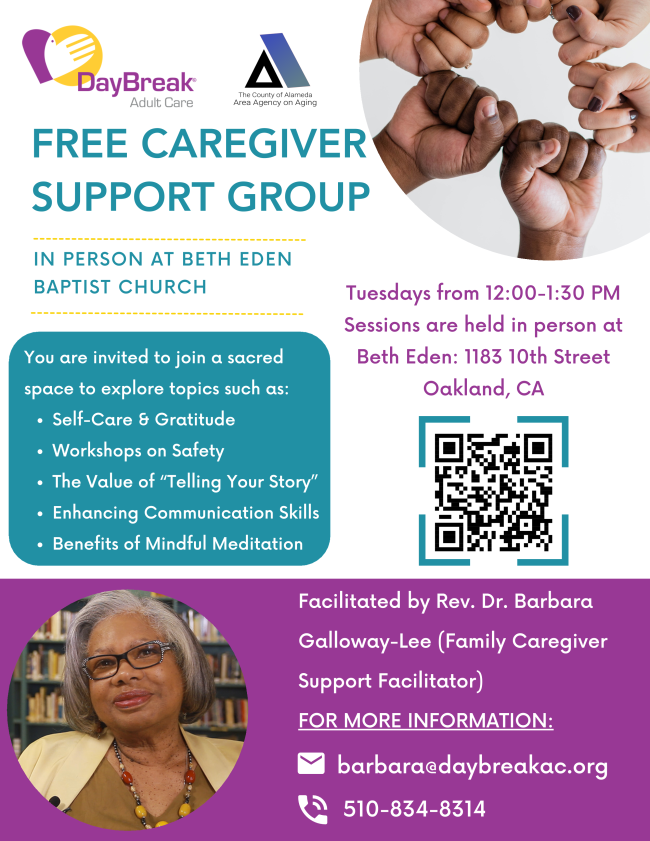
Use Caregiver Support: If you're feeling overwhelmed, consider bringing a caregiver support group or trusted family member with you to appointments. Having someone to assist in taking notes or offering additional insights can provide emotional relief and help ensure you don’t miss any important details.
-
Request Follow-Up Appointments: Dementia is progressive, and as such, your loved one’s care needs will evolve. If necessary, don’t hesitate to request follow-up appointments or check-ins to discuss changes in symptoms or progress. Regular communication is key to adjusting care plans accordingly.
-
Understand the Care Plan: Ensure that you have a clear understanding of the care plan, including goals, timelines, and expectations. If you’re unsure about any aspect of the plan, ask the healthcare provider to break it down into manageable steps or provide alternative options.
-
Use Technology to Stay Informed: Many healthcare facilities offer online portals or apps that allow you to access your loved one’s medical records, communicate with the care team, and track health updates. Familiarize yourself with these tools to stay on top of your loved one’s care without having to wait for scheduled appointments.
| Effective communication with healthcare professionals is a vital part of ensuring the well-being of your loved one with dementia. By staying organized, being proactive, and seeking clarification when necessary, you can build a stronger partnership with the healthcare team and feel more empowered in your caregiving role. | | |
— Roger Skillin, M.S.
Operations Manager at DayBreak
| |
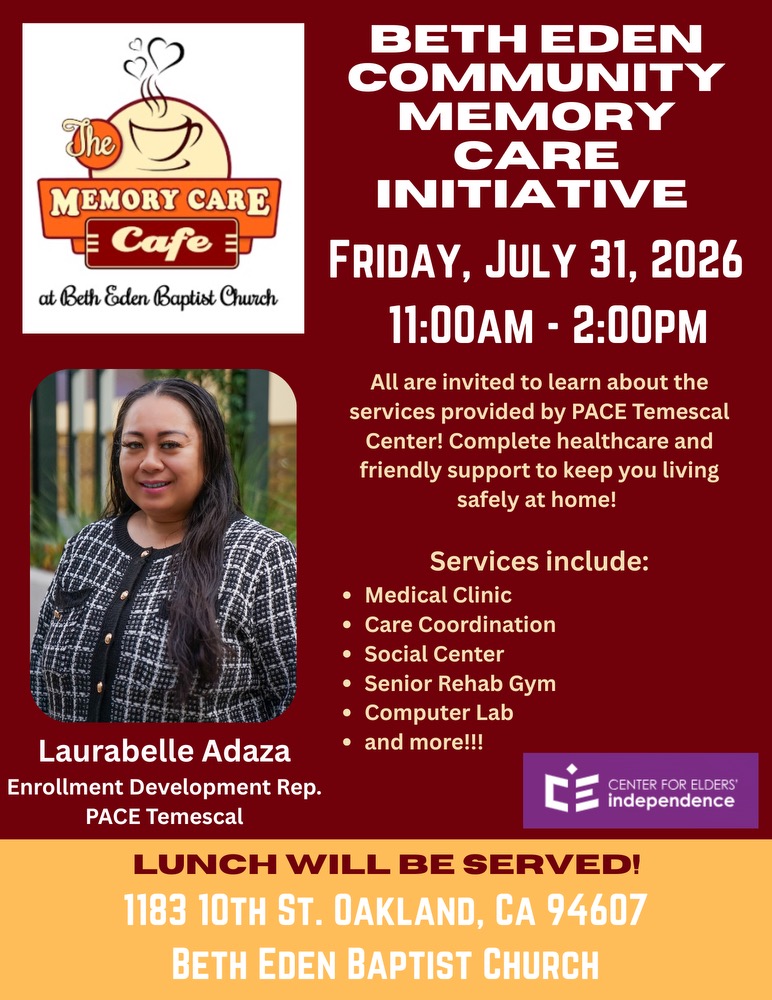
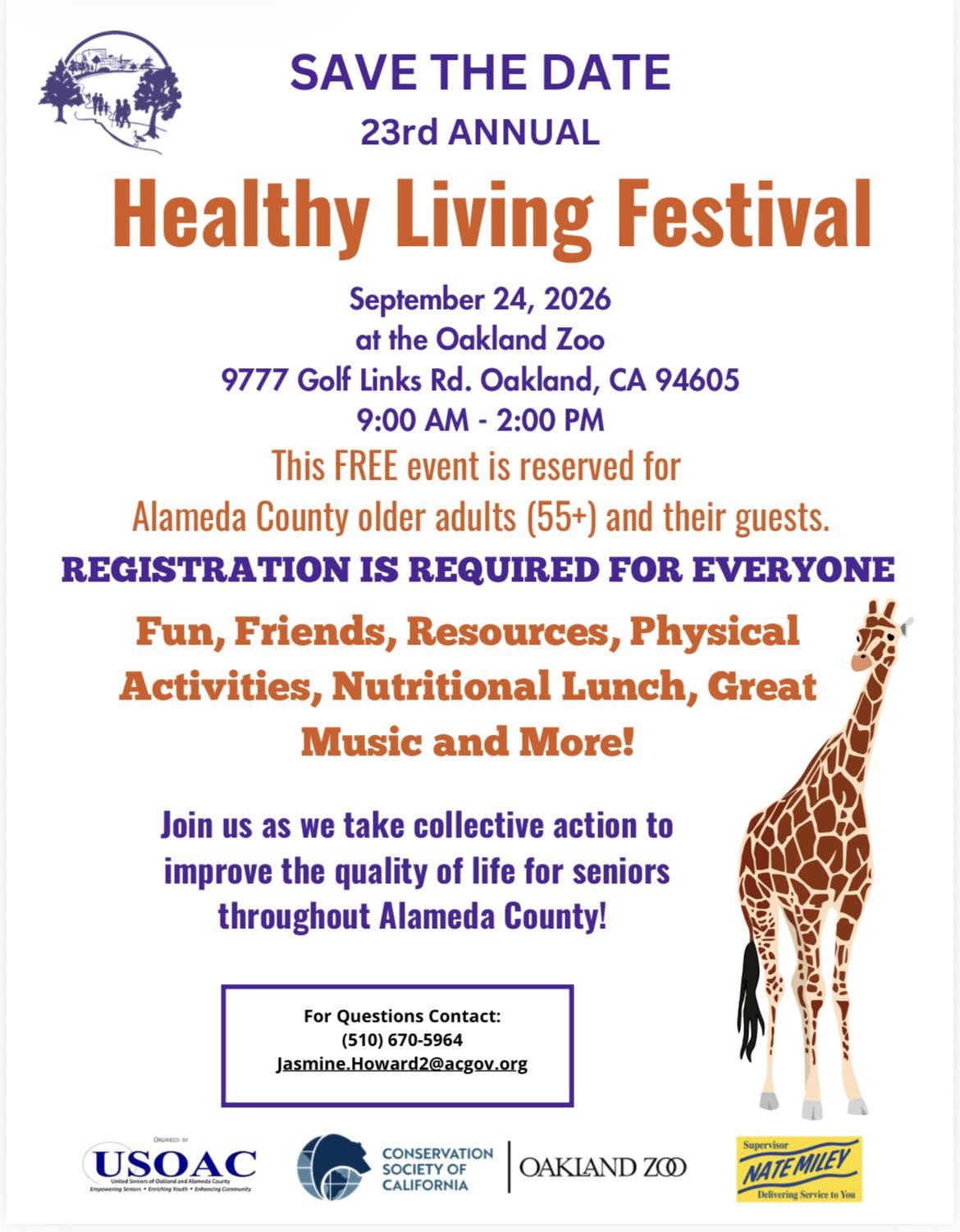
Upcoming Events & Workshops 📣 | |
Join Our Commuinty of Care:
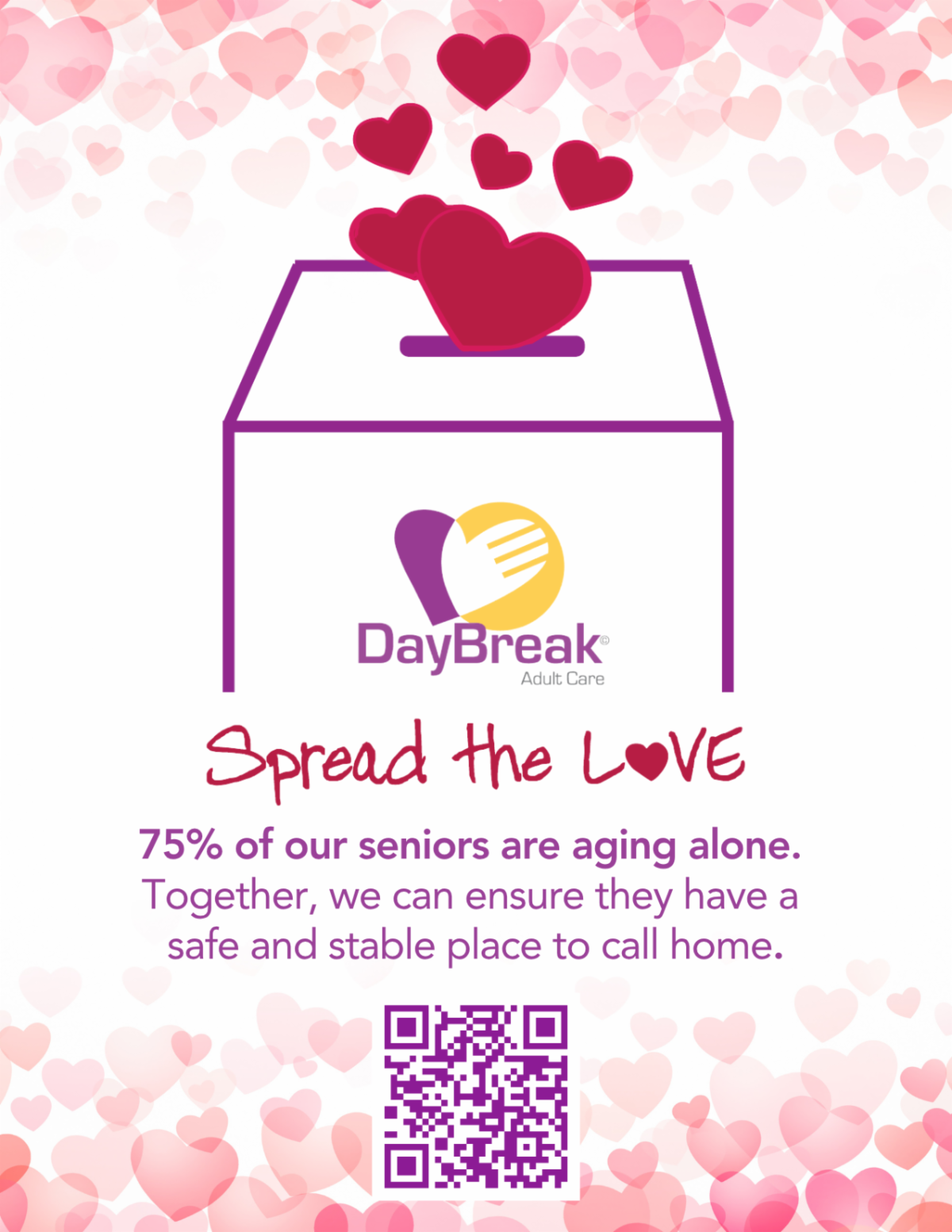
❤️ Support Our Seniors ❤️
| | Your gift helps keep older adults and individuals with disabilities safe and supported. Join us in spreading love, hope, and care throughout our community! | | |
If you know an elder in need of our care and coordination services, or a caregiver seeking support, please encourage them to reach out to us at:
510-834-8314
| | | | |