Cahoon Care Associates, LLC. | | |
Hanover, MA: (781) 659-1877
269 Hanover St., Hanover, MA 02339
| | |
Mashpee, MA: (774) 994-2212
13 Steeple Street, Mashpee, MA 02649
| |
Ellsworth, ME: (207) 667-0870
| | How to Make Father's Day Special for Senior Dads | |
If you're fortunate enough to still have your father in your life as a senior, or if you're a caregiver for a senior dad, this Father's Day (June 21) is the perfect time to honor him by spending quality time together.
Focus on making memories and providing comfort more than on grand gestures. Whether he enjoys going out or staying in, here are some heartwarming, inexpensive options:
-
Fire up the grill. Instead of eating at a noisy restaurant, break out the steaks or burgers for dinner al fresco. There's a recipe for every taste bud, whether he likes it spicy, sweet, or garlicky.
-
Personalize the meal. Cook his favorite nostalgic meal, or pick up take-out from his favorite local spot.
-
Take a scenic drive. Enjoy a relaxing car ride to a favorite local spot, such as woods, mountains, water, or a childhood neighborhood. Pack a picnic lunch so you can both enjoy the beauty of nature and get some fresh air and sunshine.
-
Walk down memory lane together. Look through old photo albums, or digitize old home movies. Get him reminiscing about youthful memories or fun family adventures.
Learn more on our blog...
| 11 Ways to Get Someone with Dementia to Take Medication | |
Many caregivers find it challenging to give medication to those with dementia or Alzheimer's. This is often due to multiple factors, including feeling confused, being afraid, or experiencing anger or resistance over the fact that they've lost control over so many areas of their lives.
Obviously, medication is important and cannot be stopped, even when it causes stress or is difficult for both the caregiver and patient. The following 11 tips can make a big difference in convincing someone to take their medicine:
* Create a calm, quiet environment. Before you try dispensing medicine, make sure there aren't any loud sounds (like television) or too many people around. You could turn on soothing music to create the right ambience. Prepare yourself by taking some deep breaths so you remain calm, since the individual will pick up on any frustration or agitation you're experiencing and will be less likely to cooperate.
* Be sensitive to side effects or illness that could cause discomfort. Know which medications cause unpleasant side effects such as nausea, stomach aches, dizziness, or agitation. If those with dementia begin to associate taking medication with feeling sick or uncomfortable, there's a good chance they'll begin refusing to take it.
Learn more on our blog...
| 9 Engaging Activities for Low-Vision Seniors with Dementia or Alzheimer's | |
It's well-known that interesting activities help stimulate the mind of older people, keeping them engaged in life. When they have dementia and also struggle with low vision, however, finding the right activities can be challenging.
It's essential to be creative in coming up with entertaining ideas to help reduce anxiety and agitation, as well as improve sleep.
Keep in mind that the preferences and interests of those with dementia often change over time. While you may want to try some of the activities they used to enjoy, be prepared for some trial and error, and don't be afraid to try something new to them.
Below are nine fun activities that you can use as a starting point:
* Music. Music can be a powerful way to tap into emotions and memories. Try playing favorite albums or songs from their younger years and see if that causes them to begin reminiscing about fond memories from bygone days. Give them a simple instrument such as a shaker or harmonica, and let them experiment with making music of their own.
Learn more on our blog...
| 4 Ways to Get Someone with Dementia to Change Clothes | |
It can be challenging for caregivers to get those with Alzheimer's or dementia to change their outfits on a regular basis. These older adults may want to wear the same clothes nonstop for a week or more, or might not care if their clothing is soiled and smelly. They may resist changing into pajamas at night, wear clothing items the wrong way, or put on clothing that completely clashes.
The reasons for this kind of behavior can be varied. You can gain valuable perspective if you first try to determine why someone is refusing to change their clothes. Taking this step can help you realize that they aren't being difficult on purpose, and allow you to find the best approach to solving the problem.
Here are some possible reasons your senior may be exhibiting confusion, resistance, or discomfort when you suggest it's time to change their outfit:
* Impaired memory or judgment - The type of damage dementia does to the brain can cause behavior that doesn't make sense to caregivers. Your older adult may no longer be able to make wise choices, or may have lost the ability to keep track of time. They may think they already changed clothes recently, or may forget that the clothes they already took off are dirty.
Read more...
| Anniversary Celebrations! | |
Please join us in congratulating the following colleagues on their work anniversaries:
Faith Burwell - 10 years
Marion Brown - 8 years
Nadine Ciceron - 7 years
Emmanuella Ekute - 7 years
Donna Levers - 6 years
Smiralda Joseph - 6 years
Eunice Dodenhoff - 6 years
JoAnn Ashfaq - 4 years
Elizabeth Littlefield - 3 years
Susan Gundersen - 3 years
Mikerlange Ripert - 2 years
Suanne Starkey - 2 years
Tara McGrath - 2 years
Towana Howard - 2 years
Nicole McNamara - 2 years
Jennifer Klemenz - 2 years
Gabriela Steele - 2 years
Carol McNiff - 2 years
Mary Ellen Morency - 1 year
Holly McGloin - 1 year
Sanceia Myers-Scott - 1 year
Jacquiline "Jacqui" Muthee - 1 year
Connie LeMay - 1 year
Carla Koppes - 1 year
Exanie Pierre - 1 year
| |
We're excited to announce 5 new members of the Cahoon Care team over the past quarter:
Pamela Allison
Kylee Hurd
Heather Grant Longcore
Yaraiyhwh Nature
Nadine Rodney-Smith
| $$$ Referral Bonus Recipients $$$ | |
Don't forget that we offer a $300 referral bonus. We know the best caregivers know the best caregivers! Please send them our way, and in turn, we'll send money your way.
Call Stephanie at (207) 610-3280 in Maine, or Karen at (781) 635-4968 in Massachusetts with your referrals.
| |
Video Tip:
Communicating with an Older Adult Living with Early Stage Dementia
| |
This training video shows caregivers both the correct and incorrect ways to communicate with an older adult with dementia (including Alzheimer's).
Early stage dementia is usually marked by mild or moderate memory loss, specifically around the ability to recall recent events. Your client may quickly forget new information, misplace items, need more notes to remember tasks, or have other sudden changes in behavior.
Caregivers should remember that safety always comes first. Allow them to continue to perform tasks independently if possible, providing supervision when necessary. Start by asking them what they need help with, rather than assuming they always need help.
Be prepared for them to often forget recently learned information, or repeat themselves frequently. Rushing them often increases confusion and frustration, so give them plenty of time to accomplish things at their own pace.
Break tasks down into simple steps, and try not to give too many directions at once. Use positive statements instead of negative. Memory loss can lead to feeling overwhelmed quickly, which can complicate communication. It's helpful to communicate with your client in a low-stress environment. Turn down the TV, make sure there's adequate lighting, and minimize distractions.
Click here to watch the video.
| Daily Senior Care Tip: 8 Ways to Introduce In-Home Care for Seniors | |
You see your aging parent struggling - the unopened mail, the questionable food in the fridge, the missed medication. You know introducing in-home care could be a lifeline, restoring safety, dignity, and support. So, you suggest it, only to be met with a wall of resistance: a firm, "No. I don't need help. I'm fine."
This moment of refusal can be heartbreaking and frustrating, leaving you stuck between their stubborn independence and your deep-seated concern. How do you help someone who doesn't want help? The key isn't in the hard sell; it's in a compassionate, strategic approach that respects their autonomy while gently guiding them toward acceptance.
Discover eight practical ways to reframe the conversation, overcome common fears, and successfully introduce the support that can truly transform their quality of life - without a fight.
-
Start slowly and allow time for your loved one to get used to the idea of in-home care. Your older adult may need time to adjust to having someone in their home. To ease the transition, start slowly. At first, have the aide come only a few hours per week and focus on less personal tasks. As your older adult becomes more comfortable with the idea and that person, add hours and additional tasks.
Learn more...
________________
DailyCaring provides practical caregiving tips for everyday challenges even the most experienced caregivers face. We hope you enjoy the content (like the article above) as much as we do! Topics range from Alzheimer's/dementia tips to stress relief pointers.
Sign up for DailyCaring, a daily e-newsletter filled with helpful news you can use, and inspirational senior care tips! You can also follow the DailyCaring Facebook page.
| | Summer Safety Tips for Seniors | |
As we head into the summer season, it's important to keep senior safety at the forefront of your care efforts.
One of the most important safety areas is helping to regulate heat for those whose bodies can no longer do so as efficiently on their own.
If your client or senior friend or family member has central AC, make sure it's working properly. Be sure window air conditioner units are installed and working properly before the hot and humid days get here.
If the cost of getting an AC unit is a concern, senior service organizations or senior citizens living in Plymouth County may be eligible for a special grant.
Plymouth Networking Group (PNG) is a community service organization made up of professionals working in senior citizen-related fields.
One of the many ways they assist their local community is by providing grants for senior citizens or senior service organizations located within Plymouth County.
These grants can be used to help with HVAC needs; as well as paying overdue utility bills; providing fuel assistance; purchasing a new refrigerator; or covering insurance, medical supplies, or respite expenses.
Applications are reviewed on a first come, first serve basis. Grants are awarded as funds are available. The maximum match grant for an individual is $300, and $500 for an organization.
PNG Individual Grant Application
PNG Program Grant Application
| |
"The smallest acts of kindness - a steady hand, a patient ear, a gentle smile - can mean the world to someone who once carried the world for others."
~ Anonymous
| |
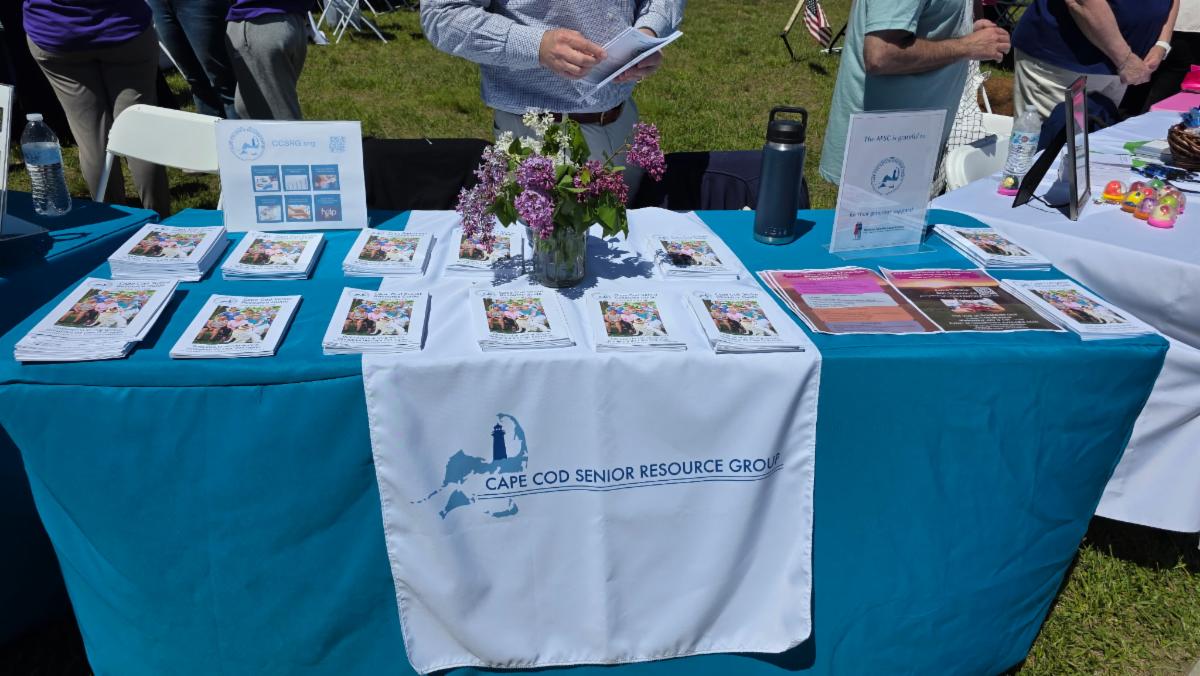
We had the pleasure of participating in the 2026 Dave Birtwell Walk for Alzheimer's at the Scusset Beach Reservation on May 16, along with members of the Cape Cod Senior Resource Group.
This annual event, sponsored by the Cape Cod Alzheimer's Family Support Center, helped to raise funds to support the AFSC's no-cost services for families navigating the complexities and challenges they face along the Alzheimer's and dementia-related diseases journey.
| Below are other recent events in which our MA and Maine offices have participated: | |
Allan & Carolyn Parker and Karen & Daryl Cavaca "competed" at the Plymouth Networking Group (PNG) Bowling Fundraiser for Seniors throughout Plymouth County.
Cahoon Spare won "Best Dressed," and Carolyn and Daryl carried the team!
| |
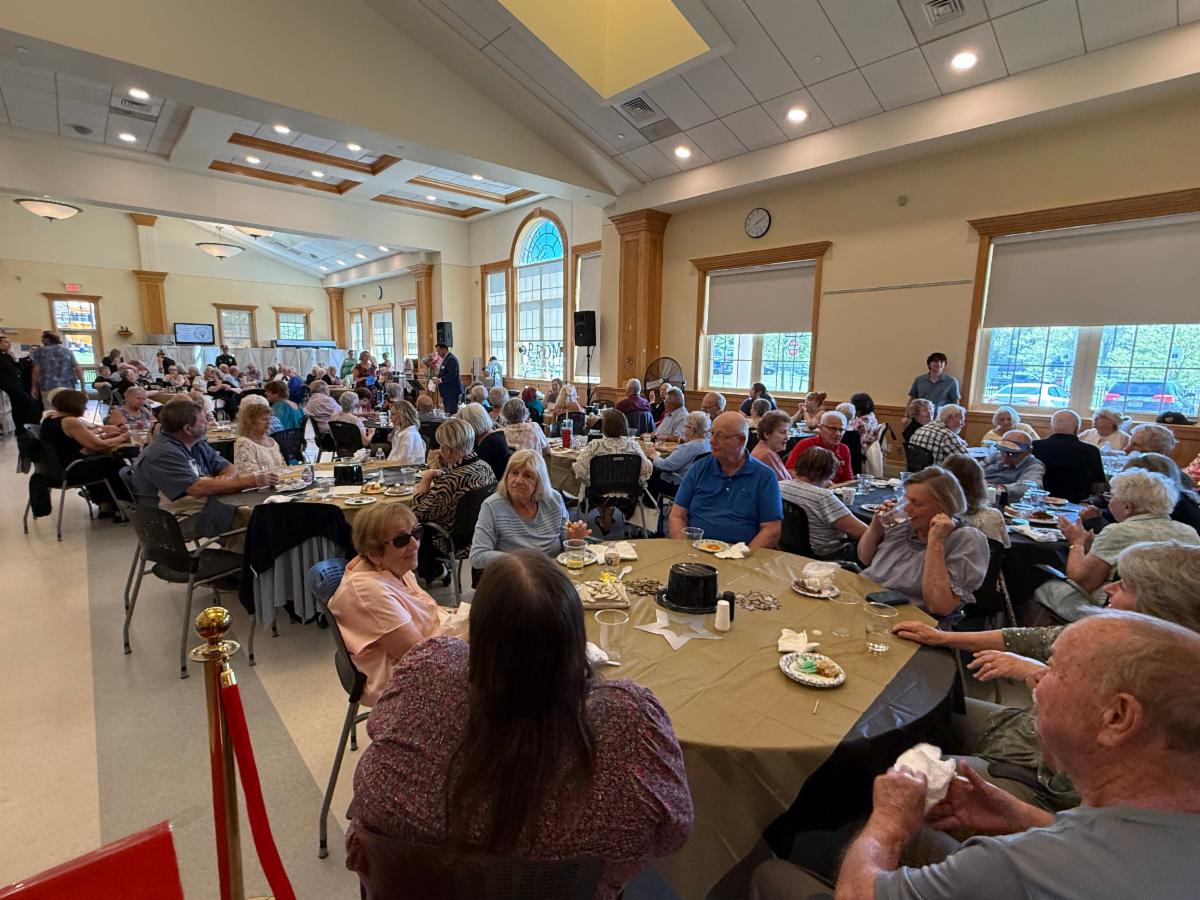
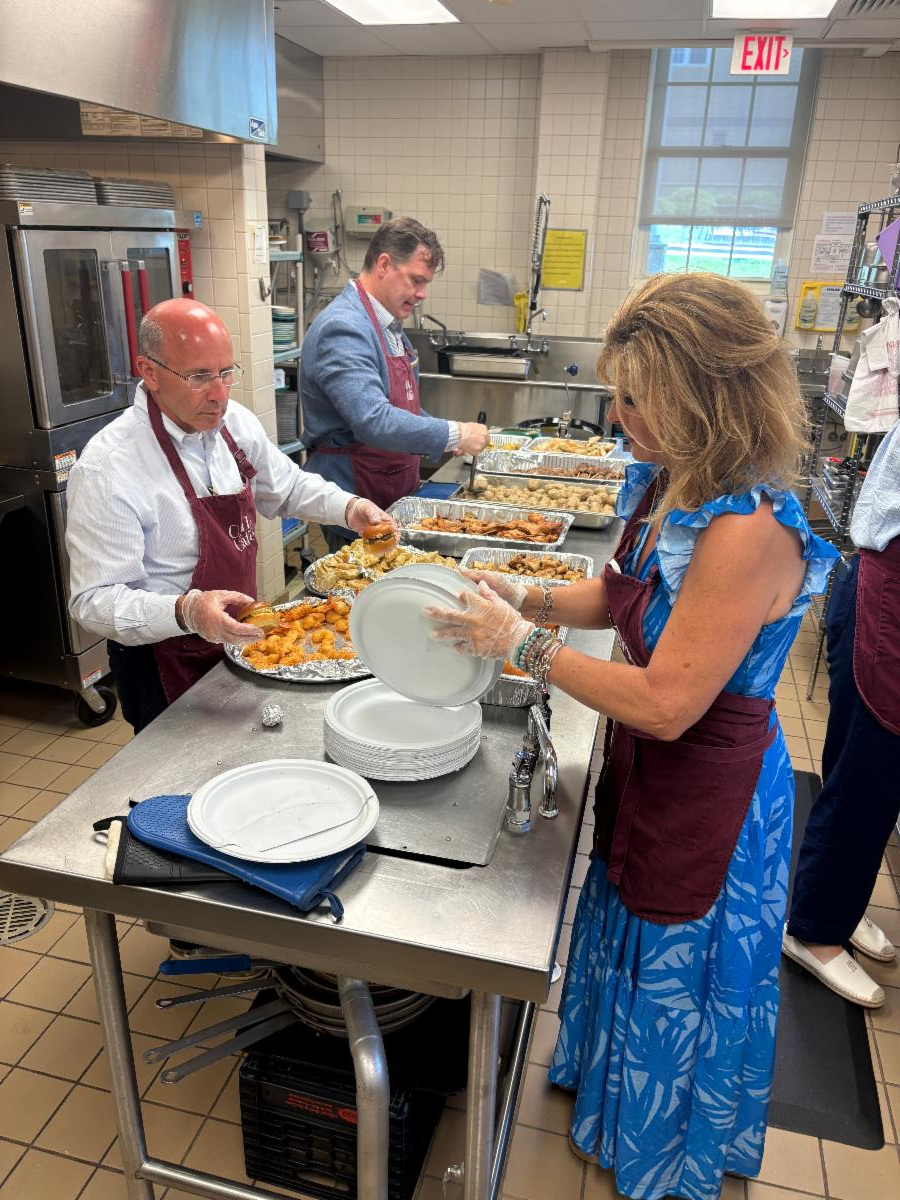
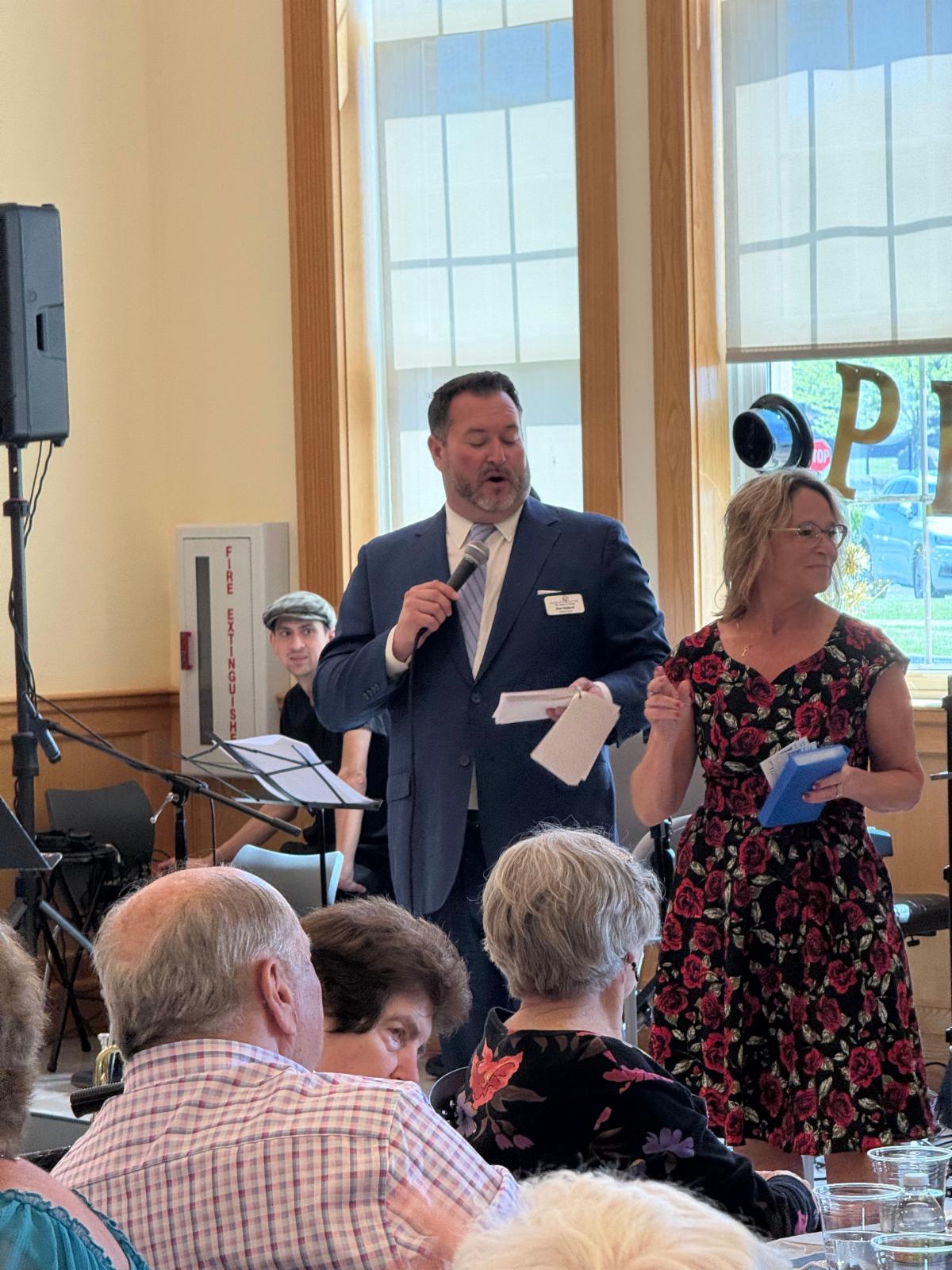
We had a blast volunteering at "Putting on the Ritz 2026," sponsored by the Plymouth Networking Group (PNG).
For more than a decade, this special Senior Prom has brought together glam, glitz, music, dancing, laughter, and memories our seniors truly deserve.
We look forward to this event annually as one of the most heartwarming, fun-filled days of the year!
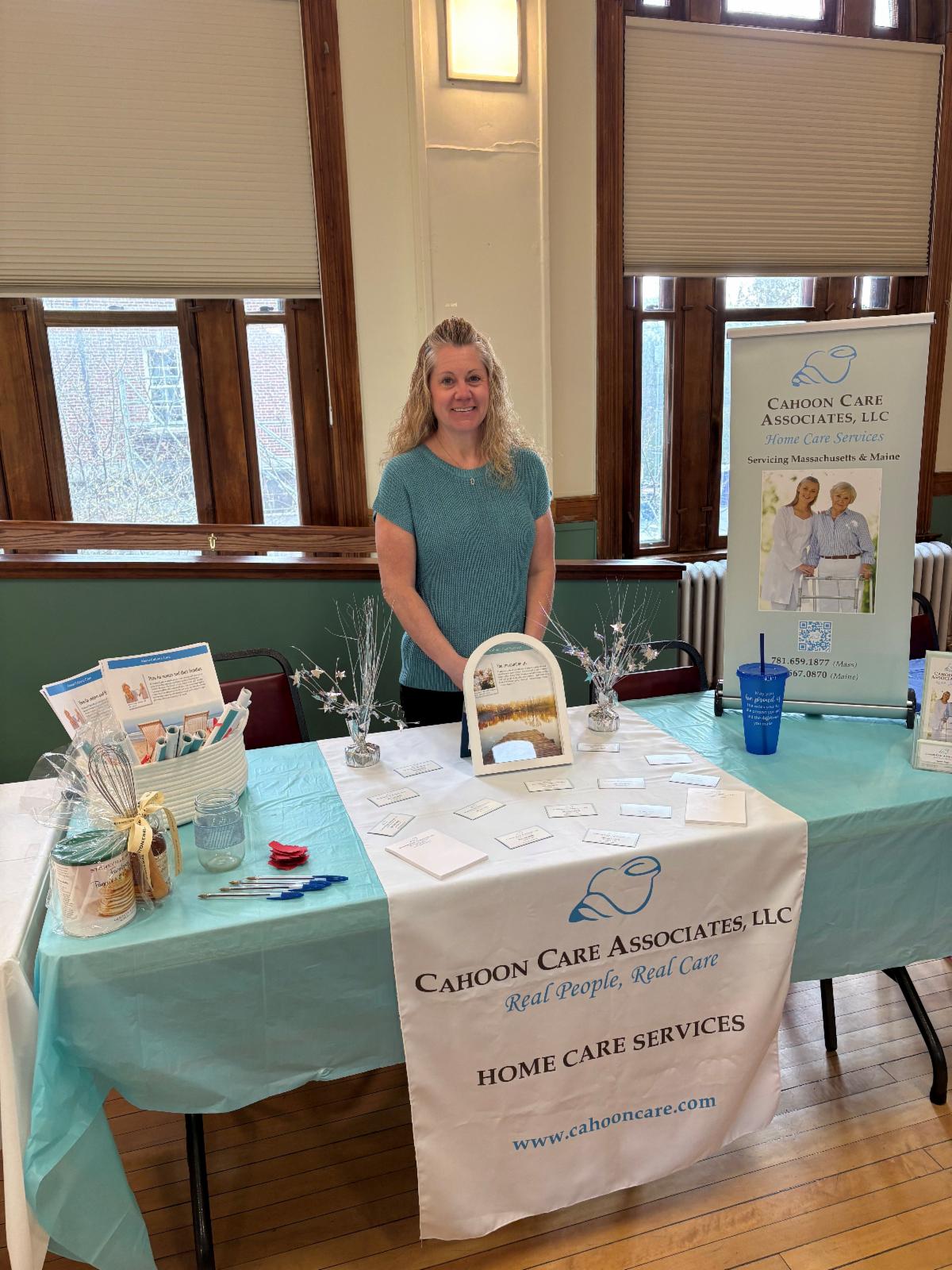
| Tammie at The Health Spring Fair hosted by MDI Hospital, highlighting resources for the elderly such as home care, biometrics, massage, healthy eating, and skilled nursing | |
Tammie and Stephanie at the 2026 Healthy Aging Expo, an annual event (since 2006) put on by Eastern Area Agency on Aging.
This popular event, held each May to celebrate Older Americans Month, draws more than 900 attendees and connects local organizations and businesses with adults looking to live healthier, more engaged lives.
Over 70 vendors and sponsors participate each year, showcasing services or resources such as housing, wellness, enrichment, education, travel, and financial planning.
| |
When my daughter Bianca was six years old, she lost a tooth while at school. Unfortunately, before she made it home, she lost the tooth itself.
To say she was inconsolable would be an understatement.
Her tears had little to do with the missing tooth and everything to do with what she believed would happen next. Without a tooth under her pillow, she was certain the Tooth Fairy wouldn't come. No amount of logic or explanation could ease her distress. In Bianca's six-year-old world, this was a very real crisis.
So together, we came up with a solution. We created a "Lost Tooth Affidavit," an official-looking document explaining the unfortunate circumstances and respectfully requesting consideration from the Tooth Fairy. We tucked it carefully under her pillow that night.
Bianca remained cautiously optimistic, but the affidavit accomplished something important: it restored her sense of security. Bedtime was saved. She slept peacefully. And the next morning she awoke delighted to discover that the affidavit had mysteriously disappeared, and money had appeared in its place.
Most parents would recognize this story not as deception, but as compassion. The goal wasn't to convince Bianca of a falsehood for our benefit. It was to meet her where she was emotionally, reduce her distress, and provide comfort when facts alone could not.
Therapeutic fibbing in dementia care follows the same principle.
When a person living with dementia asks for a spouse who passed away years ago, or insists they need to leave for a job they retired from decades earlier, correcting them with factual information can sometimes cause fresh grief, anxiety, or fear.
Therapeutic fibbing allows caregivers to step into that person's reality and respond in a way that preserves dignity and emotional well-being.
Just as the Lost Tooth Affidavit wasn't really about the tooth, therapeutic fibbing isn't really about the facts. It's about understanding the emotion behind the question and responding with kindness.
Whether caring for a frightened six-year-old or an older adult living with dementia, sometimes the most ethical response is not the one that is factually correct, but the one that offers comfort, reassurance, and peace.
| | Alzheimer's & Brain Awareness Month | | |
Alzheimer's & Brain Awareness Month is observed every June. This global campaign highlights the impact of Alzheimer's and dementia. It aims to raise funds for crucial research, advocate for better care, and promote proactive brain health strategies to prevent cognitive decline.
Two thirds of Americans have at least one major potential risk factor for dementia, and 75% of Cahoon Care clients have memory care needs. More than 55 million people worldwide live with Alzheimer's or another dementia.
Here are ways you can take action to show your support:
* Wear purple to help raise awareness of the Alzheimer's movement.
* Prioritize your own brain health and take steps to reduce your risk by staying physically active, eating a balanced diet, challenging your brain, and maintaining social connections.
* Support caregivers by providing meal trains, running errands, or simply offering respite time.
| | | | |