|
SUNDOWN MONTHLY NEWSLETTER
July 2025
| | |
Lawn Care Tip
Watch how you water!
| | |
Watering Guidelines for Summer
Tips for success.
| |
The Turf Wizard
Learn how we formulate lawn sprays.
| |
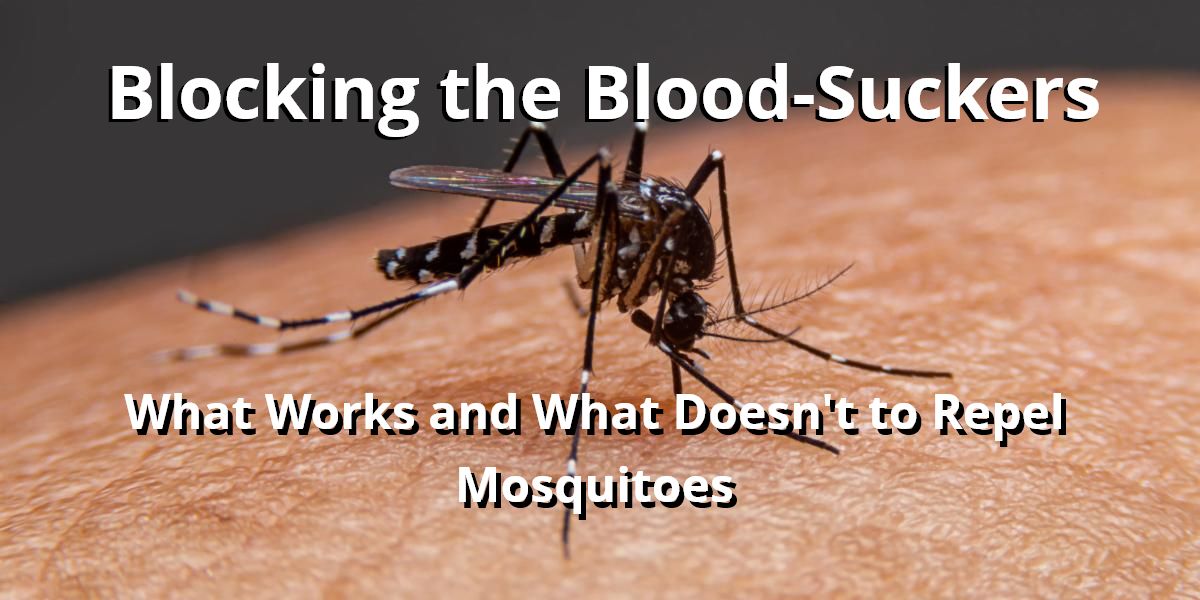
Blocking the Blood-Suckers
What works and what doesn't to repel mosquitoes.
| | |
During hot, dry spells, even established trees and shrubs can experience drought stress. You will need to water if:
- leaves look wilted, especially near the top of the plant
- the top 6" to 9" of soil underneath the mulch is dry to the touch (you can also use a moisture meter)
| | |
General watering tips:
- water the roots, not the leaves
- make sure water soaks into the soil
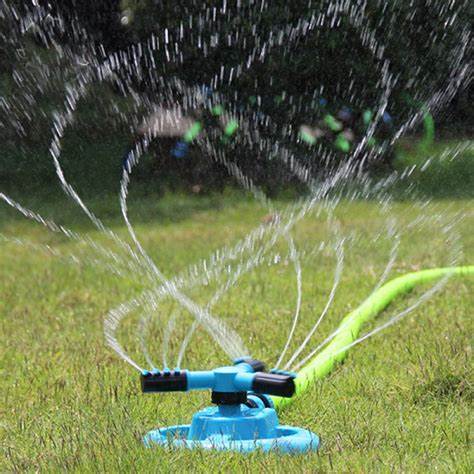
- if water starts puddling or running off, move the sprinkler or hose to a different spot and come back later
- you may need to revisit the same spots several times
- mulch helps the soil retain water
| |
| | | |
Did you know?
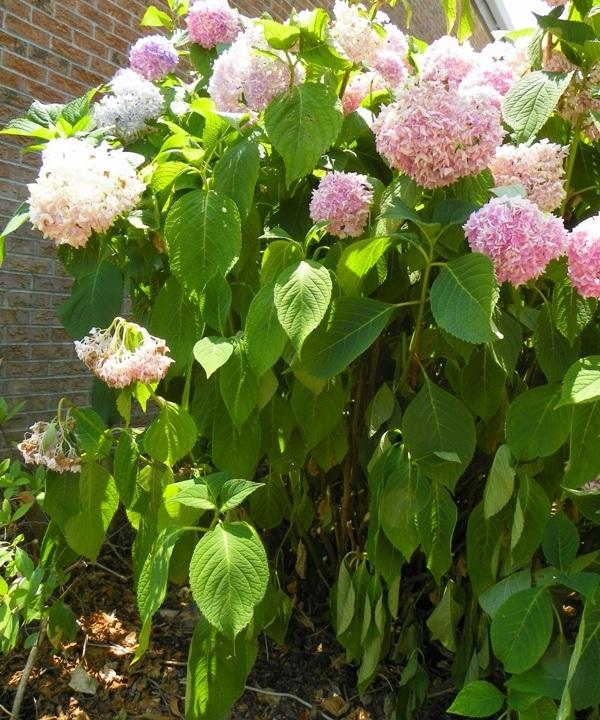
Water-loving Hydrangeas are one of the first plants to wilt during the heat of the day. This is normal. Often, Hydrangeas will perk back up in the evening, but wilting Hydrangeas can be an early indicator that you need to water.
Warning: Always check the soil before watering! (Drowning plants may also have wilted leaves, and adding more water to saturated soil won't help.)
| | |
How to water shrubs:
- water around the entire base of the plant
- water an area 2x the width of the plant
- if you are watering a plant in direct sunlight, avoid wetting the leaves
- use a hose turned on low pressure and move it after several minutes or when the water starts to run off
| | |
After watering, check the top 6"-9" of soil around the plant. Soil should be moist to the touch.
Both trees and turf need a lot of water and compete during hot summers. Tree roots are deeper than turf roots, but shallower than you might think--most tree roots are 12"-18" below the surface.
| | | | |
How to water trees:
- water all around the tree
- radius of area to be watered (in feet) = 2 x trunk circumference (inches) at chest height
- use lawn irrigation, sprinklers, or soaker hose
- water more deeply than you would for turf, but water slowly, letting the water sink in
| | |
Area to water calculation example
Hold a tape measure or ruler up the the trunk at chest height and estimate the circumference.
If the circumference = 2", 2 x 2 = 4 feet: create a circle with the tree in the center. The edge of the circle is 4' away from the trunk on all sides. Water inside the entire circle.
If the circumference = 3", 2 x 3 = 6 feet: create a circle with the tree in the center. The edge of the circle is 6' away from the trunk on all sides. Water inside the entire circle.
| | |
Watering outdoor potted plants:
- water should run out of the holes in the bottom of the pot
- check that all the soil is evenly moist
- if the soil is very dry, water a pot three times (otherwise there may be dry spots in the pot)
- try to keep the leaves dry
| | |
The Turf Wizard
Mike Krafft is our local mad scientist, formulating blends to spray on the lawns Sundown takes care of. Take a look at his latest recipes.
| | | | |
The June concoction:
- Slow-release fertilizer (18-3-6)* that provide steady nutrition over 6 weeks
- Herbicide to target weeds
- Fungicide to prevent summer patch**
- Insecticide aimed at army worms and grubs
| |
|
*An NPK fertilizer. N (nitrogen), P (phosphorus), and K (potassium) are the primary macronutrients that plants need in the largest amounts. The numbers 18-3-6 refer to the percentage by weight of each nutrient.
Nitrogen (18%)—helps form chlorophyll, which enables leaf growth and promotes plant vigor.
Phosphorus (3%)—helps plant cells grow and divide, leading to strong root growth, and provides energy for flowers and fruits.
Potassium (6%)—helps plants regulate their water content, boosts stress tolerance, and increases disease resistance.
| | | |
|
**What is summer patch?
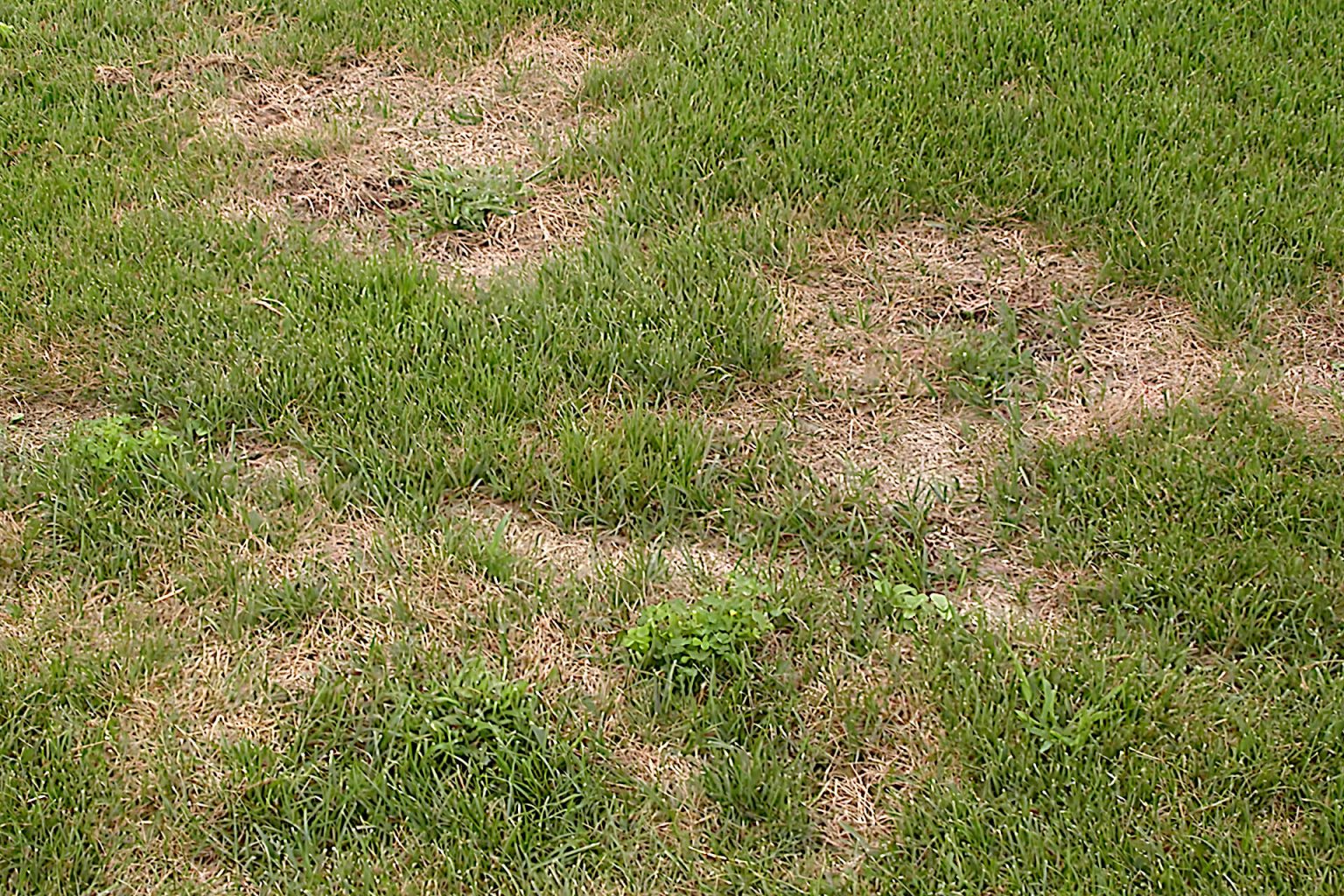
Caused by the fungus Magnaporthe poae, summer patch strikes during consistently hot temperatures that occurs after a period of wet weather. With all the rain we had this spring, conditions are primed for summer patch. The disease appears as yellow to brown spots a few inches to 3’ across, sometimes with a tuft of healthy grass in the center.
| | | | | |
The July mix:
- A 14-2-14 fertilizer that also contains micronutrients such as iron, manganese, zinc, and copper.
- Antares Pro, an herbicide known to control nutsedge.***
| |
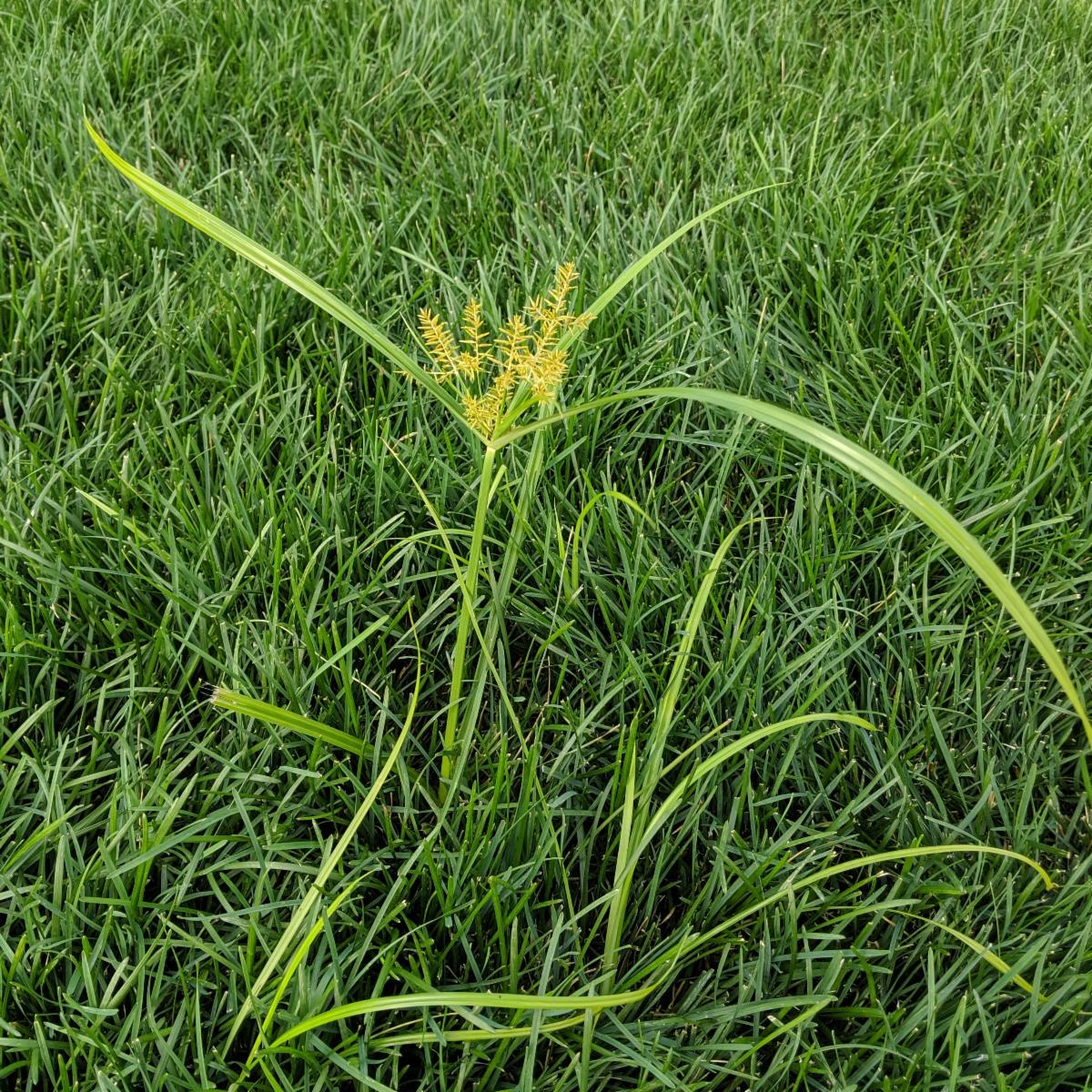
| | ***Nutsedge or nutgrass is a weed that looks similar to grass, but is usually a lighter color and taller than turf. They are perennials and come back year after year. Nutsedge is easy to pull out of the ground, but usually leaves behind roots or tiny tubers called nutlets. New plants sprout from anything left in the ground, making nutsedge particularly hard to control. | | | | Mosquitoes are an unfortunate fact of summer. But don't let them spoil your enjoyment of your garden. | | |
They’re generally considered safe for humans—pyrethrins break down rapidly in the environment and pose few (but not zero) health risks. But their quick action can harm pollinators like bees and butterflies, and any runoff into streams proves lethal to fish and other aquatic organisms.
Moreover, targeting only adult mosquitoes offers just a short-term reprieve. Populations often rebound within days as new adults emerge from larvae or migrate into treated areas.
| | |
Breeding Sites Shall Not Stand
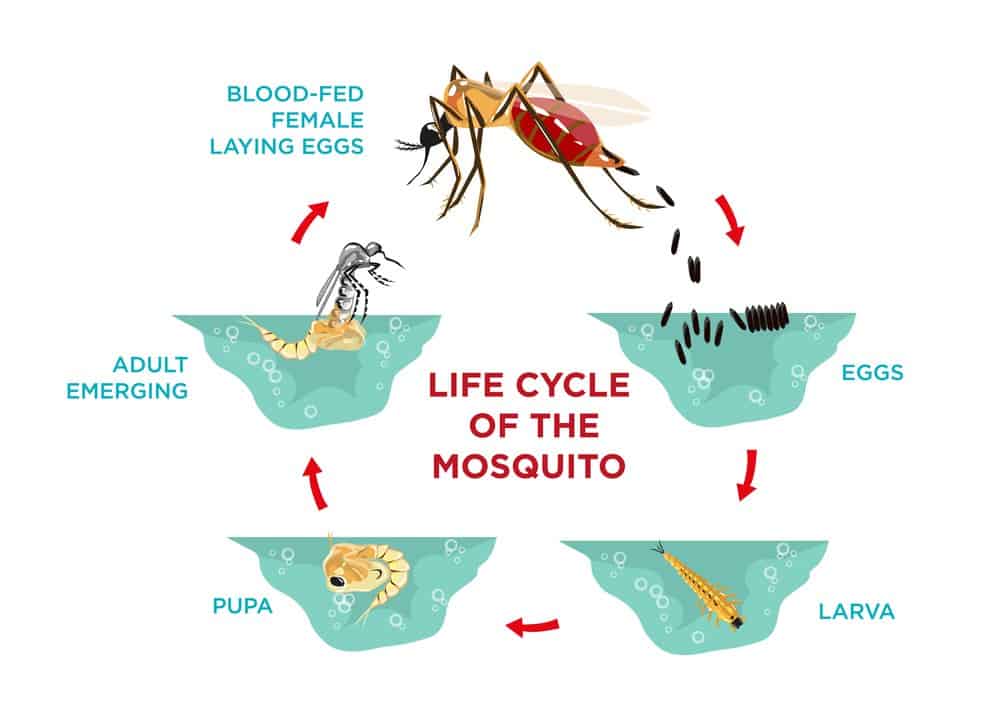
The most effective way to curb mosquito populations is to destroy their breeding grounds. Female mosquitoes deposit eggs in any stagnant or slow-moving water—even just an inch deep. In warm conditions, larvae can develop into adults in as little as seven to ten days.
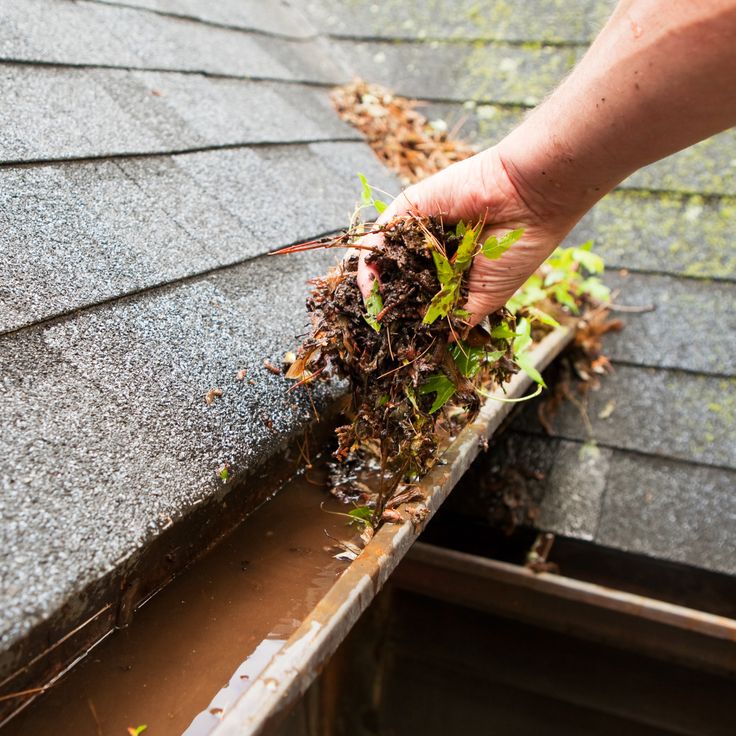
To interrupt this life cycle, inspect your property at least once a week—every few days is even better—and empty, scrub, or overturn anything that holds water.
| | | To interrupt this life cycle, inspect your property at least once a week—every few days is even better—and empty, scrub, or overturn anything that holds water: | | | |
- Gutters
- Corrugated pipes
- Birdbaths
- Trash cans
- Buckets
- Flower pots
- Pet bowls
- Play sets
Consistent removal of standing water prevents larvae from maturing, dramatically reducing the number of biting adults around your home.
| | |
Oils: Essentially Effective
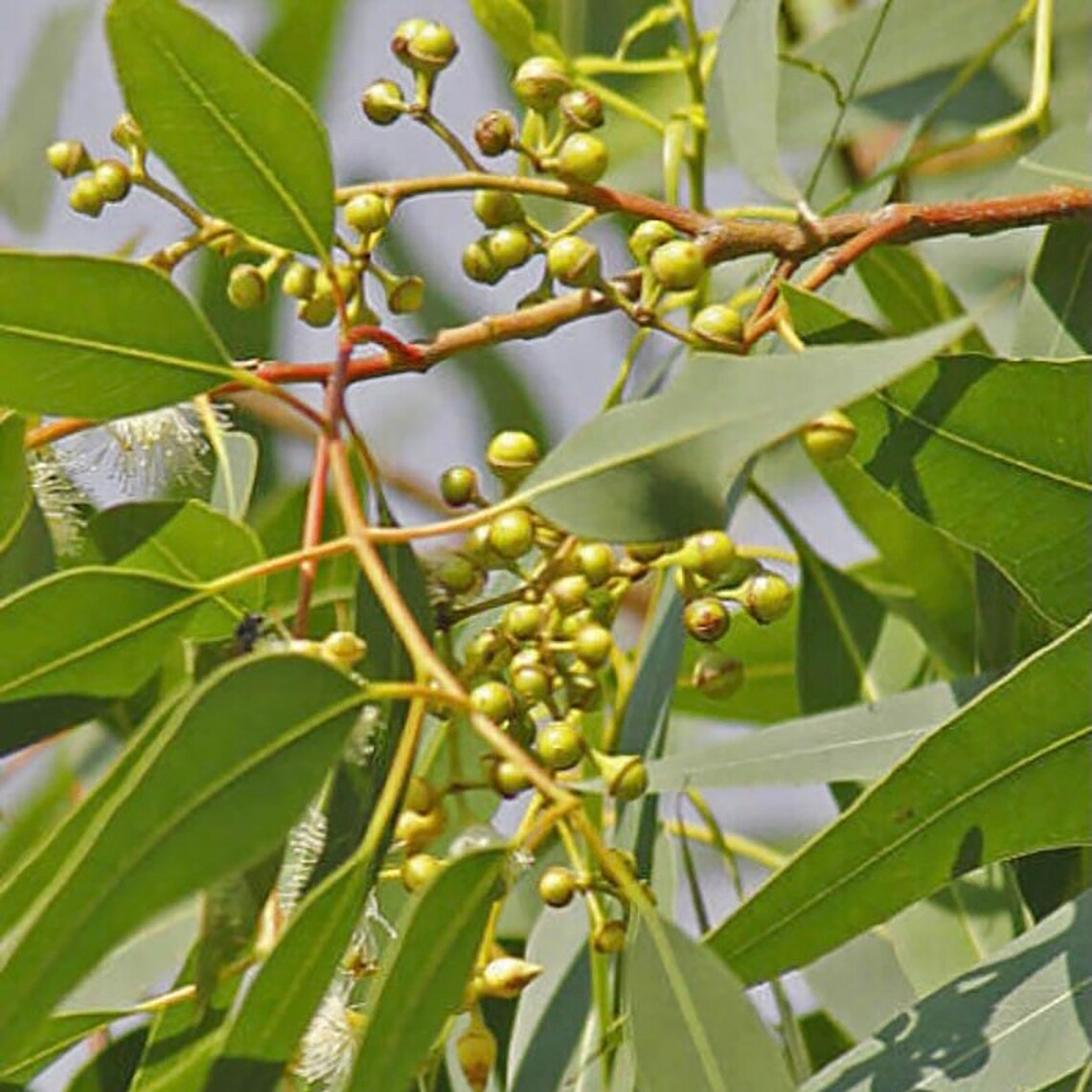
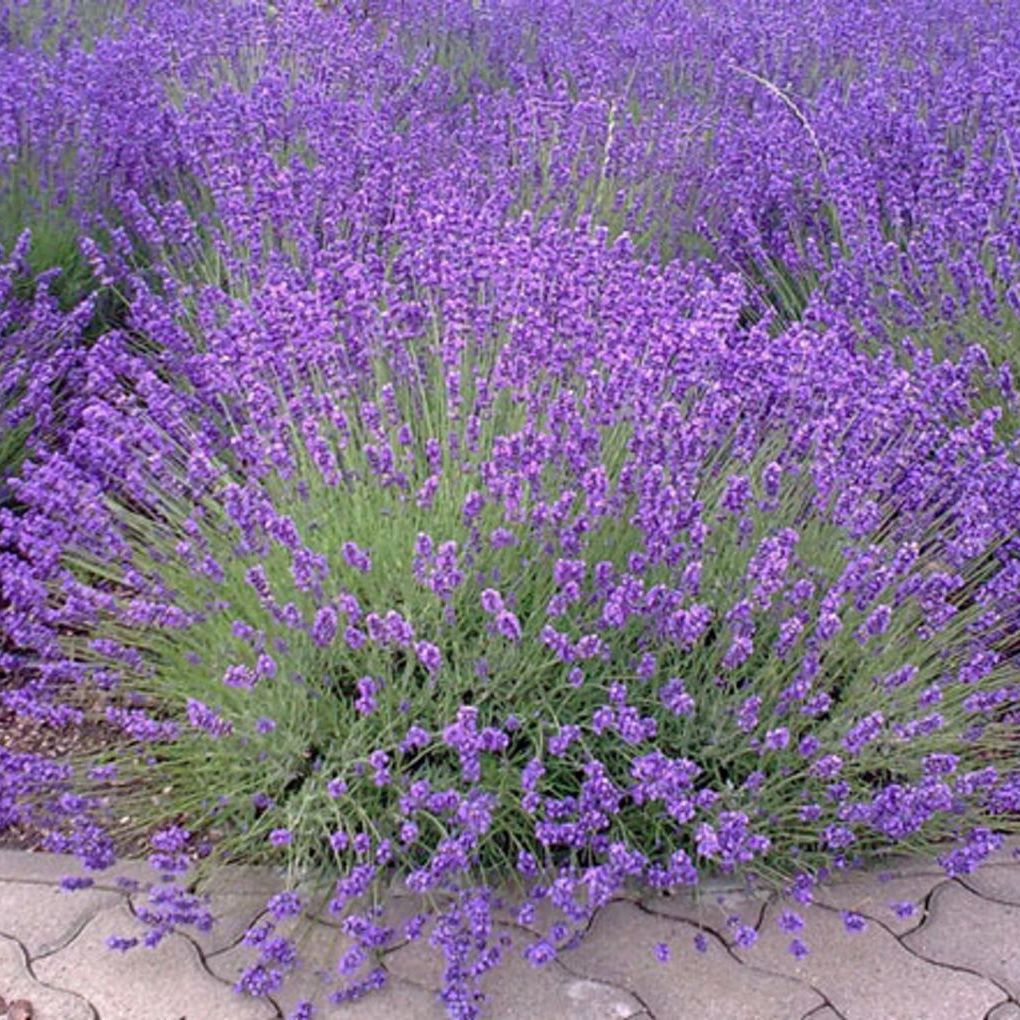
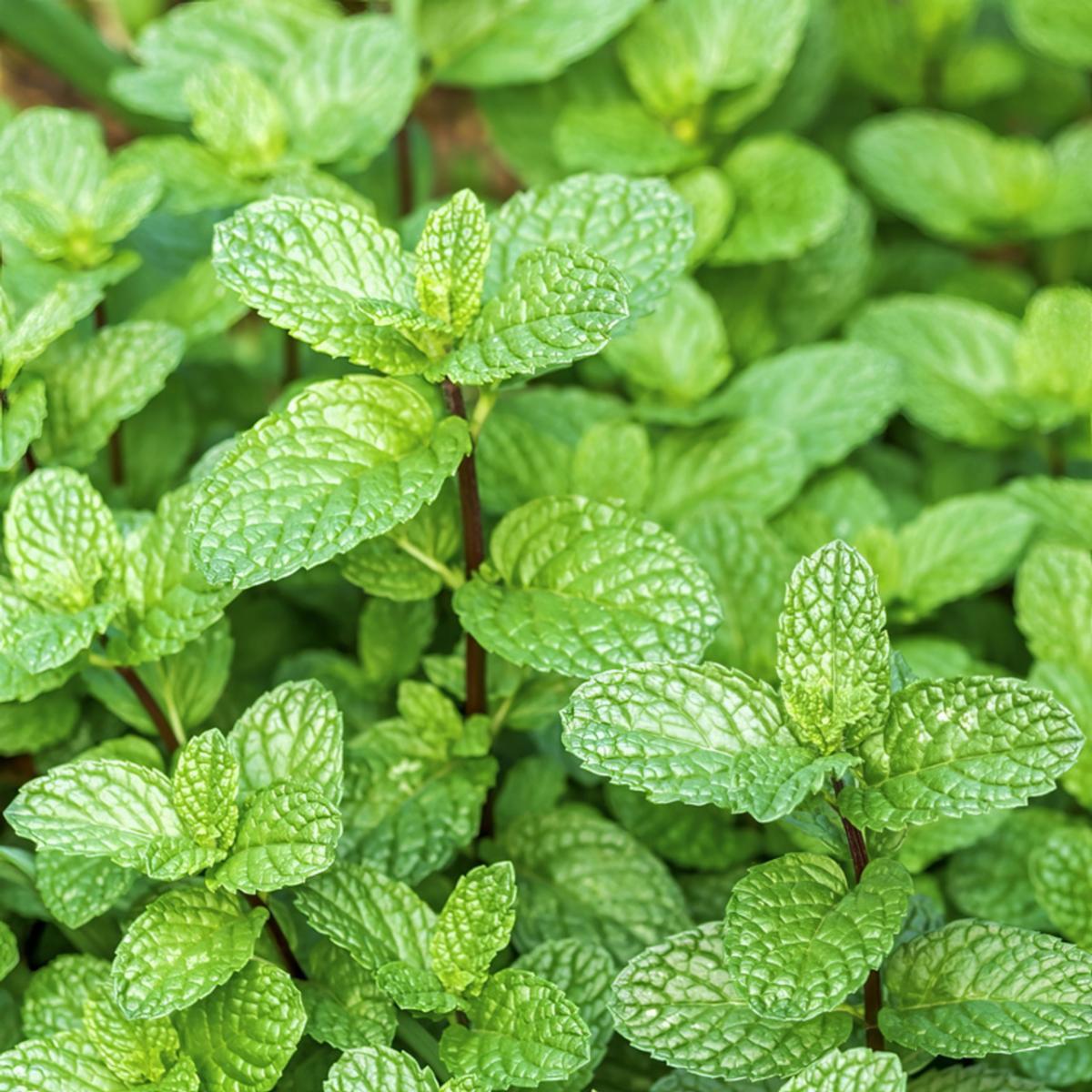
Plants on their own don’t keep mosquitoes at bay—what really deters them are the concentrated essential oils they produce. These oils evolved as a defense mechanism: when an insect chews on a leaf, oils are released to ward it off. Simply surrounding your patio with potted herbs won’t trigger that release, so you won’t see any drop in mosquito activity unless the leaves are crushed or bruised.
| | |
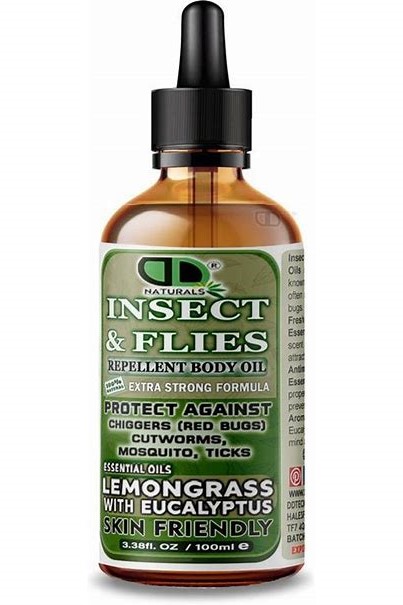
Both essential oil sprays and candles are effective. For sprays, follow the directions on the bottle and reapply every few hours. Used correctly, oils are as good as DEET.
Choose candles that have at least a 5%-10% concentration of oils marked on the label. Some candles may also give a radius of effectiveness. Light multiple candles to create overlapping zones of protection.
| | | |
The (In)Effectiveness of Citronella
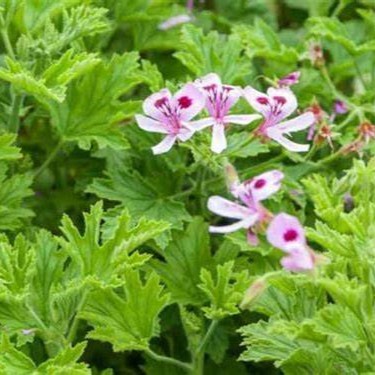
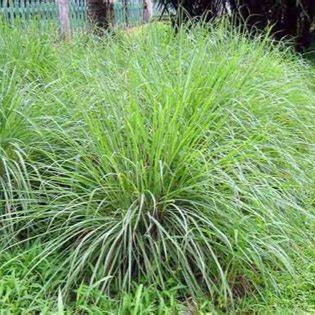
Two very different plants go by the name “citronella.” Both offer a pleasant lemony fragrance, but only one delivers real mosquito-repelling power.
Pelargonium × citrosum (below, left) is a scented geranium relative whose foliage smells lemony but lacks the compounds that actually drive mosquitoes away. By contrast, Cymbopogon nardus (below, right) is a true citronella grass—technically a lemongrass—with high levels of citronellal and geraniol, the very oils that disrupt a mosquito’s sense of smell and reduce biting.
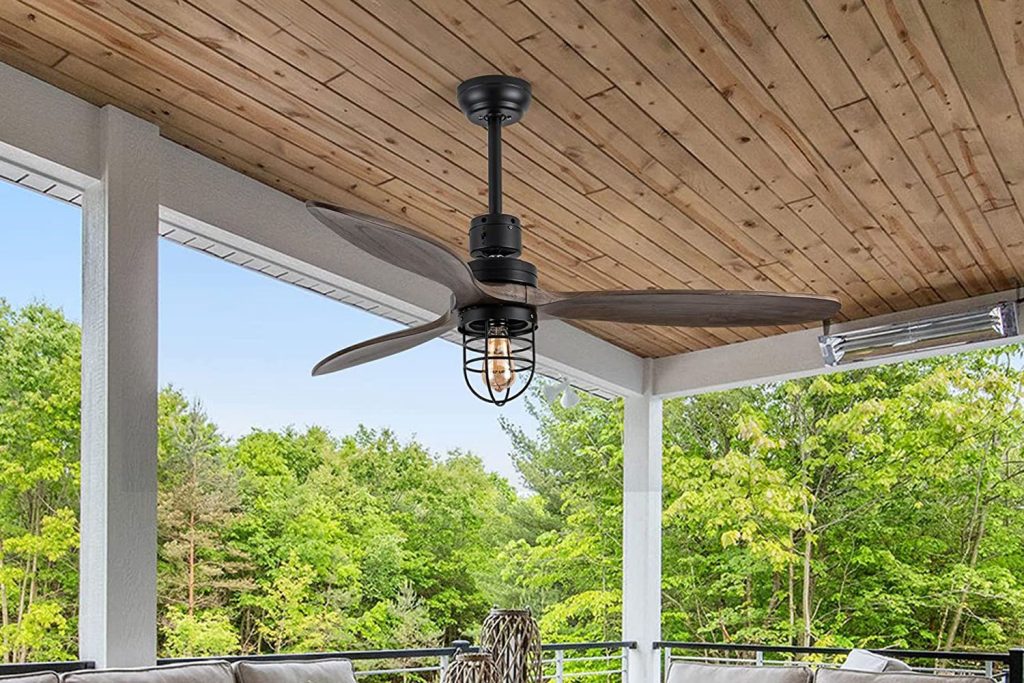
| | Create Your Own Bug-Free Breeze | | Something as simple as an electric fan can reduce mosquito bites. Mosquitoes find their victims from the body odor and carbon dioxide we emit, and a breeze can disperse those signals enough that mosquitoes can’t hone in on human targets. Cooler air also means we sweat less, making us less desirable to the little blood-suckers. | | | | | Some species of mosquitoes are weak enough fliers that turbulent air prevents them from flying straight or landing. For the most protection, use more than one fan or a high-powered one that covers a larger area. | | |
Don’t Worry About Water Features
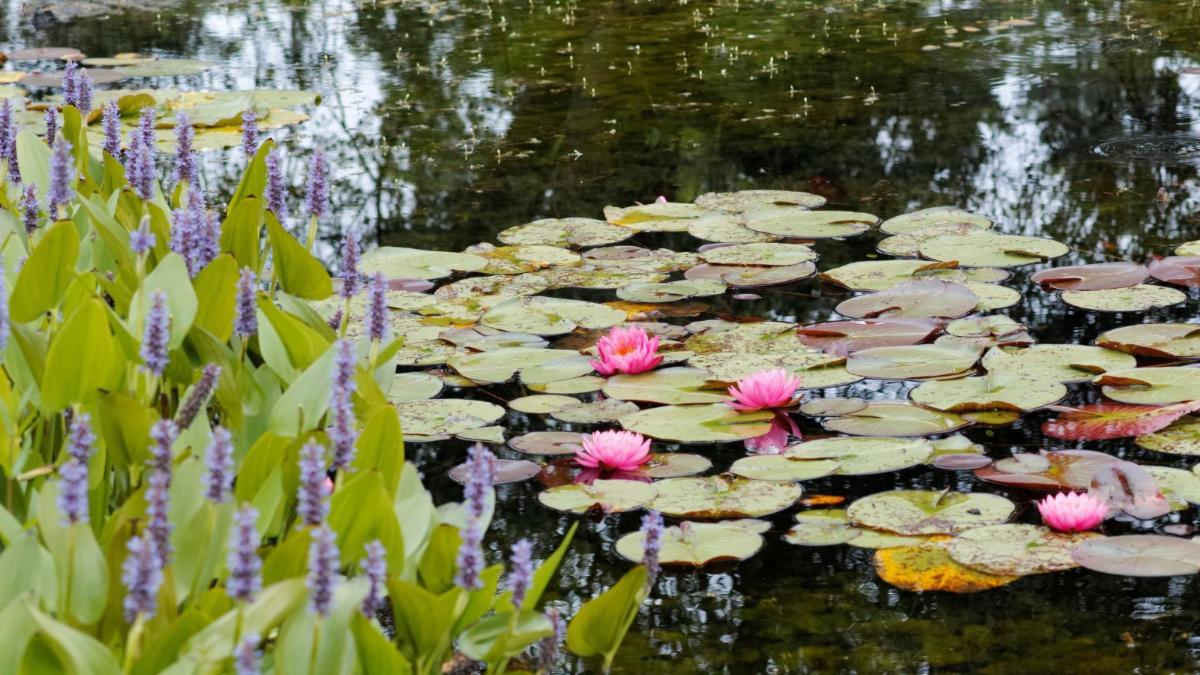
Water features with a pump or any kind of fountain that keep water in motion are safe from female mosquitoes wanting to lay eggs. But water features without pumps can easily be mosquito-free as well. Mosquito dunks are tablets that, when placed in water, release a bacteria that kills mosquito larvae but doesn’t harm other aquatic life.
| | |
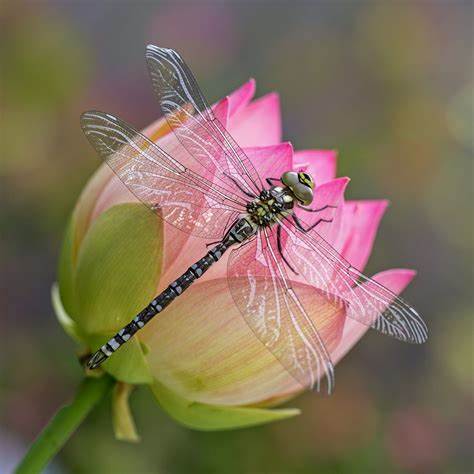
Leaving leaf litter and debris in your water feature provides habitat and shelter for natural mosquito predators. Dragonfly larvae hide among fallen leaves and feed voraciously on mosquito larvae, while copepods—microscopic crustaceans found in many waters outdoors and specialty supply stores—also patrol these sheltered zones and consume mosquito young.
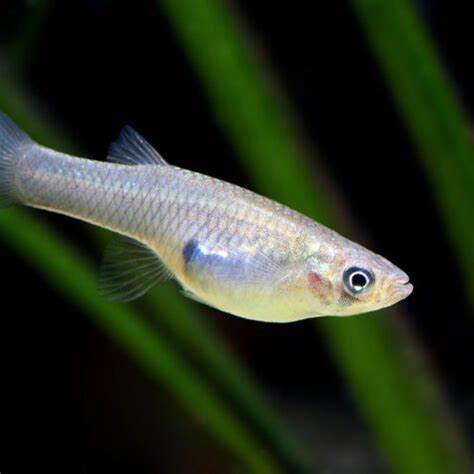
| | | | | Introducing small fish species such as common minnows offers another layer of protection: minnows feed heavily on mosquito larvae, significantly reducing the number of emerging adults without harming other pond inhabitants. | | |
Perfect Natural Predators
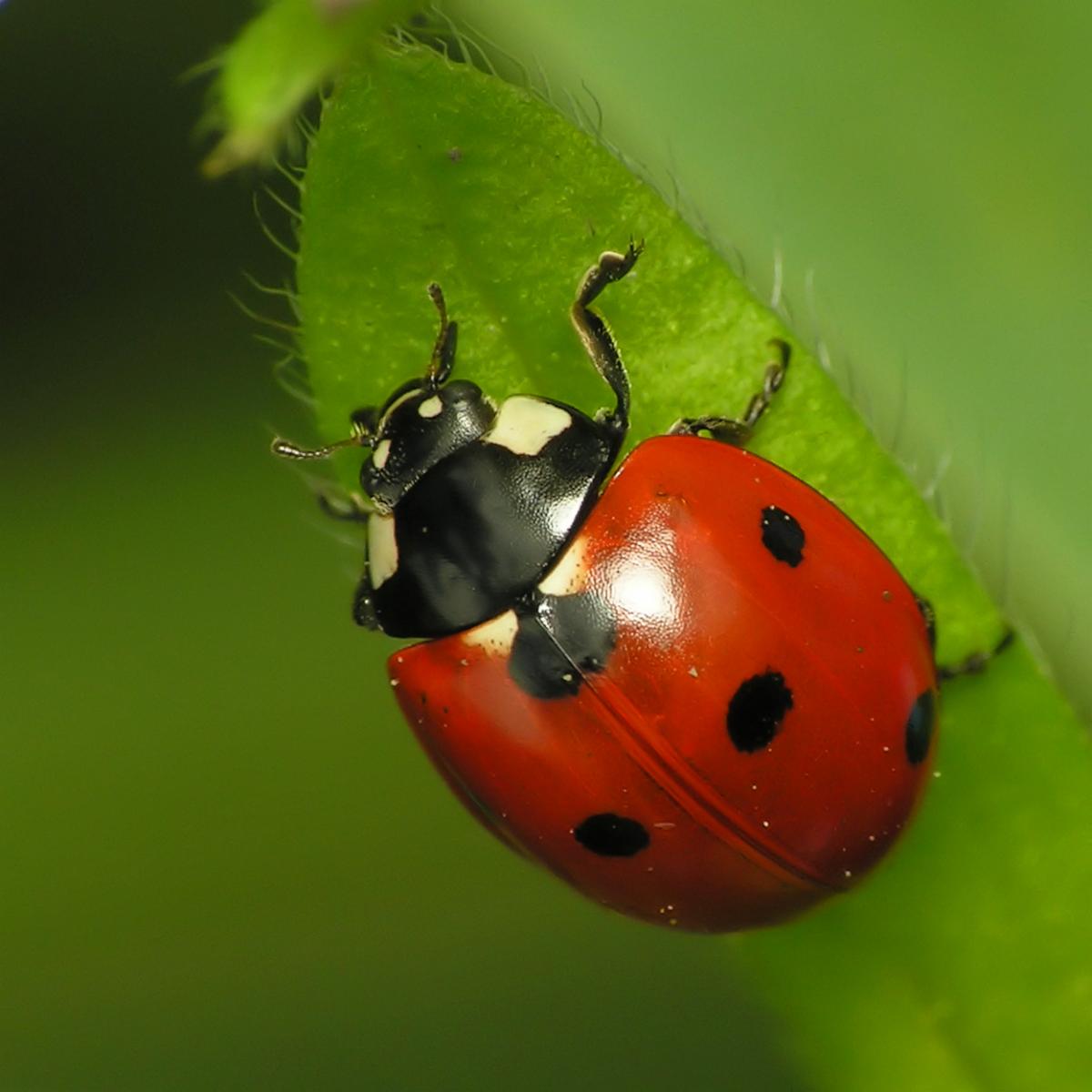
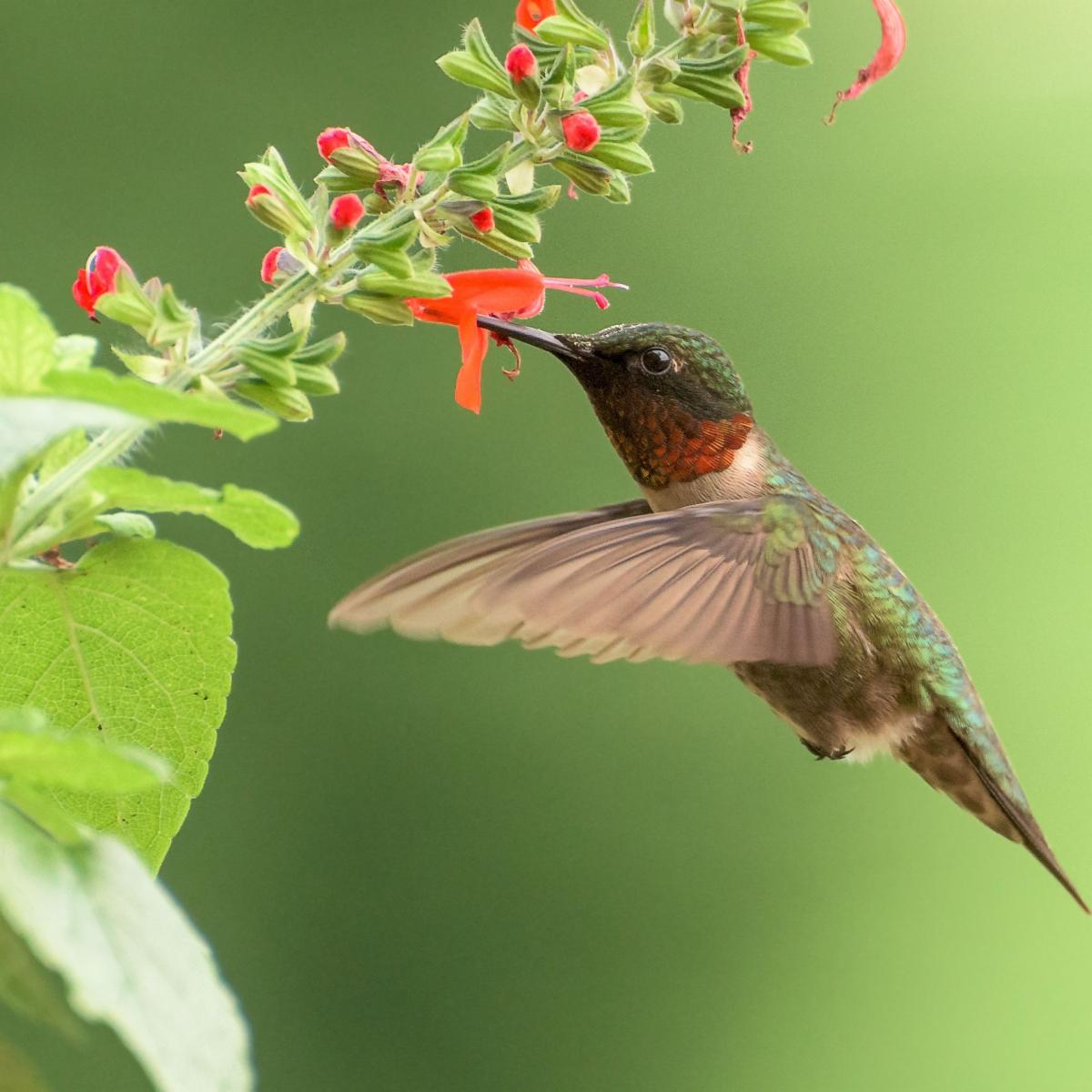
Mosquitoes are part of the food web, and lots of creatures find them tasty: turtles, birds, frogs, dragonflies, bats, hummingbirds, salamanders, ladybugs, lizards, and spiders, to name a few.
| | |
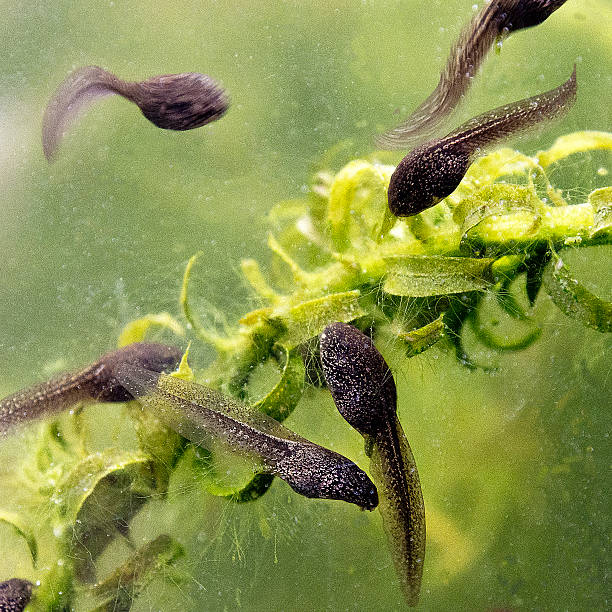
Aquatic and semi-aquatic hunters target larvae and pupae: fish such as bluegill, Gambusia (“mosquitofish”), bass and catfish; tadpoles and frogs, toads and salamanders; plus juvenile freshwater turtles patrol pond edges for wriggling mosquito pupae. Dragonfly and damselfly nymphs lie in wait underwater, then adults swoop mosquitoes from mid-air with razor-sharp precision.
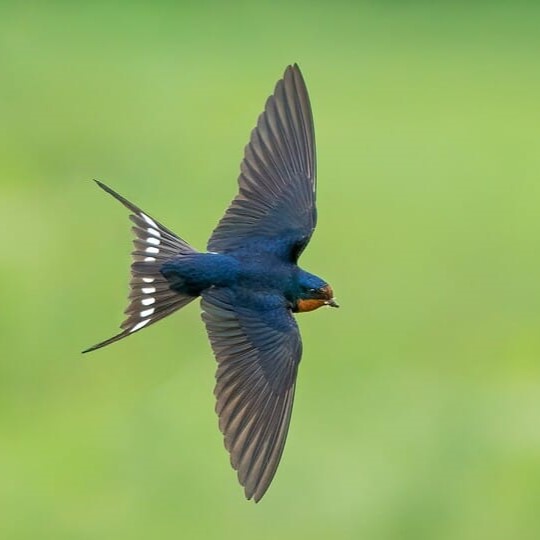
| | | On land and at dusk, bats and aerial insectivores—including swallows, purple martins, wrens and nighthawks—gorge on flying adults, while spiders and ground beetles pick off stragglers in garden webs. Even hummingbirds, insect-hunting lizards, and predatory ants will snatch mosquitoes when opportunity knocks. | | |
Nurturing our mosquito-munching friends begins with simple habitat tweaks:
- Line your pond or rain garden with leaf litter, rocks and submerged logs to shelter amphibians and turtle hatchlings.
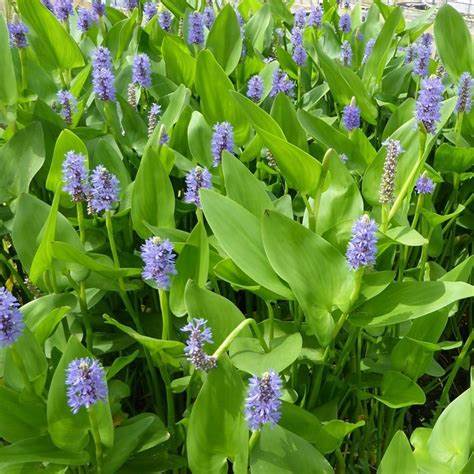
- Plant emergent species like water lilies, iris, and arrowhead in clean, well-aerated water to give nymphs both food and hiding spots.
- Create a rocky, driftwood-studded shoreline for dragonfly and damselfly larvae.
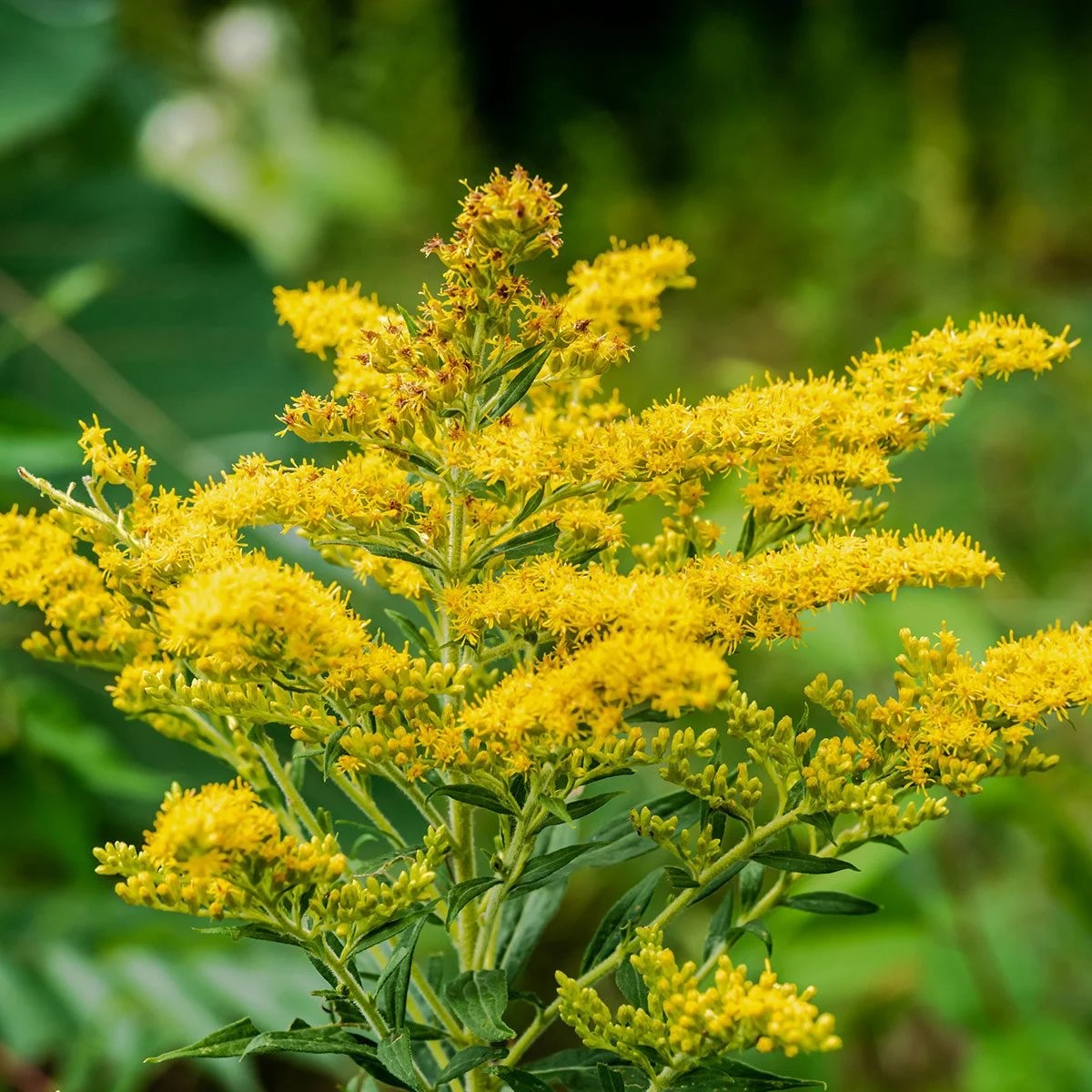
- Sow native, nectar-rich perennials—goldenrod, phlox, beebalm—to lure predatory insects like ladybugs and hummingbirds.
- Delay autumn cleanup and skip broad-spectrum pesticides so beneficial insects can overwinter.
| | Join us in welcoming our H-2B workers from Mexico! | | | |
Victor Hugo Perez Moreno
Landscape Maintenance
Hugo is 41 years old and hails from Matehauala in San Luis Potosi. In addition to Missouri, he’s also visited Indiana and Arizona. In his opinion, the English language is “interesting” and notices that our economy is different from Mexico’s. Hugo misses his family back in Mexico and calls them as often as he can.
| |
| How did you like this email? | | | | Thank you for your feedback! | | |
What's Blooming?
Interesting Fruit, Flowers, and Foliage this Month
(N) denotes a Missouri native plant.
| | |
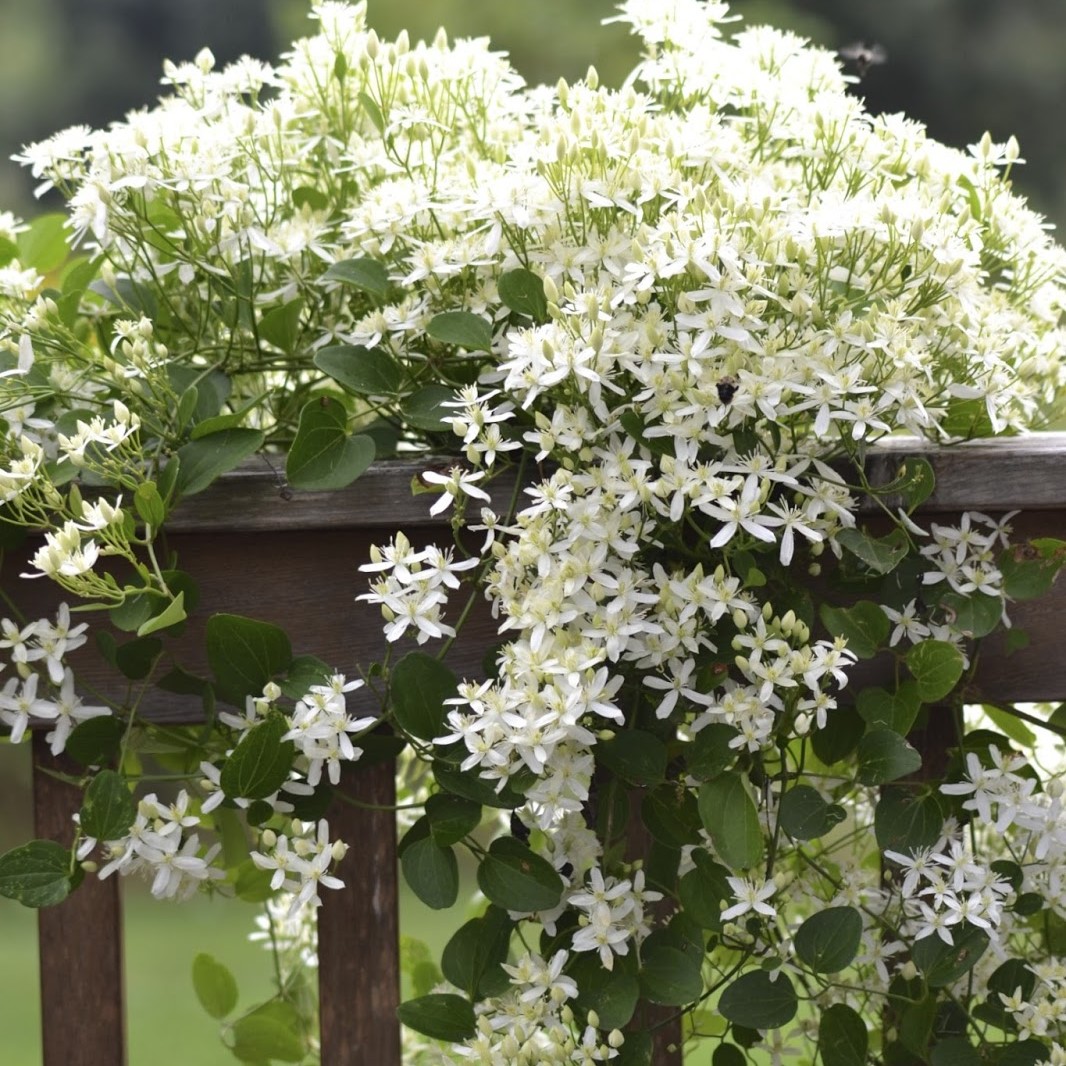
Clematis virginiana
Virgin's Bower (N)
| |  | |
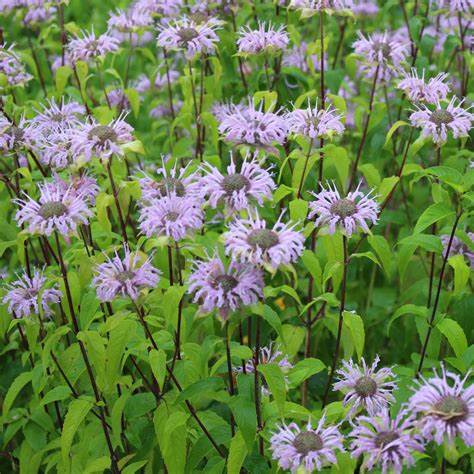
Monarda fistulosa
Wild Bergamot (N)
| | | | | | |
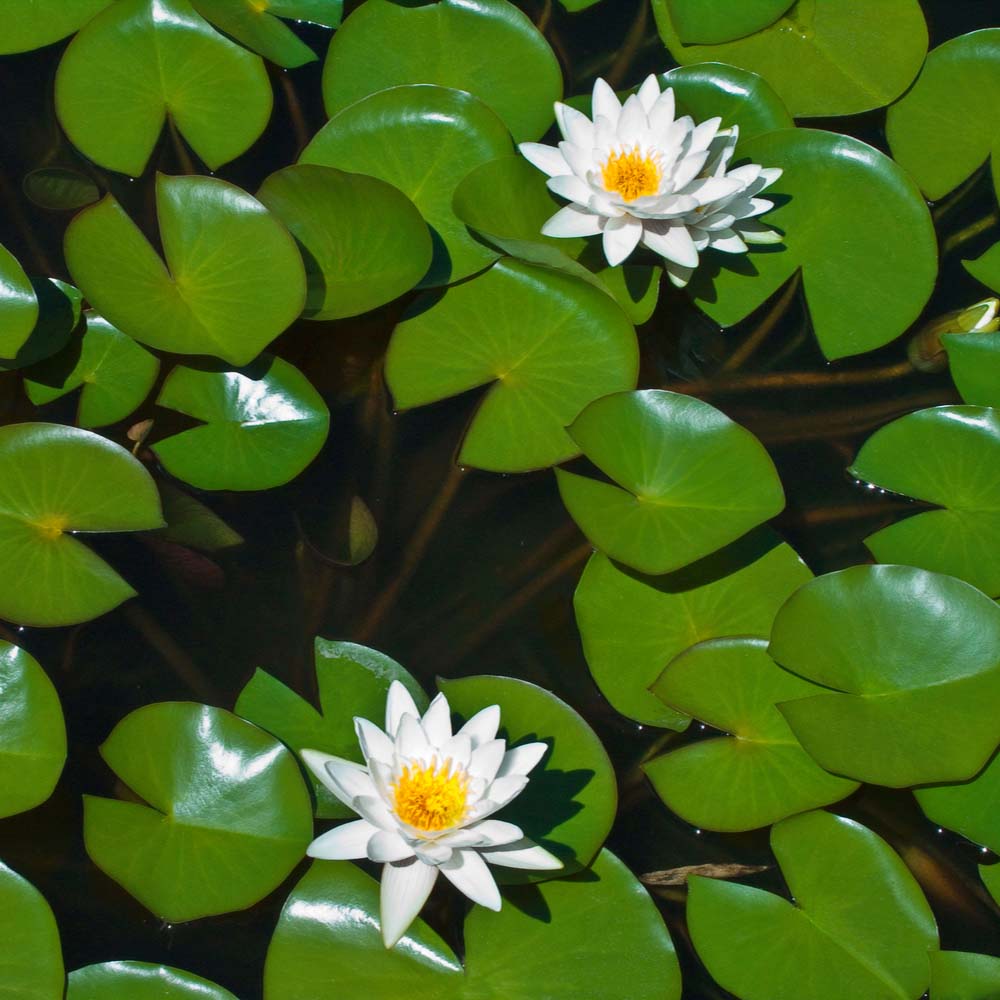
Nymphaea odorata
White Water Lily (N)
| | | |
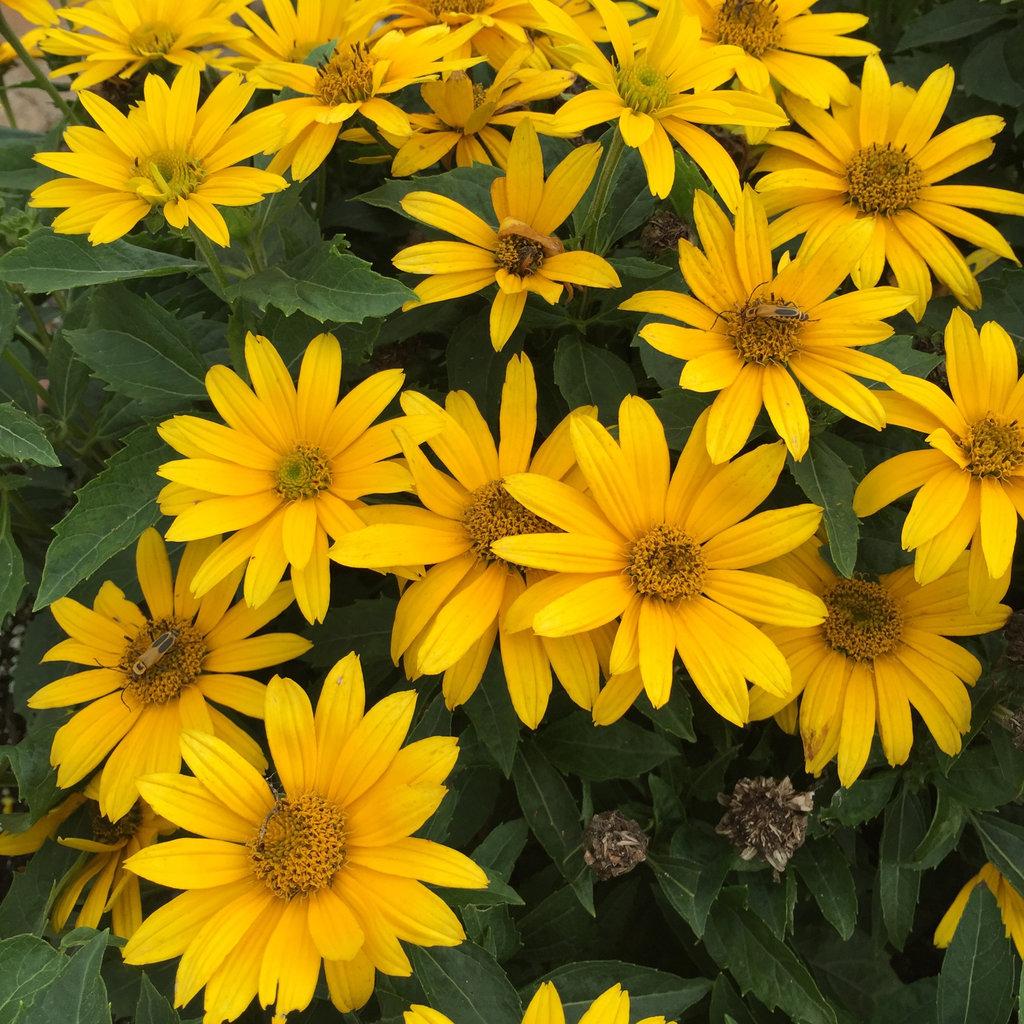
Heliopsis helianthoides
Ox-Eye Daisy (N)
| | | |
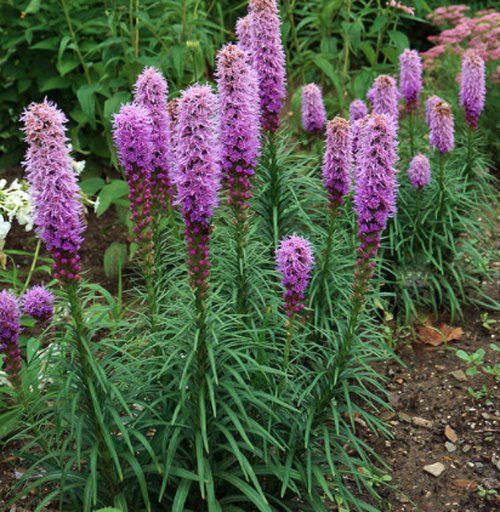
Liatrus spp.
Blazing Star
| | | |
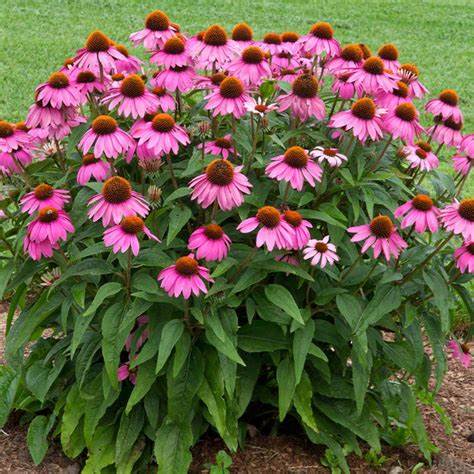
Echinacea purpurea
Purple Coneflower (N)
| | | |
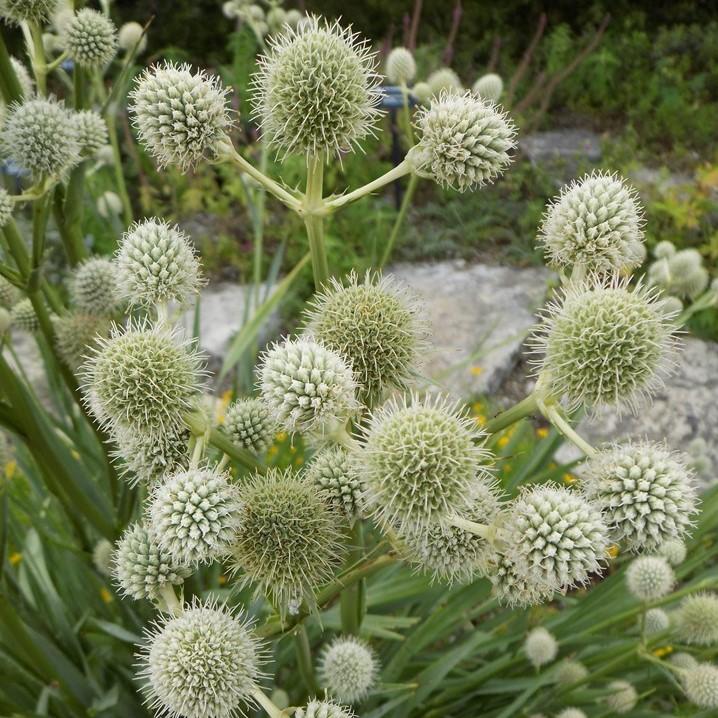
Eryngium yuccifolium
Rattlesnake Master (N)
| | |
Questions? Give us a call at 314-821-4857.
| | | | | |








:max_bytes(150000):strip_icc()/Copepods-GettyImages-478633023-5924e0b93df78cbe7e1cae57.jpg)