Newsletter

“Autumn teaches us the beauty of letting go. Growth requires release—it’s what the trees do.”

Ka’ala

A SKI Landscape Publication

Fall, 2025

3,000-year-old super trees!

by Ann Wolski

I will be taking a trip out to the San Francisco, California area soon and one of our stops will be to see the Giant Sequoias. In doing research, I found out that these magnificent trees can live to be more than 3,000 years old. What you say? That cannot be! Exactly my thoughts so I did more research to find out how this is possible.


Giant Sequoias thrive in the California Sierra Nevada region. They have adapted to the specific climate and ecological conditions found on the western-facing slopes. The region has high altitudes, moderate temperatures, ample rain and well-drained, fertile soils for a healthy Sequoia habitat.


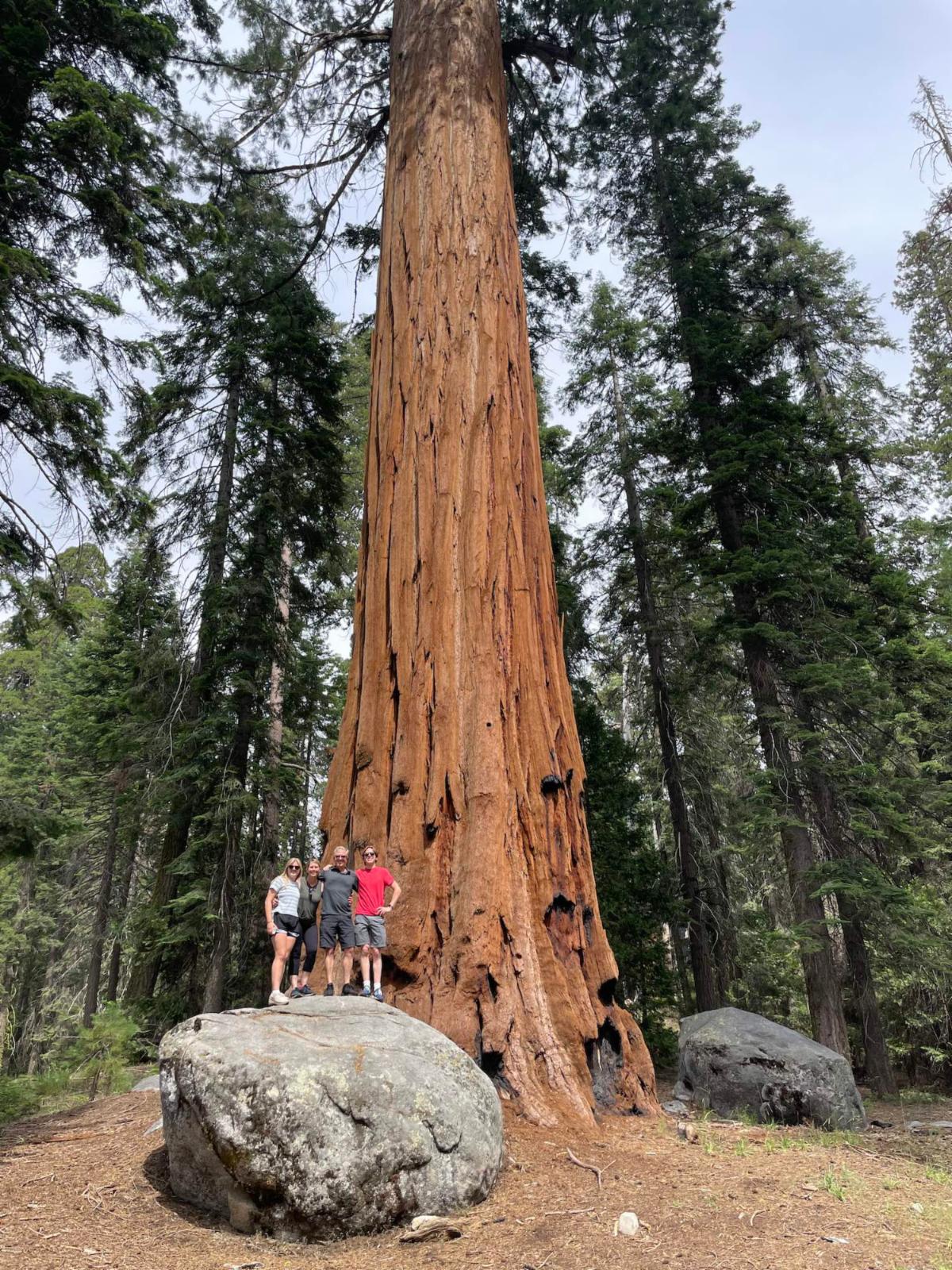
Known for being the world’s most massive tree, Giant Sequoias never stop growing and can reach heights of 300 feet and weigh over 600 tons. Amazingly, their width can exceed 30 feet in diameter with circumferences of about 100 feet.


The Giant Sequoias’ tree roots only extend 6 to 12 feet underground. Their shallow roots spread widely and intertwine with the neighboring trees to form a network of stability and support. The interconnecting root system allows Giant Sequoias to anchor themselves into the rocky Sierra Nevada terrain. Even though there isn’t a tap root to stabilize these trees deep into the earth, the Giant Sequoias rarely fall over.

Giant Sequoias have lived for thousands of years due to a combination of fire-resistant adaptation, a slow metabolism and a lack of natural major predators. Their thick, spongy bark acts as natural insulation. Tannins within the bark guard against fire and insect damage. Their fire-resistant bark is up to two feet thick and protects the inner core from the intense heat of wildfires. Giant Sequoias drop their lower branches as they grow taller and older, which helps prevent fire from rushing up to the tops of the trees.


Fire is essential in helping Giant Sequoias with seed dispersal. The 2-inch cones open naturally when exposed to heat. This allows their seeds to sprout and take root on the bare soil that has been cleared of needles and other organic material by the fire. The seeds need a specific sequence of events—fire, sunlight and bare soil—for successful reproduction.

Because Giant Sequoias have a much slower metabolism rate, they accumulate damage slower and can stretch their lifespan over a much longer period.


Giant Sequoias do not have significant natural predators (including humans) that would limit their lifespan. The wood of Giant Sequoias is so brittle that when they fall they shatter, making the logs unusable for lumber. This, combined with their remote location, means Giant Sequoias have been protected from the effects of logging and other human interference.


Giant Sequoias are truly a wonder of the natural world. I look forward to standing under the canopies of these giant majestic trees in speechless awe as have millions of others over the course of 3,000 years.

SKI Around Town

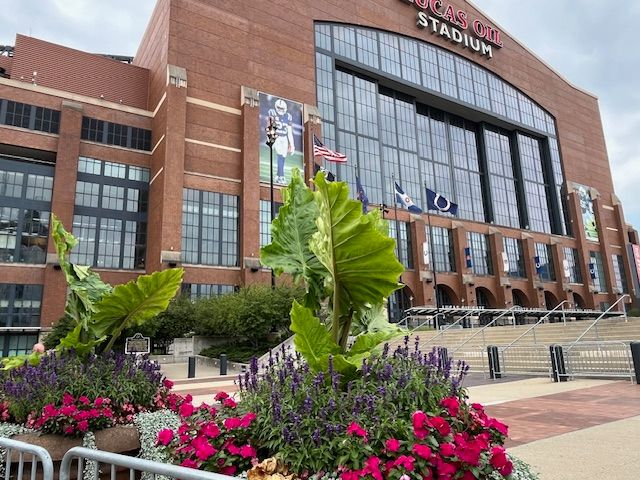
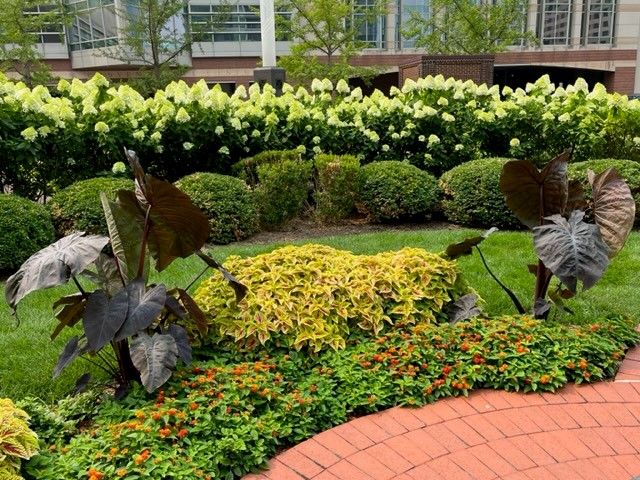
Ski Landscape is ready for Colts Football! Lucas Oil Stadium will welcome fans from all over the area with our beautiful flowering display. GO COLTS!

From a simple railroad stop to a presidential landmark

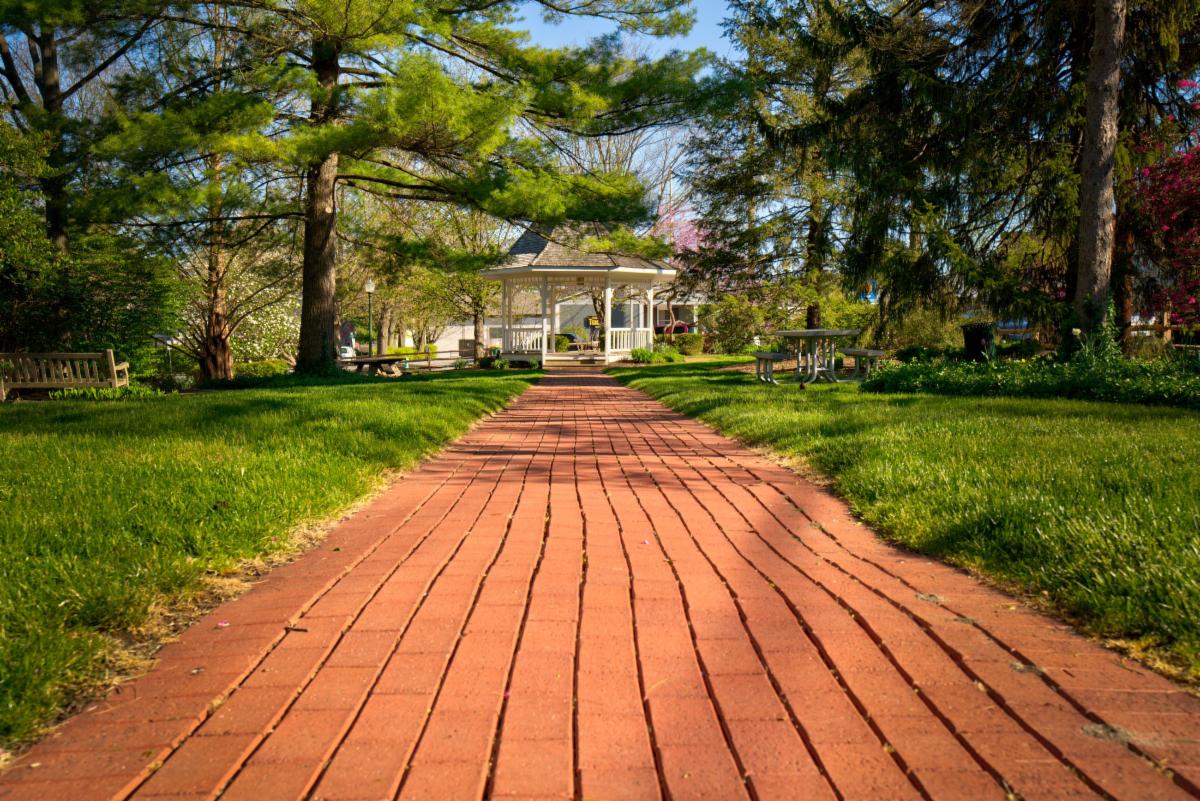
A half-acre park nestled in the Village of Zionsville has a rich and significant history. Lincoln Park has been a focal point in the downtown area for nearly a century. Originally known as Depot Park ( and sometimes First Steret Park), it was established along a railroad stop in Zionsville, Indiana.


In 1861, Abraham Lincoln was on his way to Washington D.C. for his inauguration as president of the United States when he stopped at the depot to take on water. He made a “whistle-stop” speech in Zionsville from the rear of the railroad car.


Later, after Lincoln’s assassination in 1865, the train carrying his body passed through Zionsville on its way to his final resting place in Springfield, Illinois.

Today Lincoln Park is used for summer concerts, weddings and other special events with amenities including picnic tables, benches, a fountain and a memorial dedicated to Abraham Lincoln. 


Blog


September SKI Tips, 2025


Fall pruning and planting


The Nightmare of "Black Blizzards"


Bring a little bit of Missouri to your property!


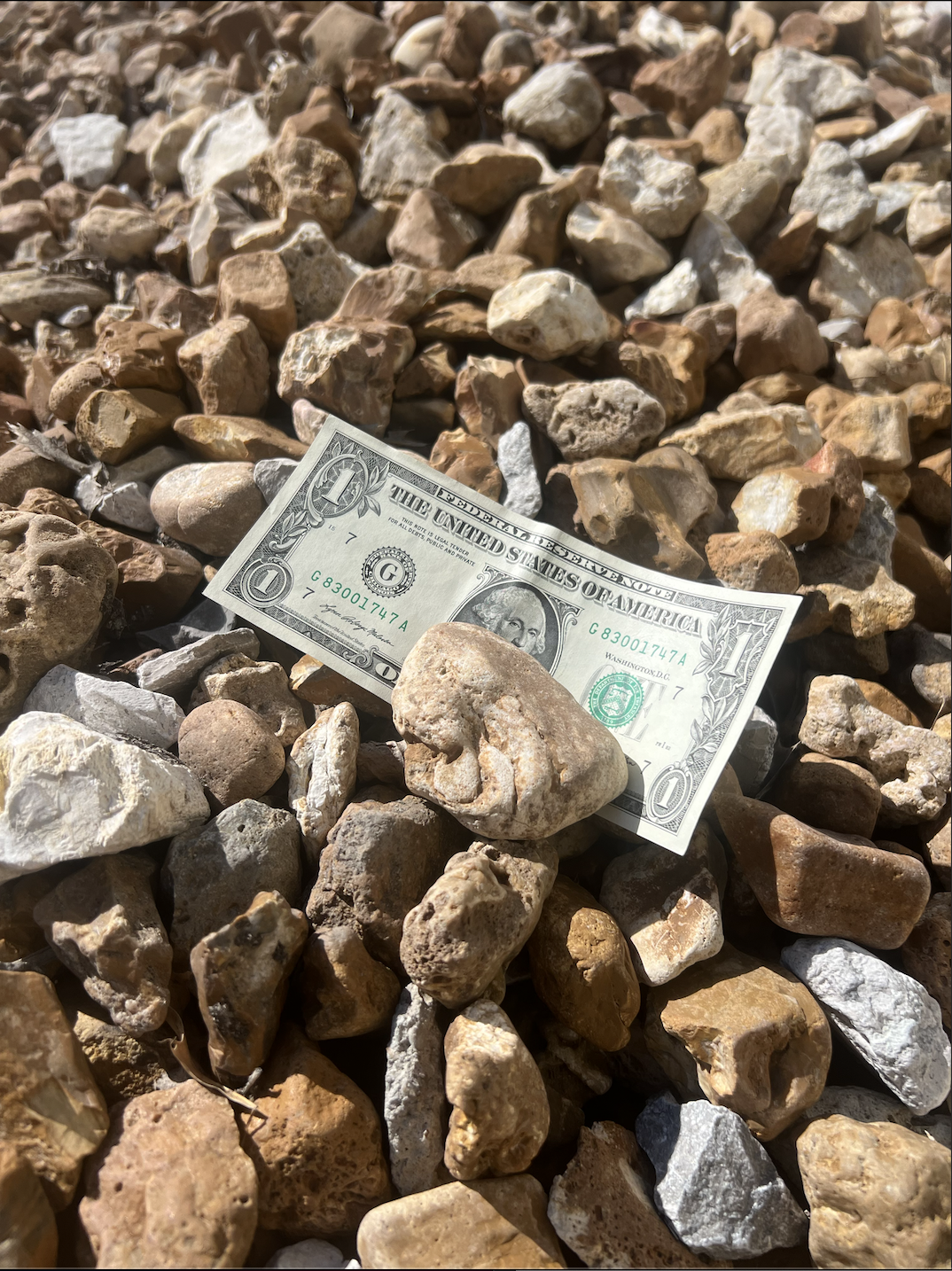
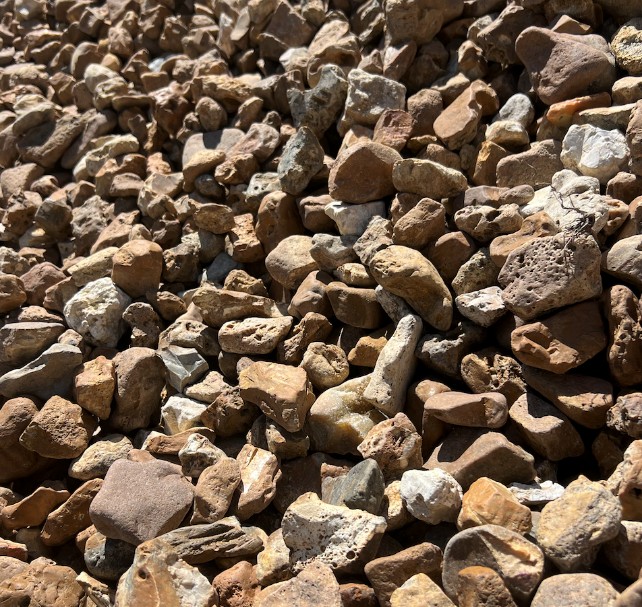
SKI landscape's newest stone is from the Meramec River, one of the most popular and largest rivers in the state of Missouri. Being 218 miles long and hosting over 300 different aquatic species, the Meramec is also known for its sheer beauty. It is home to many attractive sights including lush forests, majestic rolling hills, and gorgeous cliffs. 


The Meramec River also yields a kind of gravel that can be found nowhere else in the world and is simply called 'Meramec gravel'. It is tan with subtle burnt orange undertones and is often used for more fashionable landscape designs. 


Ask us about Meramec gravel. Call (317) 757-5000 


It's a "mob of brumbies"!

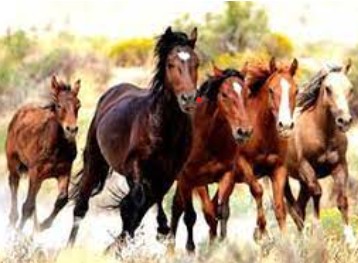
If you see wild horses running at you, it could just be a "mob" or “band” of brumbies. A “brumby” is a free-roaming feral horse mainly found in rural or outback areas of Australia. Other terms for these wild horses are “clear skins” and “scrubbers”. In other parts of the world these free-range animals are called “mustangs” in North America and “cimarrons” in South America.


Brumbies are believed to be descendants of animals imported by early British colonialists. They may have gotten their name from horses that Private James Brumby abandoned in 1804 when he was transferred from New South Wales to Tasmania.


Today brumbies live in many different places including some national parks. Occasionally, they are tamed for use in campdrafting competitions, a uniquely Australian equestrian sport. They also are working stock horses on farms, show horses and pleasure-riding horses. They make great trail horses as they are sure-footed, intelligent, hardy, alert, trainable and versatile. Brumbies have a good temperament, hard hooves and strong bones.


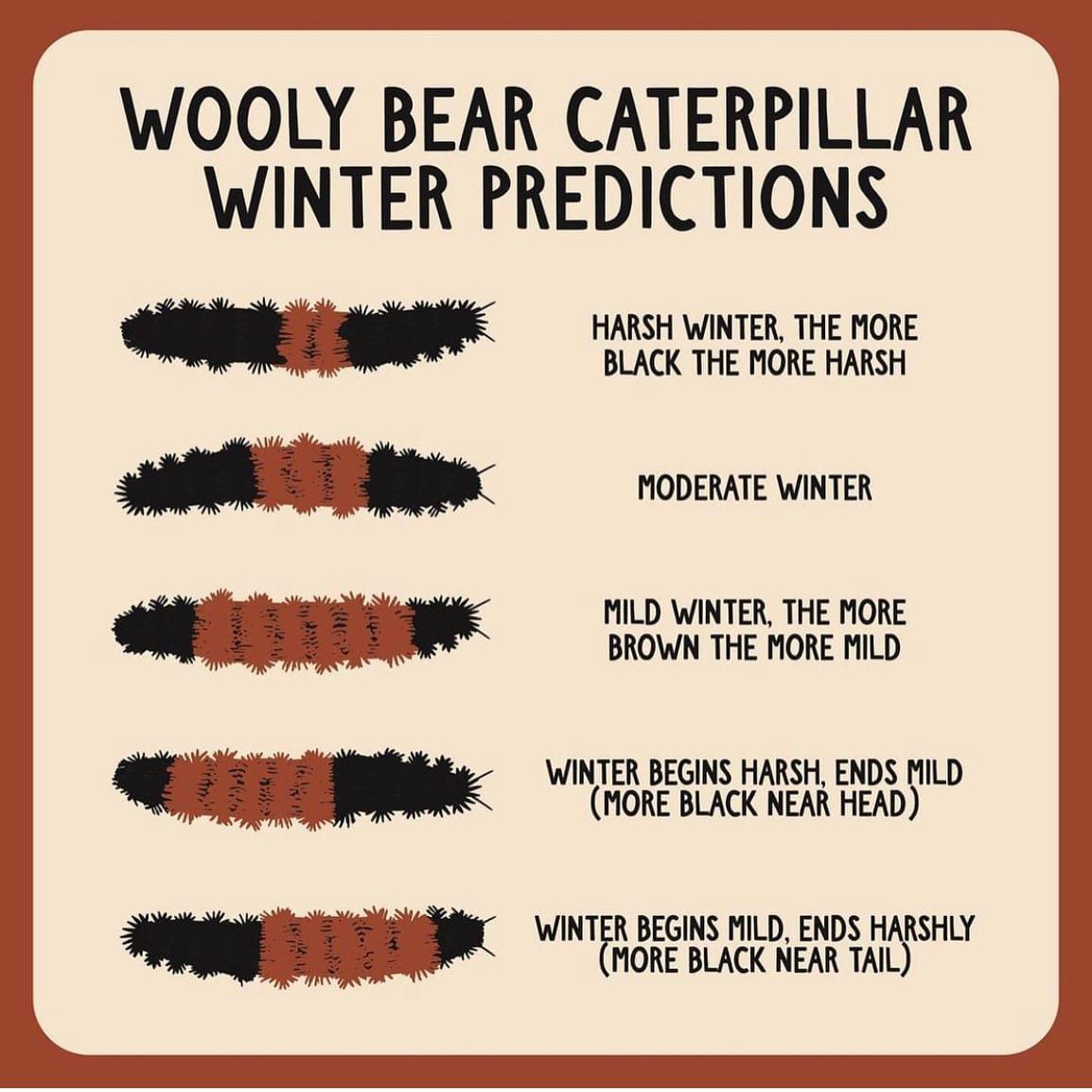
Seeing a woolly worm, or woolly bear caterpillar, in the fall is a common sign that winter is approaching, and folklore suggests its coloration can predict the severity of the upcoming winter. Specifically, the amount of black on its body is said to indicate how cold the winter will be; more black supposedly means a harsher, colder winter with more snow. 

Office Hours

Monday - Friday

8:00 a.m. - 4:00 p.m.


(317) 897-5885


Products Office Hours

Monday - Friday

8:00 a.m. - 4:00 p.m.


(317) 757-5000

Facebook  Youtube  Instagram  
SKI Landscape Corporation | 317.897-5885 | www.skilandscape.com