McDonald Observatory SkyTips


News from the Observatory and StarDate


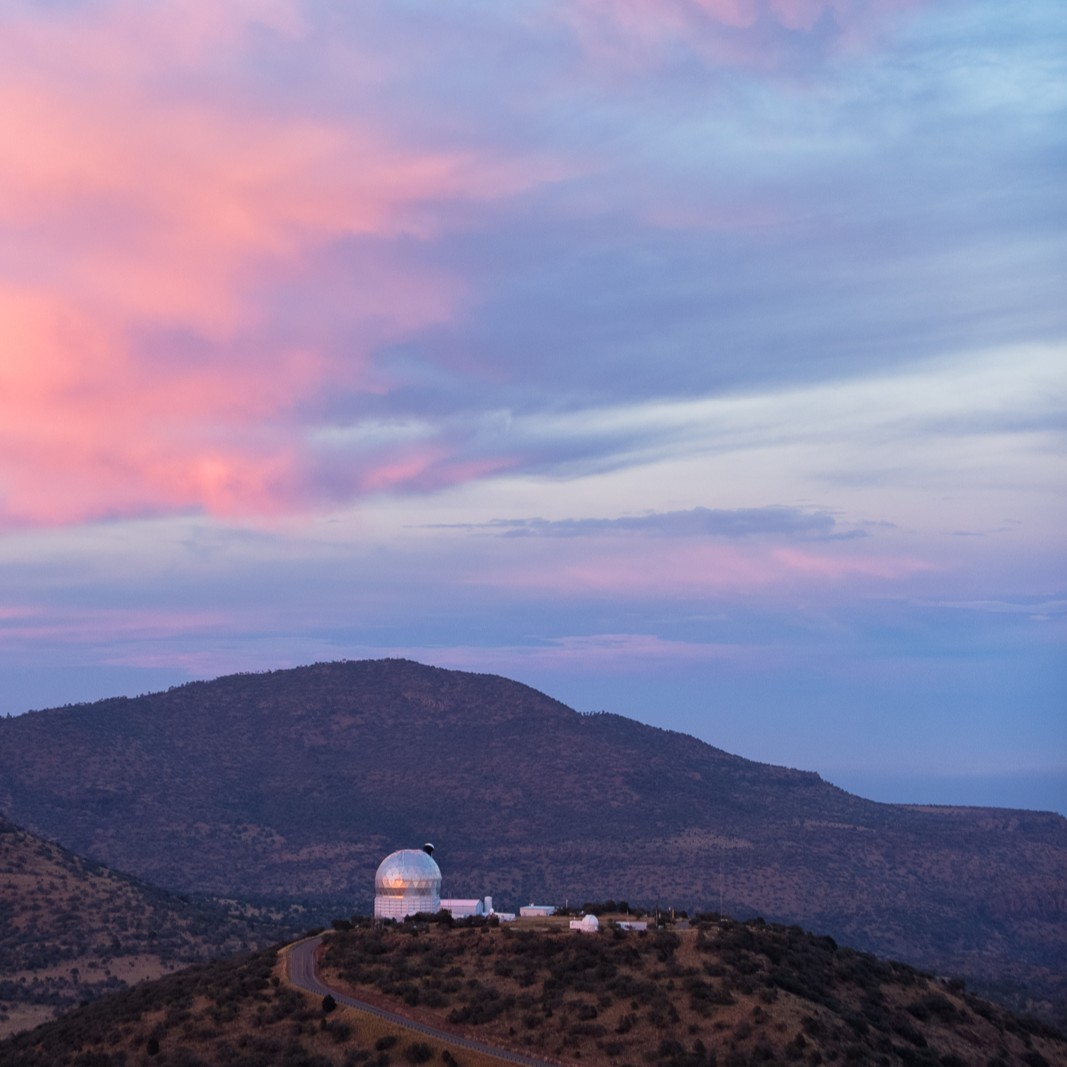
Image credit: Ethan Tweedie Photography


Now on StarDate Radio


See what's on the air or get more information on the program.


Sep 19 Is International Observe the Moon Night


Each year, observers around the world come together to celebrate Earth's Moon through direct observations, hands-on activities, lunar-themed music, and more.


McDonald Observatory will be participating in International Observe the Moon Night with special telescope viewings at its September 19 Star Party. But you don't have to be in West Texas to celebrate - find an event in your local community or host your own.


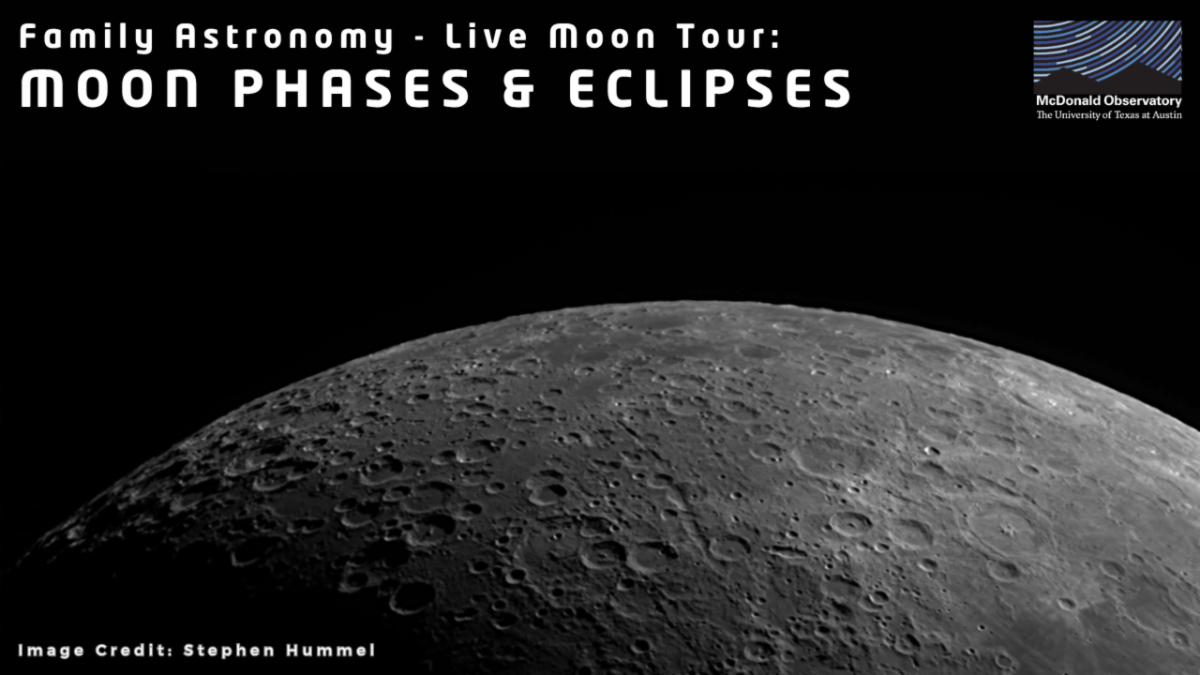
Sep 16 Livestream: The Moon!


Get ready for International Observe the Moon Night (read above) with this special livestream. Join us at 7:30 p.m. CT to learn about the Moon's phases, features, and why we have eclipses.


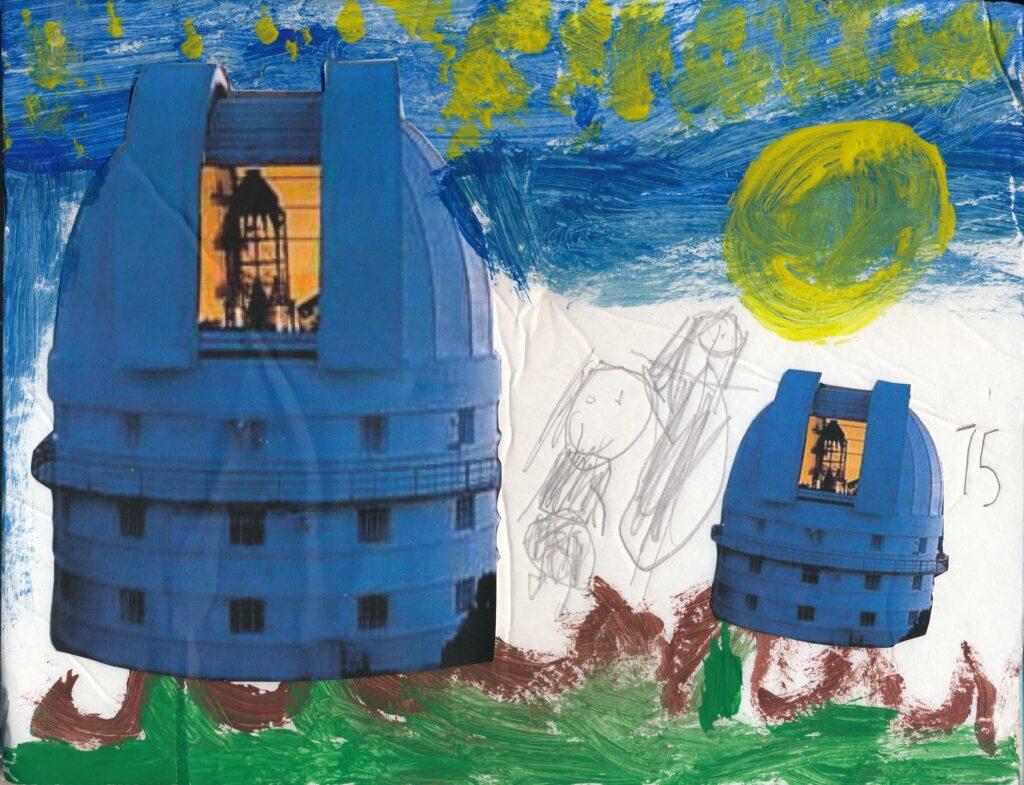
Credit: Charlotte Browning

Education Resources for the 2026-2027 School Year


This August, Homeschool Days returned with a special activity about the phases of the Moon. Held throughout the year, these free programs are specifically for homeschoolers and their families, but all are welcome! The next will be October 15.


Our education team also offers distance learning opportunities throughout the year for classrooms that aren't able to make the trip out to McDonald Observatory. Live lessons will explore our Moon, space telescopes, the scale of our Solar System, and more. Recorded past programs are also available.

September

Skywatching


The Milky Way arches high overhead on September evenings, visible under dark skies.


The Great Square of Pegasus ascends the eastern sky, with some of the leading star patterns of fall trickling into view as the month progresses.


Venus and Jupiter, the brightest objects in the night sky other than the Moon, bracket the sky, with Venus in view in early evening and Jupiter at dawn.


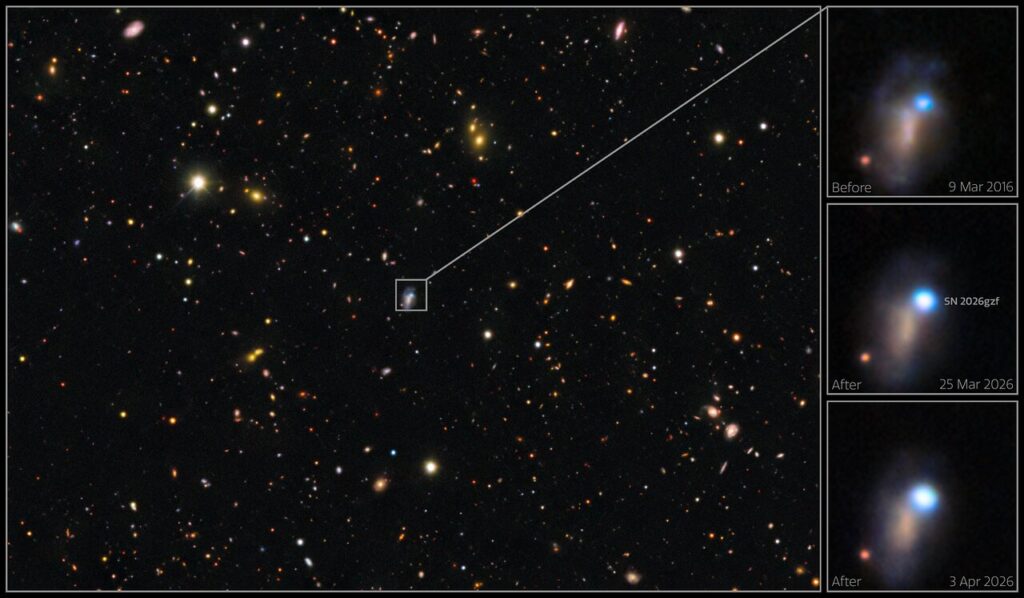
Credit: CTIO / NOIRLab / DOE / NSF / AURA

Astronomers Catch Massive Star’s Death


A rare cosmic explosion has given astronomers an unprecedented view of a massive star in its final moments, revealing a previously missing link between ordinary supernovae and the most energetic explosions in the universe.


“Capturing the earliest stages of a supernova requires telescopes that can respond quickly," said Greg Zeimann, an astronomer at McDonald Observatory and co-author on a recent study about the supernova. "The Hobby-Eberly Telescope’s queue scheduling allowed the observations to be added rapidly after discovery, contributing an important piece to the international observing campaign.”


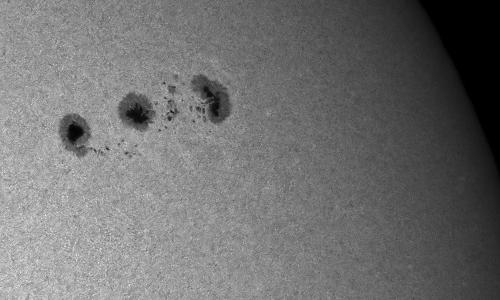
See Our Dynamic Sun at a Solar Viewing


The Sun goes through a roughly 11-year cycle of increasing and decreasing activity on its surface. We are currently at a peak, known as "solar maximum." Here on Earth, this can mean more auroras near our poles. On the Sun itself, this means more sunspots, loops of plasma extending into space, and dramatic flares.


You can see this solar spectacle live during one of our Solar Viewing programs. These are held at 1 p.m. each Tuesday through Saturday in the Visitors Center theater.


If clouds or inclement weather cover the Sun, we show archived images from our telescopes and recent images from space and/or ground-based telescopes.


Tickets include general admission.


💫🌟 On the Horizon 🌟💫


Sep 3: The Moon is close to the Pleiades star cluster at dawn.

Sep 8: The brilliant planet Jupiter is close below the Moon at dawn.

Night of Sep 10-11: New Moon.

Sep 22: Today is the equinox, marking the start of autumn in the northern hemisphere.

Sep 25: Neptune is at opposition, meaning it stands opposite the Sun in the sky. You will need good binoculars or a telescope to spot it in the constellation Pisces.

Night of Sep 25-26: Full Moon, known as the Harvest Moon.


Skywatching news courtesy of StarDate's 2026 Sky Almanac.


Make a gift to support our education and outreach efforts.


Facebook  X  Instagram  Youtube  LinkedIn