Your go-to source for Association and transportation industry news, notes, and need-to-knows | | WTBA sincerely thanks its 2026 Weekly Update sponsors: Brooks Tractor, County Materials Corporation, Fabick Cat, and Roland Machinery Company. Please click on the logos to reach their respective websites. | | |
IN THIS WEEK'S EDITION
MEMBER SPOTLIGHT
- WTBA connects lawmakers with crews transforming Port of Green Bay
NEWS & NOTES
- Worker severely injured in Washington County work zone crash
- Communities receive $30 million to fix small bridges, culverts
- Annual report shows Wisconsin ranks 31st for road conditions, spending
EVENTS & REMINDERS
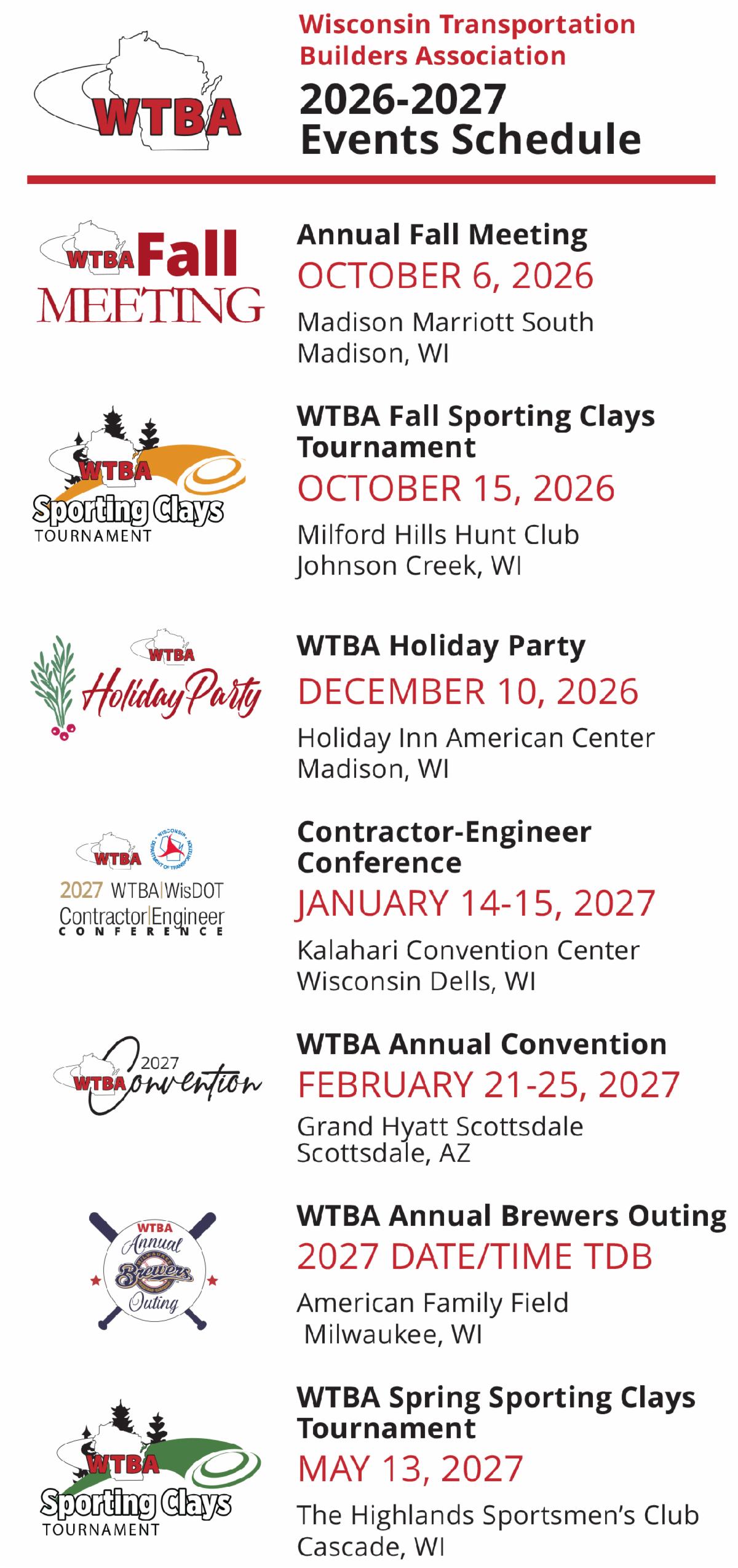
- NOW OPEN! Fall Meeting registration available (note new location)
- Baas heads to Pacific Northwest for annual state chapter exec. meeting
INDUSTRY INSIGHTS
- Duffy sends Congress letter urging Surface Transportation reauthorization
- Another Midwest state begins testing work zone speed cameras
| | Port Power: Walbec Group companies show lawmakers broad skillsets during WTBA-led tour | |
The ground under your feet quakes and the river water pulses, much like the scene in Jurassic Park when the T-Rex is about to emerge.
But it’s a different beast that’s helping transform the Port of Green Bay this summer.
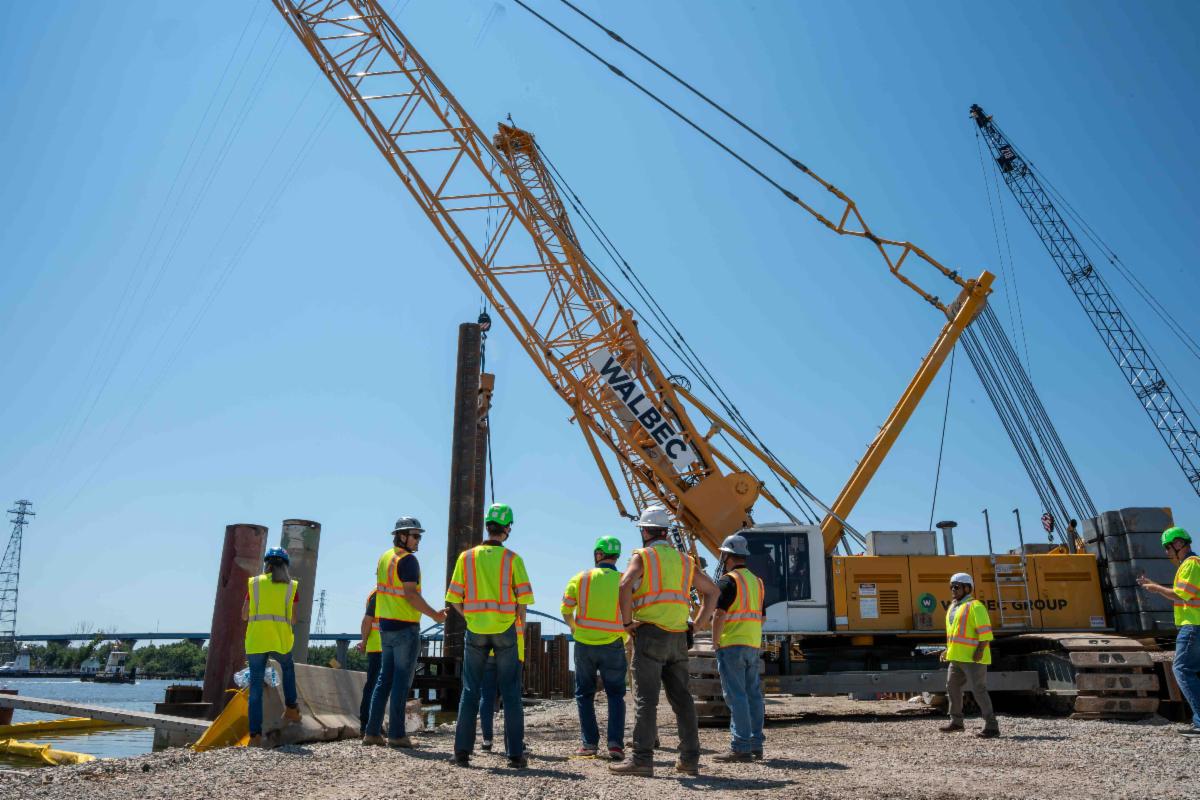
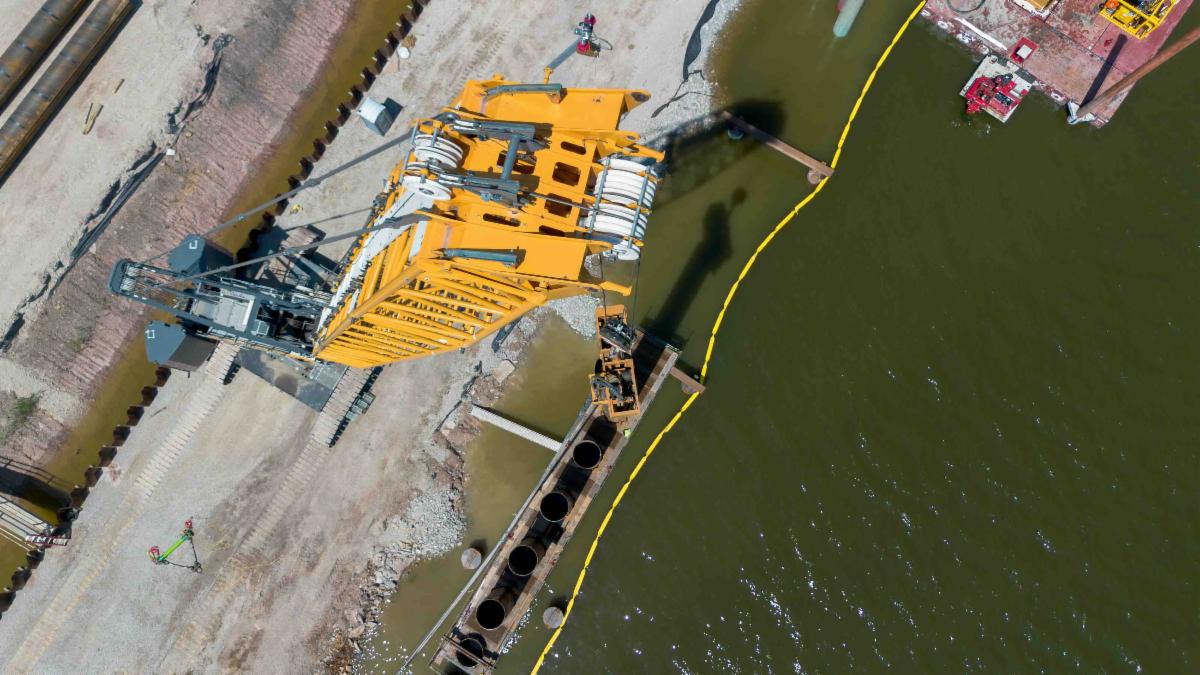
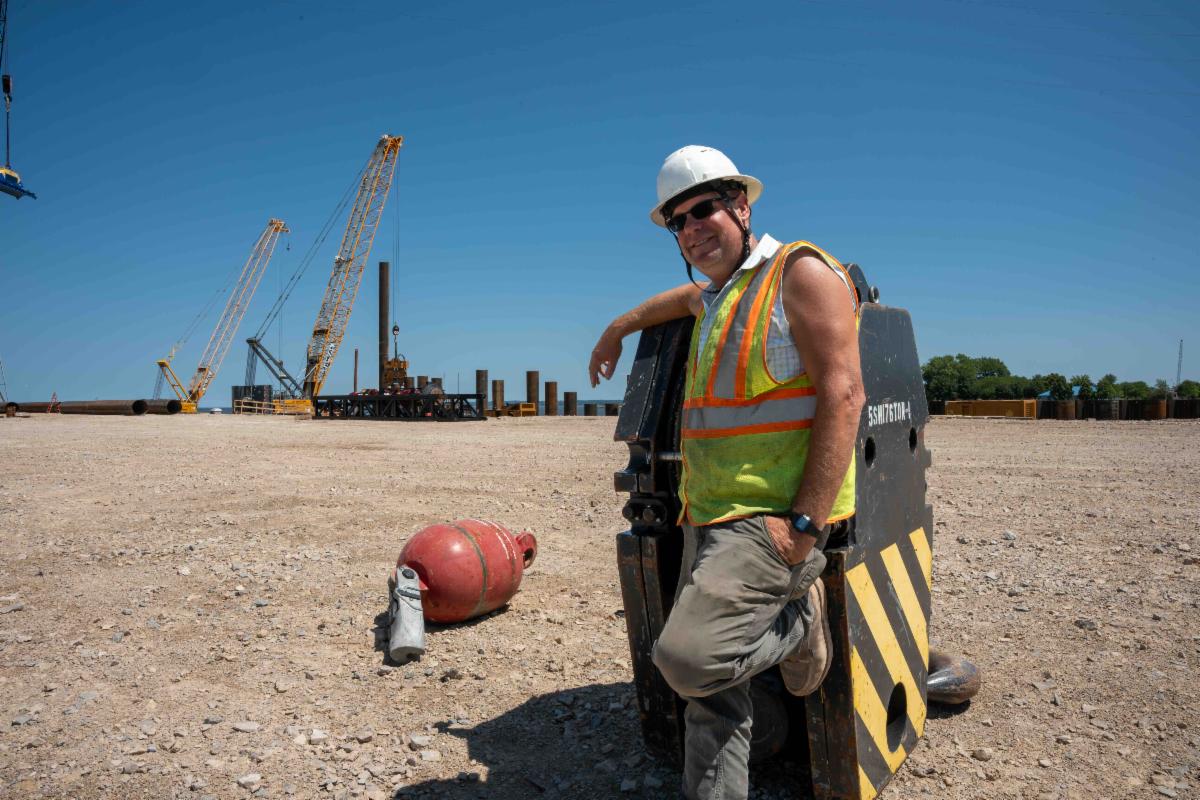
“This isn’t the truly big ‘King Kong’, but it’s the ‘Baby King Kong,’ as we like to call it,” site superintendent Keith Keskimaki says, pointing to a huge yellow device hanging from a crane.
Don’t let the name fool you – this “baby” still weighs about 45,000 pounds, driving 80-foot-tall pile cans deep into the Fox River’s soil.
| | |
“They’re pretty good sized,” Keskimaki said of the cans. “Everything about this project is big.”
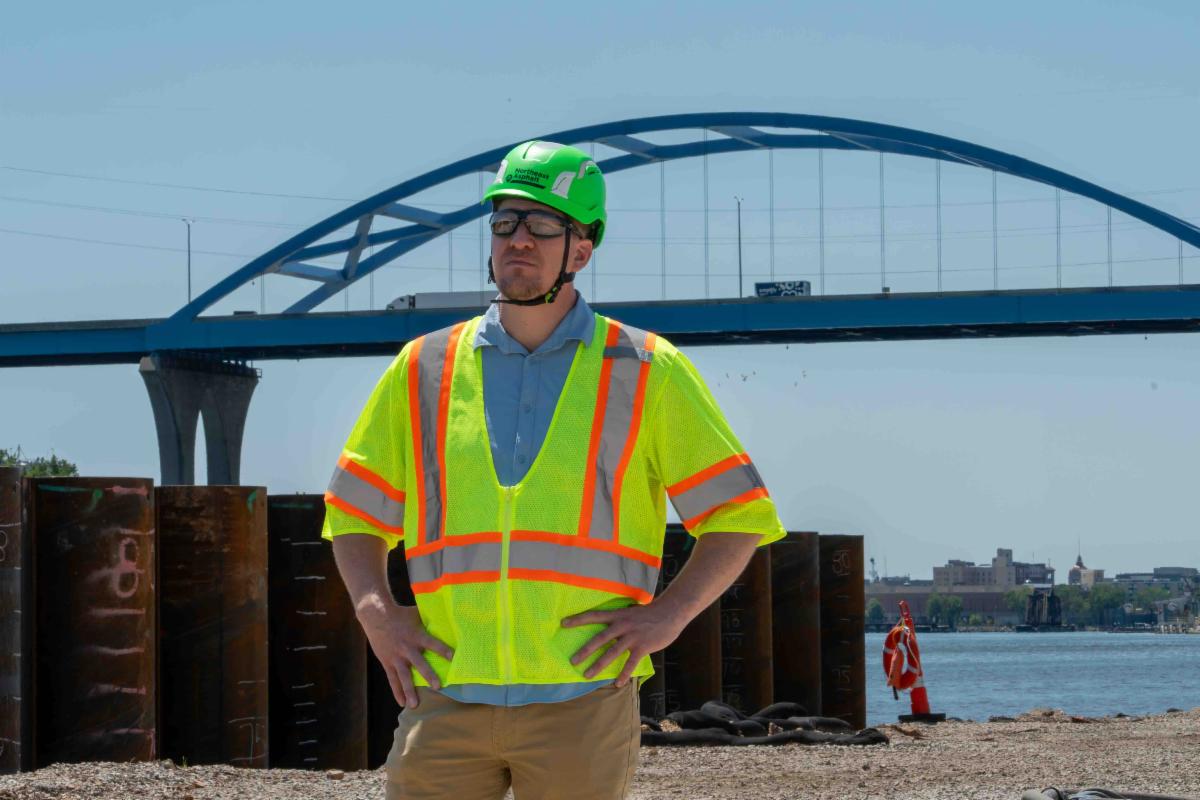
Keskimaki and his Zenith Tech, Inc. (Walbec Group) team are hard at work, turning the old Pulliam Power Plant site just north of the Leo Frigo Bridge into a modernized shipping port.
“Baby Kong’s” pile driving will help anchor a 2,000-foot dock wall, stretching 600 feet into the bay. The finished product will allow huge Great Lakes cargo ships to haul salt, coal, and other commodities into a place they never could before.
It’s the result of years of debate and negotiations between businesses, city, county, state and federal leaders on what to do with the century-old industrial area.
| | |
“It’s amazing just to see the progress. I remember this area just being a swamp, a polluted area that was a wasteland,” State Sen. Eric Wimberger told WTBA during a site tour Wednesday.
WTBA Director of Government Affairs Elise Nelson coordinated with six state lawmakers to bring them into the work area and meet with crews.
| | | |
Wimberger, who sits on the state’s budget-writing committee, pushed to include $20 million for the project in the 2023-25 state budget and helped ensure Brown County retained a $15 million grant, too.
“Someone will say, ‘Oh, we need this much money,’ and a lot of times people don’t have a concept of why,” Wimberger said. “Seeing this machinery, the massive size of the equipment and the materials puts in perspective why things cost, in this case, $50 million to achieve.”
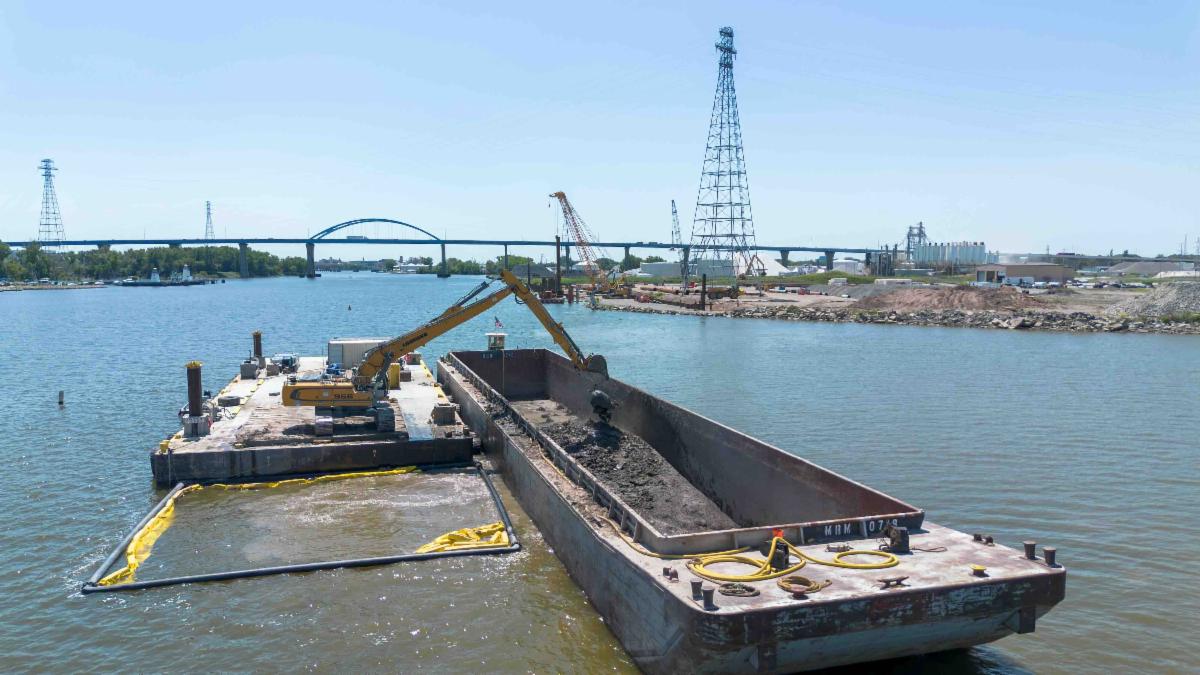
Some of that massive machinery is out in the bay itself. ZTI crews are currently dredging 200,000 cubic yards of material to make the port deep enough for the large ships.
| | | | |
The combination of ZTI’s abilities and Northeast Asphalt’s grading and paving skills allowed the Walbec Group to win the project without any outside subcontractors, coming in millions below the next-lowest bidder.
Lawmakers were glad to meet Wisconsin-based companies with local employees doing the job.
| | |
“Green Bay has a history of being a blue-collar community,” State Rep. Amaad Rivera-Wagner said. “You come to Green Bay to work hard, and when you work hard you’re able to do cool things. The employers that are bringing these employees together to help build this community really is something special.”
The port work will also help revitalize the city of Green Bay itself. A company signed an agreement to relocate huge coal piles from prime riverfront property to a different storage area, thanks to storage space for salt that the port will open up.
This huge undertaking is still more than a year from completion. The dock wall and surrounding foundation needs to sit for at least six months once in-place before NEA can pave the area and ATC can move its electrical towers.
| |
But by 2028, people living and working in the redeveloped port will be able to watch titanic ships float into the area thanks to WTBA-member work on a blockbuster project for Green Bay.
“Oh yeah,” Keskimaki said. “That’ll be something to see."
| | Mashuda worker severely injured in Highway 60 crash | | |
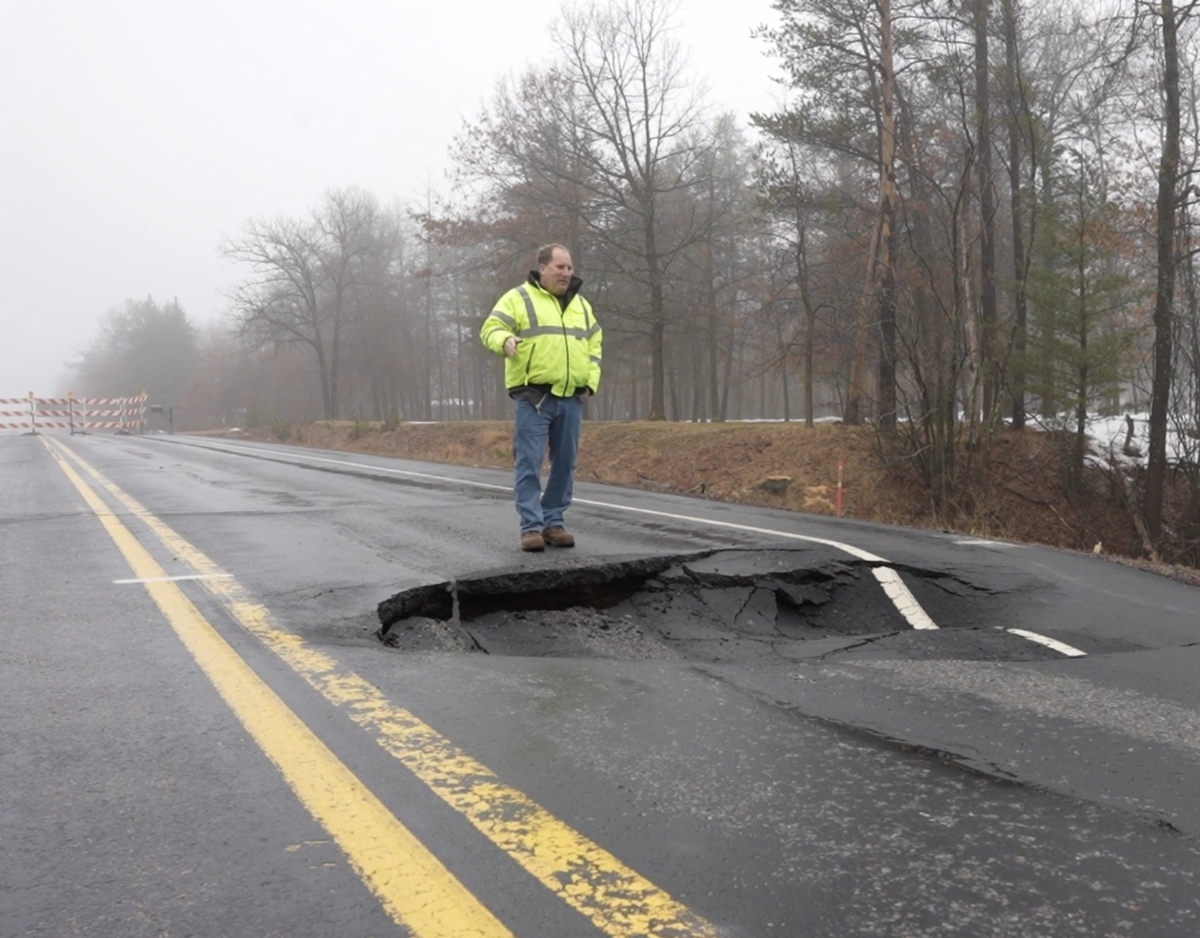
A crash in a work zone severely injured a WTBA-member construction worker and damaged a home in southeast Wisconsin.
The Washington County Sheriff’s Office says a 48-year-old woman driving an SUV crossed the centerline on Highway 60 near Jackson last week Friday afternoon.
The woman hit the construction worker, who was wearing high visibility gear while clearing dirt in the work site on the opposite side of the highway.
The woman then crashed into a nearby home.
The sheriff’s office says the worker is with Mashuda Contractors and is 35 years old. He was taken to a hospital with “potential life-threatening injuries,” the report states.
No one in the home was hurt. The driver of the SUV stayed on scene and was taken to the hospital as a precaution.
WTBA extends its thoughts and prayers to the worker’s family and Mashuda colleagues.
| | State doles out $30 million to fix small bridges, culverts across Wisconsin | | |
More than 100 small bridges across rural Wisconsin will get critical repairs, with hundreds more still in need of work.
Gov. Tony Evers and WisDOT announced Thursday the state awarded nearly $30 million to towns, counties, and villages for the new Local Small Structures Improvement Program.
The Northwest Region received funding for the most projects with 39. The Southwest Region has 25 local projects, North Central has 20, Northeast has 14 and Southeast has three.
| | | |
The funding pays for up to 90% of repairs or replacement on small bridges and culverts that are shorter than 20 feet long.
Click HERE to see the full list of areas receiving funding.
Lawmakers included the $30 million in the 2025-27 state budget thanks to WTBA’s efforts. The funding followed similar work in the previous state budget to spend $12.5 million on identifying, mapping and rating nearly 17,000 small bridges across the state.
Still, there’s much greater need across Wisconsin.
WisDOT says there were 430 applications totaling $133.7 million in requests for this pool of money. The Transportation Development Association (TDA) launched a website in May that shows more than 1,600 bridges are rated in “poor” condition.
| | Wisconsin ranked 31st for road conditions and spending in national report, falling 5 spots | |
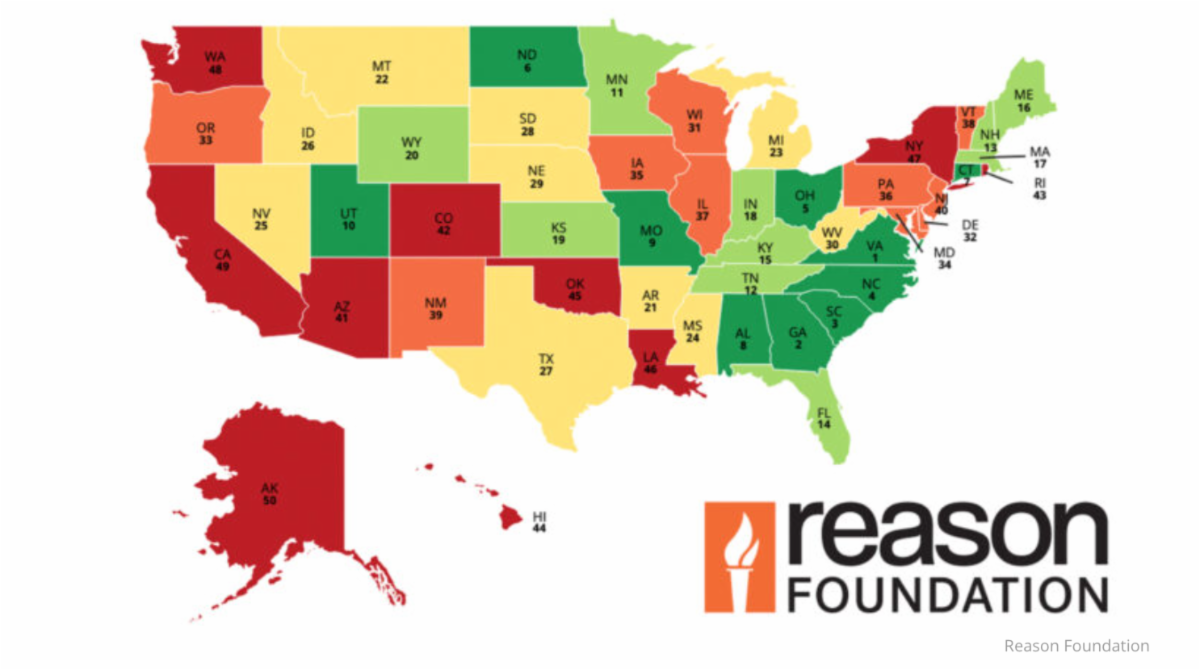
Wisconsin ranks in the bottom-half of the country for its overall highway conditions and how money is spent to fix them.
At 31st out of 50, Wisconsin’s biggest areas of concern in The Reason Foundation’s Annual Highway Report are urban interstate conditions (ranked 35th), urban arterial roads (45th), and rural arterials (40th). The state ranked 29th for structurally deficient bridges.
Wisconsin’s 31st overall ranking is a five-spot drop from the report’s 2025 findings. The report considers 13 factors including pavement conditions, bridge reports, fatality rates, and various ways money is spent.
While Wisconsin ranks slightly better than Iowa and Illinois overall, the state lags far behind other neighbors such as Minnesota, Indiana and Michigan.
On the plus side, Wisconsin improved its urban fatality rate from 10th overall to 5th.
| | Fall Meeting 2026 registration now open; event to be held in new location | | |
The construction season will start to wind down in Wisconsin this fall, but preparations for a crucial 2027 are already under way.
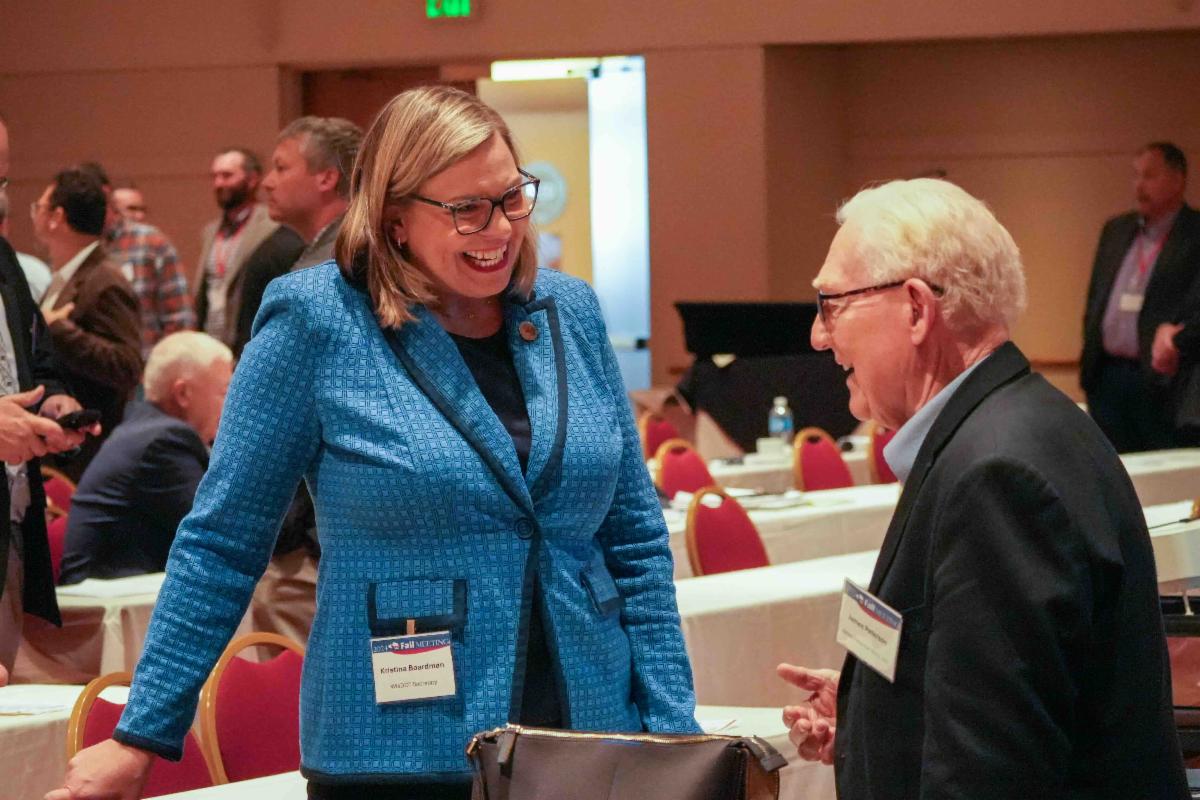
Make sure you and your company are well positioned for that big year ahead by signing up now for the annual WTBA Fall Meeting.
Registration is open for the conference, which is set for Tuesday, Oct. 6, 2026.
| | | |
Please note the location change this year to the Madison Marriott South, which is located along John Nolen Drive just off the Beltline Highway.
Join WTBA staff, Board members, contractors, associates, consultants, WisDOT staff, and state lawmakers as we discuss key industry metrics, safety, and upcoming changes. A detailed agenda will be available in mid-September.
The meeting comes less than a month before an election that will choose a new governor and possible changes to the makeup of the state Assembly and Senate. We’re also headed into a new state budget year and the hopeful reauthorization of a federal Surface Transportation funding bill.
WTBA members can register for the discounted rate of $150. Non-members pay $200 each.
| | Baas joins fellow ARTBA state leaders at annual meeting | | |
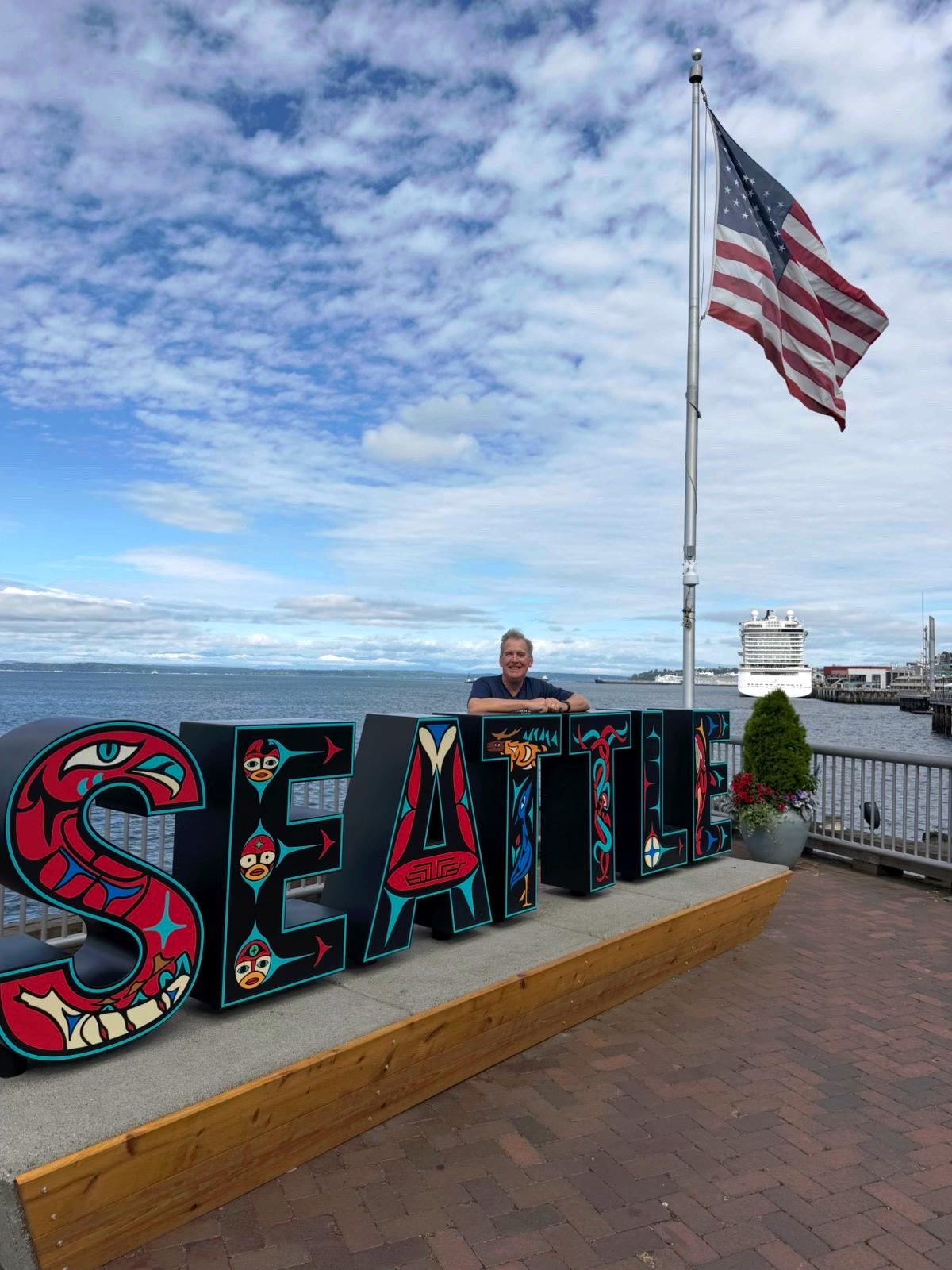
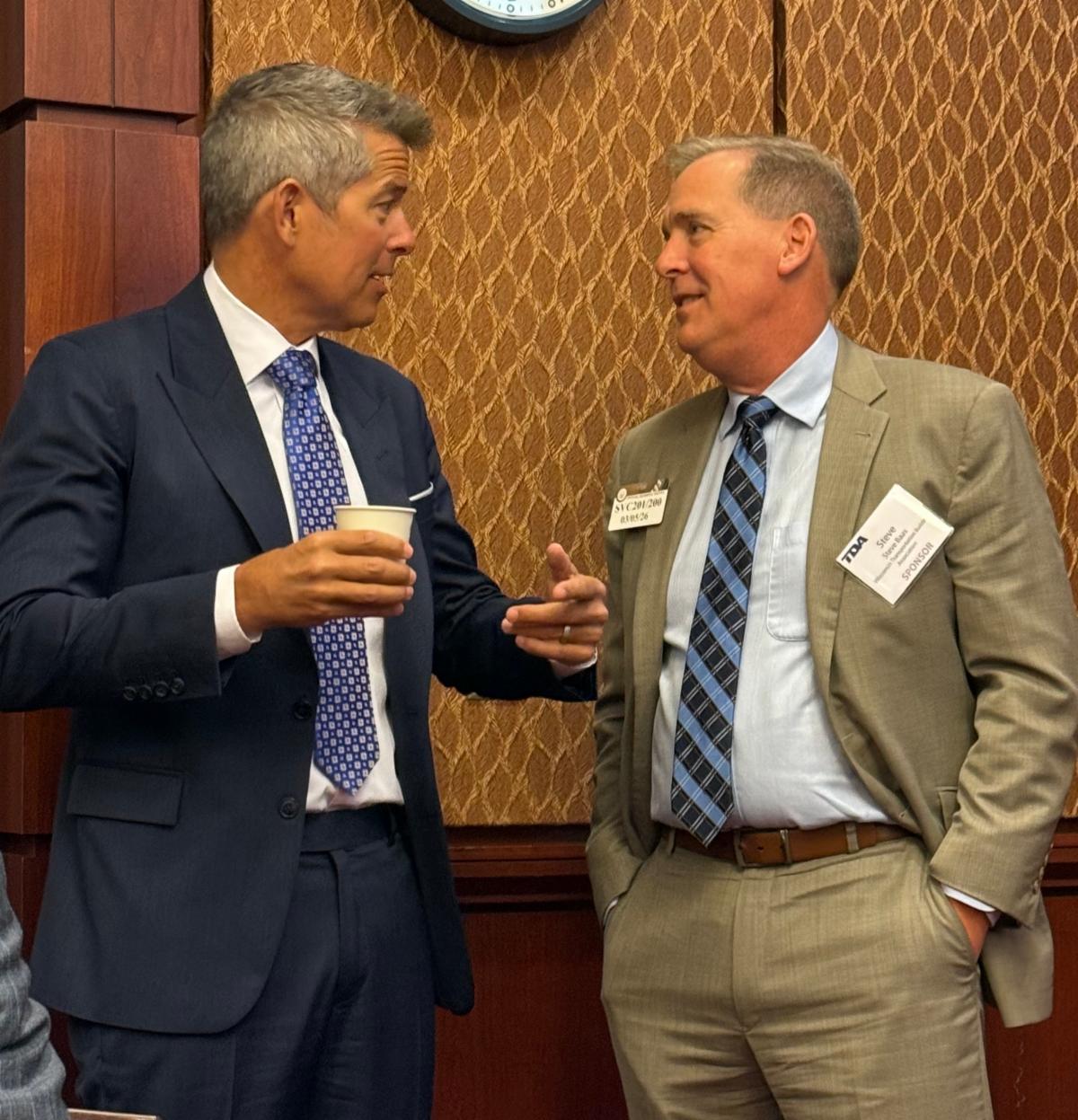
While it wasn’t exactly “Sleepless in Seattle” for Steve Baas this week (the man needs his beauty rest, after all), the WTBA Executive Director did have several long days of meetings with his counterparts from other states at ARTBA’s Council of State Executives annual meeting.
The group received briefings from ARTBA senior staff on the current status of the federal transportation reauthorization bill, and the financial stakes currently in play in the debate.
Attendees also discussed industry, government and association trends and challenges facing their states and shared updates on innovative programs in each of their states.
| | | Duffy urges Congress to reauthorize Surface Transportation bill | | | | |
The Trump administration is urging Congress to focus on improving and expanding interstates, prioritize vehicles over bike lanes, and restore the Highway Trust Fund.
USDOT Secretary Sean Duffy sent a letter detailing the administration’s priorities to ranking House and Senate committee members last week as lawmakers ponder reauthorizing the five-year Surface Transportation law.
The current law–known as the Bipartisan Infrastructure Law–was signed by former President Biden in 2021. It expires September 30.
| | |
“Transportation is the backbone of the Nation's economy,” Duffy’s letter says. “Our roads, highways, and rails move millions of tons of freight and hundreds of millions of people every day-to work, to medical appointments, to shop, and to visit family… Surface transportation reauthorization is the time to ensure America builds big and beautiful infrastructure.”
Duffy’s letter urges lawmakers to direct funding to complete the federal Interstate system and rebuild freeways and corridors that date back to the 1960s. The secretary also calls on removing transit funding from the Highway Trust Fund and consolidating all federal fuel revenues specifically into the Highway Account.
Meanwhile, Duffy presented 12 existing programs in the BIL that should be eliminated. Some of those programs include grants and formula funds for EV charging infrastructure, carbon reduction, and multi-modal travel like bike lanes.
Despite the reauthorization deadline fast approaching, Congress has been focused lately on funding the military during the Iran War and voting security through a process called reconciliation.
The House Transportation and Infrastructure Committee passed its version of the Surface bill in May, but further work has stalled in other committees. Lawmakers may need to issue an emergency extension to maintain highway funding into the fall if they don’t complete their work before Oct. 1.
ARTBA, dozens of trade groups send joint letter
Sensing a continuing resolution or extension may be likely, a coalition of dozens of industry contractors, associations, and advocates including the American Road and Transportation Builders Association, sent Congressional leaders a letter Monday that urged lawmakers to maintain existing FY2026 funding levels if they need more time for reauthorization.
“Any decision by Congress to reduce funding to federal transportation programs as part of any shortterm continuing resolution or extension of the surface transportation programs needed will inject uncertainty into state and local investment decisions and potentially lead to delays in completing or commencing work on critical infrastructure projects," the letter states.
| | Minnesota latest state to test work zone speed cameras | | |
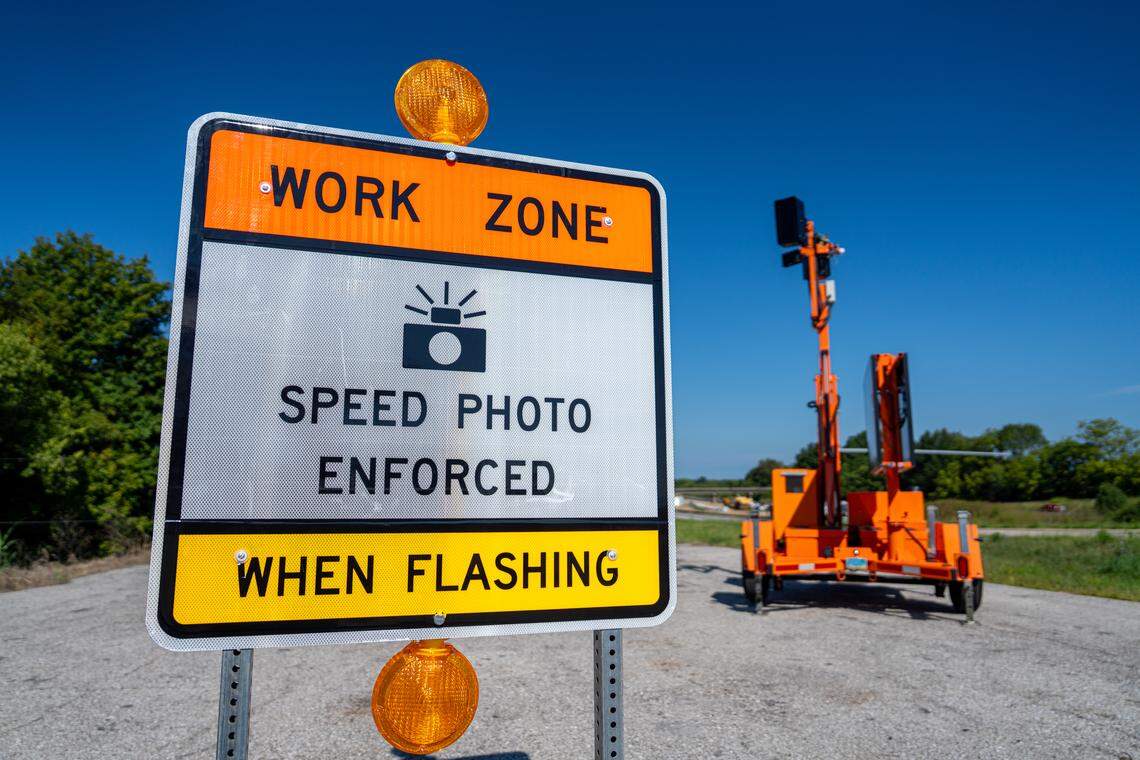
Another Midwest state will begin testing automated speed cameras in work zones.
Minnesota plans to place the cameras in construction areas along I-35 south of Minneapolis and Highway 65 north of the city sometime soon this summer.
Cameras will capture images of only the license plates of vehicles traveling 10 MPH or more over the speed limit.
| | | |
The state will send warning letters to the registered owners, but will not issue any fines as part of the pilot program.
“The main goals this summer are to test camera systems and their effectiveness as work zone safety devices and to educate drivers on the importance of driving safely in work zones,” MnDOT said in a news release.
Elsewhere, New York is expanding its multi-year program to include work zones on most roads in the state. New York’s governor says the speed camera program has reduced speeding in work zones by 30 percent since 2021, a recent AASHTO article reports.
At least 15 states and Washington, D.C. allow the use of speed cameras in work zones. That includes Illinois and Iowa.
The cameras are not allowed in Wisconsin by state law, but WTBA and its partners continue to work with lawmakers, law enforcement, and other stakeholders on changes to possibly bring them to the Badger State in the future.
| | CONNECT WITH US ON SOCIAL | | | | |