A glimpse into the Program in Human Biology at Stanford University | | | |
Director's Message
Dear Human Biology community,
It is hard to believe that we are already nearing the end of spring quarter, and with that, the end of my first academic year as the Director of HumBio. In a few short weeks, we will be celebrating a new cohort of Human Biology graduates who I know will go on to do great things.
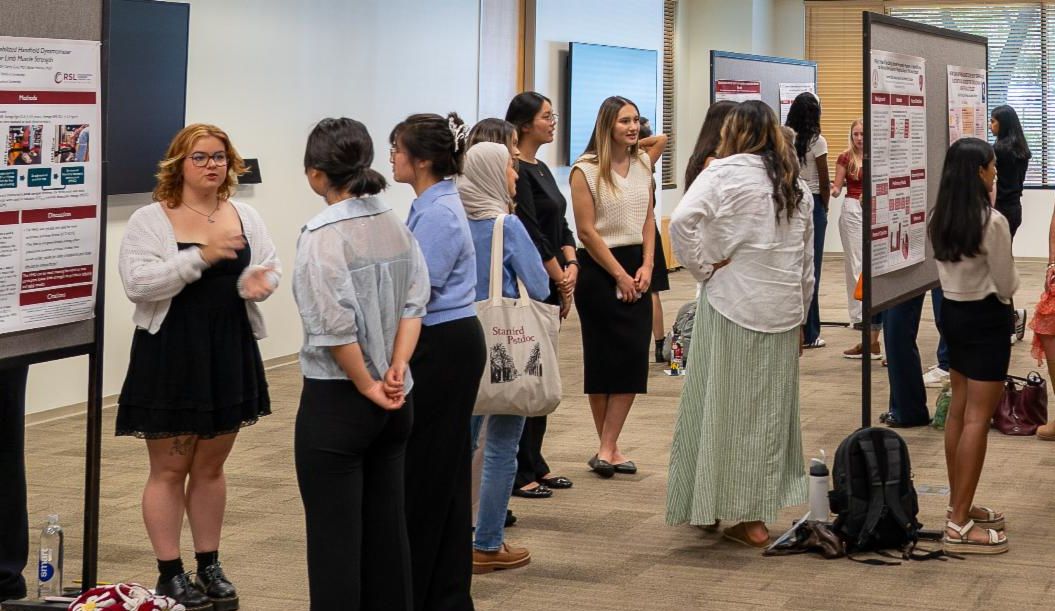
This summer, we have a wonderful contingent of Human Biology Research Exploration (HB-REX) Program students working on projects across Stanford’s campus. I invite you all to join us on August 14, 2026, to see the incredible work they will have completed, and also to hear about food-is-medicine research from one of our renowned faculty members, Dr. Lisa Goldman Rosas. You can learn more about this event and RSVP below. In the meantime, please enjoy this edition of HumBio Highlights.
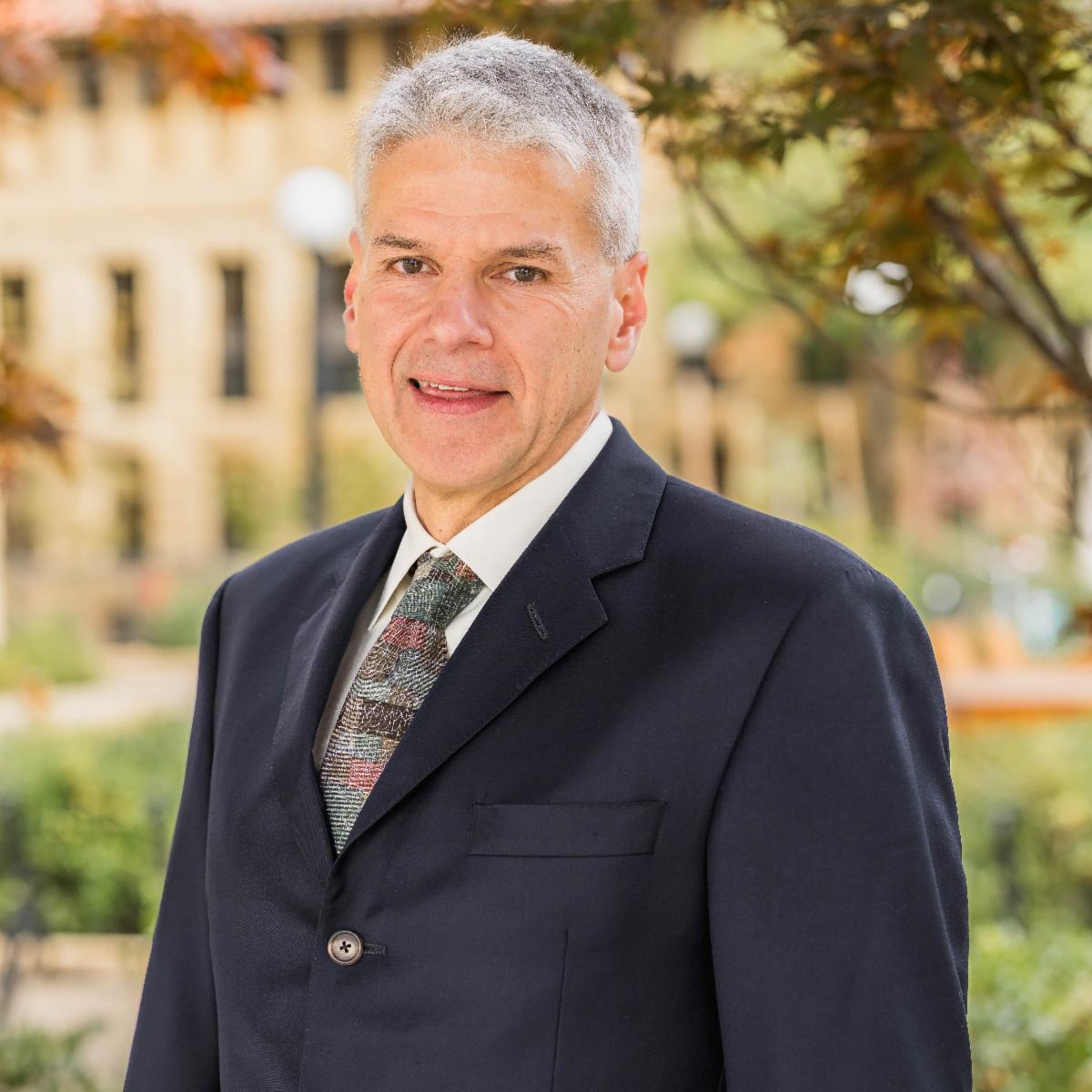
Will Talbot
Bing Director of the Program in Human Biology
| | | |
Save the Date: HB-REX Symposium & Faculty Keynote – August 14, 2026
Reconnect with HumBio and explore research with real-world impact! Enjoy lunch and networking, then hear our inaugural HumBio faculty keynote from Dr. Lisa Goldman Rosas, “Advancing Food is Medicine Research with Patients, Partners, and Policy Makers,” followed by Q&A. Afterward, engage with nearly forty of our HB-REX student researchers during two poster sessions, where you can discover fresh findings and spark conversations, mentorships, and collaborations. We hope to see you there!
- Date/Time: Friday, August 14, 2026, 12:00–3:30 p.m. PT
- Location: Fisher Conference Center, Stanford Alumni Center
| | |
Robert Sapolsky Elected to the National Academy of Sciences
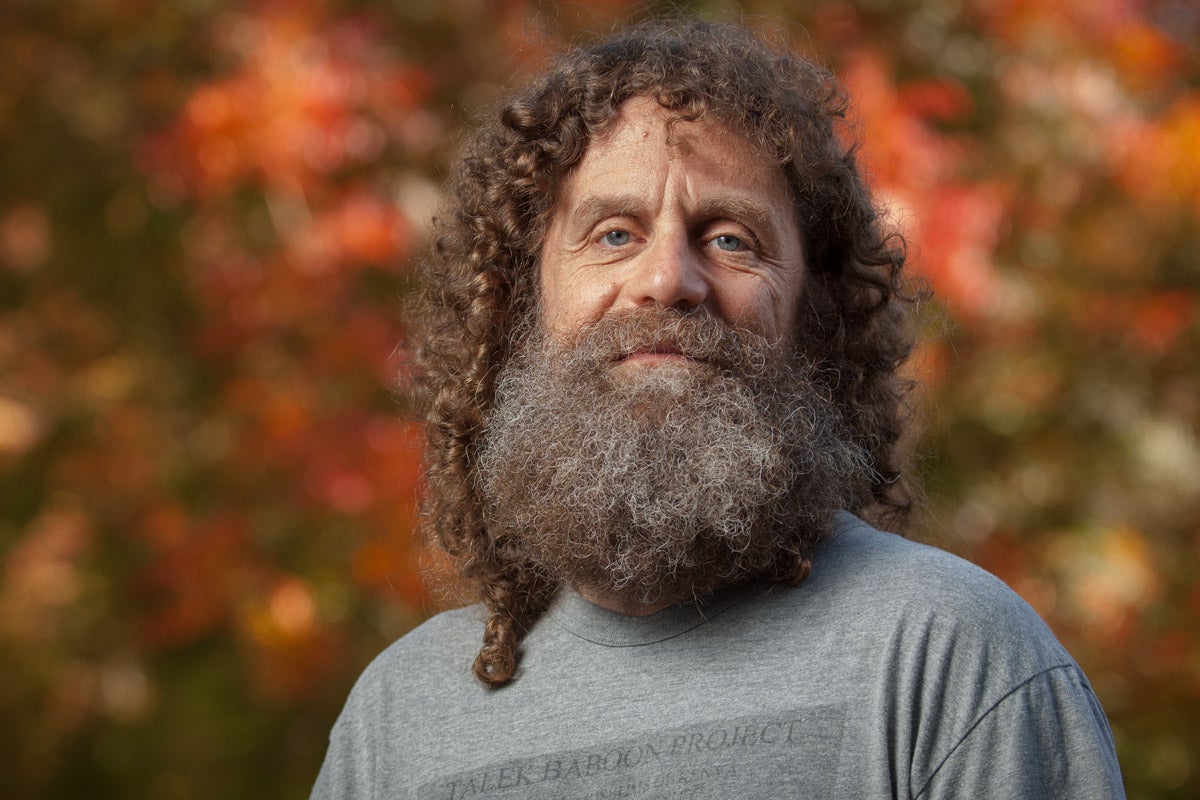
Congratulations to Professor Robert Sapolsky, who was recently elected to the National Academy of Sciences. The NAS recognizes members from around the world for their “distinguished and continuing achievements in original research.”
Sapolsky is the John A. and Cynthia Fry Gun Professor of Biology and a professor of neurology and neurological sciences, and of neurosurgery. In addition to his extremely popular course, HumBio 160, Human Behavioral Biology, Sapolsky teaches upper-division biology courses on the neurobiological bases of psychiatric disorders and the mechanisms of neuron death in neurological disease.
Photo credit: L.A. Cicero, Stanford Report
| | |
Angela Mata-Williams ‘27 Named
2026 Truman Scholar
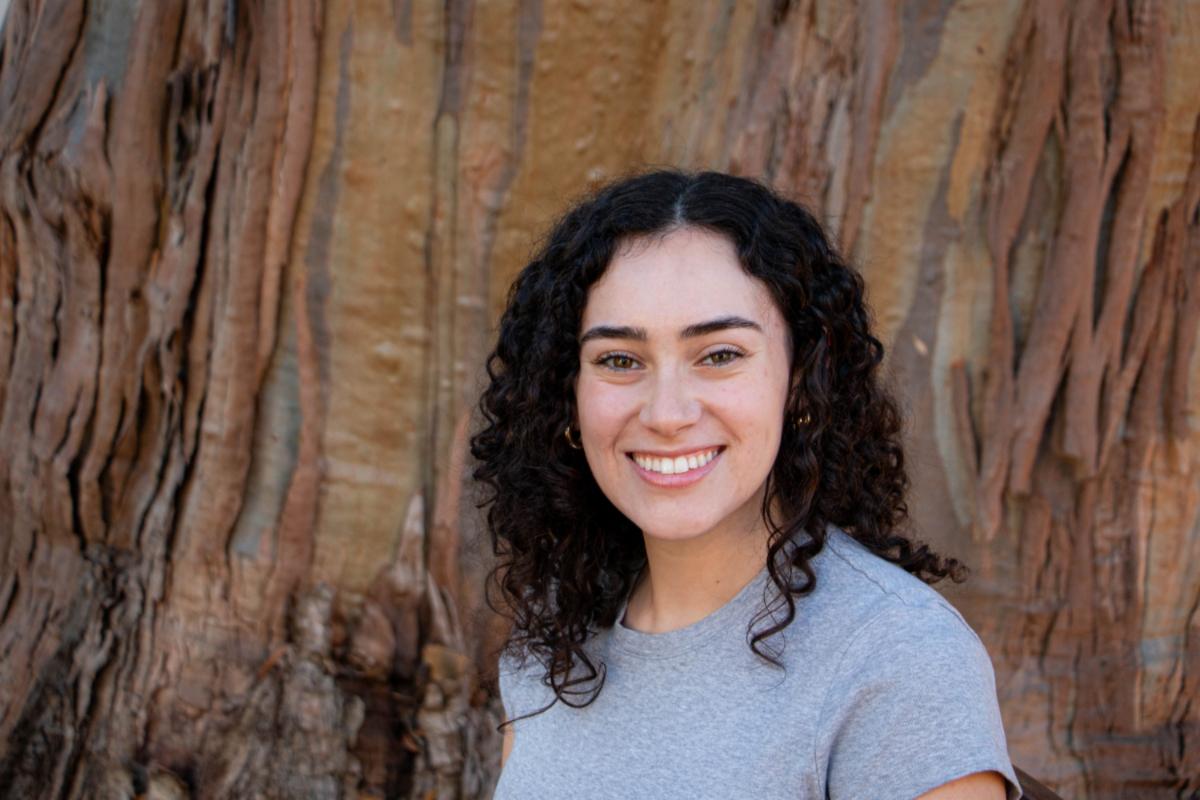
Congratulations to HumBio junior, Angela Mata-Williams, who was named a 2026 Truman Scholar. This national scholarship, given by the Harry S. Truman Foundation, recognizes exceptional leadership, academic achievement, and a sustained commitment to public service. The award provides funding for graduate studies toward careers in public service.
Mata-Williams is one of 55 students nationwide to receive a scholarship, recognized “for her commitment to addressing health disparities in Indigenous and farmworker communities.” Read the full story to learn more about her path, her goals, and what the Truman Scholarship will make possible.
Photo credit: Haas Center for Public Service
| | |
Julie Parsonnet Awarded Dean's Award for Lifetime Achievements in Teaching
Congratulations to Professor Julie Parsonnet, the George DeForest Barnett Professor of Medicine (Infectious Diseases), Emerita, and Professor Emerita of Epidemiology and Population Health, who has received the 2025-26 Dean's Award for Distinguished Teaching in the School of Humanities and Sciences for Lifetime Achievements in Teaching. This prestigious award honors faculty who have “gone above and beyond their expected responsibilities” in mentoring and teaching.
Parsonnet is recognized for her decades-long dedication to teaching, mentoring, and advising, grounded in her extensive experience in epidemiology and public health practices. She has taught HumBio 57, Epidemic Intelligence: How to Identify, Investigate, and Interrupt Outbreaks of Disease for over 10 years. She has also advised HumBio majors and mentored students pursuing honors research. Students consistently describe her as exceptionally engaging and deeply invested in their learning and success.
| | |
Refurbishing School Supplies, Rewriting Educational Equity
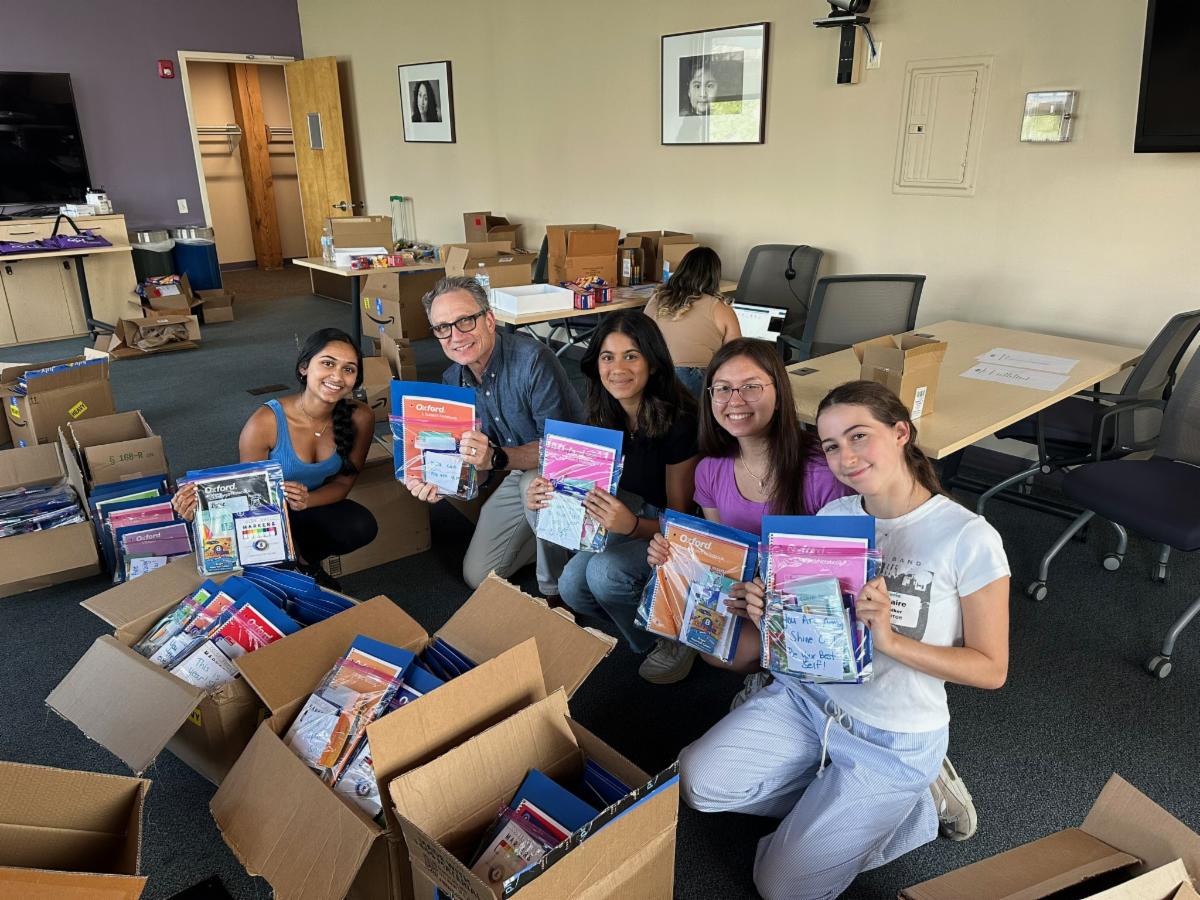
Picture a young student opening a carefully wrapped package, pulling back the tissue paper to reveal neatly sharpened pencils tied with ribbon, a notebook with fresh pages, colorful stickers, and an inspirational note. Every item has been thoughtfully curated, cut, cleaned, resharpened, and packaged with intention. This isn’t a birthday or holiday present. Instead, it’s a school supply kit, made from reclaimed materials and refurbished supplies—a reminder that someone believes in your education and success.
This is the work of The Rewrite It Project, a student-led 501(c)(3) non-profit organization founded and co-led by Sareena Shah ‘27, a Human Biology major and Education minor. What started as a pandemic-era response to educational inequities in her hometown has grown into a citywide movement, proving that the most powerful solutions often come from recognizing what we already have and getting it into the right hands. Read more.
| | |
Human Biology in the Light of Evolution
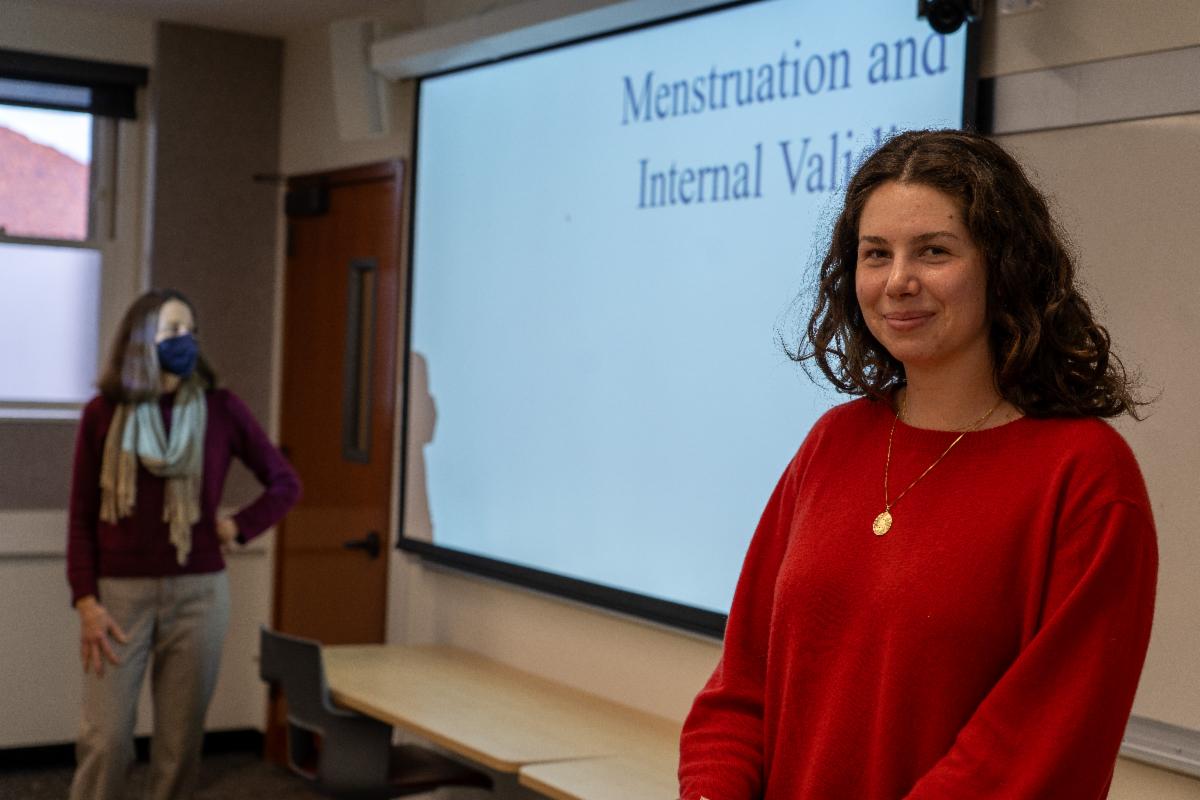
Russian-American geneticist and evolutionary biologist Theodosius Dobzhansky once wrote, “Nothing in biology makes sense except in the light of evolution.” How might this perspective help us unpack the complexities of our contemporary world?
This thought-provoking question underpins HumBio 17SI, Human Biology in the Light of Evolution, a student-initiated course created by HumBio senior Kat Alexander. In the course, students apply evolutionary perspectives and concepts to contemporary challenges, exploring topics that span from genomics to cultural evolution. In connecting real-world examples to evolutionary theory, they explore our species’ past, not merely as an academic exercise, but as essential context for interpreting the complexities of the world around us. Read more.
| | |
Human Biology’s committed faculty come from across the School of Humanities and Sciences and the Medical School. Our faculty have long been at the forefront of groundbreaking research, innovation, and creativity.
Expand your knowledge, build on your HumBio degree, and learn from these leading scholars from the comfort of your own home in these recorded presentations, panels, and seminars. You never know what you might discover!
| | |
Victoria Parikh: Interpreting and Editing the Genome for Cardiovascular Disease
From detecting hidden risks earlier to tailoring treatments and guiding family screening, genetic insights are reshaping everyday heart care. Using recent clinical cases and studies, Parikh shows how DNA is already changing treatment decisions–and what these gene-based therapies could mean for patients in the years ahead.
Dr. Victoria Parikh is an associate professor of cardiovascular medicine and the Director of the Stanford Center for Inherited Cardiovascular Disease (SCICD). Parikh teaches in the Core in HumBio 4A, The Human Organism, where she introduces students to topics such as the endocrine and cardiovascular systems, brain-heart axis, and multi-organ system disturbance.
| | |
Anna Grummon: Strategic Science to Promote Healthy Eating Policies
How do nutrition labels change what ends up on the store shelves, or more importantly, in our shopping carts? Drawing on new evidence from large randomized trials and evaluations of real-world policies, Grummon examines which policies and label designs influence consumer buying practices to encourage healthier consumption and improve long-term health.
Dr. Anna Grummon is an assistant professor of pediatrics, and by courtesy, of health policy, and the Director of the Stanford Food Policy Lab. In HumBio, she teaches the upper-division course, HumBio 127, Food Policy and Public Health, which dives into how organizational and governmental policies influence our food systems.
| | |
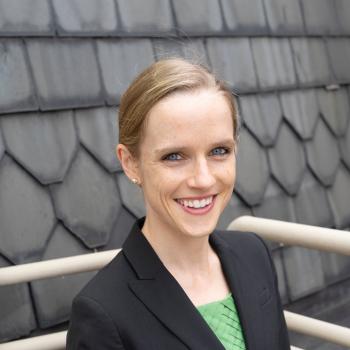
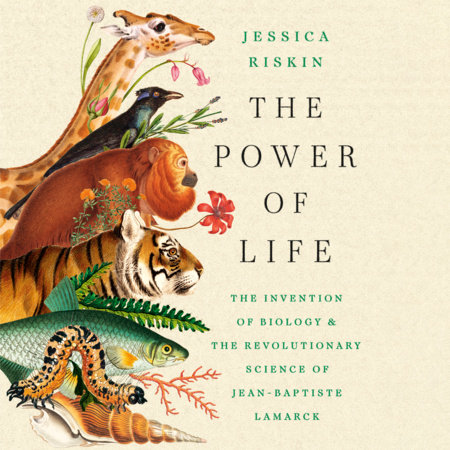
Behind the Book: Historian Jessica Riskin on
The Power of Life Event Recording
Missed our co-sponsored event in April with Dr. Jessica Riskin? Watch the event recording now and dive into the work of French naturalist Jean-Baptiste Lamarck. In The Power of Life, Riskin tells the story of Lamarck’s life and work as an intense struggle between rival forces to answer questions that remain foundational to our modern worldview: What is a living being, and what is science? Riskin was joined in conversation with Tom Hayden, Director of Stanford's Graduate Environmental Communication Program. Riskin was recently elected to the American Philosophical Society (APS), the oldest learned society in the United States.
| | | | |