A glimpse into the Program in Human Biology at Stanford University

Director's Message


Dear Human Biology Alumni, Students, and Friends,


Greetings all! I hope that 2024 has been off to a good start for you all. We are halfway through Winter Quarter and, as always, I continue to be amazed by the incredible work of our wonderful community.


As we look ahead, I hope that 2024 is filled with new opportunities, endless curiosity and growth, and memorable moments for us all. Enjoy this edition of our newsletter!


Lianne Kurina

Bing Director of the Program in Human Biology

Faculty News

Eunice Rodriguez Named Inaugural Faculty Leader of Wiedmann Family Endowment


Congratulations to Dr. Eunice Rodriguez who was recently named the inaugural faculty leader for the Wiedmann Family Endowment. The endowment honors the legacy of Dr. T. W. Wiedmann, an Emeritus Professor of Stanford School of Medicine, and by courtesy, Computer Science, and a long-time honors advisor for many Human Biology students. Rodriguez will continue and expand Wiedmann's work and vision, including engaging Stanford students in providing health education to children in under-resourced schools, and other school health education-related projects.

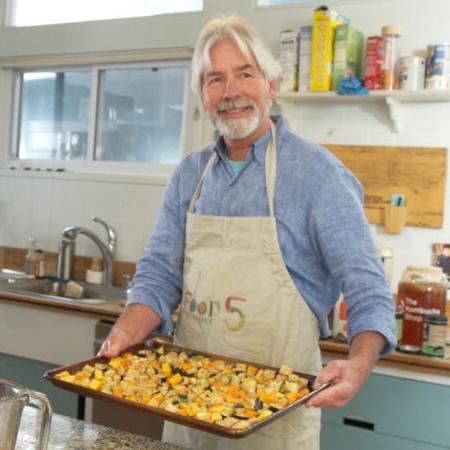
You Are What You Eat: A Twin Experiment with Christopher Gardner


The new Netflix series You Are What You Eat features Dr. Christopher Gardner's latest scientific study of identical twins comparing the effects of vegan and omnivore diets. The series follows the experience of four pairs of identical twins who participated in the study.

The results were compelling: those on the vegan diet showed improved measures of their LDL cholesterol and fasting insulin levels and they lost more weight compared with their twins eating a healthy omnivorous diet. Altogether, the results point to important cardiometabolic benefits or a plant-based diet.

Class Spotlight

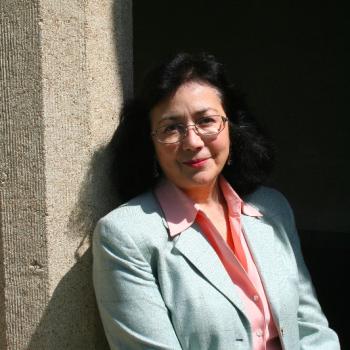
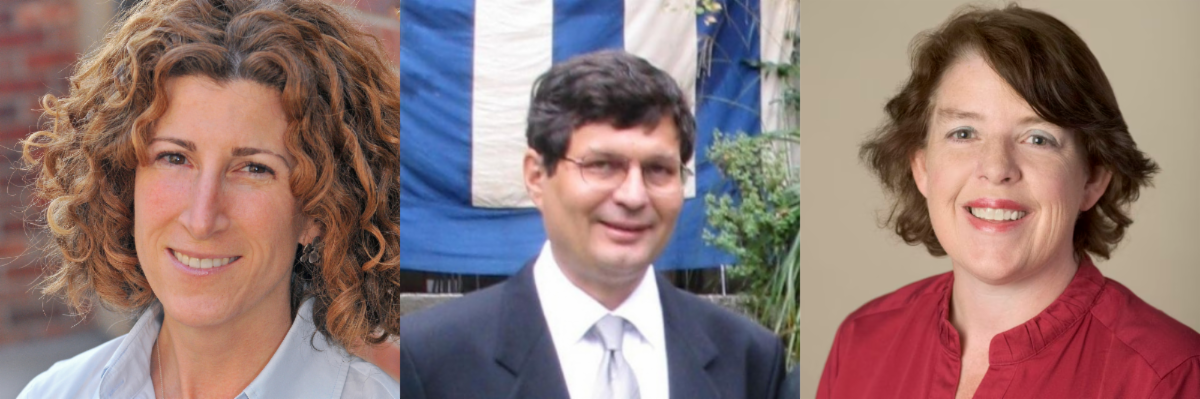
Sophia Colamarino Joachim Hallmayer Ruth OHara

From left to right: Sophia Colamarino, Joachim Hallmayer, Ruth O'Hara

Fostering Understanding and Action in Autism Studies


When Drs. Sophia Colamarino and Joachim Hallmayer envisioned an undergraduate class on autism spectrum disorder (ASD), they knew it should go beyond the dissemination of scientific knowledge and delve into the broader context of scientific inquiry and societal impact. As both social awareness and scientific understanding of autism grew in the 2000s, Colamarino and Hallmayer decided it was the perfect time to implement their vision. Leveraging Colamarino's expertise as a neurobiologist and a long-time member of the autism advocacy community and Hallmayer's extensive work as an autism geneticist, they launched HumBio 164, Autism Spectrum Disorder in 2012. Read more.

Alumni/Faculty Spotlight

HumBio and Heartbeats


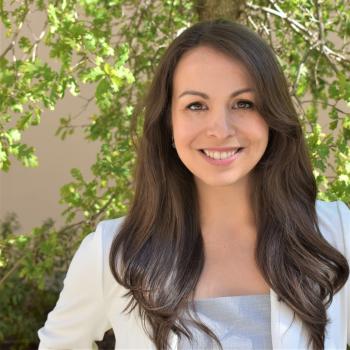
Meet Victoria Parikh, a clinician scientist in cardiovascular medicine at Stanford Medicine and a HumBio alumna from the class of 2005. Parikh started her journey as a curious HumBio student and is now a respected scientist and dedicated Core faculty member. In many ways, her journey encapsulates HumBio's spirit of exploration, discovery, and integration. Growing up, Parikh admired her father's research work as an aero-astro engineer and her mother's compassionate care for her patients as a hospital microbiology lab technician. Upon arrival at Stanford, she was quickly drawn in by HumBio's promise to merge her interests in biology, human health, medicine, and society, and signed up for the Core. Read more.

Learn from the Experts

Human Biology’s committed faculty come from across the School of Humanities and Sciences and the Medical School. Our faculty have long been at the forefront of groundbreaking research, innovation, and creativity. Expand your knowledge, build on your HumBio degree, and learn from these leading scholars from the comfort of your own home in these recorded presentations, panels, and seminars. You never know what you might discover! 

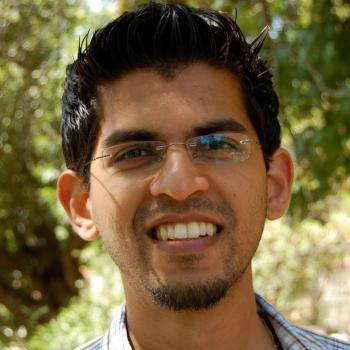
Anshul Kundaje: Deep Learning for Genomic Discovery


Deep learning is a form of machine learning and a powerful tool capable of learning patterns from raw data. Kundaje shares

how the information from these models

can help us make novel discoveries in the field of genomics.


An associate professor of genetics and computer science, Anshul Kundaje studies large-scale computation regulatory genomics. He co-teaches HumBio 51, Big Data for Biologists: Decoding Genomic Function with Dr. Annette Salmeen, which introduces students to methods for working with large biological datasets.

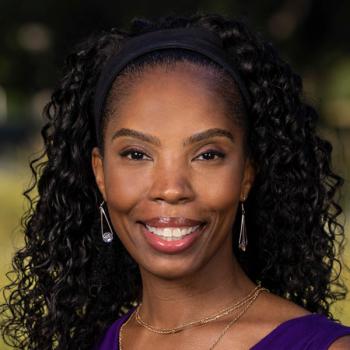
Baraka Floyd: Clinic-Based Solutions for Pediatric Health Equity


In this Stanford Health Equity Action Leadership (HEAL) talk, Floyd and her fellow pediatric health equity researchers discuss current and future directions in the field and share their personal insights and journeys into this research.


Baraka Floyd is a clinical assistant professor of pediatrics at Stanford Medicine and the Associate Chair of Diversity, Equity, Inclusion, and Justice for the Department of Pediatrics. In HumBio, Floyd co-teaches the upper-division course HumBio 122H, Social and Environmental Determinants of Health with Dr. Janine Bruce.

Did someone forward you this newsletter? Want to stay updated on all things HumBio but not yet on our mailing list? Subscribe to HumBio Highlights now.

Facebook  Instagram  LinkedIn  Web