A glimpse into the Program in Human Biology at Stanford University | | |
|
Director's Message
Welcome to HumBio's new email newsletter! In this new format, which will go out approximately twice a quarter, you can expect to get an even clearer window into our buzzing HumBio community. We'll share exciting news, showcase the latest HumBio class offerings, and spotlight our incredible community of faculty, students, and alumni.
Enjoy it, share it with friends, and feel free to provide feedback. Wishing you all a fantastic fall!
Lianne Kurina
Bing Director of the Program in Human Biology
| | |
HumBio Reunion Open House
Friday, October 20, 2023 from 4:30-6:00pm in Building 20 (Main Quad)
Follow your neural pathways back to HumBio! Reconnect with our terrific community of alumni, faculty, students, and staff, catch up with friends over light refreshments, talk to students about their research posters, and explore the HumBio building.
If you plan to attend our celebration, please RSVP below. Registration is strongly encouraged to help our team see how many guests we can expect.
We hope to see you there!
| |
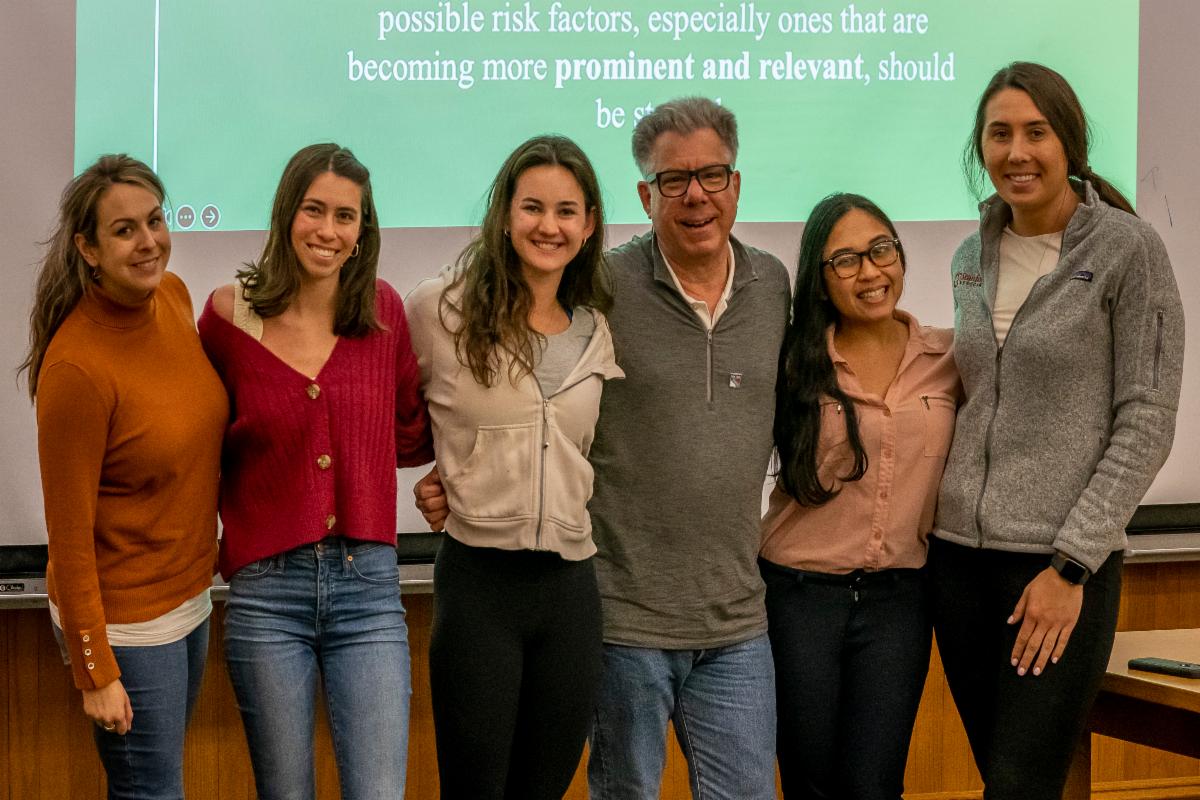
Celebrating 20 years of HumBio 154C with Professor Paul Fisher
For a faculty member, few things are as satisfying as offering a course that stays fresh and fun to teach, year after year, and one that never fails to have a profound and lasting influence on its students.
For two decades, Professor Paul Fisher has been captivating students with his upper-division Human Biology course on the clinical epidemiological methods in cancer research, HumBio 154C: Cancer Epidemiology. What he thought would initially be a small seminar for 10 to 12 students quickly grew to a class of over 40 students each year, eager to dive into the world of cancer, its causes, screening methods, and the social and ethical controversies surrounding this prevalent disease. Fisher’s passion and excitement for the subject, his dedication to his students, and the well-structured course have made the class a beloved and memorable experience for students. Read more.
| |
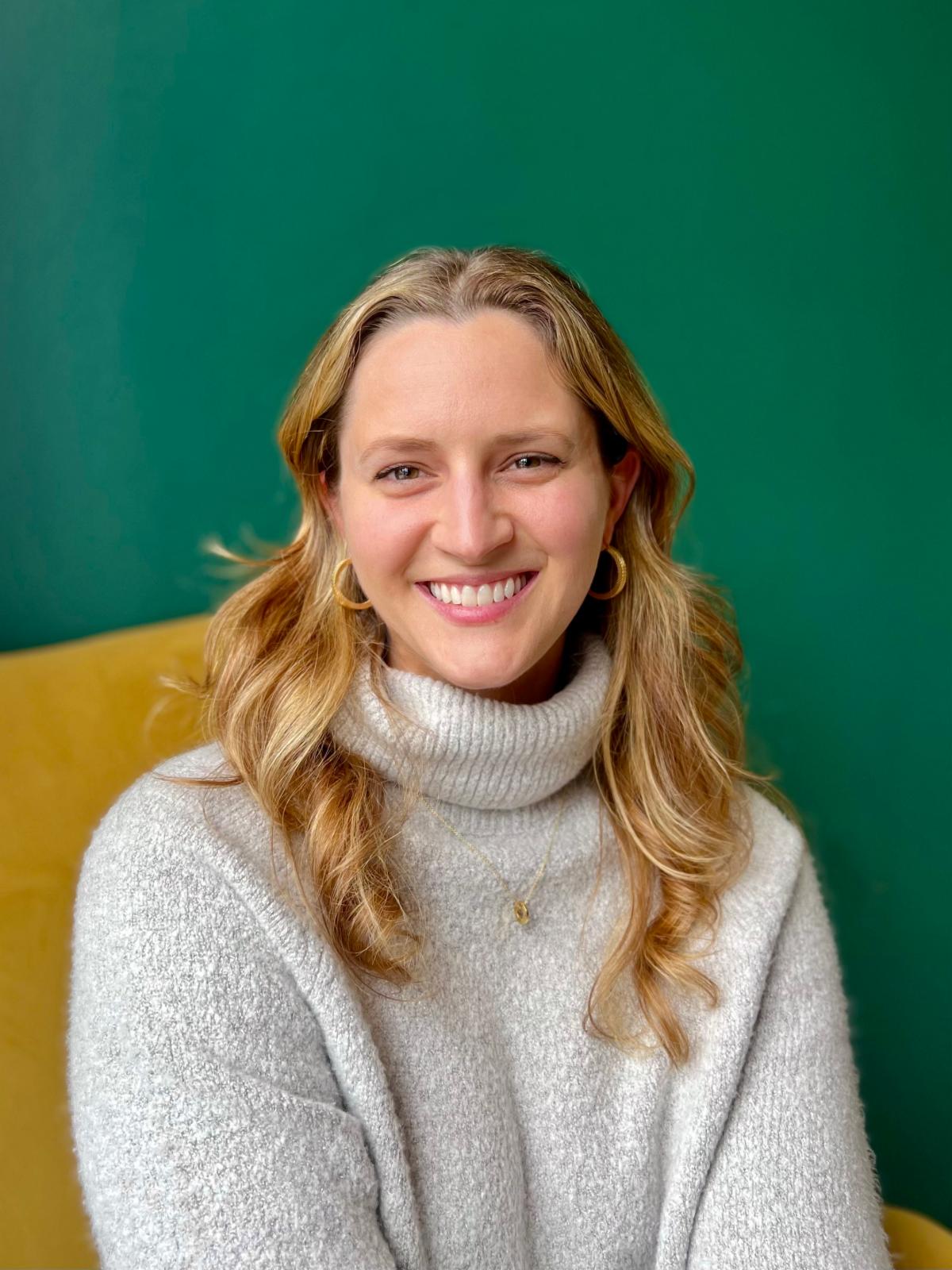
The Science of Love: How One HumBio Alum Uses Behavioral Science Research to Help Couples Stay in Love
When Ali Maggioncalda ‘14 first stepped foot on Stanford’s campus as a freshman in 2010, she thought she had her future all planned out – study Human Biology and eventually become a doctor or an academic. Little did she know that 10 years later, her life would be consumed with all things related to love.
In the fall of 2020, Maggioncalda officially launched her relationship wellness application, Lovewick. At its core, the free app helps couples who have found love stay in love by providing users with thousands of unique and fun date ideas, open-ended questions, and research-based romantic advice. The app also encourages couples to plan dates, journal, share memories, make wishlists, and track their relationship. Read more.
| |
Human Biology’s committed faculty come from across the School of Humanities and Sciences and the Medical School. Our faculty have long been at the forefront of groundbreaking research, innovation, and creativity. Expand your knowledge, build on your HumBio degree, and learn from these leading scholars from the comfort of your own home in these recorded presentations, panels, and seminars. You never know what you might discover! | |
|
Michael Frank: Investigating Children's Language Learning at Scale's
Language learning is one of the key puzzles of cognitive science. Using data dating from thousands of children learning dozens of different languages, Frank discusses the variability and consistencies in how and when typically developing children learn to talk.
Michael Frank is the David and Lucile Packard Foundation Professor of Human Biology and a professor of psychology and, by courtesy, linguistics. Frank teaches in the HumBio core (HumBio 4B, Behavior, Health, and Development), where he covers topics such as early language development and processing, social cognition and theory of mind, developmental disorders, and friendships and relationships.
| |
|
Maya Rossin-Slater: Public Health Implications of Gun Violence
In this Stanford Medcast “hot topics” episode, Rossin-Slater discusses the far-reaching health impacts of gun violence in schools, highlighting it as a public health epidemic.
Maya Rossin-Slater is an associate professor of health policy at Stanford Medicine and a senior fellow at the Stanford Institute for Economic Policy Research. Her research focuses on issues in maternal and child well-being, family structure and behavior, health disparities, and public policies affecting disadvantaged populations in the US and other developed countries.
| | | | |