A glimpse into the Program in Human Biology at Stanford University | | | |
Director's Message
Dear Human Biology Alumni, Students, and Friends,
This year–and this quarter especially–seem to be flying by so quickly!
In just a few short weeks, we will be celebrating our class of 2025 Human Biology students, a wonderful group who have, true to HumBio’s long traditions, had remarkable achievements but also, importantly, shown resilience, and have developed strong bonds to one another.
As we continue to navigate the complex world in which we all dwell, I encourage each one of us in this incredible community to remain steadfast in our commitments to one another and to the mission of Human Biology – to develop critical and creative thinkers in a culture of curiosity, respect, and collaboration. I hope you enjoy this new edition of HumBio Highlights.
Lianne Kurina
Bing Director of the Program in Human Biology
| | | |
Lessons from COVID-19: Protecting Children in Future Health Crises
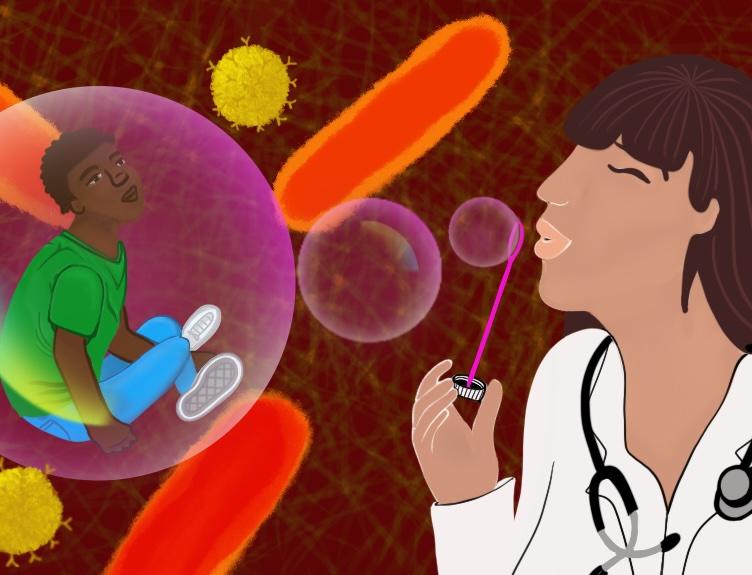
The COVID-19 pandemic highlighted the need for tailored pandemic preparedness that addresses the unique health, educational, and mental health challenges faced by children. In this Stanford Medicine feature, Dr. Yvonne Maldonado suggests future strategies such as maintaining school operations and providing equitable resources to vulnerable families to effectively mitigate the impacts of these health crises.
Maldonado is a professor of pediatrics and of epidemiology and population health and the Taube Professor in Global Health and Infectious Diseases. In HumBio, She has co-taught HumBio 124C, Global Child Health with Professor Clea Sarnquist.
Image credit: SCOPE Blog, Stanford Medicine
| | |
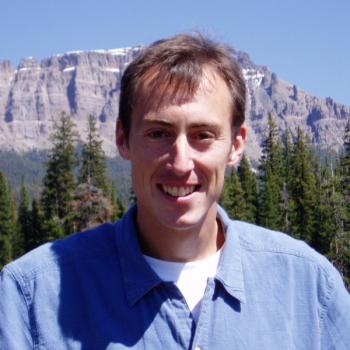
Josh Nesbit '09 on Building Technology for Human Connection and Social Impact
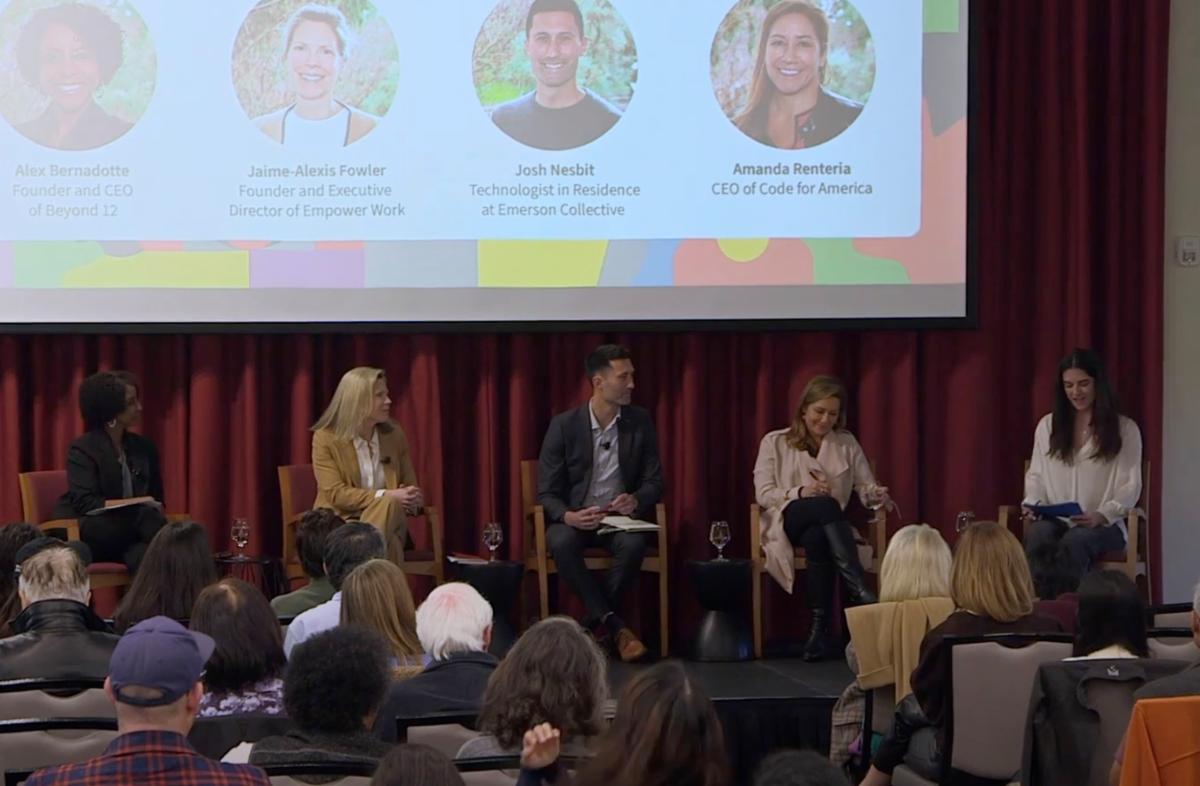
Josh Nesbit ‘09, a HumBio alumnus and a 2025 Stanford Haas Distinguished Visitor, returned to campus this spring as part of a cohort of changemakers working at the intersection of technology and public service. Nesbit, now a technologist in residence at Emerson Collective, joined his fellow Haas Visitors and Stanford Entrepreneurs in Residence for a conversation about using technology to empower communities and drive change.
In the discussion, Nesbit reflected on his journey from pre-med student to founder of Medic, a nonprofit that supports frontline health workers using open-source software. Today, his work continues to be centered on building systems of care, connection, and mutual support. He emphasized the importance of moving beyond technology as a tool for efficiency and toward using it to foster community, care, and belonging. His latest experiment, prosocial clubs, creates small communities–made up of community organizers, students, technologists, and more–designed to help people practice curiosity, connection, and care in their everyday lives.
| | |
Victoria Parikh '05 Appointed Vice Chair for Strategy and Innovation of Stanford Medicine
Congratulations to HumBio alumna Dr. Victoria Parikh ‘05, who was appointed the Vice Chair for Strategy and Innovation for Stanford’s Department of Medicine in early April.
Parikh is a clinician-scientist and an associate professor of cardiovascular medicine. She currently teaches in the HumBio Core in HumBio 4A, The Human Organism, where she introduces students to topics such as the cardiovascular system, endocrine system, hormones, pulmonary ventilation and gas exchange, and cardiac diseases.
| | |
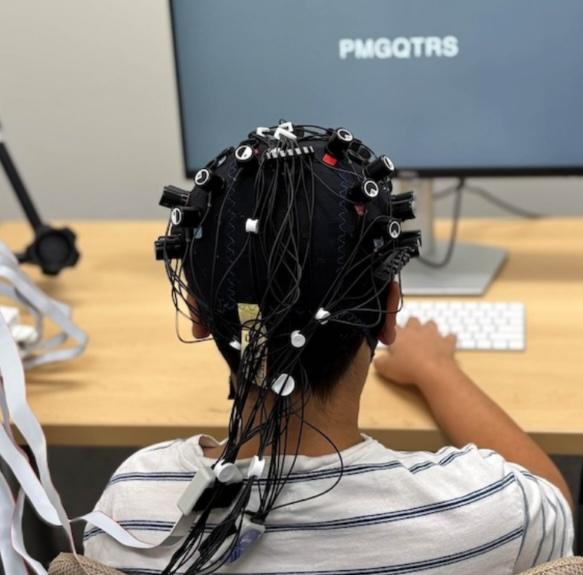
New Research on Digital Feedback Tools for Children with ADHD
In this new study, Dr. Hadi Hosseini and his team examined the efficacy of a digital tool designed to provide real-time feedback on brain activity during cognitive tests for children with ADHD. Their findings suggest that this approach not only enhances the children’s cognitive function but also offers personalized insights that could be used to improve intervention strategies.
Hosseini is an associate professor (research) of psychiatry and behavioral sciences. He currently serves on the Human Biology Awards Committee.
Image credit: SCOPE Blog, Stanford Medicine
| | |
Jonathan Pritchard Elected to the National Academy of Sciences
Congratulations to Dr. Jonathan Pritchard, who was elected to the National Academy of Sciences “in recognition of [his] distinguished and continuing achievements in original research.”
Pritchard is the Bing Professor of Population Studies and a professor of genetics and biology. Pritchard teaches in the HumBio Core in HumBio 2B, Culture, Evolution, and Society), where he covers topics such as the evolution of life on earth, ancient DNA and ancestry, human genetic structure and variation, and genome-wide association studies (GWAS).
| | Upcoming Program Sponsored Event on May 27 | | |
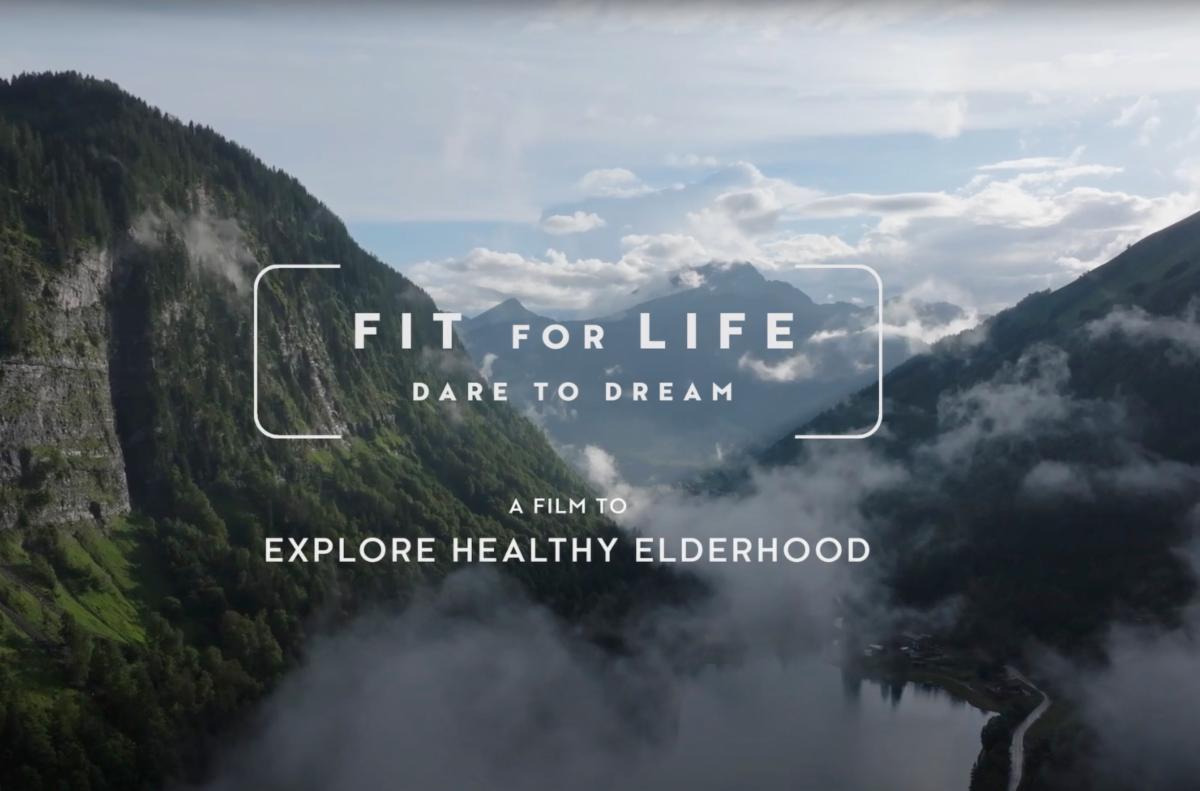
Dare to Dream is a visually striking, science-backed documentary that redefines aging by showcasing the transformative power of physical activity and embracing life at every age. At the heart of the film is 82-year-old Jack Lowe's ambitious cycling challenge through the French Alps with his 50-year-old friend, Jiggs from Mumbai, and three other friends. It is an inspiring journey that shows how movement, mindset, and camaraderie can sustain vitality and open new chapters of adventure well into elderhood.
Supported by leading experts in health, performance, and longevity, Dare to Dream blends personal perseverance with scientific insights to inspire viewers to stay active, pursue passions, and believe in what's possible, no matter their age. After the screening, join Jack, Dr. Anne Friedlander, and other supporting experts for a Q&A session on healthy aging. The event will be held on Tuesday, May 27 from 6:15 - 8:00pm in Bishop Auditorium on Stanford's Campus. Watch the trailer and RSVP now! You can also request the event recording via the RSVP link.
| | |
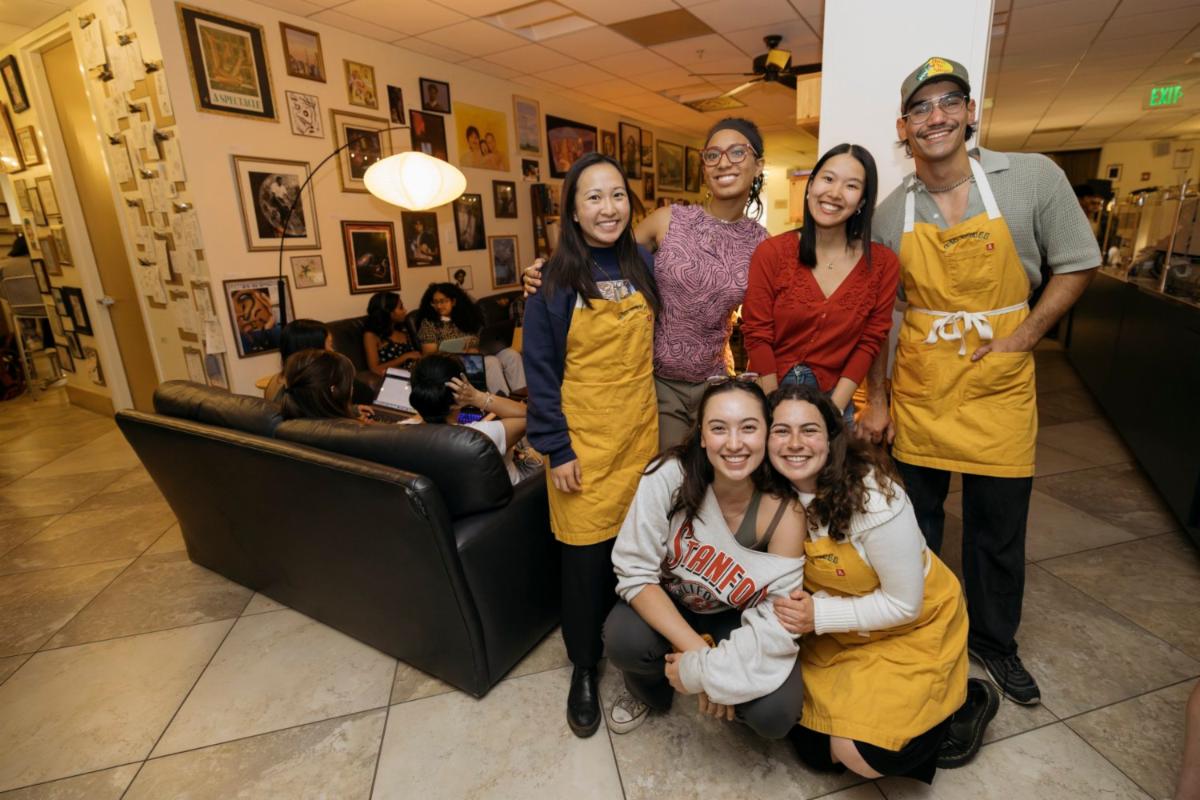
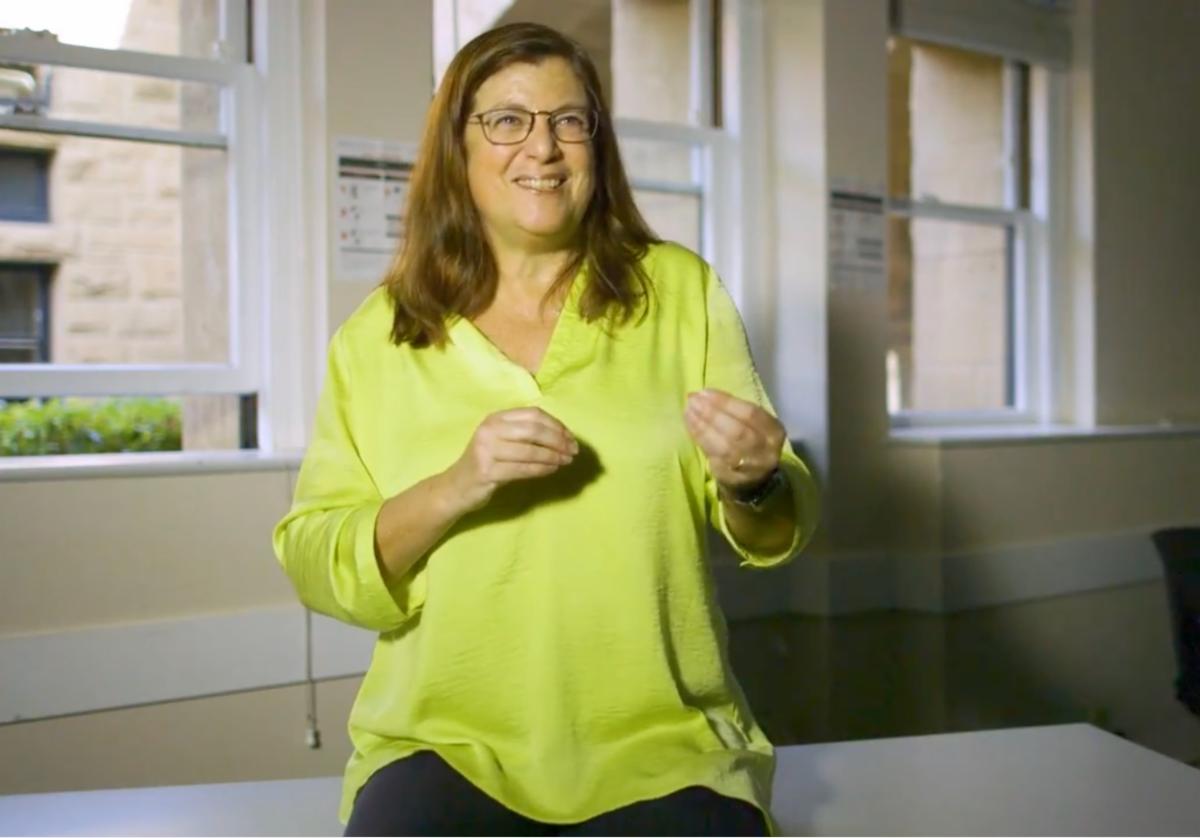
When HumBio senior Peyton Klein ‘25 first stepped onto Stanford's campus as a freshman, the landscape of campus life and community looked a little different from what it had been. The world, including life at Stanford, had been reshaped by the COVID-19 pandemic, which thrust issues of mental health and social isolation into the spotlight. Recognizing this, Klein began exploring ways to craft spaces that foster warmth and connection. This vision ultimately led to the creation of On Call Café, a student-run late-night café in Old Union. Read more.
| | |
After two decades of service, achievements, and contributions to the Program in Human Biology and the greater Stanford community, Dr. Catherine “Cathy” Heaney, an esteemed professor of psychiatry and member of the Stanford Prevention Research Center, will retire from Stanford University at the end of the academic year. Heaney’s contributions to HumBio have been invaluable to the program’s success, and she has profoundly impacted the lives of the many students and colleagues with whom she has worked. Read more.
| | Human Biology’s committed faculty come from across the School of Humanities and Sciences and the Medical School. Our faculty have long been at the forefront of groundbreaking research, innovation, and creativity. Expand your knowledge, build on your HumBio degree, and learn from these leading scholars from the comfort of your own home in these recorded presentations, panels, and seminars. You never know what you might discover! | | |
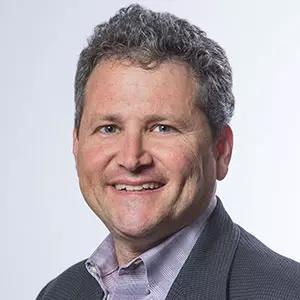
Lee Sanders: Using Artificial Intelligence for Health Equity
Drawing on 30 years of clinical research and experience consulting and teaching human-centered design, Sanders discusses the potential promises and pitfalls of health AI in transforming primary care and behavioral health. He also highlights the broader implications of these technological innovations for public policy and the future of healthcare.
Dr. Lee Sanders is a professor of pediatrics, of health policy, and by courtesy, of epidemiology and population health. He is the faculty sponsor for the student-initiated course HumBio 41SI, Design for Healthy Friendships, and advises and mentors students in the program. He also serves on the HumBio executive committee.
| | |
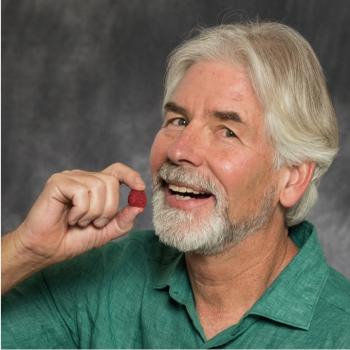
Christopher Gardner: Communicating What to Eat - To Netflic or Not
Using the example of the 2024 Netflix documentary, You Are What You Eat, Gardner examines the benefits and challenges of effectively communicating nutrition science. In a world saturated with media that shapes public perceptions, he explores the tension between engaging storytelling and scientific accuracy.
Dr. Christopher Gardner is the Rehnborg Farquhar Professor of Medicine. In addition to serving on the program’s awards committee, Gardner teaches two upper-division courses, HumBio 166, Food and Society, and HumBio 130, Human Nutrition. He also advises and mentors students pursuing honors research.
| | | | |