|
A Great Question
My publisher asked:
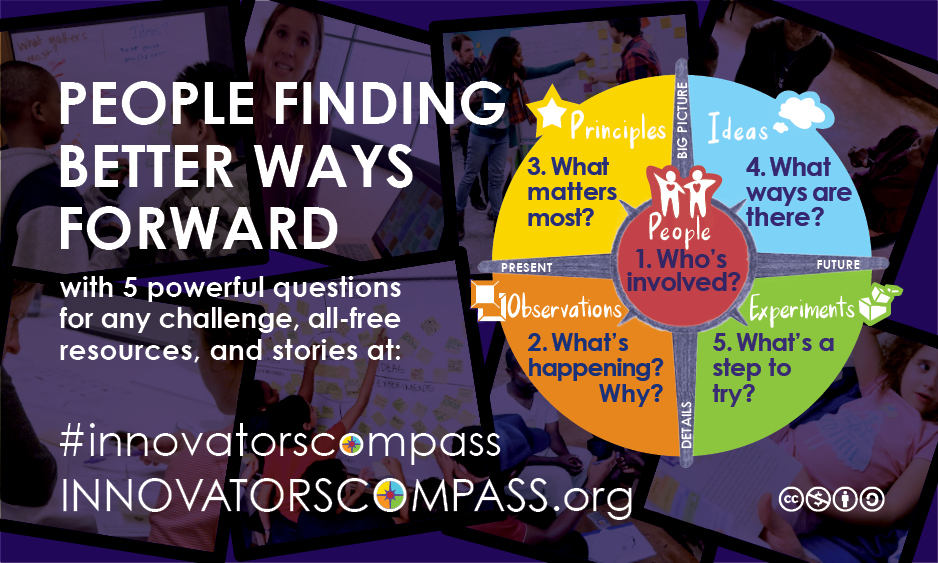
When might people reach for their compass, versus (or alongside) AI?
That’s a question for any tool these days: its role in the human-computer dynamic, and vice versa.
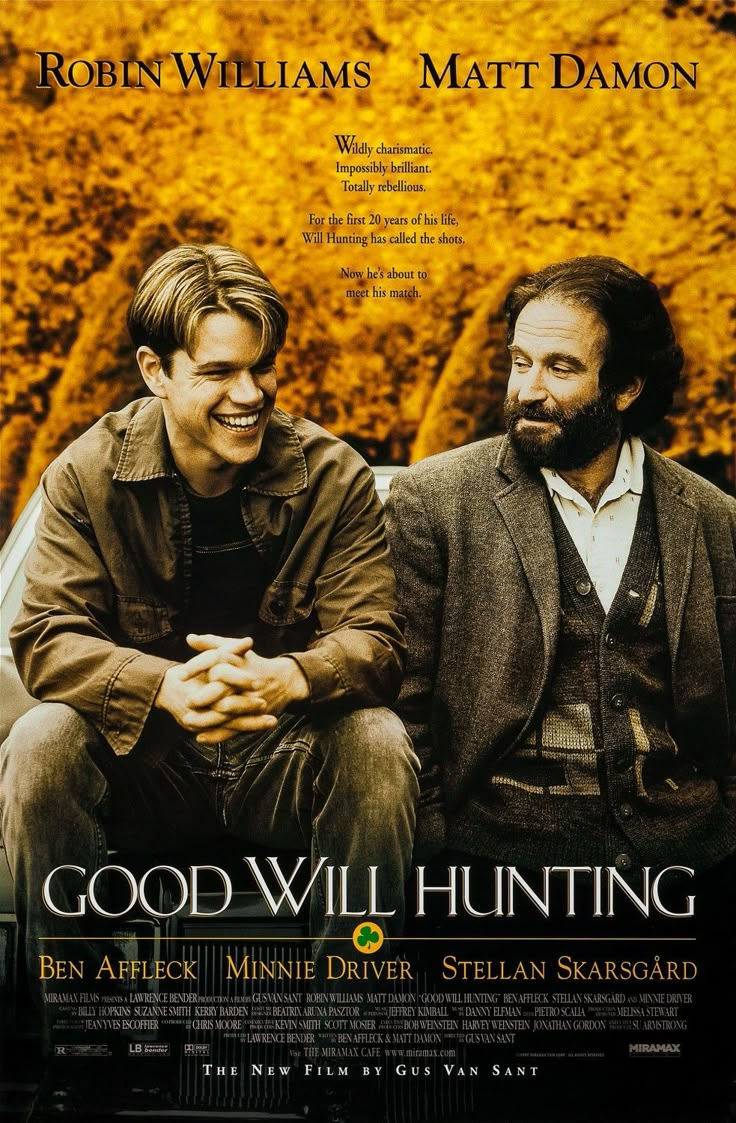
For example, as I write this, the news is full of OpenAI's releasing reams of mathematical proofs. This usurped (perhaps) the excitement of human discovery embodied in a favorite film around Boston (where I live), Good Will Hunting, where crowds ran across the MIT lawn (the scene of many of my own study sessions long ago) to see the human solution to a mathematics challenge on a chalkboard (fun fact: filmed at my husband's undergrad alma mater, the University of Toronto).
So, I'm exploring it.
The Definition of Intelligence
First, I got curious about the technical definition of “intelligence.”
Merriam-Webster’s is:
the ability to learn or understand things or to deal with new or difficult situations.
An academically rigorous definition comes from the Mainstream Science on Intelligence consensus statement (1994) drafted by Linda Gottfredson and signed by 52 leading researchers in intelligence and cognitive psychology:
"…The ability to reason, plan, solve problems, think abstractly, comprehend complex ideas, learn quickly and learn from experience….comprehending our surroundings—'catching on,' 'making sense' of things, or 'figuring out' what to do."
So, a reason the compass questions arise so often alongside specific advice in practices from leadership and parenting to engineering and design may be that these situations and decisions are ultimately yours—and the practices prompt your intelligence to figure out what to do.
Or Rather, Intelligences
In the spirit of abundance, I love the notion of multiple intelligences...
|