|
Dear Metaphrasis Community,
This month, I want to take a moment to reflect on something at the very heart of our work—the power of voice.
At Metaphrasis, we believe that every person has the right to be heard, to be understood, and to participate fully in the conversations that shape their lives. That’s why language services are so essential—not just in hospitals or classrooms, but in the work of human rights advocates around the world. Whether it's a survivor sharing their story, a parent advocating for their child, or an immigrant navigating a new system, language can either be a barrier—or a bridge.
We are proud to stand on the side of access.
Our interpreters and translators play a vital role in preserving the authenticity of someone’s words. They ensure that meaning, emotion, and nuance are not lost in translation. They are the trusted voices behind critical moments—voices of care, clarity, and cultural understanding.
This month, we’re celebrating those voices through a new section in our newsletter called “Meet Our Interpreters.” It’s more than a spotlight—it’s a way to honor the people who do this work with professionalism and heart. These stories remind us that language access is not transactional—it’s transformational.
We also continue our commitment to preserving languages—especially those less commonly spoken or passed down. By highlighting a different language each month, we aim to elevate the rich cultures and histories that come with them. Language is identity, and every voice matters.
As always, thank you for being part of our mission. Whether you're a partner, a client, an interpreter, or a community member—your belief in the importance of connection inspires us every day.
With deep appreciation,
| | |
President & CEO
Metaphrasis Language and Cultural Solutions
| |
How Language Services Support the
Work of Human Rights Advocates
| | |
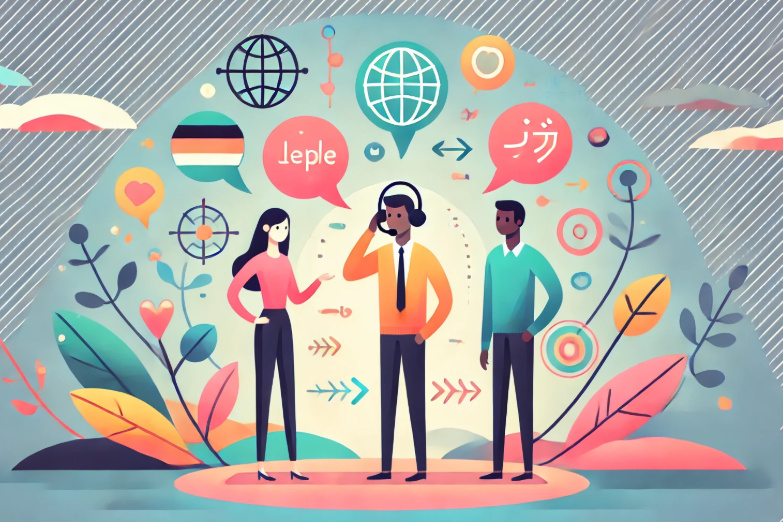
At Metaphrasis, we believe that in human rights work, every word matters. For those advocating across borders, cultures, and systems, language access is not a luxury—it’s a lifeline. That’s why we partner with nonprofits, legal teams, and frontline advocates to ensure nothing gets lost in translation.
Whether it’s a trauma-informed interpreter supporting a survivor in an emergency shelter, or a legal translator safeguarding the accuracy of an asylum application, our work is about more than words—it’s about preserving dignity, clarity, and justice.
Our certified experts are not only skilled linguists, but trained in cultural competence and legal precision, ensuring that every interpretation and translation reflects the nuance and gravity of the moment.
Why it matters:
When language is a barrier, victims can be misunderstood. Justice can be delayed—or worse, denied. That’s why we’re committed to making advocacy inclusive, accurate, and equitable for all.
The bigger picture:
Under U.S. law, language access is a legal and ethical mandate. For those working in human rights, partnering with a provider like Metaphrasis isn’t just a good idea—it’s mission-critical.
📢 Make your mission louder.
Work with Metaphrasis to ensure every voice is heard, every story is honored, and every right is upheld.
| |
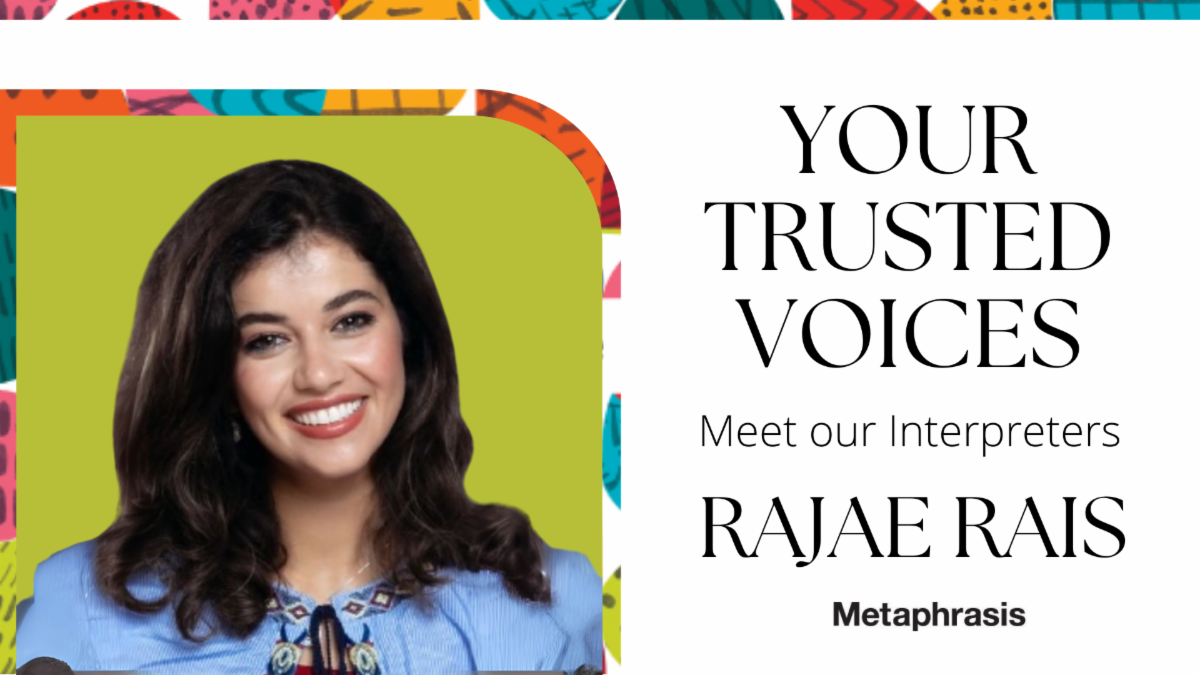
At Metaphrasis, we’re proud to work with dedicated interpreters like Rajae Rais, a trilingual professional fluent in Arabic, French, and English. Rajae’s work spans medical appointments, school conferences, and immigration hearings, each day presenting unique challenges. Her adaptability and professionalism reflect our core values: trusted voices helping people feel seen, heard, and understood. We spoke with Rajae about her journey and what drives her in this vital work. Here’s what she shared:
What led you to become an interpreter, and what kind of training or certifications do you have?
"I’ve always had a passion for languages. I studied French from preschool and began learning English in high school. While working at an American school overseas, I served as a facilitator during parent-teacher conferences, IEP meetings, and staff events, which gave me hands-on experience bridging communication gaps. I’ve also always loved helping others, especially members of my community, whether they are patients or immigrants. To support my work as an interpreter, I hold the CHI™ Certified Medical Interpreter credential, as well as a 40-hour Qualified Arabic Medical Interpreter training from ALTA Language Services. Additionally, I’m a Certified Medical Assistant and Phlebotomist, accredited by the National Health career Association (NHA)."
What’s the most challenging part of your work? The most rewarding?
“The hardest part is staying calm and neutral, especially during emotional or complicated medical situations. However, the most rewarding part is knowing that my presence helped facilitate communication during critical moments, whether for patients, students, or immigrants. It’s truly fulfilling to know you’ve made a positive impact.”
Can you share a moment where your interpretation really made a difference for someone, and how do you handle emotionally difficult assignments?
"During an IEP meeting, I interpreted for a parent of a child with autism who was overwhelmed and unsure about the special education plan. The parent spoke Moroccan Arabic, one of the most challenging Arabic dialects, so it required not only language fluency but cultural sensitivity as well. By helping them fully understand the services being offered, I empowered them to take an active role in their child’s future. I stay neutral but compassionate during tough assignments. If it gets overwhelming, I usually talk to a colleague or take a few quiet moments to meditate."
What’s something people often misunderstand about interpreters?
“Many people think interpreters only translate words. In reality, we interpret meaning, tone, idioms, and cultural context while maintaining transparency and confidentiality. It’s a lot more nuanced than just a direct translation of words.”
What does “language access” mean to you personally?
“To me, language access is about ensuring that everyone has the ability to understand and be understood. It’s about breaking down barriers and ensuring that language is never a hindrance to a person’s ability to get the care, services, or education they deserve. This is something I emphasize to my students when teaching interpretation—it’s not just about words, it’s about people.”
We’re grateful to have interpreters like her on our team, who bring not only language proficiency but also deep compassion and cultural sensitivity to their work. If you’d like to learn more about language access or how we can assist with your interpreting needs, please don’t hesitate to reach out.
| | Preserving The Voices - Language Highlight | | | | |
Did you know that there are over 7,000 languages spoken worldwide, many of which are at risk of disappearing? Some of these languages might not yet be on our radar, but they play a crucial role in the lives of millions of people. Every language is a testament to human creativity and diversity.
At Metaphrasis, we believe that fostering respect for all languages—no matter how widely or narrowly spoken—is essential to building a more inclusive and connected world.
| | |
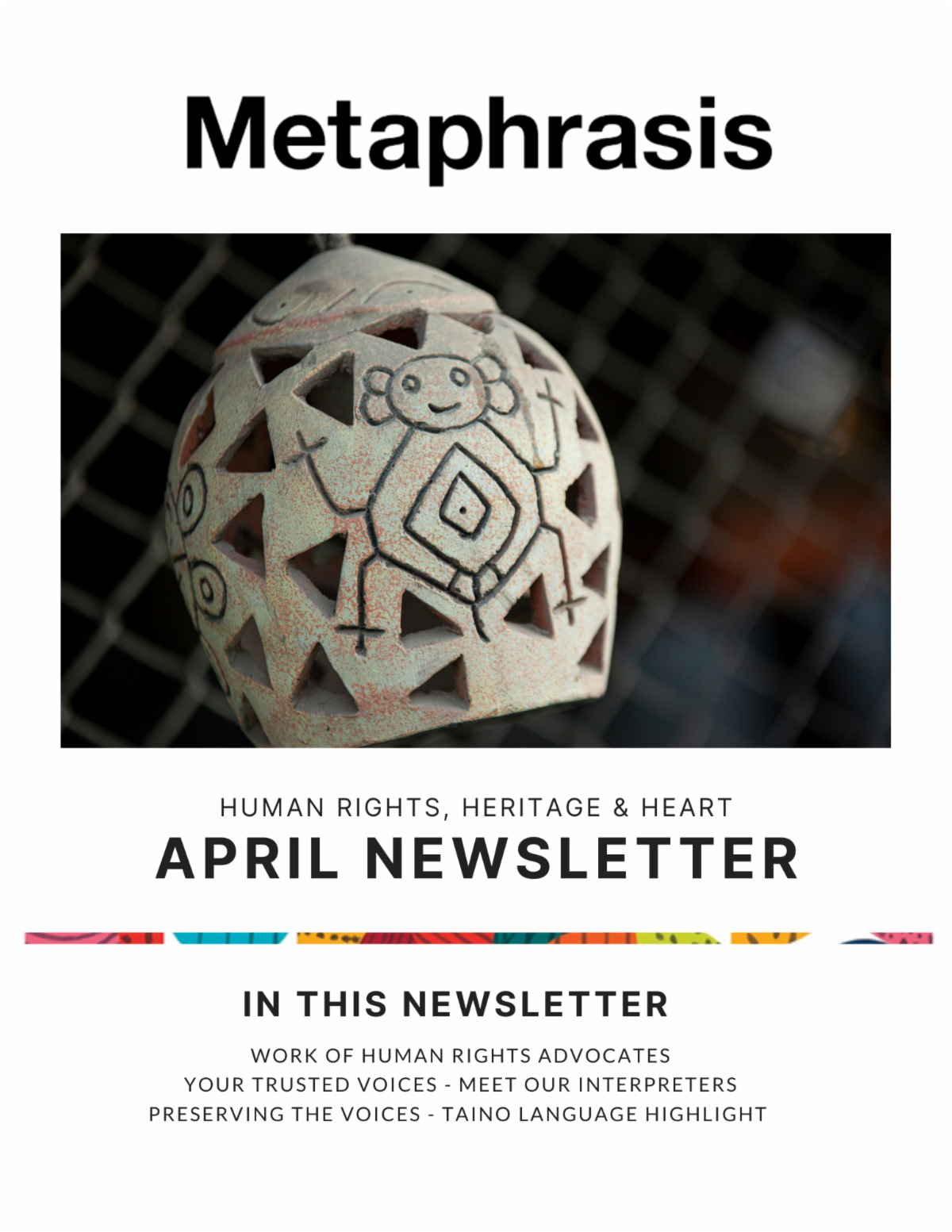
Today's Highlight: Taíno
At Metaphrasis, we believe language is more than communication—it’s culture, identity, and memory. In this month’s “Preserving the Voices” highlight, we turn our attention to Taíno, the nearly extinct language of the Indigenous Taíno people of the Caribbean, including Puerto Rico, Cuba, the Dominican Republic, and beyond.
A Language Almost Lost
Taíno was the first Indigenous language encountered by Christopher Columbus. Words like "hammock," "canoe," "barbecue," and "hurricane" entered the English language through Taíno. But colonization, disease, and forced assimilation led to the near-erasure of the Taíno people and their tongue.
Today, Taíno is considered an extinct or dormant language, but there is a growing movement to revive it. Descendants and language advocates across the Caribbean and the diaspora are working to reclaim vocabulary, document oral traditions, and teach the next generation.
Why It Matters
Languages like Taíno carry the stories of resistance, survival, and identity. When a language disappears, we lose not just words—but wisdom, worldviews, and ways of being.
At Metaphrasis, our mission to preserve voice and meaning connects deeply to efforts like these. Whether we’re translating a refugee’s statement or interpreting at an IEP meeting, the heart of our work is honoring and protecting culture.
What You Can Do
- Watch the video above to learn some Taíno greeting!
- Support groups and museums like the National Museum of Puerto Rican Arts and Culture who actively work to support the preserving of the Taíno culture.
Preserving endangered languages is a collective responsibility—and it starts with listening.
| |
| How did you like this email? | | | | | | |