|
|
HUMANS IN SPACE
Humanity's Return to the Lunar Surface
| | |
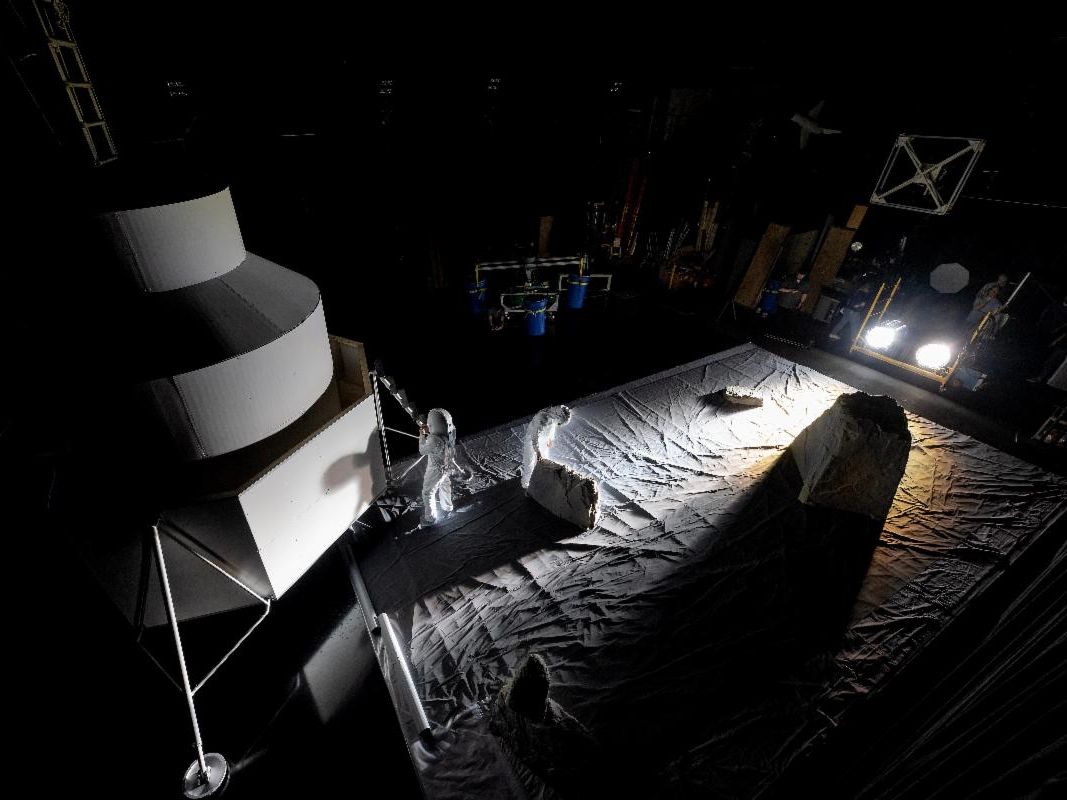
Using high-intensity lighting and low-fidelity mock-ups of a lunar lander, lunar surface, and lunar rocks, NASA engineers are simulating the Moon’s environment to study and experience the extreme lighting environment at the lunar South Pole.
Data and analysis from testing at the agency's Flat Floor Facility at NASA’s Marshall Space Flight Center in Huntsville, Alabama, are improving models Artemis astronauts will use in preparation for lander and surface operations on the Moon during Artemis III.
Through the Artemis campaign, NASA will send astronauts to explore the Moon for scientific discovery, economic benefits, and to build the foundation for the first crewed missions to Mars—for the benefit of all.
SIMULATING LUNAR LIGHT
| | | |
HUMANS IN SPACE
Axiom Mission 4 Launch Update
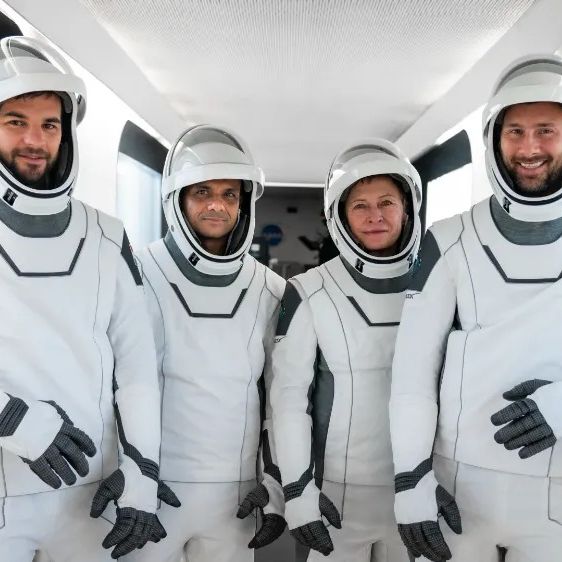
NASA, Axiom Space, and SpaceX are now targeting no earlier than Sunday, June 22, for the launch of Axiom Mission 4, the fourth private astronaut mission to the International Space Station. Peggy Whitson, former NASA astronaut and director of human spaceflight at Axiom Space, will command the commercial mission. Live launch coverage will stream on NASA+.
MISSION UPDATES
| | |
EARTH
From Space to Soil
From its vantage point on the International Space Station, the Global Ecosystem Dynamics Investigation, or GEDI, uses lidar technology—a remote sensing method that uses light in the form of a pulsed laser—to provide the first global, high-resolution observations of forest vertical structure. Together with the Ice, Cloud, and Land Elevation Satellite-2, GEDI reveals where and how much carbon is being lost or regained in forests.
HOW NASA SEES FORESTS
| | |
THE SOLAR SYSTEM
Solar Cycle 25
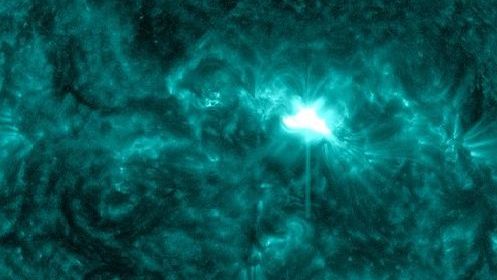
On June 17, NASA’s Solar Dynamics Observatory captured the Sun emitting a strong flare—a powerful burst of energy—peaking at 5:49 p.m. EDT. The observatory is designed to help us understand the Sun's influence on Earth and near-Earth space by studying the solar atmosphere on small scales of space and time and in many wavelengths simultaneously.
LEARN MORE
| |
THE SOLAR SYSTEM
Twin Satellites
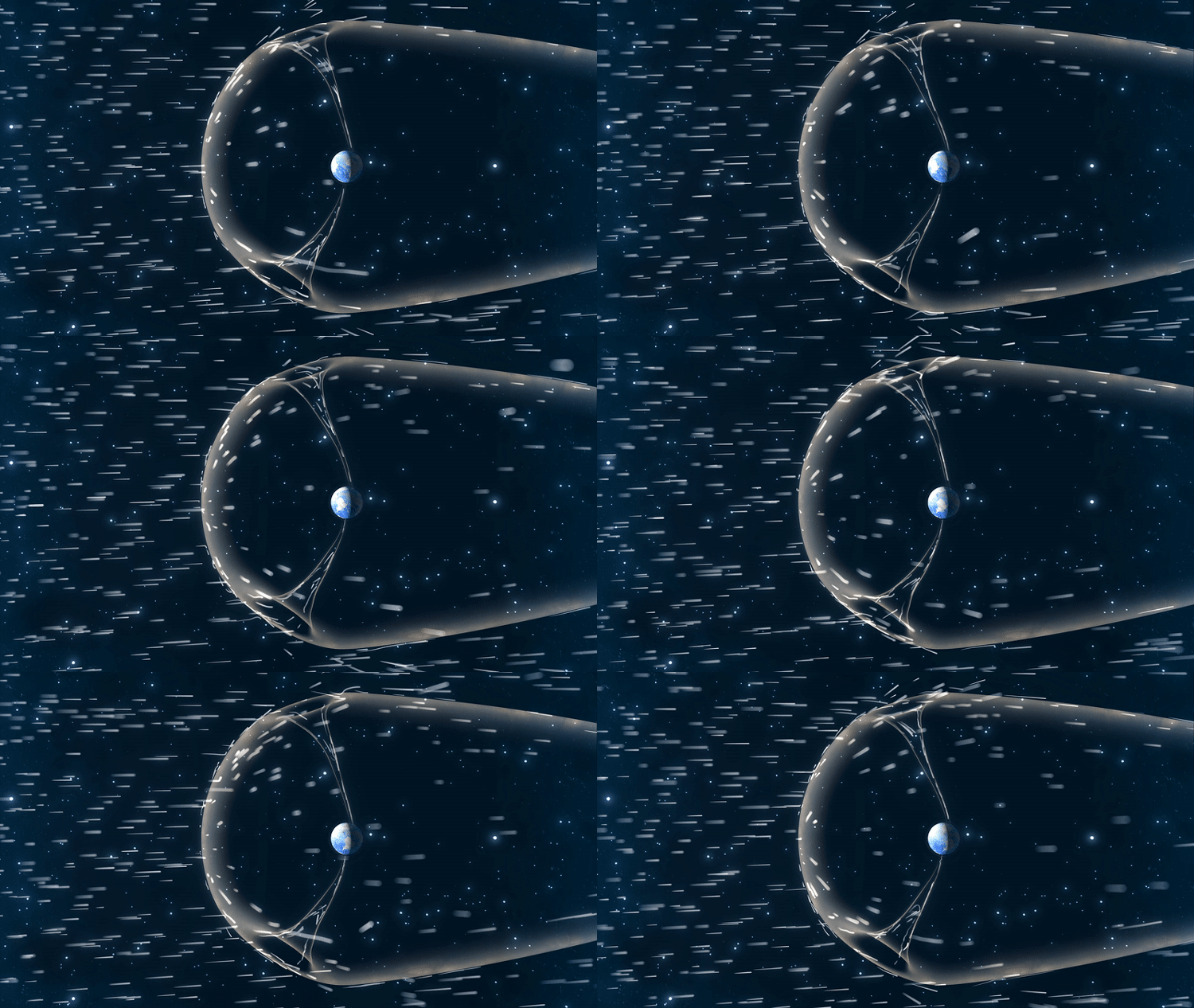
The Tandem Reconnection and Cusp Electrodynamics Reconnaissance Satellites, or TRACERS, twin spacecraft have arrived at Vandenberg Space Force Base in California to undergo final preparations for launch. The mission will help scientists understand magnetic reconnection—when activity from the Sun interacts with Earth’s magnetic field—and its effects in Earth’s atmosphere. By understanding this process, scientists will be able to better understand and prepare for the impacts of solar activity on Earth.
LEARN MORE
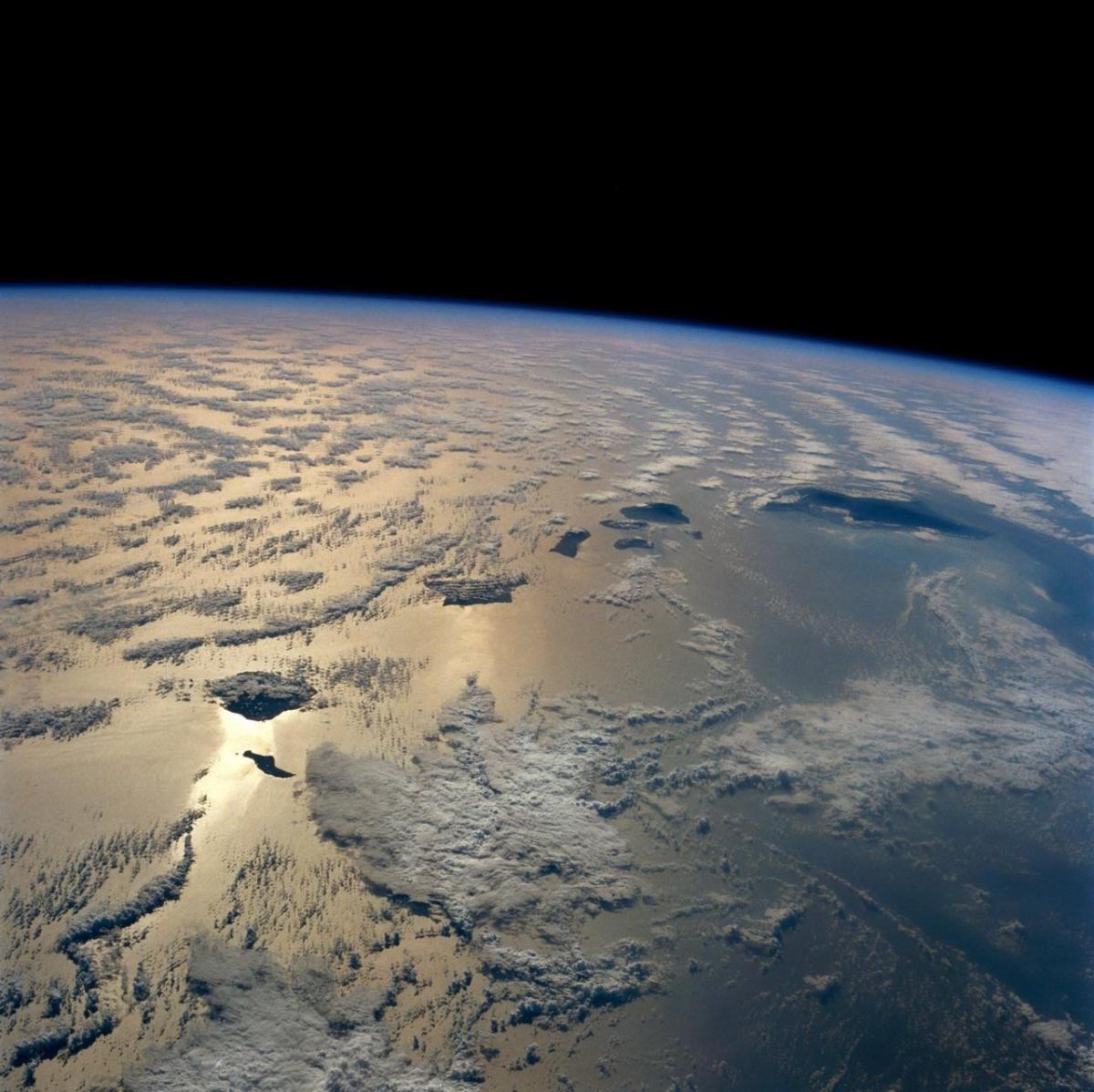
| | 40 years ago, as people on Earth were marking the change of the seasons at the summer solstice, the seven astronauts aboard space shuttle Discovery were deploying three communications satellites and performing experiments as part of NASA’s STS-51G mission. During their activities, one of the crewmembers captured this peaceful photograph of one of Earth’s archipelagos. | |
| Which part of the world do we see here? | | | | Find out the answer in next week's NASA newsletter! 🤓 | | | |
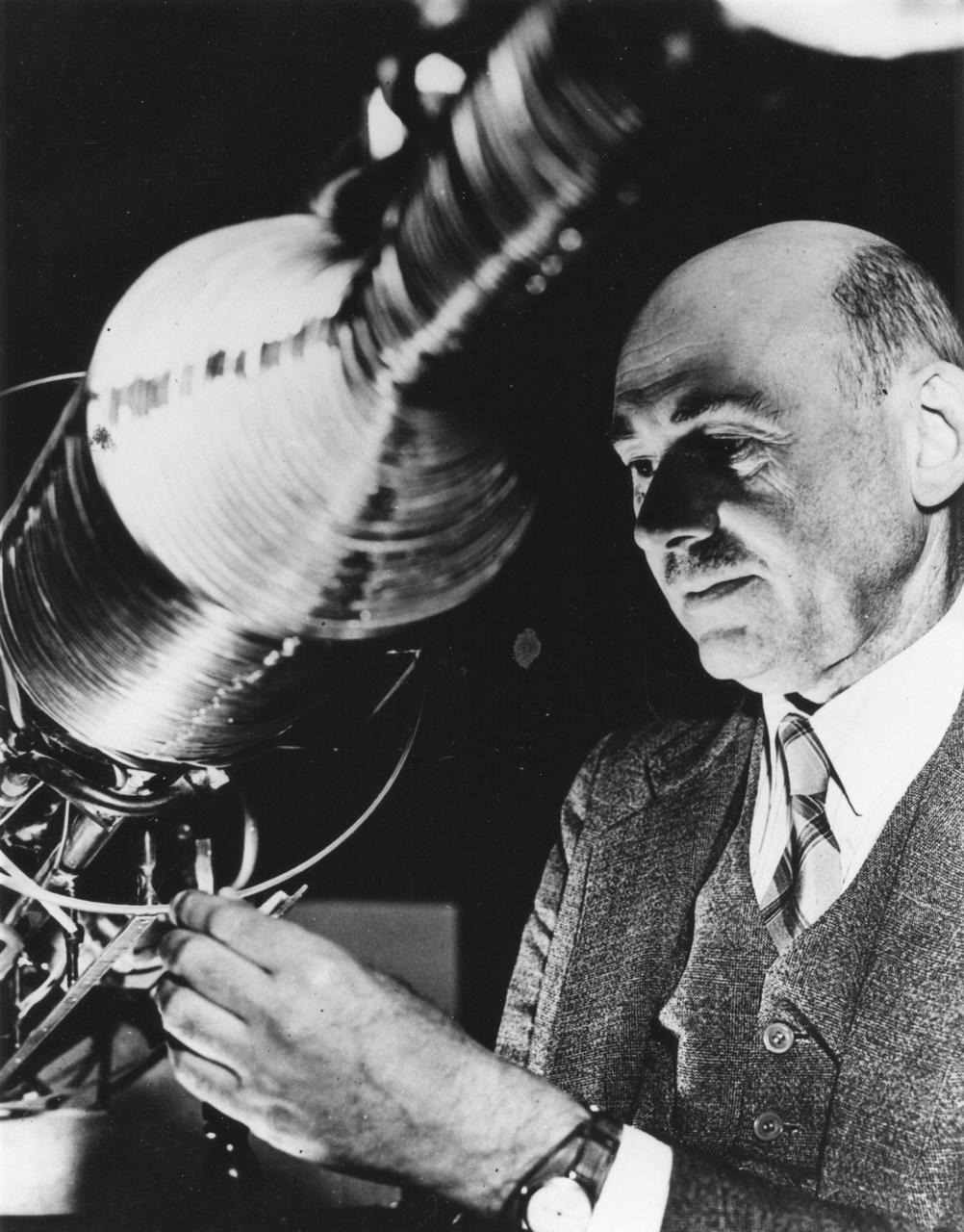
Last week, we asked about the number of patents rocketry pioneer Dr. Robert Goddard was awarded. The answer? 214! After Goddard’s death in 1945, his wife, Esther, wishing to preserve his remarkable legacy, meticulously sorted his papers and secured 131 patents in his name. | | |
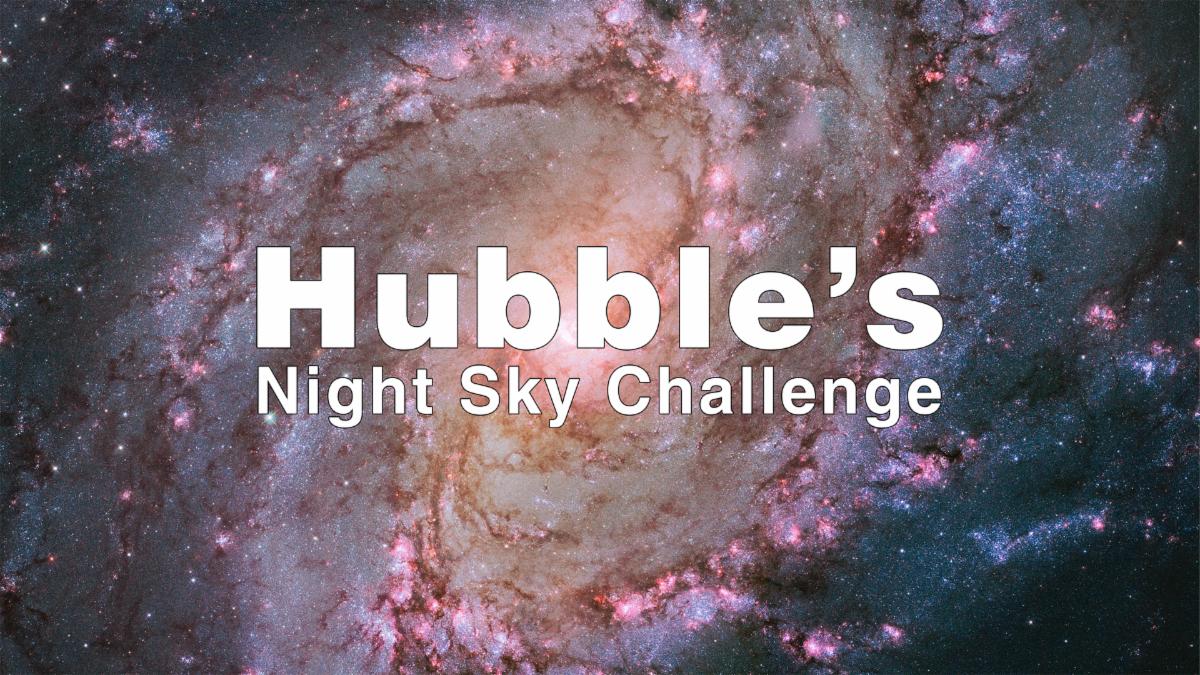
Do you have a telescope? Would you like to see some of the same night sky objects from the ground that Hubble has seen from space? We invite you to commemorate the Hubble Space Telescope’s 35th anniversary by accepting our yearlong stargazing challenge! New challenge objects will be featured weekly.
This week’s object is Messier 83 (M83), also known as the Southern Pinwheel. Discovered in 1752 by the French astronomer Nicolas Louis de Lacaille, this galaxy is located 15 million light-years away from Earth in the constellation Hydra. With an apparent magnitude of 7.5, M83 is one of the brightest spiral galaxies in the night sky and can be observed in June using a pair of binoculars.
JOIN THE CELEBRATION
| | |
National Aeronautics and Space Administration
NASA explores the unknown in air and space, innovates for the benefit of humanity, and inspires the world through discovery.
Visit nasa.gov
| | | | | |