Volume 1 Issue 3 - March 2021
We are already two and a half months into 2021, and time is flying by! Before you know it, spring turkey season will be upon us! On that note, do not forget to take advantage of our Junior Hunter Training Days. Each year, Connecticut designates specific days when experienced adult hunters are encouraged to take a youth hunting, helping them learn safe and effective hunting practices, develop observational skills, and gain confidence and a comfort level needed to further their hunting skills. At a time when recruiting new hunters is paramount to the continuation of this cherished lifestyle and wildlife conservation in our state, please strongly consider getting a youth out in the field this spring to experience this truly rewarding activity we all enjoy. We hope this latest issue of Hunter Highlights finds you well and will help boost the anticipation for this year's coming adventures! |
|
Hunter Calendar: Upcoming Dates |
|
Small Game:
Upland Birds and Turkey:
-
Spring Turkey: 4/28/21-5/29/21
-
Crow: 1/11/21-3/28/21 (M, T, W, Th, F, S)
|
|
Junior Training Days:
-
Spring Turkey: 4/17-4/28/21 (excluding Sunday)
Furbearers:
|
|
|
2021 Hunter Safety Course Offerings |
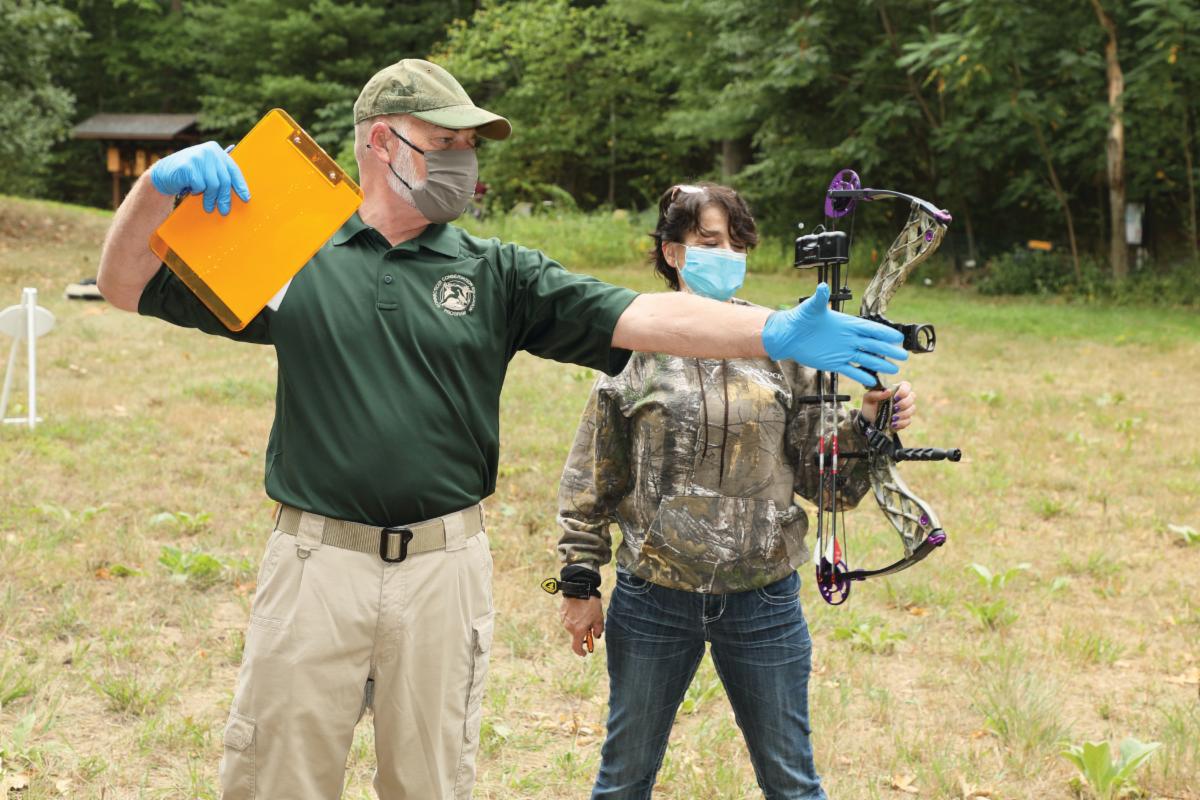
As many of you are aware, the The Conservation Education/Firearms Safety (CE/FS) Program is offering its regularly scheduled Modified Firearms Hunter Education Field Days starting this month, with Modified Bowhunting Field Days set to resume in April 2021. For those looking to register for one of these courses, it is critical to complete prerequisites before attending an in person field day under the modified field day programs that were adopted in response to the COVID-19 pandemic. The firearms and bowhunting programs each have their own distinct set of prerequisites, as well as their own field days which are not interchangeable.
|
|
TURKEY HUNTING SAFETY TIPS: Safety is not an accident, it is a planned outcome. Learn more . . .
|
|
Backpacks on Birds, or Where the Ducks Go |
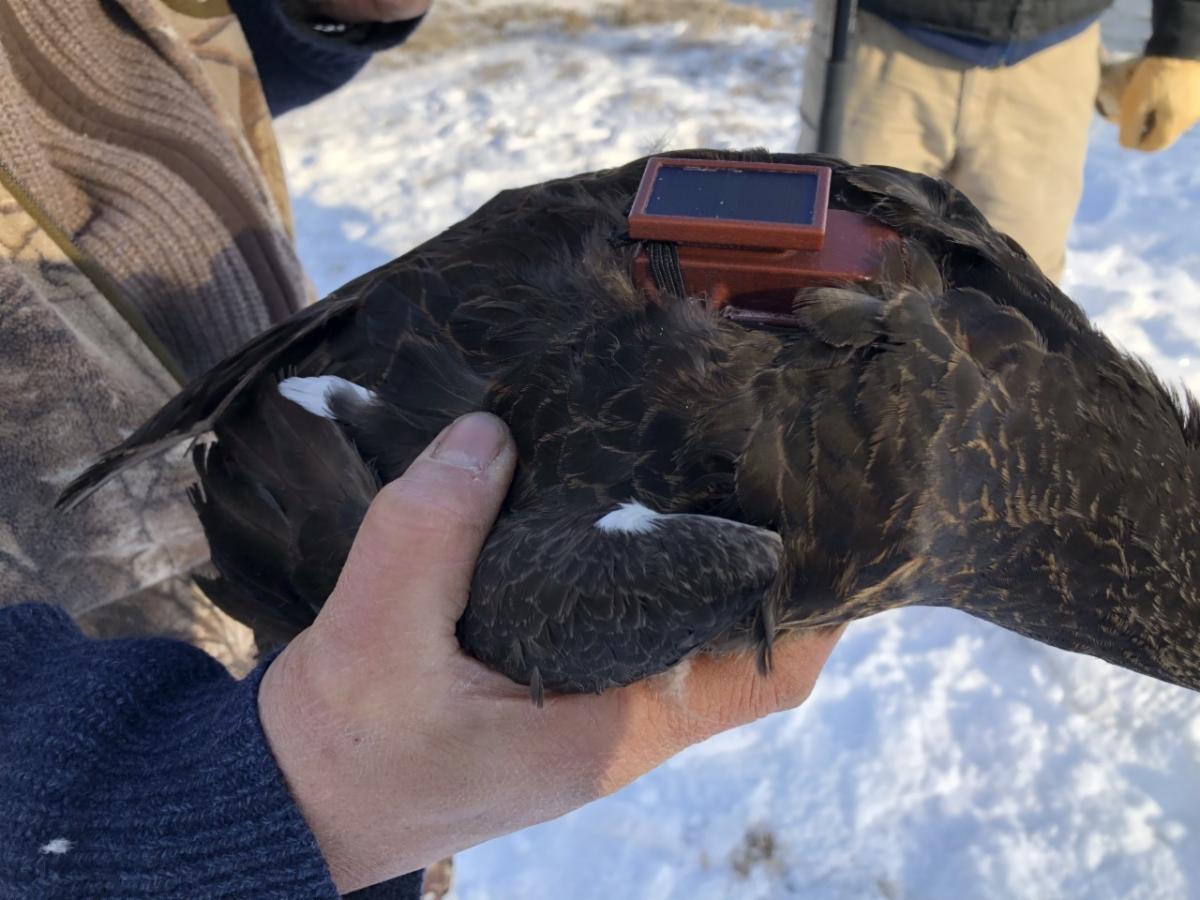
DEEP Wildlife Division waterfowl biologists were busy banding mallards and black ducks this winter. Banding waterfowl provides biologists with important information on waterfowl dispersal, lifespan, survival rates, and much more. Biologists are also participating in a regional study of black duck nesting success and habitat use in the Boreal Forest of Canada. By placing lightweight radio transmitters on hen black ducks on the wintering grounds in the Atlantic Flyway, critical information on black duck nest habitat selection, use, and nesting success will be provided. Black duck populations appear stable today but have been on the decline in past years. Better understanding of seasonal survival, behaviors, and movement can all be derived through the use of collected transmitter data and band return information. In turn, this information is used to help manage black duck populations and modify harvest regulations to better align harvest rates with abundance goals within the Atlantic Flyway. For the pilot year, 50 radios are being put out throughout the Flyway, nine in New England split between Maine, Connecticut, and Massachusetts. |
|
Seasonal Recipes: Wild Turkey Barbecue |
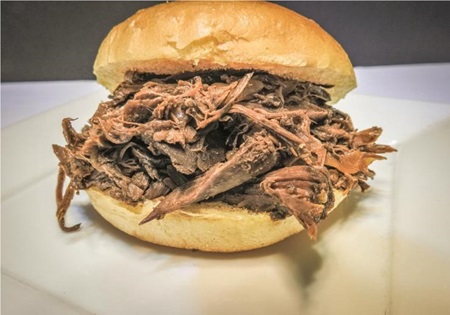
Because all of the ingredients are added to the slow cooker at once, this is a great way to make use of not-so-tender turkey leg/thigh quarters on a busy weekday. Add the ingredients to the pot in the morning and the turkey legs are falling apart tender when you get home. Just pick out the bones and shred the meat into the juice, and you are ready for dinner.
Ingredients:
2 wild turkey leg/thigh quarters
½ cup Sprite
½ cup apple cider vinegar
½ cup of your favorite barbecue sauce
1 onion thinly sliced
1 heaping tablespoon of Traeger Big Game or your favorite BBQ dry rub
Cooking Instructions:
The instructions are simple. Add everything to the slow cooker and turn it on low. The added moisture from the Sprite, vinegar, and BBQ sauce allows the turkey to slow simmer. Cook for 6 to 8 hours, or until the meat falls from the bones. Remove any bones, tendons, and connective tissue. Return the meat to the slow cooker and stir everything together, shredding the meat with a fork as you blend.
|
|
Turkey Hunting Tips from the National Wild Turkey Federation |
For many, the start of longer days and warmer temperatures harken thoughts of blooming flowers and the twittering of songbirds as nature welcomes spring back to New England. But for the turkey hunter, our thoughts are consumed with the anticipation of the hunt; hearing thunderous gobbles and the flap of wings in the pre-dawn light; and mornings spent in the fields and woods as we witness fantastic displays and use every bit of knowledge and skill (don’t forget luck!) we possess to lure a gobbler into range of our shotgun or bow. Make no mistake, turkeys are not easy prey. Their keen eyesight makes up for their lack of smell and they can detect even the slightest amount of movement. You are encouraged to learn all you can before hitting the woods to begin your turkey hunting adventures – a safe and successful hunt depends on it.
The mission of the National Wild Turkey Federation is the conservation of the wild turkey and the preservation of our hunting heritage. For more information visit nwtf.org.
|
|
Be on Target: Patterning Your Shotgun |
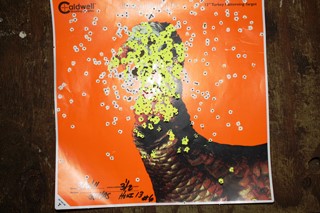
One of the most important pre-season preparations, and often the most overlooked, is patterning your gun for spring turkey hunting. Hunting without patterning your shotgun is akin to hunting deer without sighting in your rifle. Hunters have a responsibility to ensure their firearms are properly set to make an ethical shot.
The idea of patterning is to make sure your gun shoots reliably and consistently throughout your ethical kill range, and also help determine what that range is. When starting the process of patterning, have a good supply of targets. You need at least one target for each manufacturer, shot size, and distance. You can use a turkey target that is readily available for this purpose or simply take a piece of 2x3 foot poster paper and place a dot in the middle.
|
|
Habitat and Hunting Area Update |
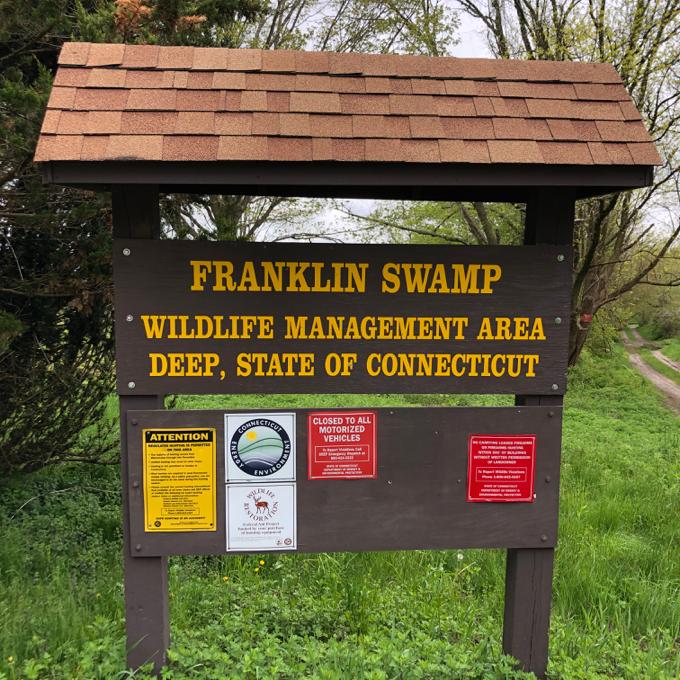
This past winter, the Habitat Program has been planning for many operations to carry out in the coming warmer months of 2021. A 10-Year management plan for Franklin Swamp WMA is in the final stages of approval. When enacted, the plan will focus on creating, enhancing, and maintaining a diversity of upland and wetland wildlife habitats. Efforts will be directed at 188 acres, resulting in the creation of 60 acres of new seedling/sapling habitat. Similarly, a 10-Year plan is also in development for Kollar WMA. Further information when management plans are finalized can be found HERE.
|
|
Forestry Field Tips for Hunting |
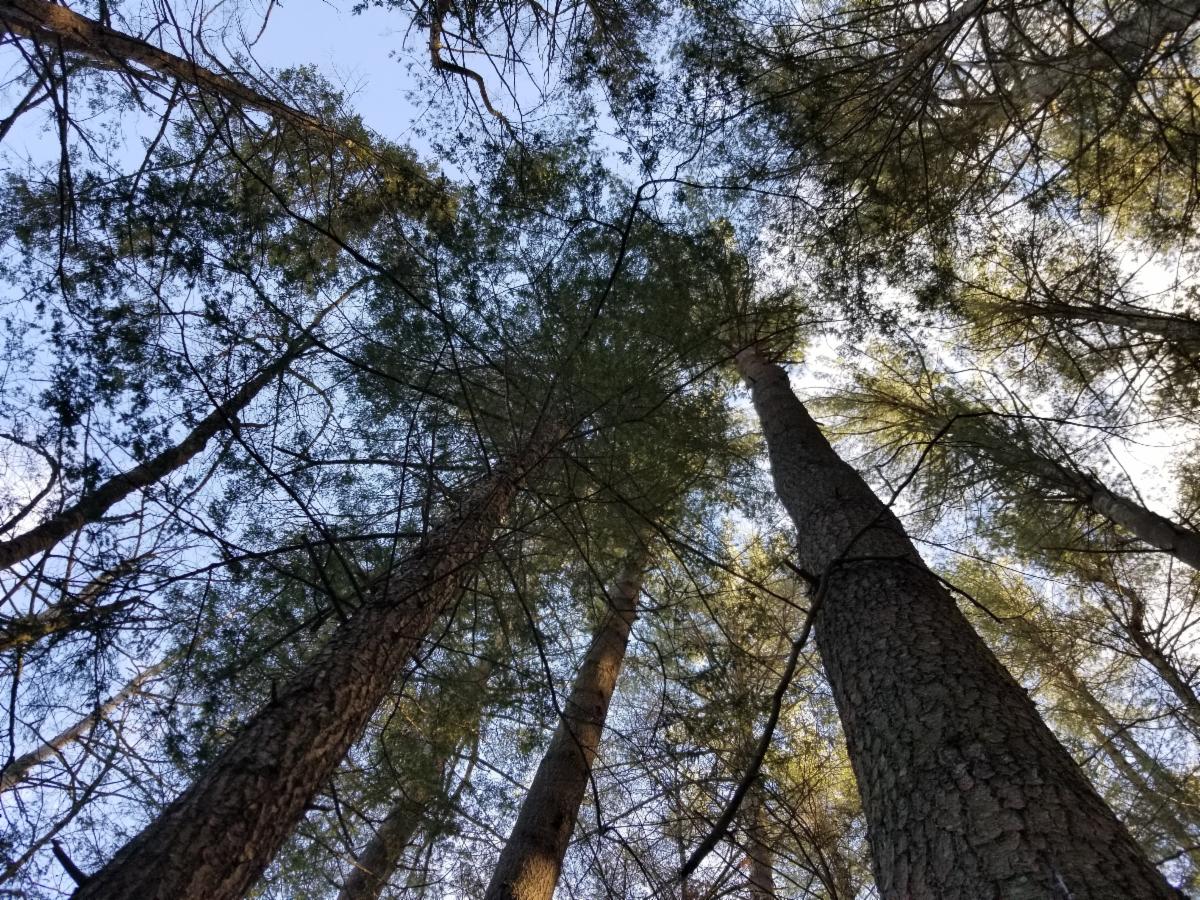
Pine, hemlock, spruce, fir, conifer, evergreen, softwoods. We often hear them referred to by many different names, but what is a conifer tree? What species are in Connecticut and how do they benefit wild game species? How can hunters identify these trees in the field to improve hunting tactics and put more wild game meat in the freezer?
Connecticut features two primary conifer species, the Eastern white pine (Pinus strobus) and the Eastern hemlock (Tsuga canadensis). Both pine and hemlock trees benefit numerous game and nongame wildlife species by providing roosting and nesting sites for a variety of bird species, offering thermal cover, yielding limited browse and seed food sources, and serving as excellent cavity trees.
|
|
Hunter Profile: Jenny Kilburn |
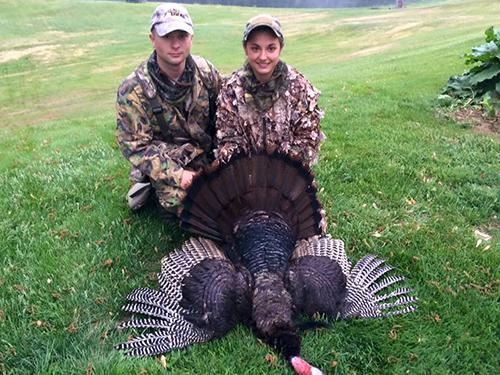
Growing up in a somewhat rural part of Connecticut, my childhood was vastly different than most children today. Fun for my brother and me was catching frogs in the pond, going on small hikes with our parents, catching bugs, running around barefoot, and maybe, most importantly, hunting and fishing. While today it can be a challenge to get kids to consider stepping foot outdoors, my brother and I seemed to have the opposite problem. Hunting, for me, started when I was too young to perform the act myself. I would tag along on pheasant hunts with my dad and our golden retriever at the time, walking alongside him and loving every moment of our time together in the outdoors. When I finally turned 12, I enrolled in a Hunter Safety Course and was awarded my certificate.
I remember my first hunt as if it was yesterday. My dad and our dog at the time, Maisy, were hunting a small piece of state forest land right up the road from our house. This would become one of our favorite places to hunt together. As we were walking the field, I noticed that our dog began to look “birdy”. It is almost as if the excitement of finding scent traveled up the nose and directly to her tail as it began to move with purpose. Shortly after, the bird flushed, and I fired my first shot. It was a miss, but as the bird sailed away into the next field, I realized I was hooked. From then on out, my dad, brother, and I have yet to miss a pheasant hunting season together in 14 years.
It is because of this first hunt, and the many years following, that I am sitting at my desk as a wildlife biologist. This path introduced me to many great people. Among them were co-workers who were willing to take me out on my first duck hunts and my boyfriend and his father who introduced me to turkey hunting. While it would take many unsuccessful hunts before I harvested my first duck, I learned a very valuable lesson. I was fortunate to grow up into a hunting family. Going out on my first duck hunt as an adult was challenging. The amount of new information I needed to learn, the list of new gear I would need, and the seemingly never-ending challenge of identifying dark-colored ducks whizzing past me was intimidating.
So why do I hunt? I hunt to spend time with family, enjoy the outdoors, and more recently, harvest healthy sustainable food. As the number of hunters declines, and as society becomes more disconnected with nature than ever before, I hunt to share a tradition. This is what recently motivated me to become a hunter education instructor. If I can pass on this tradition to just one person who may have never otherwise been introduced to hunting, that is one more person who will fight the fight for wildlife conservation and our public lands. And for me, that is something worth fighting for.
|
|
You are making a difference and we thank you for your support!
|
|
Need to contact the DEEP Wildlife Division? Send email to deep.wildlife@ct.gov or call 860-424-3011
|
|
The Connecticut Department of Energy and Environmental Protection is an Affirmative Action and Equal Opportunity Employer that is committed to complying with the Americans with Disabilities Act. To request an accommodation contact us at (860) 418-5910 or deep.accommodations@ct.gov
|
|
|
|
|
|
|