Volume 2 Issue 2 - September 2021
Fall is fast approaching, and many hunting seasons will begin shortly! Hopefully you have spent your summer practicing your shot, inspecting your gear, perfecting your favorite waterfowl call, and most importantly, scouting! Putting in the time to assess your hunting spots before the season will almost always pay off when opening day rolls around. So, be ready to climb up in that tree stand, tuck into some cattails, or lean back against a mighty oak. The season is about to begin. See you outdoors!
|
|
Youth Training Days:
-
Waterfowl: 10/02/21 and 11/06/21
-
Pheasant: 10/09/21
-
Deer: 11/06/21 to 11/13/21 (except Sunday)
Small Game:
-
Gray Squirrel: 9/1/21-2/28/22
-
Rabbit and Hare: 10/16/21-2/28/22
-
Snowshoe Hare: 11/20/21-1/31/22
-
Woodchuck: 3/15/21-11/15/21
|
|
Deer:
-
Archery: 9/15/21 Please refer to guide for specific closing dates.
-
Shotgun State Land No-Lottery: 11/17/21-12/7/21
-
Shotgun State Land Lottery: A: 11/17/21-11/26/21 (Yale Forest only) Regular: 11/17/21-12/7/21
-
Shotgun/Rifle/Revolver: Private Land: 11/17/21-12/7/21
-
Landowner: 11/1/21-12/31/21
-
Muzzleloader: Private Land: 12/8/21-12/31/21 State Land: 12/8/21-12/21/21
Upland Birds and Turkey:
-
Pheasant: 10/16/21-2/28/22
-
Chukar and Hungarian Partridge: 10/16/21-2/28/22
-
Ruffed Grouse: 10/16/21-11/30/21
-
Quail: 10/16/21-10/30/21 Please refer to guide for areas under extended season.
-
Fall Archery Turkey: 9/15 Please refer to guide for specific closing dates.
-
Fall Firearms Turkey: 10/2/21-10/30/21
|
|
|
2021 Fall Archery Deer and Turkey Season Outlook |
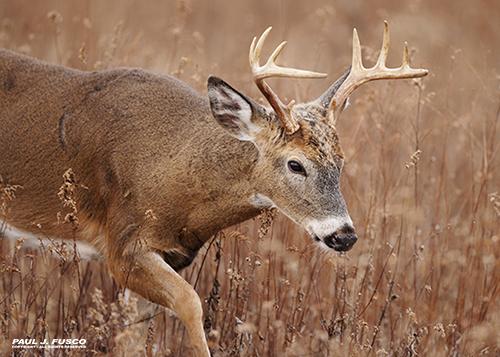
The 2021 fall archery hunting seasons for deer and turkey open on Wednesday, September 15, on state and private land.
“The outlook for the 2021 hunting season looks good, as another mild winter and an in increase in deer observations occurred in most zones last year,” said Andy LaBonte, DEEP Wildlife Division Biologist. “The 2020 Connecticut Deer Program Summary contains information that will be helpful to hunters in the upcoming season.” The Deer Summary is on the DEEP website HERE.
The COVID-19 pandemic has resulted in more people participating in hunting and other outdoor activities over the past year, which may create conflicts on heavily used state land areas. Although hunters are required to wear fluorescent orange while participating in many types of hunting activities, it is highly recommended that all state land users wear an article of fluorescent orange during the hunting season to maintain a safe outdoor environment for everyone.
“On average, Connecticut experienced moderate acorn production in 2021,” said Michael Gregonis, DEEP Wildlife Division Biologist. “So, fall weather conditions could be an influential factor on both the deer and turkey harvest.”
|
|
Online Hunting Permits Now Available |
|
Reminder: Please take measures to protect yourself from mosquito and tick bites. More information HERE.
|
|
Epizootic Hemorrhagic Disease and Chronic Wasting Disease |
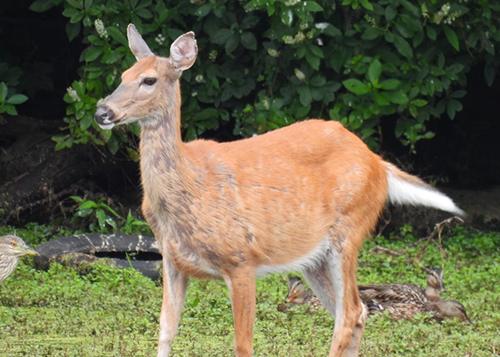
The first ever cases of Epizootic Hemorrhagic Disease (EHD) were confirmed in Connecticut in October 2017. Symptoms of hemorrhagic disease in deer include swollen head, neck, tongue, or eyelids with a bloody discharge from the nasal cavity; erosion of the dental pad or ulcers on the tongue; and hemorrhaging of the heart and lungs, causing respiratory distress. The virus also creates high feverish conditions, causing infected deer to sometimes be found near water sources. EHD is transmitted by tiny biting flies (midges). All documented outbreaks tend to occur during late summer and early fall due to an increase in midge numbers and cease with the onset of a hard frost, which kills the midges carrying the virus.
No infected deer were reported in 2018 or 2019; however, in 2020 one deer tested positive for EHD in Ridgefield, with approximately 20 or more found in the surrounding areas near water bodies, indicating they may have died from EHD. As of early September 2021, New York is experiencing an outbreak of EHD and it is possible the disease may appear in deer in Connecticut.
The DEEP encourages anyone who observes deer appearing emaciated, behaving strangely, or lying dead along the edge of waterbodies during summer to report the information, along with the closest address, to DEEP’s 24-hour Emergency Dispatch Center at 860-424-3333, the Wildlife Division at 860-418-5921, or send an email to Andrew.labonte@ct.gov.
Chronic Wasting Disease: Regulations remain in place prohibiting hunters from transporting into Connecticut any deer or elk carcasses or part thereof from any state where chronic wasting disease (CWD) has been documented, unless de-boned. For the safety of Connecticut's deer herd, a new regulation effective in 2020 prohibits all use of natural deer urine products. No person shall possess or use, for the purposes of taking or attempting to take or attract deer or for the surveillance or scouting of deer, any product bought or sold that is manufactured or refined that contains or purports to contain deer urine. Products labeled as "synthetic" may still be used. Products with vague descriptions about their contents are not recommended for use. CWD can spread through exposure to infected deer urine.
In 2020, the DEEP collected 433 CWD samples from throughout the state, all of which tested negative. Since the beginning of collection efforts in 2003, over 8,000 samples have been collected, all of which have tested negative for CWD. The Wildlife Division expects to collect deer heads to test for CWD and possibly blood samples for EHD (from towns along the Connecticut River or in DMZ 11) during the 2021 hunting season. Anyone interested in donating deer heads or blood samples from harvested deer should contact Andrew.labonte@ct.gov or Timothy.mckinney@ct.gov.
|
|
Junior Pheasant Hunts Are Happening SOON! |
September is here, and that means it is time for our 2021 Junior Pheasant Hunts!
DEEP’s Hunter Education Program works cooperatively with sportsmen's clubs throughout the state to provide these mentored hunts. The 2021 schedule will include nine hunts which juniors can register for online using the CT Hunter Education Registration System. September and October hunts will open for registration in early September and the remaining hunts will open 30 days prior to the hunt date. Hunters must register for their desired hunt and submit a parent permission slip (available here) and Junior Hunting License to DEEP.franklinwildlife@ct.gov.
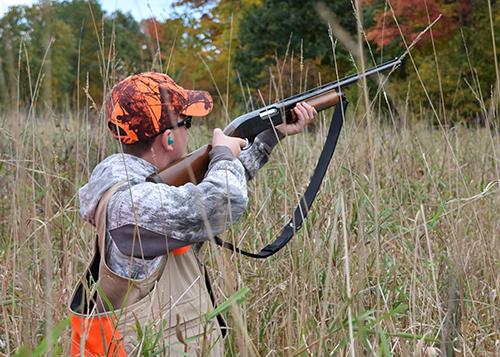
Mentored Junior Hunts are held at host fish and game clubs throughout the state. Participants must submit both their junior hunting license and parent permission slip and bring a hard copy of each with them. Junior hunters should plan to bring a shotgun they are comfortable with and ammunition for both the hunt and practice. The day of the hunt, hunters will be given a safety brief before heading to the range for coaching and to practice shooting clay pigeons. Once hunters wrap up at the range, they will be introduced to their hunt coach and dog handler. Hunters will be paired up and accompanied into the field by a hunt coach, a dog handler, and their dog. Each hunter will get the opportunity at two birds; although success is not guaranteed, additional opportunities will be given if possible.
Even if you are not an eligible to participate an a junior hunter, you can spread the word about this unique opportunity. Our host clubs and DEEP are committed to providing juniors with beneficial opportunities to help instill the values of being a safe, ethical, and responsible hunter.
|
|
Canada Goose Banding Returns! |
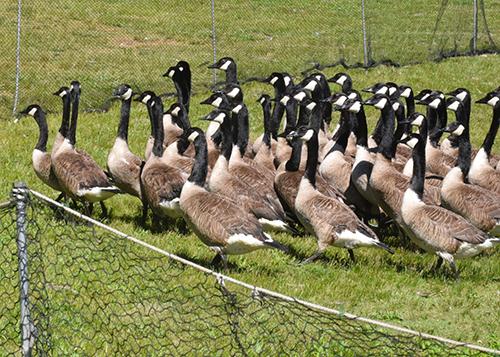
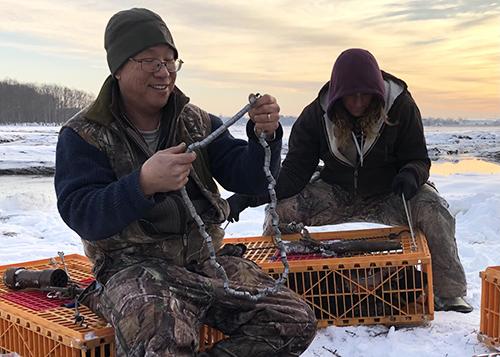
In the final two weeks of June, Migratory Game Bird Program staff, supported by other Wildlife Division staff, conducted annual Canada goose banding, previously interrupted by the COVID-19 pandemic in 2020. During this time period, Canada geese are molting and flightless, which allows them to be herded on water and land and captured in temporary pens. Age and sex of each bird is determined and recorded, then an identifying band is affixed to one leg. “Recaps”, or recaptured birds that were banded in a previous year, are recorded as well. This year 1,156 geese were captured -- 352 were recaps and 283 were juveniles. |
|
Seasonal Recipes: Uncle Mike's Sweet and Sour Chicken |
Ingredients:
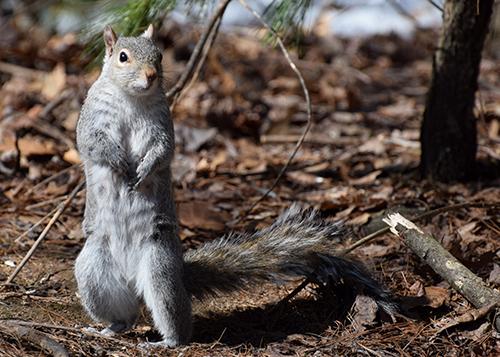
One to two squirrels.
One bottle of Wishbone Russian dressing.
One 8 oz. jar of apricot jam.
One envelope of Lipton onion soup mix.
Rice of your choice (for serving).
Cooking Instructions
Cut squirrels into five pieces (two hind legs, two front legs and mid-section). Place cut squirrel into slow cooker. Add remaining ingredients. If using more than two squirrels, add 1 cup of water per additional squirrel. Cook in slow cooker on medium/low for 6-8 hours. Serve over rice.
|
|
Habitat and Hunting Area Update |
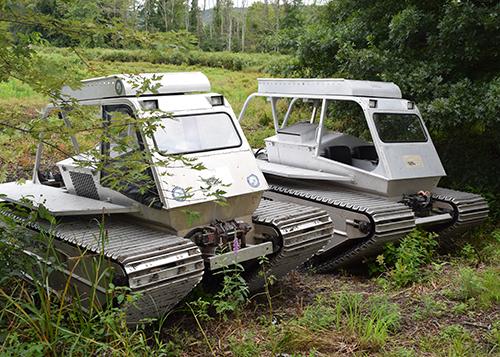
From June through August, the Wildlife Division's Habitat Program, Wetland Habitat and Mosquito Management Program, and Migratory Game Bird Program conducted 379 man-hours of mowing and vegetation control at 31 wetland impoundments on forests, parks, and wildlife management areas across the state.
A 14-acre plot at Robbins Swamp Wildlife Management Area in Canaan and North Canaan was planted with native grasses and wildflowers to enhance biological diversity and provide habitat for a variety of wildlife, including wild turkeys, cottontails, leopard frogs, and monarch butterflies. Native grasses and wildflowers have been planted on 7.2 acres and an ecotone (edge) of 4.8 acres between the field and forest will be created. The area will be managed to keep the field herbaceous and the edge as shrubland habitat. Hunters will find this newly-created habitat area suitable for hunting woodcock, rabbits, and stocked pheasants.
From June through August, no additions were made to hunting areas within the state.
Please note: Recently acquired parcels need to be border marked and so indicated as open before hunting can take place. If you have any questions, please contact the district biologist for the area (East: 860-295-9523; West: 860-424-3011).
|
|
Caring for Your Game Meat |
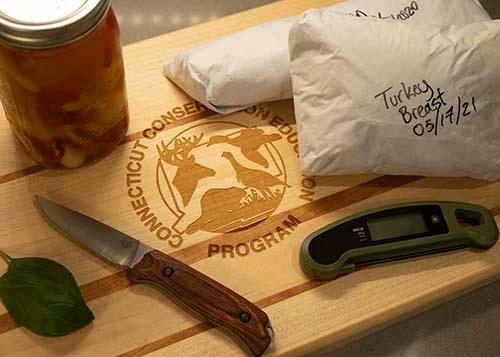
After putting in the work to have a successful hunt this season, the last thing you want is for your harvested game meat to spoil. Depending on when you set out this upcoming season, the weather can be your friend or enemy. Warmer temperatures might make sitting in your blind or tree stand more comfortable, but colder temperatures help keep meat safe. In order to get the carcass dressed and cooled quickly, you need to work efficiently. It is also critical that you keep things sanitary. Clean your hands and knife often, especially after they come in contact with internal body fluids, dirt, and other unclean surfaces. If you are not going to process the meat on your own, get it to your game processer quickly to reduce the chance of spoilage. When breaking down game on your own, you can age deer meat at or below 38 degrees and allow for good air circulation. When it is time to enjoy eating your game meat, be sure to cook it safely to the proper internal temperatures. |
|
Knowing Native Shrubs Can Help You Find Game |
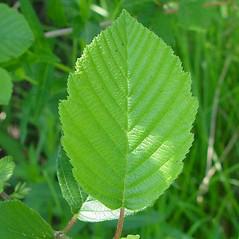
Alder, winterberry, and witch hazel; shrubs that you may know of, but are they valuable to know for hunting?
Shrubs are a grouping of woody-stemmed, perennial species that can be evergreen or deciduous and grow to an average mature height of 15 feet. Think of these as the thick brush you have to push your way through when looking for small game.
Connecticut forests host of a variety of native shrubs that provide a multitude of benefits for wildlife including food, protection from predators, and nesting and brooding sites. Three of note are speckled alder (Alnus incana subsp. rugosa), winterberry (Ilex verticillata), and witch hazel (Hamamelis virginiana). These species can be found growing on lower slopes and wet sites and look similar, so it is important to identify one from the other and know which may benefit your hunting experience.
|
|
Hunter Profile: DEEP Wildlife Division Biologist Min Huang |
Would you like to be our next featured hunter?! If so, please send us a short write-up (less than 500 words) about yourself and a photo to deep.ctwildlife@ct.gov, and you may be featured in our next issue!
Hunting is an integral part of my life and over time has become part of my personal identity. I identify as a hunter. As such, hunting shapes many of my annual decisions. My journey to hunting came through a very non-traditional path. I come from a non-hunting, and mostly, except for a couple of cousins, non-firearm family. I fished growing up, but never hunted. My introduction to hunting was at the age of 11 or 12, eating some ducks that my neighbor had harvested. It wasn’t, however, until college that I took a hunter education course, and began my career doing what is now, one of the most important things to me that I do.
I figured out my sophomore year of college that they paid people to work in the woods and play with animals. Taking classes within the natural resources department, I quickly came to understand the underlying mechanisms, that to this day, continue to be the primary drivers of conservation funding in our country. That hunters and fishers, through excise taxes and licenses, fund the vast majority of our conservation programs. With that knowledge in hand, it was only natural that I joined the ranks.
I began hunting because I wanted to harvest animals. Plain and simple. The allure of not going to a grocery store for protein was a big draw. As I have hunted all over this great continent, experienced unbelievable beauty, and pursued various species, my values have changed. However, putting food on the table is still a motivation. I loved the challenge of stalking a bugling elk with an 80-pound compound bow and having to be precise on the wind and knowing the terrain and how my movements would affect the animal I was stalking. It was so rewarding to harvest a beautiful 4x4 with a 15-yard shot in mature timber whose trees were 6 feet wide at the base. I love tricking ducks and geese to glide into the hole in the decoy spread. I love watching my dogs and the unadulterated joy they exhibit when retrieving those birds. I love watching the world awaken as the sun comes up. I love spending time in the field with friends, and on occasion, I enjoy time alone with a dog or two. As my hunting career has progressed, I enjoy taking out people who have not yet experienced the thrill of hunting, and watching them take away something from the morning that will be burned into their memory for a lifetime. Back in 2004, I compiled a crew of current and retired biologists and we started the home study program within CE/FS. A very fun and rewarding endeavor. We graduated over 300 folks.
In closing, hunting means so many things to me, all of which enrich my life. So much so, that in fact, I often go hunting when I know there is absolutely no chance of me harvesting anything. Just because. Such is the obsession.
|
|
You are making a difference and we thank you for your support!
|
|
Need to contact the DEEP Wildlife Division? Send email to deep.wildlife@ct.gov or call 860-424-3011
|
|
The Connecticut Department of Energy and Environmental Protection is an Affirmative Action/Equal Opportunity Employer that is committed to complying with the requirements of the Americans with Disabilities Act. Please contact Cenit Mirabal, DEEP Office of Diversity and Equity at 860-418-5910 or by email at deep.accommodations@ct.gov if you are requesting a communication aid or service, have limited proficiency in English, need some other type of accommodation, or if you wish to file an ADA or Title VI discrimination complaint. In order to facilitate efforts to provide an accommodation, please request all accommodations as soon as possible following notice of any agency hearing, meeting, program or event.
|
|
|
|
|
|
|