|
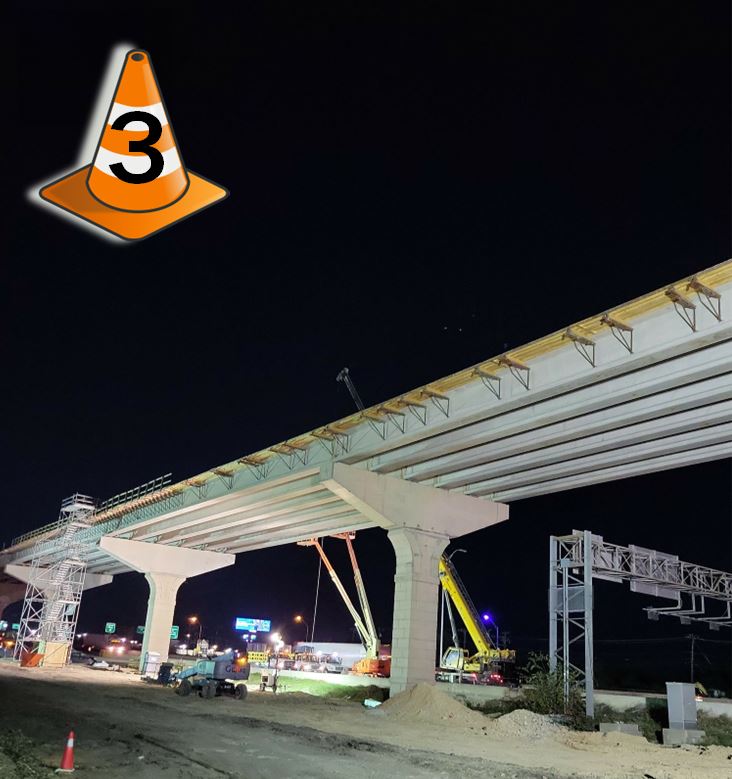
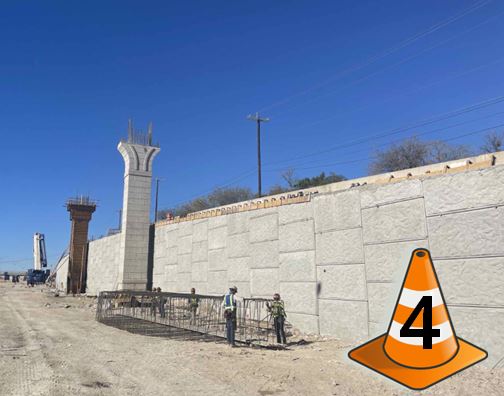
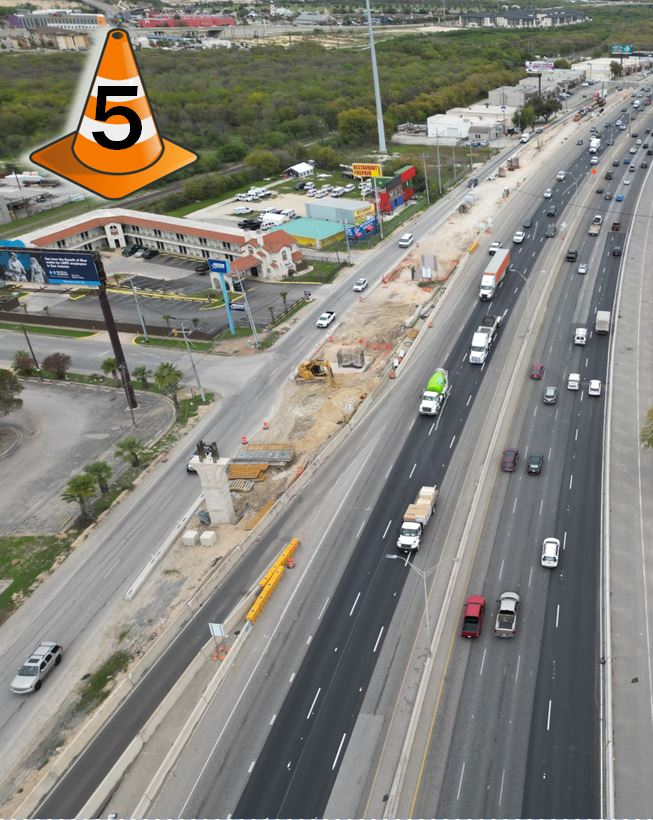
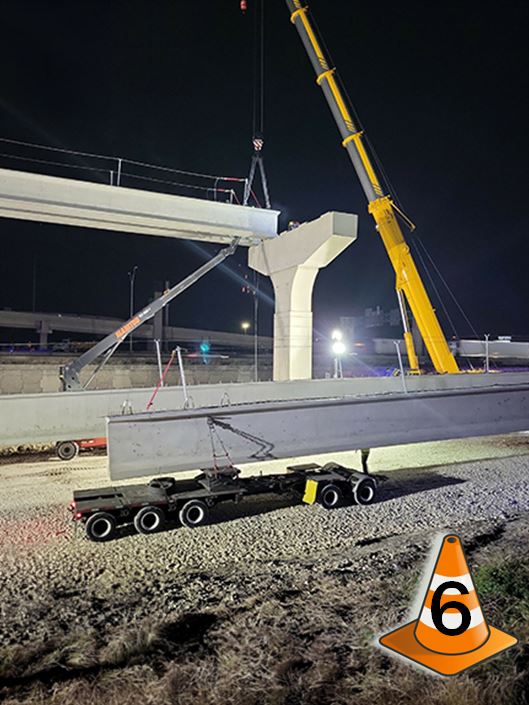
When you hear the term "superelevation" in relation to road construction, you might think of super tall bridges, but that wouldn’t be correct. Superelevation refers to the rotation of road pavement to assist drivers by counteracting lateral acceleration produced by road curves.
What does this mean? When a driver navigates through a curve on a road or bridge, the road is often banked or tilted at an angle, which is known as superelevation. It helps drivers maintain a safe speed while navigating curved roads, helps prevent skids and rollovers, especially in wet or icy conditions or at high speeds. It also allows traffic to maintain some speed on curves, preventing excessive slowdowns and it also helps with driver comfort as they come around a curve.
Superelevation involves raising the pavement's outer edge above the curve's inner edge. This is an important safety feature in the design of any road with curves. The design of a superelevated road must be precise, and when done correctly, most people barely even notice it’s there. To see superelevation at work, just watch a NASCAR race. The banking on the tracks of the Sprint Cup series varies from 12 to 36 degrees.
Without superelevation, curves would have to be taken at much lower speeds. Large vehicles are particularly vulnerable to rollover crashes due to their high center of gravity.
The next time you drive through a banked curve on the highway, you can thank superelevation for keeping you safe and speeding up your journey.
|