|
Marla,
Job interviews can make anyone feel anxious or unsure. For those with social anxiety and/or public speaking phobia, the fear can be downright overwhelming. Worries about being judged, stumbling over words, or leaving a bad impression can take over.
The good news? With the right strategies, you can tackle this fear and walk into interviews with confidence.
My personal job interview story in 2006:
I was being laid off from my first job of 7 years that I loved and felt so comfortable, considering I was at the height of my anxiety back then. My ideal job position had opened and I had to interview with 7 people, which was anxiety provoking within itself. I asked them if I would have to present in my role. They said no, and I said, good, because I have a fear of public speaking, but I am working on it at Toastmasters.
Guess what? It worked! They hired me. I was a bit surprised when 3 months later, that they asked me to do an informal training. Fortunately not an actual presentation per say because I wouldn't have been ready for that. I was nervous to do it, but not like I used to be because I had been in my CBT social anxiety/public speaking support group for those 3 months, and it made a huge difference. I didn't have the courage to start Toastmasters until about a year later, but they didn't need to know that ; ) It sounded much better to say I was in Toastmasters than a support group!
Please note: I was applying for a job in the mental health field, so I felt comfortable enough to share that with them. I thought that they would be understanding. But still, I risked not getting that job because the fear of me walking in one day and them telling me I had to present something was more than I could tolerate at the time. I imagined myself having to quit if I had to present unexpectedly.
Understanding Anxiety in Job Interviews
-
Performance pressure: The need to appear competent and impressive.
-
Fear of judgment: Worrying about being criticized or rejected.
-
Uncertainty: Not knowing how the interviewer will react or what questions will be asked.
-
Self-consciousness: Feeling overly aware of your appearance, voice, or body language.
Common symptoms during interviews:
- Sweaty palms, racing heartbeat, or trembling voice.
- Difficulty making eye contact.
- Forgetting prepared responses due to nervousness.
- Overthinking or avoiding the interview altogether.
Preparing to Reduce Anxiety
1. Know the Company and Role
- Research the company's values, culture, and recent news.
- Understand the job description and key responsibilities.
- Prepare relevant examples of your skills and achievements.
- Practice common interview questions and answers.
2. Practice Mock Interviews
- Ask a friend, family member, or career coach to conduct a mock interview.
- Use online platforms like Pramp or Interviewing.io for realistic practice.
- Record yourself to observe your body language and tone.
3. Prepare Your "Cheat Sheet"
- Write down key points, such as skills, experiences, and questions to ask the interviewer.
- Glance at your notes before the interview to stay focused.
Anxiety-Reducing Techniques
During the interview, you can manage anxiety with calming strategies:
1. Breathing Exercises
- Practice deep breathing to slow your heart rate.
- Try the 4-7-8 technique: Inhale for 4 seconds, hold for 7, and exhale for 8.
- This reduces tension and clears your mind.
2. Grounding Techniques
If you feel overwhelmed, use grounding strategies:
-
5-4-3-2-1 method: Identify 5 things you can see, 4 you can feel, 3 you can hear, 2 you can smell, and 1 you can taste.
- This technique brings you back to the present moment.
3. Positive Visualization
- Imagine yourself walking into the interview room feeling calm and confident.
- Visualize a successful conversation and a positive outcome.
During the Interview: Staying Composed
Here are some tips to help you stay calm and collected during the interview:
-
Pace Yourself: If you’re asked a question you didn’t expect, pause for a moment before answering.
-
Speak Slowly and Clearly: This reduces the chance of stumbling over words.
-
Ask Clarifying Questions: If you don’t understand something, ask for clarification. It shows confidence and thoughtfulness.
-
Be Honest About Nerves: If your anxiety shows, it’s okay to acknowledge it briefly. For example:
“I’m a bit nervous because I’m very excited about this opportunity.”
Post-Interview Coping Strategies
After the interview, your brain may overanalyze your performance. To avoid falling into this trap:
-
Write down three things you did well during the interview.
-
Challenge negative thoughts: If you feel like you made a mistake, ask yourself, “Would I judge someone else this harshly?”
-
Avoid ruminating: Engage in a pleasant activity afterward to distract yourself.
-------------------------------------------------
Here are some tips on how to acknowledge your anxiety during a job interview in a positive way.
-----------------------------
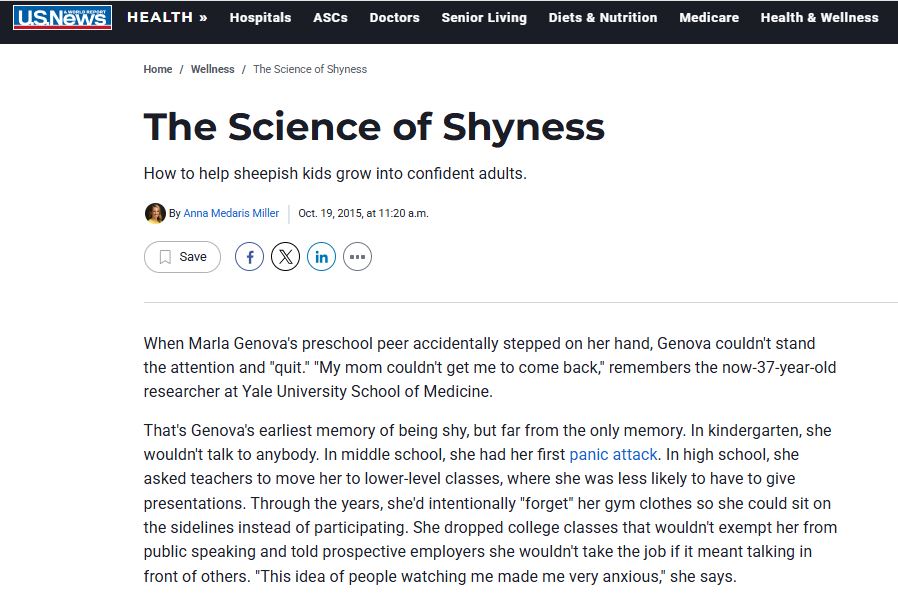
Here's what I used to do at job interviews: She dropped college classes that wouldn't exempt her from public speaking and told prospective employers she wouldn't take the job if it meant talking in front of others. "This idea of people watching me made me very anxious," she says.
|