I consider myself a bit of a cheer leader for the NHS. A fanboy for the front-line but I do know not everything always goes right.
Complaining about the NHS isn’t an open door.
Usually complaints have to be put in writing, which not everyone finds easy.
The total number of all reported written complaints last year was 225,570… up by just over a quarter on the previous year.
The proportion of complaints fully upheld… 32.8% for primary care and 26.8% hospital and community health services.
Is that a lot? Around 600 a day. Given the huge numbers who pass through the NHS every day, maybe not. There again, if you have cause to complain, it's one too many.
The Patient Advice and Liaison Service offers confidential advice, support and information on health-related matters and will help members of the public with their complaints... but... it's not easy and...
... there is no doubt about it, if you want to complain, it pays to know bit about the NHS, how it works and to be confident and articulate. That’s not a place everyone finds themselves.
Complaints often come at a time when people are at their lowest.
Trusts are very adept at handing complaints. They’ve learned, saying sorry is not the same as admitting liability.
‘We are very sorry to hear you’ve had a bad experience…’
‘We have fallen short of our normal high standards…’
‘We… will/have learn [learned] from this/changed our procedures/things are different/that was then, this is now…’
We know letters are templated, checked by lawyers and leave no loop-hole unplugged.
Apologising, saying sorry is cheap and easy;
Listen,
sympathise,
don't justify,
make notes,
agree a course of action,
follow through…
... that’s what's taught...how to handle complaints.
I know. I’ve done it.
Managing complaints in the public sector has become a profession. As for the private sector… beware of companies that have complaints departments, or customer relations call-centres…
... it means they get a lot of complaints.
Knowing how to frame a complaint, follow it through and make sure something sticks, is rare. Truly successful complains are few and far between.
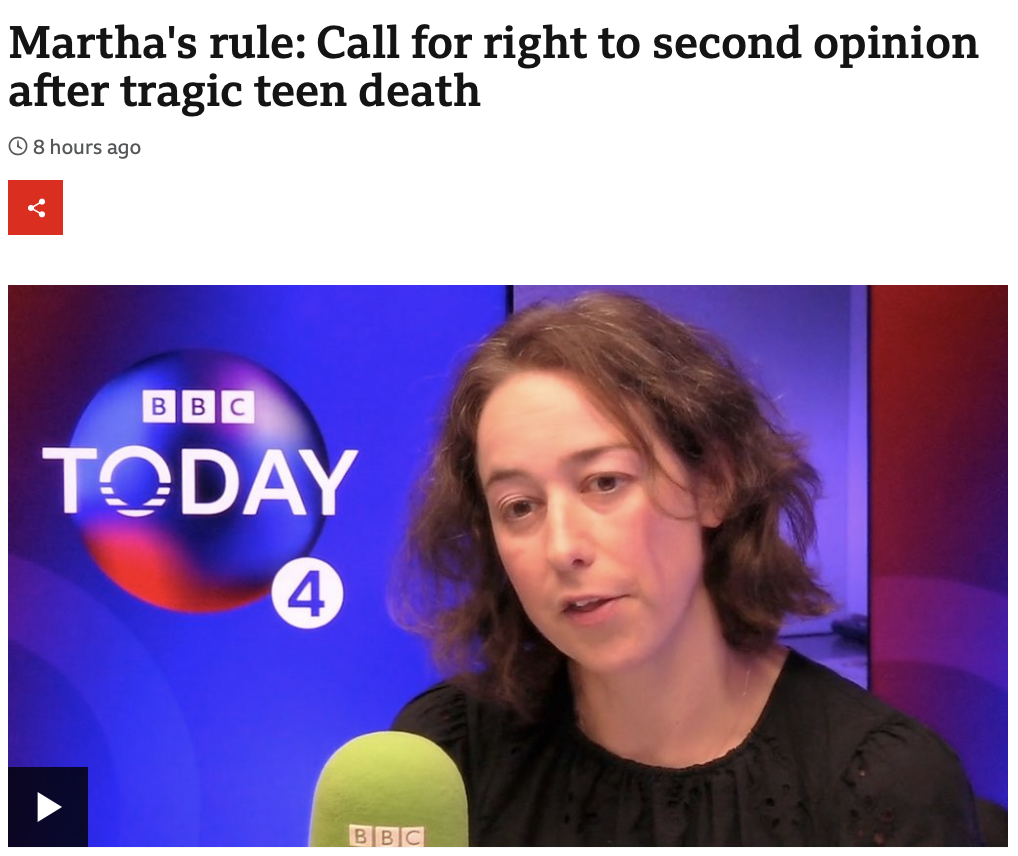
If you were listening to the BBC’s Today programme, just after half-seven yesterday...
The tragic tale of medical arrogance, system failure, the danger of dual-record keeping between nurses and doctors, discontinuity of care is a textbook of how not to allow departments to insulate themselves and how not run a hospital.
All made worse by the self-importance of medics who excluded the parents, whispered behind their backs and ignored their pleas.
Where it all came unstuck for King’s is that mum is a journalist working for the Guardian, with access to colleagues who know what’s what and the full resource that a national newspaper has at its command.
Not only is mum articulate, measured and truthful, she knew how to dissect King’s medical management and frankly shred the hospital’s reputation.
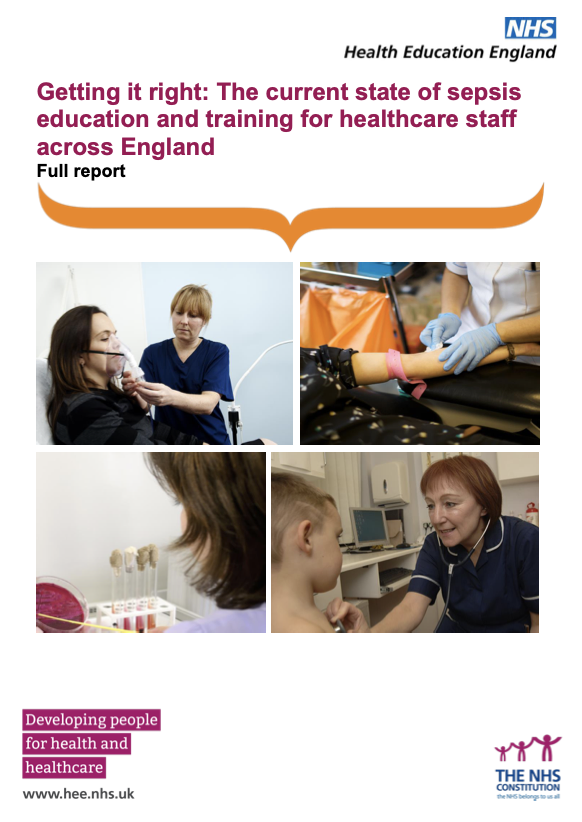
She discovered, at the time, at King’s, sepsis training was ‘voluntary’… the department looking after Martha didn't bother to attend.
Mum now wants a change in the law to make it possible for families, by right, to have a second opinion instead of requesting it and being (as she was) fobbed-off at the whim of a medic.
She wants 'Martha's Law'.
By the way, the useless General Medical Council, which regulates doctors, states that all doctors must;
‘... respect the patient’s right to seek a second opinion’.
Fat lot of good that did.
Some hospitals encourage worried folk to ask for a second opinion but it is not universal.
The final piece in the jigsaw… what about King’s?
They’ve done the usual; said sorry, things have changed, learned lessons, that was then, this is now, blah… but…
… what happened to;
the medics responsible for the death of this young life.
The medical director who allowed sepsis training to be a choice for doctors.
The chief nurse who must have had escalation procedures in place for when nurses notes were flagging up concerns, not in medical notes.
The chief executive and the board who are, if not culpable, responsible.
There are no historic lessons to learn here. These were all abject failures to do the right thing at the time. Everyone knew what they were doing.
Are they all still working in the NHS? Do you think they should be?
>> I'm hearing - Paul Roberts has been appointed interim CEO of Royal Devon University Healthcare FT.
>> I'm hearing - Hospital doctors will begin to receive 6% pay uplifts this month, but salaried GPs and practice staff may face a longer wait as talks continue on how to deliver the uplift for general practice.
>> I'm hearing - the GMC have a budget of over £200K to look after their communications. I recon that must equate to around £20K per tweet!