|
Daily Transportation News
September 2, 2026
|

|
|
AUTONOMOUS VEHICLES & EMERGENCY RESPONSE
Congress Advances Proposal to Establish National Emergency-Response Standards for Autonomous Vehicles
The AV Emergency Response Coordination Act (H.R. 10033) was introduced in Congress on August 3, 2026, and referred to committee to establish minimum standards for how autonomous vehicle operators coordinate with emergency responders. The bill would require covered autonomous vehicle operators to provide emergency-response guides and rescue sheets and establish standardized procedures for responders dealing with crashes, vehicle stoppages, natural disasters, evacuations and other emergencies.
The proposal also addresses communications with remote personnel, vehicle immobilization and towing, geofence notices, occupant rescue and preservation of vehicle data and video. The bill remains in committee and is not federal law.
WHY IT MATTERS TO REGULATORS: For state and local transportation regulators, emergency-response coordination is becoming a practical regulatory issue as driverless fleets expand. Requirements covering responder communications, vehicle status, towing, geofencing and data preservation could eventually influence local permitting conditions, operating agreements, emergency plans and coordination protocols for robotaxi services.
Source: U.S. Congress / GovInfo
Read the AV Emergency Response Coordination Act
|

|
AUTONOMOUS VEHICLES & COMPETITION
Waymo and Zoox Expand Robotaxi Operations to Additional U.S. Cities

|
|
A Zoox robotaxi operates on the streets of downtown Austin, Texas, U.S., March 31, 2026. REUTERS/Joel Angel Juarez
|
Waymo and Amazon's Zoox are expanding autonomous ride-hailing operations into additional U.S. markets. Waymo is expanding to Denver, San Diego and Tampa, while Zoox is extending testing to Houston and San Diego. The developments increase the number of U.S. markets where regulators are confronting the practical issues associated with commercial or pre-commercial autonomous passenger services.
WHY IT MATTERS TO REGULATORS: The rapid geographic expansion of robotaxi services is moving AV regulation from pilot-project oversight toward ongoing commercial fleet regulation. Regulators will increasingly need frameworks covering operating areas, emergency response, data reporting, accessibility, consumer protection, vehicle inspection and interactions with existing taxi and FHV services.
Source: Reuters | Read the Reuters report on Waymo and Zoox expansion
|
VEHICLE SAFETY & FLEET COMPLIANCE
Enhanced Federal Seat-Belt Warning Requirements Begin Applying to New Vehicles
The National Highway Traffic Safety Administration's enhanced front-seat belt warning requirements apply to covered new vehicles beginning September 1, 2026. The rule strengthens front-seat warning requirements and establishes additional rear-seat warning requirements beginning September 1, 2027. The requirements apply to passenger cars, trucks, buses other than school buses, and multipurpose passenger vehicles within the applicable weight category.
WHY IT MATTERS TO REGULATORS: Taxi, FHV, paratransit and other regulated passenger fleets regularly acquire vehicles within the categories covered by federal safety standards. Regulators and fleet operators should account for the new requirements when evaluating vehicle specifications, procurement cycles and future fleet standards.
Source: National Highway Traffic Safety Administration | Read the NHTSA seat-belt reminder rule release
|
MICROTRANSIT & DRIVER REGULATION
New Jersey Microtransit Bill Would Require Employee Drivers and Accessibility Standards
New Jersey Assembly Bill 3315 would establish statewide requirements for on-demand microtransit programs. The amended legislation would allow public entities and other operators to use third-party contractors, but contractors and subcontractors providing the service would have to directly employ the drivers and provide W-2 status while complying with applicable wage-and-hour requirements. The proposal also addresses service to transit deserts, accessibility, wheelchair-accessible vehicles, access for people without smartphones or credit cards, and protections against replacing existing transit services.
WHY IT MATTERS TO REGULATORS: Microtransit increasingly sits between traditional public transit, paratransit and private transportation services. New Jersey's proposal illustrates how states may attach labor, accessibility, service-area and operational requirements to publicly supported on-demand transportation.
Source: New Jersey Legislature | Read New Jersey Assembly Bill 3315
|
AUTONOMOUS VEHICLES & SAFETY DATA
IIHS Study Finds Lower Crash Rates for Waymo Driverless Vehicles While Raising Data-Collection Concerns
A study by the Insurance Institute for Highway Safety found that Waymo's driverless vehicles had a 68% lower rate of police-reportable crash involvement per vehicle mile traveled than human drivers in the locations examined. The research covered approximately 50 million miles of Waymo driverless operation in San Francisco, Phoenix, Los Angeles and Austin. IIHS also identified weaknesses in the existing federal system for monitoring automated-vehicle crashes, arguing that better data collection will be necessary as autonomous vehicles become more widespread.
WHY IT MATTERS TO REGULATORS: The data issue may be as important as the safety finding. Regulators need reliable and comparable information to evaluate AV performance across jurisdictions, operating environments and companies. The study reinforces the importance of standardized crash definitions, consistent reporting requirements and access to sufficiently detailed safety data.
Source: Insurance Institute for Highway Safety | Read the IIHS Study
|
AUTONOMOUS VEHICLES & REGULATORY DEVELOPMENTS
Tesla Prepares for Cybercab Launch Starting with Employee Rides

|
|
A drone view shows gold colored Tesla Cybercabs lined-up in a parking lot in San Diego, California, U.S., August 12, 2026. REUTERS/Mike Blake
|
Tesla is preparing to roll out its Cybercab platform, beginning with initial rides for employees before extending autonomous passenger offerings. The purpose-built vehicle is central to Tesla's effort to expand robotaxi operations and compete with Waymo and other autonomous mobility providers. Tesla's approach differs from several competitors because its autonomous-driving strategy relies primarily on camera-based sensing rather than lidar. Wider deployment will depend on safety performance, regulatory approvals, vehicle certification and the company's ability to demonstrate reliable autonomous operation at scale.
WHY IT MATTERS TO REGULATORS: The Cybercab illustrates the next phase of AV regulation: not simply approving technology demonstrations, but determining how purpose-built autonomous passenger vehicles should be certified, operated, monitored and integrated into existing transportation systems.
Source: Reuters | Read the Reuters Cybercab launch report
|

|
PUBLIC TRANSIT & FARE POLICY
TTC Launches 47-Trip Monthly Fare Cap
The Toronto Transit Commission implemented its new monthly fare-capping system September 1. Once eligible riders reach 47 paid TTC trips during a calendar month, additional TTC trips are free for the remainder of that month. The system applies to eligible adult, youth, senior and Fair Pass customers using participating payment methods. Monthly TTC passes for the affected customer categories have been discontinued.
WHY IT MATTERS TO REGULATORS: Fare capping provides an alternative to traditional monthly passes while directing the financial benefit toward riders who actually use the system frequently. The model is relevant to regulators examining affordability, fare integration, revenue impacts and the relationship between fixed-route transit, paratransit and other mobility services.
Source: Toronto Transit Commission | Read the TTC Fare-Capping Announcement
|
PASSENGER TRANSPORTATION & DRIVER SCREENING
British Columbia Updates Passenger-Transport Driver Record-Check Procedures
British Columbia's passenger transportation framework includes requirements for passenger-directed vehicle drivers to obtain and maintain a Record Check Certificate (RCC) through their licensee. The province's formal guidance sets out the process for record checks and reviews when a driver has an issue identified through driving or police-record screening.
WHY IT MATTERS TO REGULATORS: Driver screening is an important component of passenger transportation oversight, particularly for taxi, rideshare and other passenger-directed vehicle services. B.C.'s framework provides an example of how regulators can maintain ongoing screening obligations while establishing a formal process for reviewing disputed or potentially disqualifying records.
Source: Government of British Columbia | Read B.C. Driver Record Check Certificate Guidance
|
AIRPORT SAFETY & INFRASTRUCTURE
Canada Invests More Than $11.6 Million in Northern Saskatchewan Airport Rehabilitation
The federal government announced more than $11.6 million through the Airports Capital Assistance Program for rehabilitation work at Wollaston Lake Airport in northern Saskatchewan. The project includes improvements to the runway, taxiway and apron as well as upgrades to lighting, electrical systems and other critical airport infrastructure.
WHY IT MATTERS TO REGULATORS: Airport infrastructure is an important component of regional mobility, particularly in remote communities where air service can provide an essential transportation connection. The investment also demonstrates the role of targeted public funding in maintaining safety, reliability and accessibility at smaller airports.
Source: Transport Canada | Read the Transport Canada announcement
|

|
TAXI & PRIVATE-HIRE LICENSING
Buckinghamshire Introduces Updated Hackney Carriage and Private Hire Licensing Policy
Buckinghamshire Council has introduced an updated hackney carriage and private hire licensing policy effective September 1, 2026. The framework addresses driver eligibility, vehicle specifications, accessibility, emissions standards, digital payment options, and operator safeguarding obligations.
WHY IT MATTERS TO REGULATORS: Local taxi and private-hire regulators continue to use licensing policies to address driver suitability, public safety, accessibility and broader transportation objectives. The Buckinghamshire changes provide another example of how traditional licensing frameworks are being updated to reflect changing operating conditions.
Source: Buckinghamshire Council | Read Buckinghamshire's Taxi and Private Hire Policy Information
|
RAIL TECHNOLOGY & SAFETY
ETCS Level 2 Deployment Advances on Britain's East Coast Main Line
Network Rail reached a major milestone in deploying European Train Control System Level 2 digital signalling on Britain's East Coast Main Line. The wider program involves approximately £1.4 billion in investment and is intended to modernize signalling, improve network capacity and support more efficient rail operations.
WHY IT MATTERS TO REGULATORS: Digital signalling is increasingly central to rail safety and capacity management. The East Coast deployment illustrates the regulatory and operational challenge of integrating advanced digital control systems with existing railway infrastructure while maintaining safety during transition.
Source: Network Rail | Read the East Coast Digital Signalling Milestone Release
|
ROAD TRANSPORT & DIGITAL COMPLIANCE
EU Mobility Package Expands Compliance Requirements for Light Commercial Vehicles
EU Mobility Package requirements for light commercial vehicles between 2.5 and 3.5 tonnes used in international transport or cabotage took effect July 1, 2026. Covered operations are subject to rules on driving and rest periods, smart tachograph installation, and Posting of Drivers directives.
WHY IT MATTERS TO REGULATORS: Although primarily focused on freight and commercial road transport, the regulatory shift demonstrates the EU's broader move toward digital monitoring and harmonized compliance requirements. Similar approaches could influence future regulation of other commercial passenger and mobility services operating across borders.
Source: European Labour Authority | Read the ELA Light Commercial Vehicle Compliance Guide
|

|
RIDE-HAILING & CROSS-BORDER ENFORCEMENT
Singapore Cracks Down on Illegal Cross-Border Ride-Hailing Operations
|
|
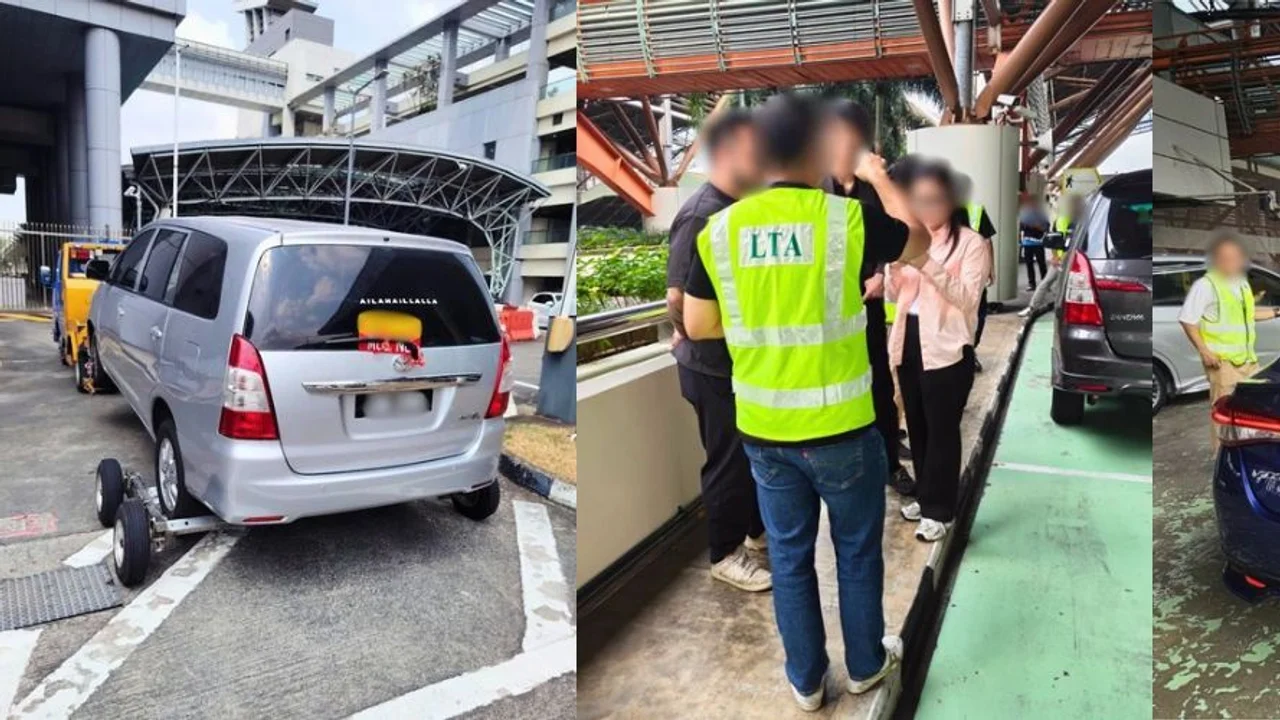
(Photo: Land Transport Authority — We Keep Your World Moving / Facebook)
|
Singapore authorities have continued enforcement against drivers providing unauthorized cross-border ride-hailing services, impounding eight vehicles during targeted operations. Singapore permits cross-border point-to-point passenger services only through authorized operators and licensed arrangements.
WHY IT MATTERS TO REGULATORS: Cross-border ride-hailing creates difficult enforcement issues because licensing, insurance, vehicle and driver requirements can differ between jurisdictions. Singapore's approach provides a useful example for regulators dealing with unauthorized app-based passenger services operating across municipal, state or national boundaries.
Source: The Independent Singapore | Read the Singapore Enforcement Report
|
ROAD SAFETY & TOLL-ROAD OVERSIGHT
Philippines Waives NLEX Tolls and Orders Flood-Response Measures
The Philippines' Toll Regulatory Board ordered measures following severe flooding affecting the North Luzon Expressway. Toll fees are being waived on the affected Pulilan-San Fernando section, while authorities have directed the operator to assist stranded motorists and strengthen flood-mitigation measures.
WHY IT MATTERS TO REGULATORS: The incident illustrates the increasingly important role of transportation regulators in emergency communications, customer protection and continuity of service. Toll-road oversight extends beyond rates and contracts to include extreme-weather preparedness, warnings, closures, toll waivers and assistance to stranded motorists.
Source: Philippine Information Agency | Read the PIA Toll Waiver Announcement
|
RIDE-HAILING & MARKET EXIT
Uber Exits Nigeria After 12 Years of Operations
Uber announced it will cease operations in Nigeria effective September 2, 2026, ending approximately 12 years of service in the country. Nigeria's ride-hailing market has faced increasing operational pressures, including fuel costs, inflation and currency instability, while competition among app-based mobility providers has intensified.
WHY IT MATTERS TO REGULATORS: The withdrawal illustrates the economic and regulatory challenges facing app-based transportation platforms in emerging markets. For regulators, market exits can affect driver livelihoods, passenger access, competition and the continuity of digitally mediated transportation services.
Source: Daily Post Nigeria | Read the report on Uber's Nigeria exit
|
BUS FARES & PUBLIC SUBSIDY
England's £3 Bus Fare Cap Continues Through 2026
The UK's national £3 bus fare cap continues through the end of 2026, while the government has announced that the maximum single fare will fall to £2 beginning January 1, 2027. The current program covers participating bus operators and routes across England.
WHY IT MATTERS TO REGULATORS: National fare caps demonstrate how governments can use direct fare policy to influence public transportation affordability and ridership. The transition from the £3 cap to a planned £2 cap also raises questions about subsidy requirements, operator participation and the financial sustainability of regulated fare programs.
Source: UK Department for Transport | Read the UK Department for Transport fare-cap guidance
|
|
POLICY, OVERSIGHT & REGULATION
USDOT and DHS Launch Major Nationwide Crackdown on CDL Training and Testing Fraud
|
|
Series of actions–including new strike force–reflect the Trump Administration’s commitment to saving American lives on our roads
|
FMCSA announced a major multi-agency enforcement initiative targeting fraudulent and noncompliant commercial driver training and testing. The agency is removing more than 110 Entry-Level Driver Training providers from its Training Provider Registry after linking them to more than 5,000 drivers who failed English Language Proficiency requirements. FMCSA also conducted nearly 400 investigations in 40 states and is launching a nationwide audit of third-party CDL skills testers and state oversight of those testers.
WHY IT MATTERS TO REGULATORS: The initiative puts provider verification, third-party testing oversight, state-federal accountability, credential integrity, and data-driven enforcement squarely in the spotlight. FMCSA says states that fail to correct substantial CDL-program deficiencies can face federal highway-fund withholding and, in serious cases, decertification.
Source: FMCSA | August 31, 2026 | Read the FMCSA announcement
|
Message from IATR President

At the International Association of Transportation Regulators (IATR), our regulators are at the forefront of addressing both the challenges and opportunities facing the mobility paradigm. Our IATR members, partner organizations, and regulated industries will continue on our shared quest to fulfill the mission of our non-profit educational organization - to bring about Multi-Modal Mobility Innovation for All! This mission can best be accomplished through information sharing, collaboration, identifying and promoting best practices, and educating our membership. These educational updates and electronic media clips are affectionately known as “IATR snips” and endeavor to cover all aspects of mobility around the globe - especially news and developments involving safety, technology innovation, multi-modal integration, automation, sustainability, electrification, accessibility, regulatory modernization, and equity.
If you would like more information about the IATR, you can visit our website at www.iatr.global. Current members can renew their memberships when you log in to your IATR portal on the top right-hand side of our website, or click here. If you forgot your membership password, please email us at info@iatr.global.
|
RENEW YOUR MEMBERSHIP FOR 2026
- Weekly news snippets
- Access to the membership database
- Videos and files from recent conferences
- Discounted rates for future conferences, and more!
Renew your membership at www.iatr.global or email info@iatr.global for any questions!
|
|
INTERNATIONAL ASSOCIATION OF TRANSPORTATION REGULATORS
|
|
|
