|
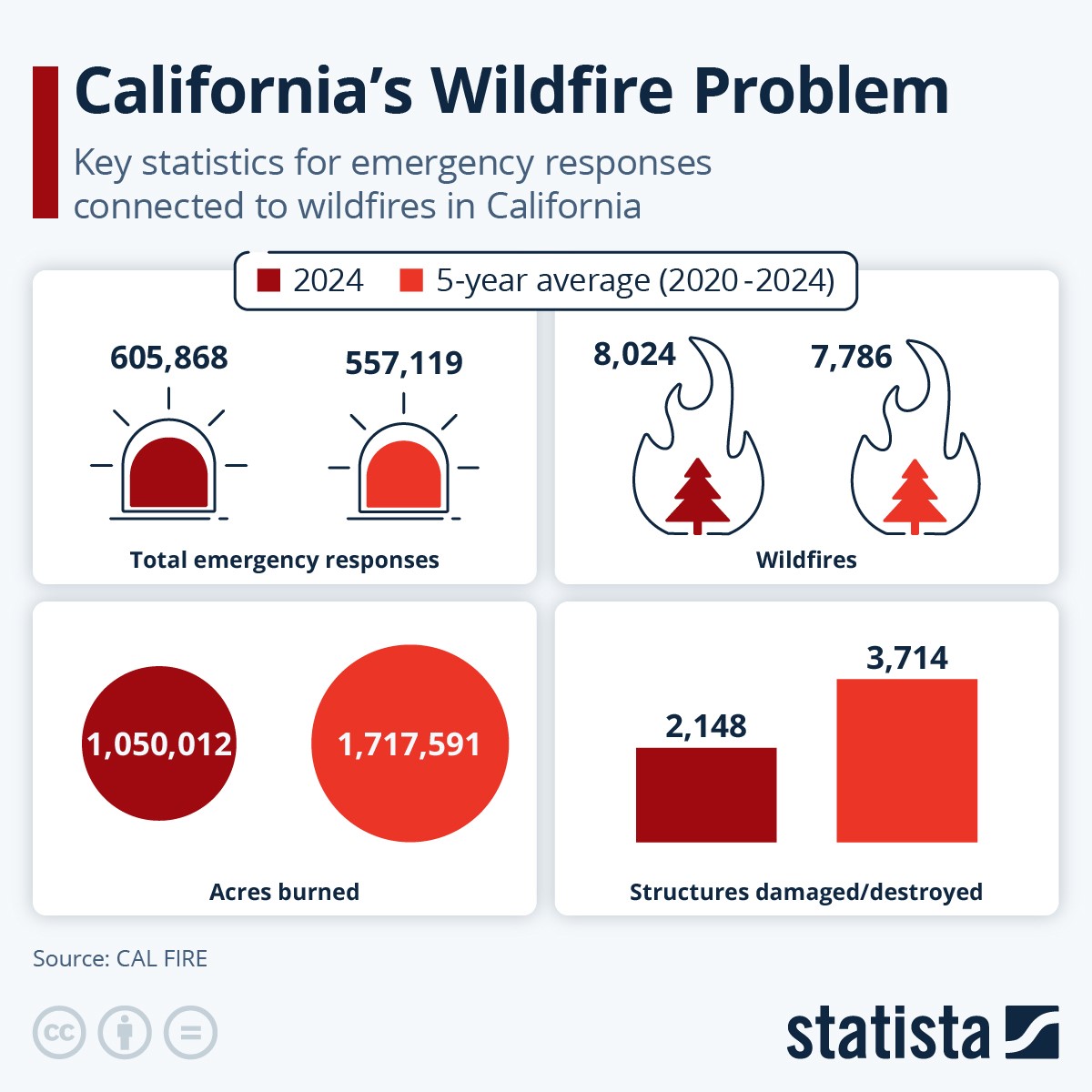
As of 2024
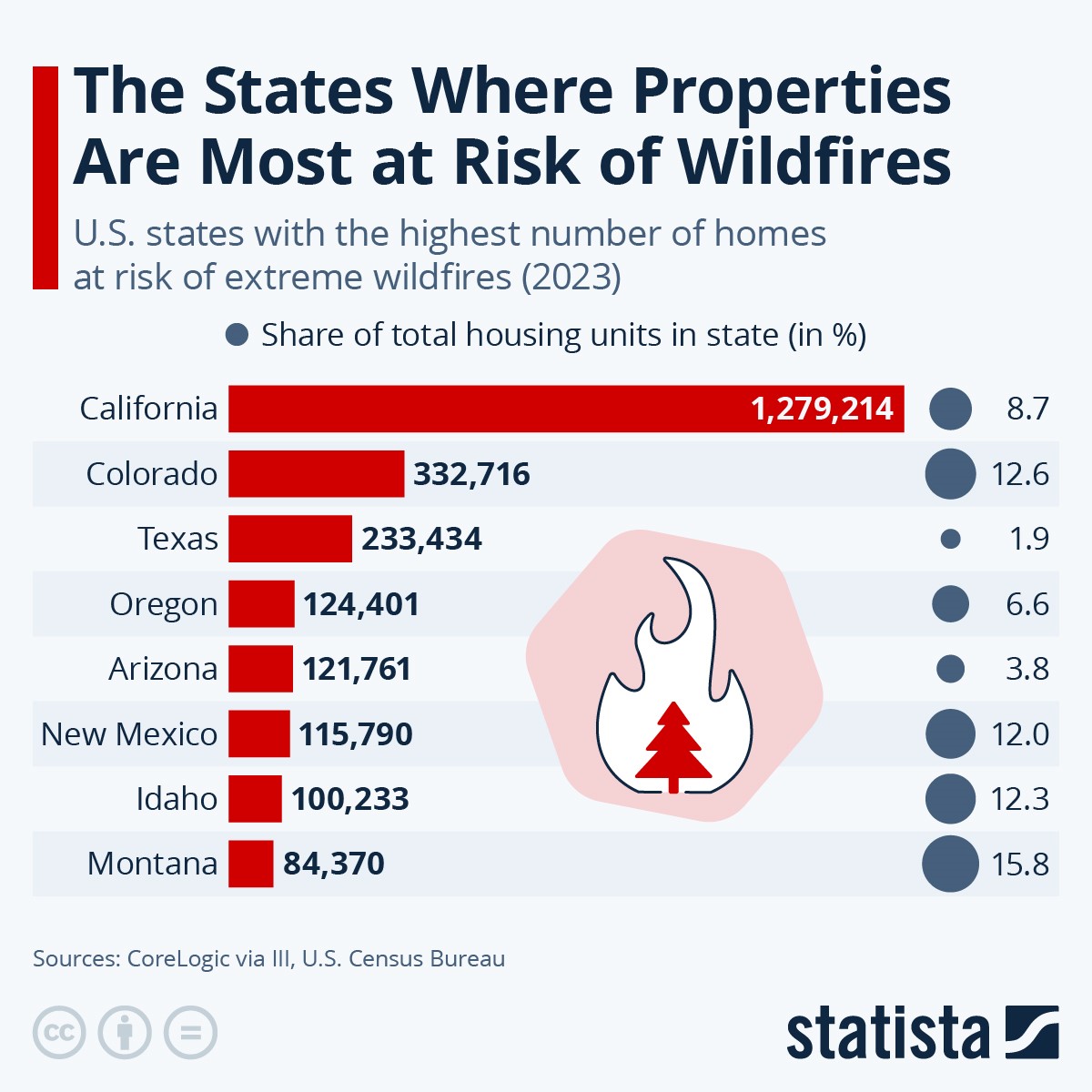
Other states including Nevada have also been faced with insurers pulling out of fire-prone regions — but homeowner risk is not the only problem. Rising insurance premiums and the inability to secure a third-party policy has prompted NV Energy to ask state energy regulators to approve a $500 million wildfire self-insurance policy in case its equipment sparks a blaze.
Other Western state electric utilities have already sought to self-insure in the wake of a series of successful liability lawsuits against utility companies — including a case that drove California’s PG&E into bankruptcy.
Between 2016 and 2020, it is estimated that utility infrastructure caused nearly 20 percent of all wildfires. A variety of state-based solutions have been floated — along with one for a federal backstop consisting of a wildfire fund supported by a voluntary multistate safety program rooted in incentives.
(Editor’s note: Co-author of the federal proposal and Stanford Doer scholar Michael Wara, who studies fire risk in the Mountain West including Northern Nevada, spoke about the proposal and Nevada’s risks at DRI’s wildfire summit last August. The summit’s insurance risk panel discussion included Vice President of Nevada REALTORS® Grant Meyer, a longtime Incline-based resident and real estate broker, who spoke about growing concerns in Washoe County and the Tahoe Basin.)
General Climate Change Risk
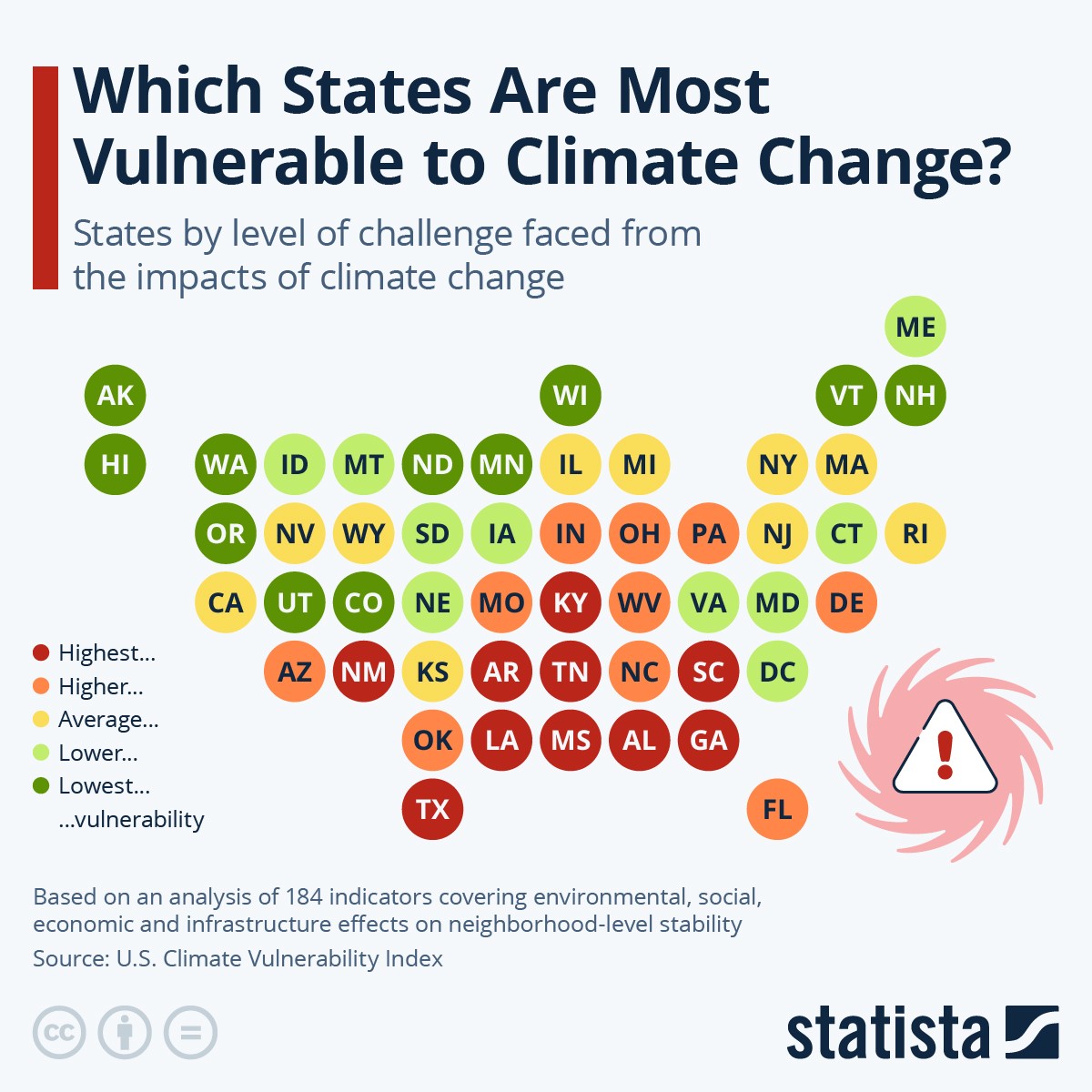
Catastrophic fire is not the only environmental challenge facing the country, underlined by the fact that Mississippi, Louisiana and Alabama are the states with the highest level of vulnerability to the impacts of climate change, according to the U.S. Climate Vulnerability Index (an analysis and ranking by the Environmental Defense Fund and Texas A&M University).
The Index methodology includes and weighs 184 economic, health, and social impacts and as the following chart shows, the southern states, some midwestern states, and New Mexico carry the most risk from climate change:
|