|
The Institute for Educational Leadership (IEL) is excited to announce it has launched a new network for superintendents. For decades, superintendents have played an integral role in our partnerships and have attended our many webinars and conferences, including the annual National Community Schools & Family Engagement Conference.
“As President of IEL and a former Chief of Staff at one of the nation’s largest school districts, I know and believe in the power of superintendents to transform education and strengthen communities,” said Eddie Koen. Now, through IEL’s National Action Commission, we’ve created a national Superintendent Network to support some of our strongest and most promising superintendents across the country committed to place-based strategies that transform districts to support the whole child.
This new network, created after listening to feedback from our networks, joins our nine other role-based networks designed to accelerate the development of adaptive, collaborative, and distributive leadership through peer groups, scaling promising practices through the shared experiences of Community School Professionals and Researchers, District Leaders for Family and Community Engagement, and more. The Superintendent Network provides a space for leaders in this role to connect with a community of peers and take part in exclusive learning opportunities.
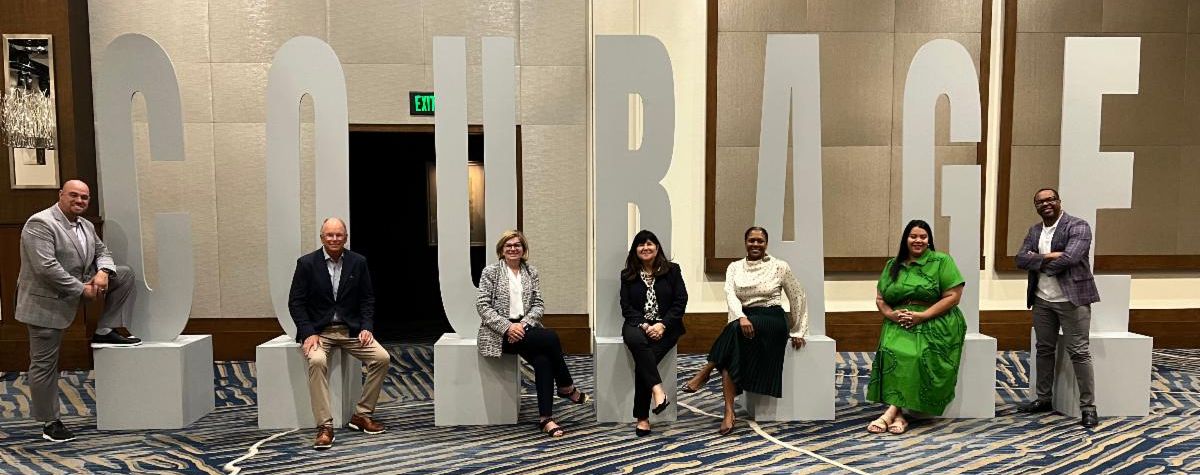
The Superintendent Network officially launched with extraordinary momentum this past weekend at the “SuperCourageous Leadership Retreat at Deloitte University." Known nationally as a premier leadership hub where Fortune 500 executives and global leaders sharpen their vision and strategy, Deloitte University provided a one-of-a-kind backdrop for superintendents to engage in deep learning, peer-to-peer exchange, and executive-caliber leadership development. In partnership with the Cook Center for Human Connection, IEL opened the doors of this powerful experience to district leaders, giving them exclusive access to tools and approaches that are rarely available in K–12 education leadership spaces.
|