|
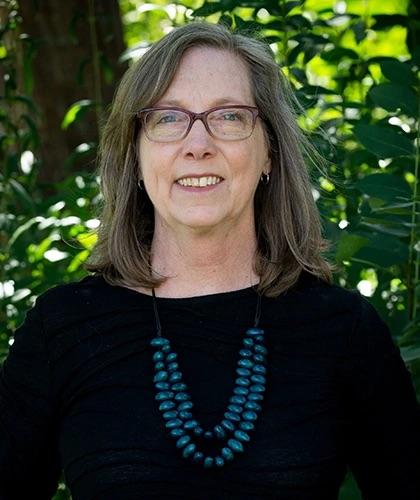
All of that is true, and still many of us have difficulty saying who we are and why we chose and were chosen by Unitarian Universalism. Apparently, this is especially disquieting because it seems some of us feel pressured to offer the perfect, airtight, logical, and soundly intellectual answer in a way that we don’t seem to feel for justifying why we drive a Subaru or like to ski or why we became an engineer or a parent. Somehow when it comes to our faith, we are defensive and a bit guarded.
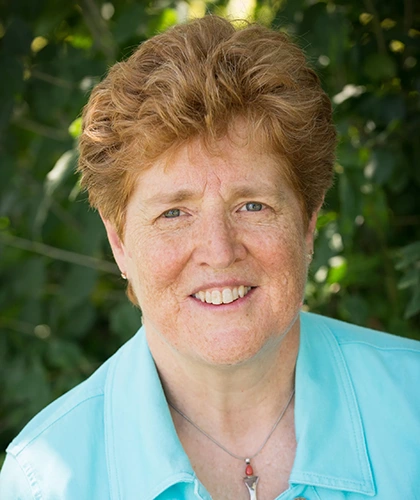
Perhaps these words* might help. “[W]e keep going even when the work is hard and the outcomes are uncertain… Our faith as Unitarian Universalists is not a specific claim about a particular god. It is not found in a single book. It does not rely on claims of our inherent specialness as individuals or as a people. Our faith is messier. Our faith is a belief that we can embrace the common good through how we interact with one another by holding fast to our precepts of inclusion, participation, and nonjudgmental disagreement. Our faith is a practice of intellectual humility, reminding us of our own limitations. Our faith assures us that we are not alone and that we can be part of something greater than ourselves…
The journey is the joy.
The companions are the comfort.
The work is the faith.”
May it be so. Blessings & love,
Rev. Wendy
*adapted from Melissa Harris-Perry’s foreword to Unitarian Universalist Pocket Guide, Rev. Susan Frederick-Gray, editor; 6th edition
| | |
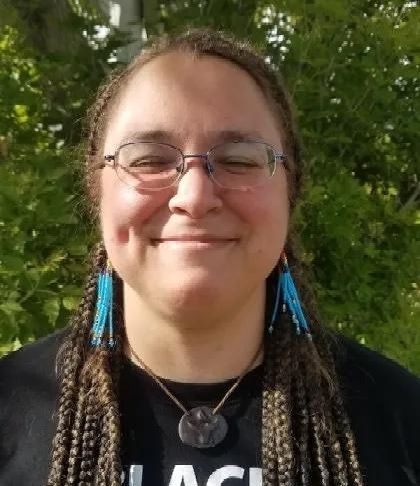
Have you ever wondered how to really, really annoy a Unitarian Universalist minister? A surefire way to get us to roll our eyes, throw up our hands, and mope dejectedly in a corner in deep despondency and existential terror that we’ve chosen the wrong career path entirely? Well, friends, this is your lucky day because I have an answer! There is one surefire way to answer the question, “What is a Unitarian Universalist?” that is guaranteed to make your UU ministers throw our hands up, sigh out loud, and rent our stoles in despair. And that answer is:
“UUs can believe anything they want.”
Ok, I mean, technically, this is true: Since as UUs we don’t require you believe a specific creed, but rather govern our congregations by covenants that guide how we act, one could technically hold the vilest of beliefs in a UU congregation, as long as one acted in accordance with our covenant. One could, in theory, be a white supremacist, for instance, while treating BIPOC congregants respectfully. But practically speaking, this seems…unlikely. Because as Unitarian Universalists, there are some beliefs that we simply cannot hold because they are inconsistent with our values and our theology.
This month, we’re exploring, “What the hell is a UU?” While some of our members are cradle UUs, many of us came to this faith from a different one, or from no faith background. What is our faith identity? How did we come to worship, believe, and do as we worship, believe, and do? What does it mean to be a UU for you individually, and for us collectively?
Our Christian ancestors are those Unitarian and Universalist heretics who rejected ideas of a fallen humanity, of the need for a blood sacrifice for our sins, of irredeemable people, of hell, even of the dichotomy between the sacred and the profane. Those ancestors have bequeathed us a faith tradition that says all souls are worthy, every single one. They believed in a Jesus who, when he named “love your neighbor as yourself” as the second most important commandment (after “love the Lord your God”), meant it.
This month, we’ll be exploring how those radical theologies have shaped who we are as UUs and what we do. As the social justice challenge kicks off, we’ll explore how we came to be a denomination centered on love and interconnection, and how those theologies of interdependence fuel our efforts of salvation for the world in this lifetime. The thing is, I can’t tell you every single way to be a UU. There are so many ways to live out our theology, our history, and our values. But I can tell you where to start: What’s calling to your heart?
Maybe it’s racial and restorative justice, as this administration continues to try to erase Black history and Black people. In that case, maybe try Regan Byrd’s restorative justice training on the 24th, and sign up to write to someone in prison with Church of the Larger Fellowship. Maybe it’s queer and trans folks, who are also facing persecution and erasure. Why not canvas for trans youth on the 4th and attend the gender workshop on the 16th? Maybe it’s our unhoused neighbors, or young people who cannot find adequate housing in our neighborhoods. How about making dinner for unhoused neighbors and touring the new Lakewood Navigation Center on the 17th, or signing up for our next Family Promise week here at Common Flame?
There are, of course, too many opportunities for me to list in this space. Happily, Ray has made a handy list right here.
Please have a look now. Your Common Flame justice teams and I invite you to find what’s calling to your heart, sign up, put it on your calendar, and give it a try. I’ll see you there!
| | |
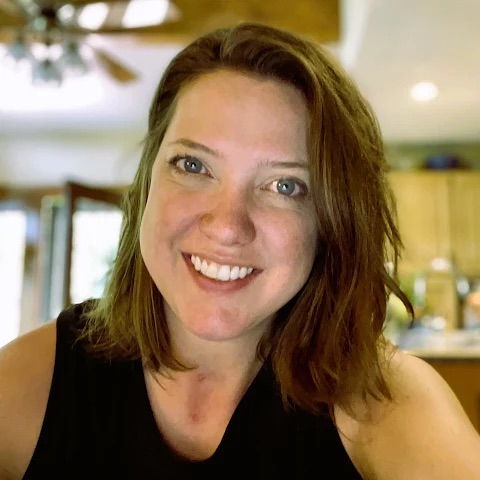
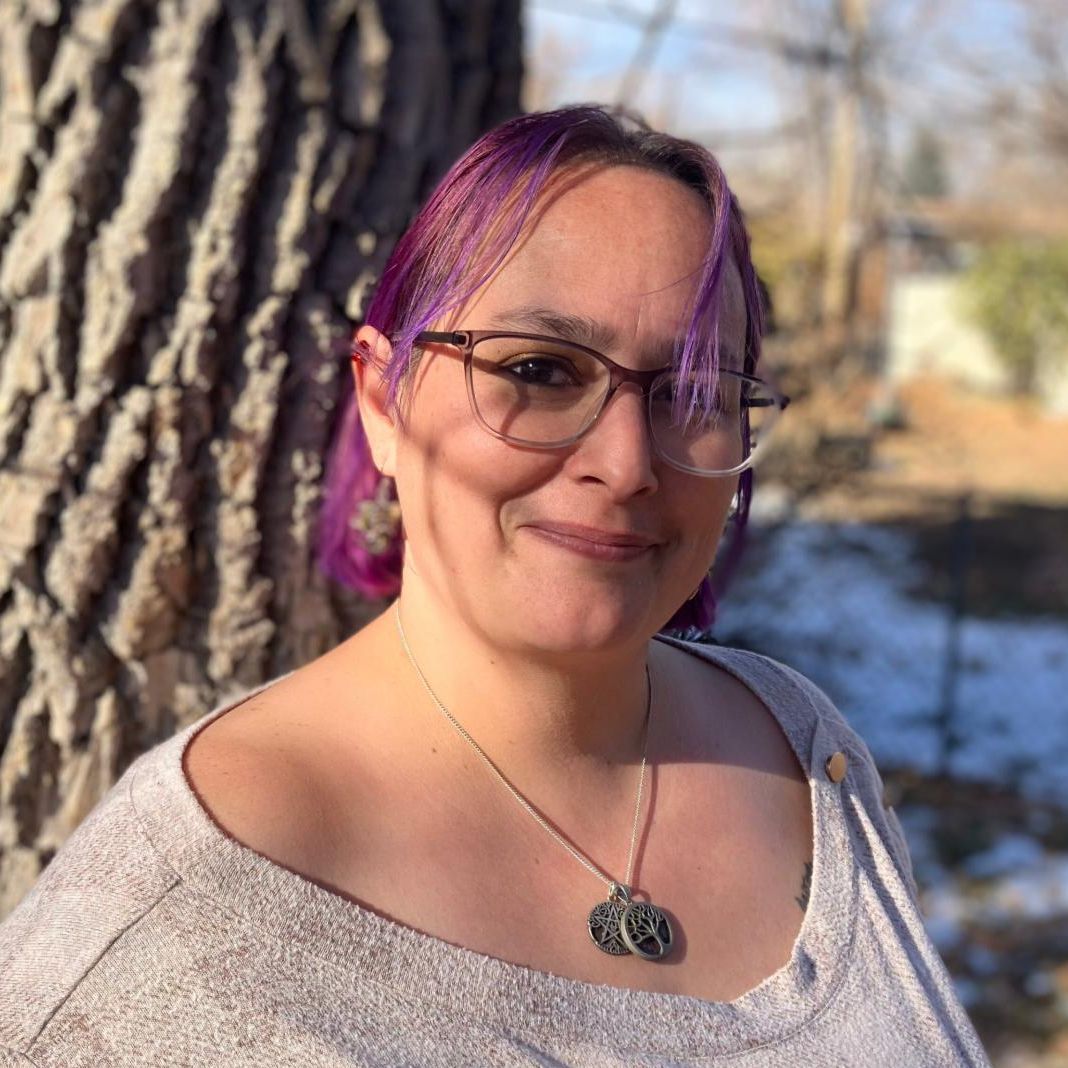
“I have been a Unitarian Universalist my entire life, and I didn’t even know it,” is what I said in my UU Theology class over the summer. “I did not choose this faith; it chose me,” was another musing I had about Unitarian Universalism after I started playing piano for the church in Flagstaff. “Jesus wanted us to create Heaven on Earth,” my mom said to me when I was young, asking those big questions about Heaven, Hell, and where we go when we die.
Being a UU my entire life means I have been trying to live into our values for as long as I can remember. Like many of you, I'm drawn to the strong Social Justice focus in our faith. When we say, “all are welcome,” we truly mean it, live it, and admittedly do it imperfectly. However, when we call ourselves to covenant, we have the ability to repair and restore relationships and harms. That’s the beauty of this faith and what it calls us to do. We live into our values, accept each other for who we are, work to respect our planet and all who inhabit it, and responsibly ponder the mysteries of the universe.
I did not choose this faith. I was a “Christmas and Easter” Catholic, grew up largely unchurched, and decided to be confirmed Catholic in college. I attended church sparingly and fell fully out of attendance by grad school. Fresh out of grad school, I needed money and was told about a position for a UU church in Flagstaff playing piano. I thought, “Sure, why not?” I’d played for the Newman Center on campus, and a Lutheran church here and there. I could play for this little church on an out-of-tune piano. On my first day, I can recall “not feeling the Holy Spirit” in my head, but then Rev. Wendy read a quote from the Bible, and my anxieties eased. As the days, weeks, months, and years went by, I was fully in. I became a member of a church that I loved and found all the goodness in humanity that I could only dream of. When I had to leave that church because of a move, I was absolutely devastated. I committed to being a UU, and I've lived as one ever since.
Creating Heaven on Earth. Yes, please! Our UU ancestors PREACHED this to their communities and inspired Beloved Community. This is what we want. I hope our work in this church brings us closer to it every day. And in this month, we ask, “What the Hell does it mean to be a UU?” We answer it by putting our faith in action. During this month of the Social Justice Challenge, we will have many opportunities to work toward our values, aspire to live in Beloved Community, and grow our hearts. Whether you clean the church kitchen, learn about green practices, attend racial justice rallies, or haul pumpkins for Habitat for Humanity, you are creating Heaven on Earth. And we need it now, more than ever.
| | |
Embracing Change: Being and Doing
by Debby Bower
Of late, I’ve been opening my heart to embrace change. Within our family, both our kids are beginning adventures in new schools: Middle and High School. Big steps. Within our world, I see everywhere the need to counter the narratives of scarcity, fear, and hate with action, inclusion, and love. Big challenges. Within our congregation, we are living into our UU faith and new name, preparing for Wendy’s retirement next June, and taking new stock of our campus as our foundation. Big opportunities.
As I consider these (and so many other) realms of change, a host of questions arise. Who do we want to be as individuals and as a faith community? Who are we called to be? What does the world need us to be? And in this Being, what are we called to Do?
Some years ago, our Board of Trustees worked with the wider congregation to respond to similar questions by discerning our Common Flame mission and values along with eight Ends statements: goals to which we commit. To keep these Ends alive, and serving as true sources of guidance rather than dust collectors in a forgotten document, the Ends have since been utilized in various aspirational and practical ways. For example, the staff’s monthly reports demonstrate how each congregational activity directly aligns to these Ends. Also, the Board annually selects one or two ‘Ends of Emphasis’ that we truly want to move the needle on. For the past few years, the Board’s focus on our third End, to "Accountably dismantle racism and other oppressions in ourselves and our institutions," is what underpinned the analysis and actions to change our name.
This year, as we prepare for profound opportunities and change, the Board has a new focus on three of our eight Ends: the 2nd, 4th, and 8th. “The people of Common Flame, courageously working together to:
- Live into our Unitarian Universalist faith identity, share it with our youth, and model it courageously in the world." (2nd)
- Build a multigenerational, multicultural community that widens the circle of belonging." (4th)
- Share our time and resources to sustain the church’s ministry now and for the future." (8th)
In simple terms, I think of these three Ends as what makes us…
- Us (our UU faith)
- Us in the world (how we model, share, and live our UU values), and
- Able to be us (financially solid and sustainable).
These Ends are key efforts we commit ourselves to, things we do, courageously and together, to make real our faith, to address the needs of our congregation, community, and world, and to be Unitarian Universalists. Please give real consideration to how you can help build our Common Flame community with mutual accountability, share your stories and learn those of others, sustain our church home financially, promote justice, celebrate and release Wendy as our Senior Minister,
live and model our faith and values, and enhance love and belonging. Here’s to both being and doing as UUs committed to each other and our wider world.
| |
Oy, Ric! Thank you!
Many of you know our Caretaker Ric. To know him is to love him. He started working here in 2020, and wow, was that a good hire.
I could sing his praises for so many things, but one stands out right now. We have an absolutely gorgeous fountain in the Meditation Garden (you can see it through the windows in the chapel hall). It has been inoperable for many years – since at least 2019, and maybe longer. I had given up hope on it. A few weeks ago Ric asked me if I’d like him to fix it. I didn’t know he could do that!!!! But he did it!!!!!! (Yes, those exclamation points are warranted.) Go spend some quiet minutes out there enjoying it.
What does Ric do?
Ric does so many things behind the scenes for this congregation. He literally sorts through the compost and recycling to make sure it doesn’t get contaminated. He cleans up messes that are left behind. He rearranges furniture almost every day. He fixes things. He takes all of the random stuff that shows up here to the thrift store. He spends tons of time working on our landscaping. He shovels snow – if we ever get any again. He loads toilet paper. The list is long.
What can you do for Ric?
If you see him, thank him. He will probably get a little embarrassed, but that’s ok. Also, clean up after yourself. Put things away. If there is a spill, please make your best attempt to clean it up, and let us know about it. Look at the signs on the waste receptacles before you toss something in (if you don’t understand where something belongs, ask someone for help). Don’t donate items to the church without asking first to make sure we need/want them. Clean up after yourself (did I already say that?).
Thank you Ric!!!!!!!!!!
| | |
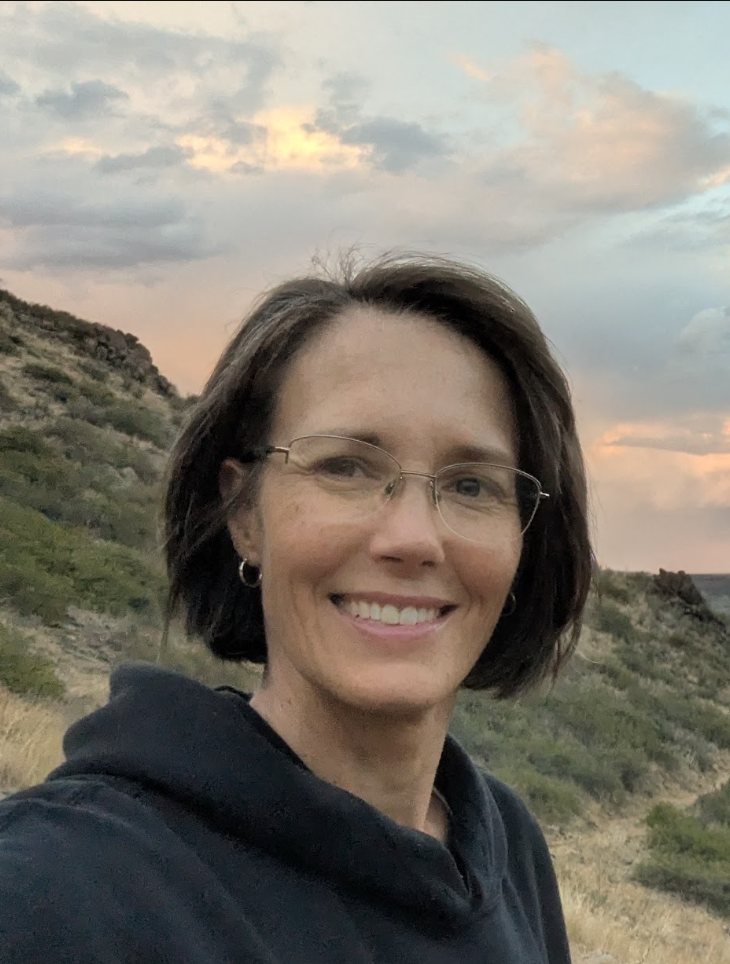
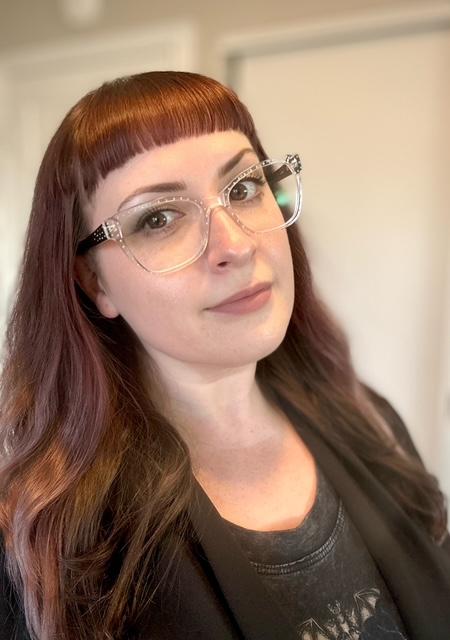
I was raised conservative Christian, in a home where sin and hell were very real. Talking back could put you on a dangerous path. Asking too many questions was not always encouraged. There were right ways to believe, right ways to behave, and some pretty serious consequences if you got it wrong.
As I got older, I learned something that honestly surprised me: some religious communities thought questions were good. Respectfully pushing back, changing your mind, and wrestling with hard ideas could actually make a community stronger. That was a big shift for me. I had grown up thinking belonging meant fitting inside the lines. Suddenly, I was learning that belonging could also mean being trusted enough to question them.
That is one of the things I love about Common Flame. It is not that anything goes. Our values ask us to care about how we treat people, repair harm, and try to do good. But we are also human, and humans make dumb choices sometimes.
One of my favorite ideas in the tv show: "The Good Place" is that the moral point system became so complicated that even buying a tomato could help send you to the Bad Place. Eventually, nobody was good enough. That sticks with me because, if belonging requires perfection, eventually nobody belongs.
For me, Common Flame offers a different way to think about community. If we really believe in the inherent worth and dignity of every person, then dignity is not something we earn by getting everything right. We can make mistakes, disagree, grow, repair, and still remain in relationship.
Maybe the work of community is not waiting until we know exactly what we are doing. Maybe it is showing up anyway. Signing up before we feel completely ready. Walking into the room even when we are anxious. Trying something, getting part of it wrong, and learning as we go.
Anxiety is real. So is the fear of saying the wrong thing, joining the wrong group, or not knowing anyone. But being brave enough to push through some of that and participate is part of how community gets made. A person in the room, willing to connect and contribute, will gain and give far more than someone waiting to become perfectly prepared.
We do not have to do community perfectly. We just have to keep choosing to be part of it. This is one of the reasons I keep saying, sign up, show up, and then do it again. That is how Common Flame builds community.
| |
A Powerful Love
by Tara McKinster
Leadership Nomination Committee
My first step into volunteering at Common Flame was tentative: signing up to serve as an e-helper and pastoral care connector. Unsure of what I was truly capable of, or whether I was the right fit, I took the leap anyway. That decision proved fundamentally life-changing. My first month as a connector coincided with one of the busiest periods the ministry had seen in a while, forcing me to adapt quickly. Though the work was demanding, it felt effortless because it expanded my capacity for compassion. Connecting individuals with the care they needed revealed a new part of myself: a spirit healing through intentional service and relational leadership. Empowered by that experience, I eagerly embraced new opportunities to serve. When I was asked to join LNC (Leadership Nominating Committee) I excitedly accepted.
Serving this beloved community has deepened my Unitarian Universalist faith by inviting me to live our shared values in real time. When you offer your time to Common Flame, you never walk alone; a whole web of support surrounds you. Together, we build new connections, cultivate new skills, and strengthen our spiritual bonds with each other and within ourselves.
I profoundly believe in the transformative power of giving back. Pouring one's heart into meaningful action grounds us in purpose, relieves isolation, and fosters resilience. Truly, doing good does the heart good.
Through various volunteer roles, I have witnessed firsthand our congregation’s deep devotion to cultivating a sacred, radically welcoming space. New committees continually emerge to widen access, champion inclusion, and create gatherings that honor our interdependence. Each role connects you with people you might not otherwise meet. As Rev. Wendy recently reminded us, we gain the precious opportunity to be alongside people we didn't choose, opening ourselves to loving them and being loved in return. Engaging diverse perspectives has reshaped how I view community collaboration and problem-solving, teaching me that our collective wisdom is far richer than any single vantage point.
I hope my journey offers a beacon of light for others, a gentle encouragement to lend our light wherever it is needed. Love is its own spiritual reward, found not merely in what we receive, but in the love we choose to embody and give away. While I once questioned my capacity to love beyond my immediate circle, I now recognize that my love is powerful, and yours is too. How might your powerful love help grow, shape, and transform this community? There is only one way to find out.
| | | | |