The Institute for Health Equity Research, Evaluation & Policy | | IHE Celebrates Community-Driven Diabetes Care & Management at Community Health Centers | | |
This November, the Institute for Health Equity Research, Evaluation, and Policy, Inc. (IHE) is observing World Diabetes Day.
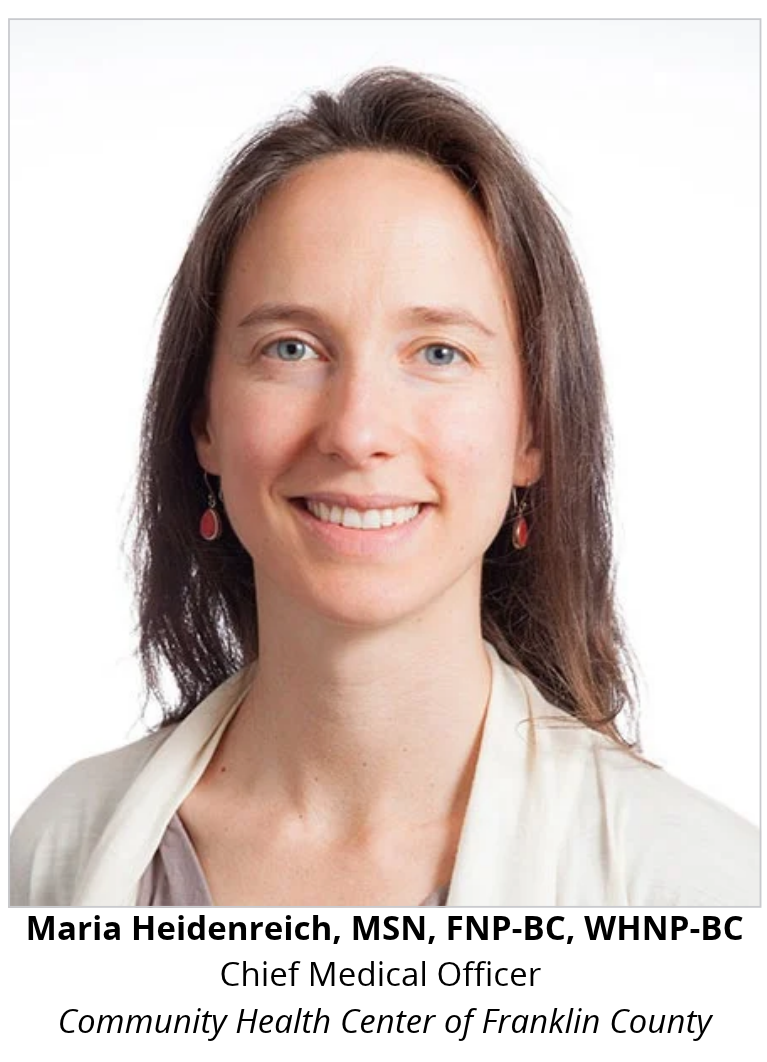
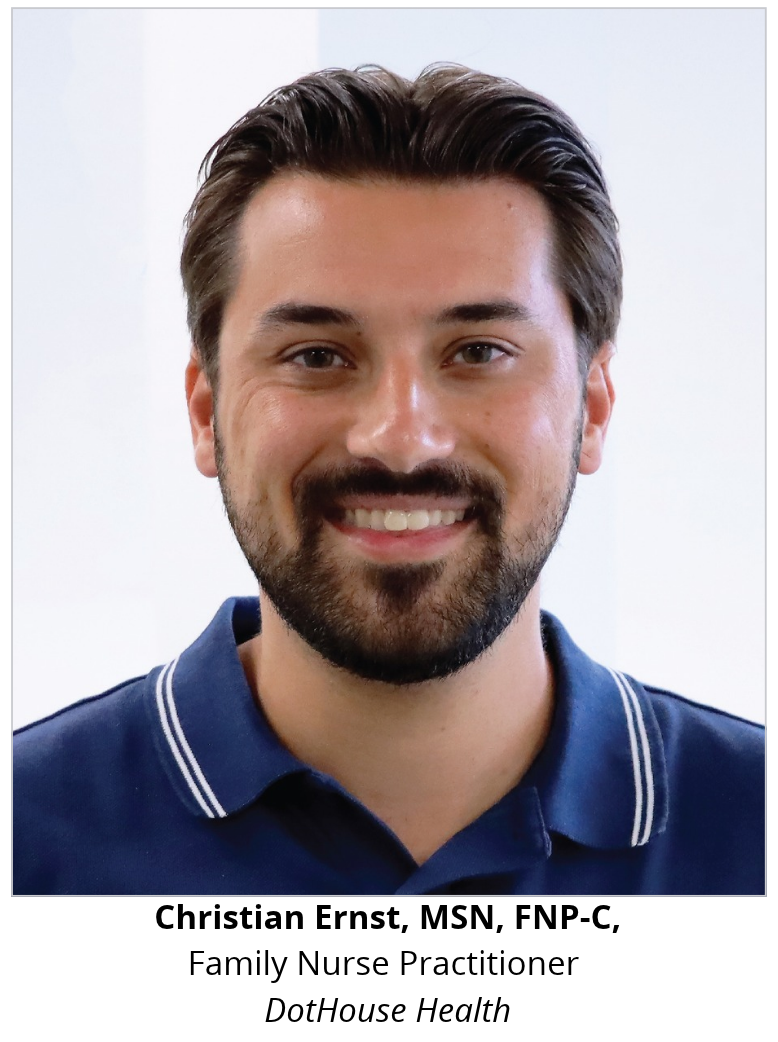
Regarding diabetes care and management services at community health centers, we interviewed Christian Ernst, NP, Diabetes Management provider at DotHouse Health in Dorchester, and Maria Heidenreich, MSN, FNP-BC, WHNP-BC, Chief Medical Officer at Community Health Center of Franklin County serving four locations across Franklin County, Massachusetts.
In the interview, we hear about community-driven care design and delivery, health center-led science in action, setting priorities with the community, and driving innovation and impact while looking ahead.
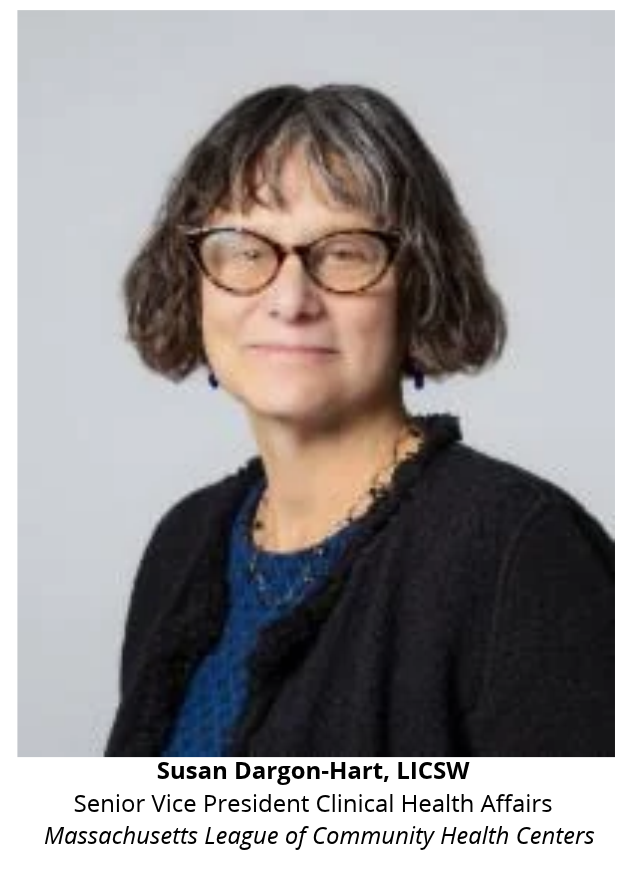
We are also featuring the work of Mass League Diabetes Management, Training, and Technical Assistance Initiatives, led by Susan Dargon Heart, LICSW, and the Mass League Clinical Health Affairs team.
| | World Diabetes Day is November 14 | |
World Diabetes Day (WDD) is the world’s largest diabetes awareness campaign reaching a global audience of over 1 billion people in over 160 countries. It is marked every year on 14 November, the birthday of Sir Frederick Banting, who co-discovered insulin along with Charles Best in 1922.
WDD was created in 1991 by International Diabetes Federation (IDF) and the World Health Organization and became an official United Nations Day in 2006 with the passage of United Nations Resolution 61/225.
| |
The Importance of Community-Driven Diabetes Care & Management at Community Health Centers
An Interview with Maria Heidenreich, MSN, FNP-BC, WHNP-BC, of Community Health Center of Franklin County, and Christian Ernst, NP, of DotHouse Health
| | IHE: How has the community you serve shaped the way your center designs and delivers diabetes care, education, or services? Please share a change you made because of community input, such as feedback, lived experience, or partnerships. | |
Maria Heidenreich: At Community Health Center of Franklin County (CHCFC), we are completing a diabetes care study exploring how continuous glucose monitoring (CGM), paired with education and remote monitoring, can support patients with type 2 diabetes and elevated A1c. CGM allows patients to see glucose patterns throughout the day and understand how food and activity affect their levels.
Patients’ experiences helped motivate this work. They commonly described frustration with obtaining glucose-monitoring supplies and the difficulty of checking blood sugar several times a day. Our nurse (RN) diabetes educator also encountered insurance restrictions that prevented some patients from accessing CGM, even when our team believed it could help them. CHCFC has worked with MAVEN Project for more than a decade, receiving clinical consultations, mentoring, and education for our primary care providers. When MAVEN shared endocrinologist Dr. Sushma Reddy’s request for research collaborators, we welcomed the opportunity to address these needs.
The study offered eligible patients access to CGM regardless of insulin use, alongside education and remote monitoring by our team.
Christian Ernst: The diverse community we serve at DotHouse Health in Dorchester has strongly shaped how we approach diabetes care at our health center. We care for a large population of immigrant patients representing a variety of cultural backgrounds, languages, and food traditions. We recognize that effective diabetes management requires more than simply recommending dietary changes; it requires understanding our patients’ lived experiences, cultural practices, and daily realities. Rather than asking patients to abandon familiar foods, we tailor nutritional counseling to incorporate the foods they already eat and identify realistic, sustainable modifications that support glycemic control. We also emphasize small, incremental changes to nutrition, physical activity, and other lifestyle habits, recognizing that meaningful, lasting change takes time and that recommendations must be feasible within each patient’s circumstances. This individualized approach allows us to provide diabetes education that is culturally responsive, practical, and relevant to the people we serve.
| |
Recognizing that some patients with type 2 diabetes continued to struggle with glycemic control despite routine primary care follow-up, we developed a dedicated diabetes clinic to provide more intensive, individualized support. This clinic focuses on patients with an A1c greater than 9% who may benefit from more frequent follow-up and additional time devoted to diabetes management. The model allows clinicians to provide more in-depth diabetes education, assess barriers to treatment, and make timely adjustments to medication therapies, including insulin and GLP-1 receptor agonists.
By creating a space for more frequent touchpoints and focused diabetes management, we can better meet the needs of patients with complex treatment regimens while supporting them in making sustainable changes. This approach reflects our commitment to adapting our services to the needs of our community and ensuring that patients who require additional support have access to it within the primary care setting.
| | |
IHE: How has science led by your health center (research, quality improvement, or data and evaluation) shaped a program or service? What did you learn, and what changed as a result?
MH: Participating in the study mentioned above changed how I practice diabetes care. I cared for several participants and was struck by how quickly their A1c levels improved. Patients engaged with their CGM readings and began adjusting food choices and activity as they learned how their bodies responded. Interim findings presented at the American Diabetes Association Scientific Sessions showed a model-estimated A1c reduction of 1.59 percentage points and an increase in time in the target glucose range from 61% to 74.4% at 12 weeks. The original study is now winding down, with a few participants still enrolled.
Before the study, I had never initiated CGM without an explicit recommendation from our diabetes educator. Now, I routinely recommend it to patients with diabetes and am much more comfortable interpreting glucose patterns and discussing interventions based on their data. Education and team support were important components, and the study cannot isolate the contribution of CGM from those supports. In my clinical experience, however, access to CGM stood out as a particularly important catalyst for patient engagement and self-management.
CE: Our health center’s quality improvement work is driven by the recognition that we cannot improve outcomes equitably without first understanding where disparities exist within our own patient population. As part of this year’s Performance Improvement Committee (PIC) initiative, we reviewed our diabetes quality data and identified disparities in glycemic control among our Black and Hispanic patients. In response, we established a goal of improving the percentage of patients in these populations achieving an HbA1c below 9% by 10%. This project reflects our commitment to using data not only to measure overall clinical performance, but also to identify gaps in care and direct improvement efforts toward the patients who may need additional support.
A key component of this initiative is the involvement of our population health team, which is working to proactively identify and engage patients with persistently elevated A1c levels or gaps in care. The team will reach out directly to patients to provide guidance and support, facilitate follow-up appointments, and help reconnect patients with their primary care team and our dedicated diabetes clinic when more intensive management is needed. They will also help address barriers that can interfere with diabetes care, including insurance coverage and affordability, by connecting patients with financial counseling to help ensure their insurance remains active and that they can access the care and medications they need. Alongside these efforts, we will prioritize more frequent clinical touchpoints, individualized diabetes education, and timely medication adjustments. Through this collaborative, data-driven approach, we aim to improve glycemic outcomes, reduce disparities in care, and better understand how proactive outreach and coordinated support can help our patients achieve improved diabetes control.
| | |
IHE: What guides your decisions about which research questions to pursue and which programs or services to develop or expand? How does the community help set those priorities?
MH: Our priorities begin with listening to patients every day in clinic. They tell us what makes managing their health difficult, and we continually look for practical solutions. Those conversations help us identify gaps in care and consider which programs or research opportunities could make a meaningful difference in their daily lives.
Our CGM study illustrates how that process works: concerns raised in routine care helped us recognize the value of a research partnership when the opportunity arose. When considering a project, we ask whether it addresses a problem our patients are actually facing and whether what we learn can translate into care they can access and use. Everyday conversations with patients are an important way our community helps shape that work.
|
 | | CE: Our decisions about which quality improvement initiatives to pursue and which programs to develop or expand are guided by a combination of our clinical experience, data from our patient population, and feedback from the patients we serve. Our diverse community has helped us recognize that effective diabetes management requires more than prescribing medications or providing standard lifestyle recommendations. Patients have shared the importance of having access to resources that reflect their needs, including culturally appropriate food resources, accessible appointments, and diabetes technologies such as continuous glucose monitors and automated insulin delivery systems. We also recognize the importance of listening to patients’ preferences when developing treatment plans. For example, when a patient is hesitant to use injectable medications, we work to understand their concerns, explain the benefits of different treatment options, and identify an effective regimen that they feel comfortable following. We believe that treatment plans are most effective when patients understand their condition, feel empowered to participate in decisions, and can realistically incorporate recommendations into their daily lives.
These insights have directly influenced how we design and expand our diabetes services. Recognizing that some patients with type 2 diabetes need more support than routine primary care visits can provide, we developed the aforementioned dedicated diabetes clinic that allows for more frequent appointments, additional time for education, and closer medication management. We also prioritize connecting patients with resources that address practical barriers to diabetes self-management, including access to culturally relevant food options and diabetes technology. In parallel, we use our health center’s quality data to identify gaps in care and determine where targeted improvement efforts are needed, such as our current initiative to reduce disparities in glycemic control among Black and Hispanic patients. Ultimately, our community helps shape our priorities through the experiences, preferences, and challenges patients share with us every day. By combining these insights with clinical data and ongoing evaluation, we strive to develop services that are responsive to our patients’ needs, respectful of their individual circumstances, and more likely to support sustainable improvements in diabetes outcomes.
IHE: What innovation or approach in diabetes care or health education are you most proud of? What difference has it made for the people you serve, especially in reducing inequities? Looking ahead, what question, program, or opportunity do you hope your center will take on next in diabetes care and chronic disease management? What would help make it possible?
| |
MH: I am most proud of helping make CGM available to patients who might otherwise have been unable to access it. Seeing patients use their own glucose data to understand the effects of food and activity—and make changes themselves—has been one of the most rewarding aspects of this work. The study addressed one concrete access barrier by making CGM available to eligible participants regardless of insulin use. That experience reinforced the importance of addressing coverage barriers alongside improving care.
Looking ahead, we are planning to participate in an IRB-approved follow-up study establishing a diabetes quality improvement collaborative across safety-net clinics, with a kickoff meeting planned for December. We hope to learn how this approach can become a sustainable part of routine care in settings with different staffing and resources. Broader insurance coverage for CGM would make the greatest difference in expanding access for our patients. Research can help us understand the benefits and implementation needs, but patients need continued access beyond a study to sustain those opportunities for self-management.
CE: One of the innovations we are most proud of is the development of our continuous glucose monitoring (CGM) and automated insulin delivery (AID) programs for patients with type 2 diabetes. Recognizing that access to diabetes technology can be limited by language barriers, health literacy, and the availability of specialized support, we have built a robust CGM program in collaboration with our population health team. This team assists with device placement, initial education, and ongoing re-education in multiple languages, helping patients overcome barriers to using this technology.
We have also developed an insulin pump program for insulin-dependent patients with type 2 diabetes, providing an alternative to multiple daily insulin injections while supporting more effective diabetes management. Our population health team plays an important role in this program as well, helping patients with follow-up, troubleshooting, and challenges that arise during pump use. By pairing technology with accessible, ongoing support, we are working to make advanced diabetes care available to patients who might otherwise face barriers to accessing or successfully using these treatments. Our experience has reinforced that patients with diverse backgrounds and varying levels of health literacy can benefit from these technologies when they receive appropriate education and support.
Looking ahead, we hope to expand access to AID systems beyond our dedicated diabetes clinic and make this technology available to more eligible patients throughout our health center. Achieving this goal will require continued collaboration between primary care providers, our diabetes clinic, and our population health team. An important next step is to build primary care providers’ confidence in identifying appropriate candidates and prescribing this technology by sharing our clinical experience, lessons learned, and patient outcomes. As more providers become familiar with these systems and see how patients can use them successfully, we hope adoption will expand across the health center. Continued support for clinician education and dedicated population health resources for patient education and follow-up will be essential to sustaining this work.
Ultimately, our goal is to demonstrate that advanced diabetes technology can be implemented successfully in a community health center and made accessible to a broader, more diverse population, helping reduce inequities in diabetes care.
| | |
Maria Heidenreich, MSN, FNP-BC, WHNP-BC, is Chief Medical Officer at Community Health Center of Franklin County, where she oversees medical and behavioral health services across three sites in rural western Massachusetts. She joined CHCFC in 2013 and has served as Chief Medical Officer since 2016 while maintaining an active primary care practice. Board-certified in family practice and women’s health, she earned her Master of Science in Nursing from the University of North Carolina at Chapel Hill. Her work focuses on improving access, advancing integrated care, and supporting clinical teams in delivering high-quality, patient-centered care. Learn more about Community Health Center of Franklin County.
Christian Ernst, MSN, FNP-C, is a board-certified Family Nurse Practitioner with expertise in managing complex type 2 diabetes in the primary care setting. At DotHouse Health, he co-runs a specialized diabetes clinic, providing comprehensive care for patients with difficult-to-control type 2 diabetes. His clinical interests include optimizing diabetes management through evidence-based medication therapy, continuous glucose monitoring (CGM), and advanced diabetes technologies. He has extensive experience initiating and training patients on automated insulin delivery (AID) systems for individuals with type 2 diabetes, while providing individualized education and support to improve long-term glycemic outcomes. Learn more about DotHouse Health.
|
Mass League Diabetes Management, Training, and Technical Assistance Initiatives | To support health centers in improving patient health outcomes and ensuring equity in diabetes care for all Massachusetts residents, the Mass League offers a variety of technical assistance opportunities and resources: Diabetes Equity Analysis, Diabetes Champion Toolkit, Diabetes Driver Diagram, and Diabetes Resource Library. | |
Last year, four health centers (Codman Square Health Center, DotHouse Health, Duffy CHC, and Lynn CHC) selected patients at their health centers with uncontrolled A1C levels to participate in a diabetic clinic focused on bringing A1C levels down via the use of automatic insulin delivery. They screened patients in primary care, introduced the technology, and taught the patients how to utilize the technology at home. CHCs were able to offer troubleshooting and performed weekly check-ins with the patients. While delayed, plans are underway to continue this work for another year. DotHouse, Duffy CHC and Lynn CHC will continue this work again, focusing on automatic insulin delivery, with the ultimate goal of stabilizing A1C levels.
Since November of 2025, the Mass League Clinical Quality Diabetes Management Initiatives has offered the following programs for Community Health Workers (CHWs) and other clinical staff who are Diabetes and/or Hypertension Champions at health centers:
- Journey to Integrated Team-Based Care - November 2025
- Communication Strategies: How CHWs Can Effectively Present Cases to Care Team Members - April 2026
- Advancing Cardiovascular Health in Massachusetts: Public Health and American Heart Association Initiatives - April 2026
- Supporting Diabetes Self-Management for Older Adults: Lessons from the PACE Model - May 2026
- UDS Health Outcomes and Disparities Equity Report Review - May 2026
- Meeting Patients Where They Are: Foundations of Diabetes Care and Patient Education (Part 1) - May 2026
- Making Data Meaningful: Lifestyle Change and CGM in Primary Care (Part 2) - June 2026
- Chronic Disease Management: How CHWs Can Use Motivational Interviewing to Coordinate Care - June 2026
- Real-World Medication Management: Diabetes Pharmacotherapy in Community Health Centers (Part 3) - June 2026
The Mass League is planning two upcoming learning sessions. Both are in partnership with DPH. The first is taking place on December 9th. The title is: Chronic Disease and Treatment for Tobacco Use: Opportunities for Helping Patients. The other is taking place January 20th and titled Blood Pressure Self-Monitoring and Stroke Education. The first is Diabetes focused and the second hypertension. There will be an additional two planned learning sessions, taking place by June 2027. To stay up to date on programming like this or to sign up for the listserv, please reach out to Maya Pantaleon (mpantaleon@massleague.org).
| | |
The Mass League is also expanding its diabetes initiatives through a new collaboration between its Clinical and Health Center Controlled Network (HCCN) teams and the American Diabetes Association (ADA). This grant-funded initiative will focus on increasing the use and adoption of continuous glucose monitors (CGMs) across community health centers throughout the Commonwealth. Through this work, the Mass League aims to support health centers in incorporating CGM technology into diabetes care, strengthening clinical workflows, and helping care teams use glucose data to inform treatment decisions and support improved patient outcomes. For more information about this initiative or opportunities to participate, please contact Maya Pantaleon (mpantaleon@massleague.org) and Casey Squier (CSquier@massleague.org).
Mass League Clinical Quality Diabetes Management Initiatives is led by the Mass League Clinical team, led by Susan Dargon-Hart, LICSW, Senior Vice President of Clinical Health Affairs.
Learn more about the Mass League's Diabetes Management, Training, and Technical Assistance Initiatives.
| | Featured Programs & Resources at Massachusetts Community Health Centers | | |
Community health centers offer critical programs, services, and research for Diabetes care management. Below is a selection of just some of the offerings at Mass League member community health centers across Massachusetts:
Baystate Health - Springfield
- Proyecto Mama: Research study conducted by Umass Amherst and Baystate Medical Center on ways to delay or prevent type two diabetes. Many different behaviors may help to reduce the risk of type two diabetes
- Randomized Trial of a Postpartum Diabetes Prevention Program for Hispanic Women: Study compared general health and wellness to nutritional and physical activity lifestyle changes to reduce risk of type two diabetes
-
Learn more.
| | |
Community Health Center of Franklin County, Greenfield, and Orange
- Diabetes Education: Offer education and support in all areas of diabetes care and management for all types of diabetes including Type 1 Diabetes, Type 2 Diabetes, Pre Diabetes and Gestational Diabetes. They use the American Association of Diabetes Educators 7- healthy behaviors: healthy eating, being active, monitoring, taking medication, including insulin, problem solving, healthy coping and reducing risks
-
Learn more.
| |
Geiger Gibson Community Health Center, Dorchester
- Nutrition Services: Nutritionists (Registered Dietitians) & Certified Diabetes Care and Education Specialists offer one-on-one counseling to help patients review current nutritional status, set achievable goals, create personalized plans to improve overall health, weight management, heart health, diabetes, digestive diseases and food allergies, kidney disease, pregnancy/preconception nutrition, and general healthy eating and lifestyle habits
-
Learn more.
| |
Harbor Community Health Center - Dennis, Hyannis, and Plymouth
- Nutrition Services: Nutritionists (Registered Dietitians) & Certified Diabetes Care and Education Specialists offer one-on-one counseling to help patients review current nutritional status, set achievable goals, create personalized plans to improve overall health, weight management, heart health, diabetes, digestive diseases and food allergies, kidney disease, pregnancy/preconception nutrition, and general healthy eating and lifestyle habits
-
Learn more.
| |
Harvard Street Neighborhood Health Center, Dorchester
- Nutrition Services: Helps with diabetes (type 1 and 2), lipid disorders, hypertension, chronic kidney disease, pregnancy, abnormal weight changes, nutrient deficiencies, and many others
-
Learn more.
| |
Haverhill Family Health Center
- Nutrition Services: Nutritionists (Registered Dietitians) & Certified Diabetes Care and Education Specialists offer one-on-one counseling to help patients review current nutritional status, set achievable goals, create personalized plans to improve overall health, weight management, heart health, diabetes, digestive diseases and food allergies, kidney disease, pregnancy/preconception nutrition, and general healthy eating and lifestyle habits
-
Learn more.
| |
HealthFirst Family Care Center, Fall River
- Care Management of Chronic Diseases: Holistic approach to treating chronic diseases such as asthma, diabetes, and heart disease. Patients work with a combination of providers to develop treatment plans and goals
-
Learn more.
| |
Holyoke Health Center, Holyoke, Chicopee, and Westfield
- Nutrition & Diabetes: Comprehensive patient centered approach to empower people living with diabetes to be an expert on their health and chronic disease
-
Learn more.
| |
Manet Community Health Center, Attleboro, Hull, Quincy, and Taunton
- Diabetes Education: Diabetes Self-Management Education Program teaches self-care skills that promote better day to day management and help to reduce acute and chronic complications and hospitalizations. Education program covers topics such as diabetes disease process, nutrition, physical activity, medications, blood sugar monitoring, preventing, detecting and treating complications, goal setting and problem solving, and stress management
- Nutrition Services: Services include nutrition counseling and education for patients with a variety of chronic health conditions, including high cholesterol, hypertension, prediabetes, gastrointestinal problems such as GERD and IBS, Celiac Disease, food allergies, lactose intolerance, eating disorders, and weight management issues
-
Learn more.
| |
New Bedford Community Health
- Diabetes Program: Certified diabetes educators, dieticians, and nurses help you address common concerns with diabetes and address topics such as how food impacts your blood sugar, food choices that help you better control your blood sugars, meal planning and recipes, goal setting to help you reach your health goals, medication options, how to use a glucometer, and foot care
- Nutrition and weight management program: Offers one-on-one counseling, education, and support groups on a variety of nutrition issues with a registered dietitian who is also a certified diabetes care and education specialist
-
Learn more.
| |
Whittier Street Health Center, Roxbury
- Nutrition Services: Team of registered dietitians (RD) offer comprehensive nutritional assessments and counseling to meet each individual's nutritional needs. With special attention to maintaining overall health and managing health conditions such as diabetes and hypertension, the RDs work closely with patients, families and the team of health care providers to develop a personalized nutrition plan for each patient
-
Learn more.
| | |
Please, let us know if you would like to share additional information or additional health center resources and programs.
Write to us at IHE@massleague.org.
| | Rural Health Day is 11/20 | | November 20th is Rural Health Day. For 60 years, community health centers have been the backbone of rural health care. CHCs provide affordable, comprehensive services to at least 34 million Americans and up to 52 million, including as many as 1 in 3 people in rural and frontier areas. Rural CHCs serve as both health care lifelines and economic anchors, offering medical, dental, behavioral health, and pharmacy services under one roof while employing more than 96,000 staff and contributing $38 billion annually to local economies. | | |
Community Health Centers serve up to 1 in 3 people living in rural communities. From remote clinics to outreach programs, their commitment ensures quality care reaches every corner.
Massachusetts is home to 6 rurally located health centers that provide health care:
- CHP Berkshires
- CHC Franklin County
- Community Health Connections
- Hilltown CHC
- Island Health
- Outer Cape Health Services
Massachusetts is committing to strengthening the rural health system and ensuring every community has access to high-quality, sustainable care via the Rural Health Transformation Grants. A notice of funding opportunity was released on September 15, 2025, by the Centers for Medicare and Medicaid to help states “support rural communities across America in improving healthcare access, quality, and outcomes by transforming the healthcare delivery ecosystem.” On December 29, 2025, Massachusetts was awarded $162 million for the first year.
Learn more: Rural Health Transformation Program (RHTP) | Mass.gov
| | |
American Evaluation Association Conference
Evaluating Training and Technical Assistance Programs for Health Center Workforce Enhancement
| | Jeff Nicklas, PhD, IHE's Senior Qualitative Research Scientist and Qualitative Data Analyst and Emily Price, MSW, LICSW, the Mass League's Senior Manager of Workforce Development and Initiatives, will share best practices for enhancing robust and rigorous participatory evaluation methods, and describe the importance of training and technical assistance programs to enhance health center workforce. | |
Perinatal Data Learning Collaborative
Panel Presentation at the
10/21 Clinical Conference hosted by Mass League Clinical Team
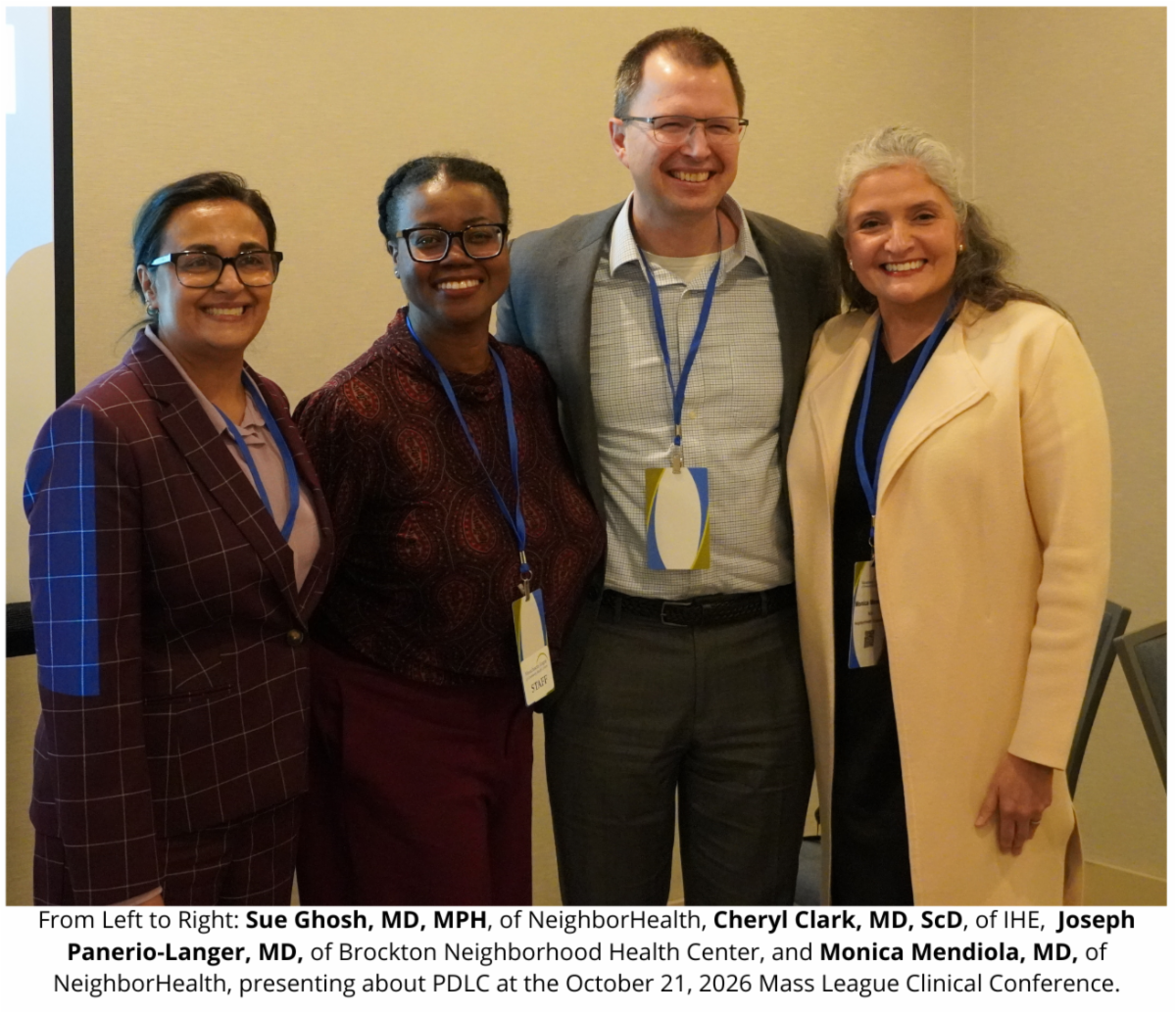
| On October 21, at the Mass League Clinical Conference, Joseph Panerio-Langer, MD, of Brockton Neighborhood Health Center, and Monica Mendiola, MD, and Sue Ghosh, MD, MPH, of NeighborHealth presented about how health centers are transforming perinatal care via the first iteration of the Perinatal Data Learning Collaborative. IHE's Cheryl Clark, MD, ScD, moderated the panel. | |
The Perinatal Data Learning Collaborative 2, launched in September of this year, is scaling the learning and partnership established in PDLC 1 with NeighborHealth and Brockton Neighborhood Health Center to improve perinatal health with data tools in four additional community health centers.
Health Centers in PDLC 2 includes HealthFirst, Greater New Bedford Community Health Center, South Boston Community Health Center, and Lowell Community Health Center with guidance from the PDLC 1 health centers.
|
| |
IHE October Newsletter Feature
| | |
This October, the Institute for Health Equity Research, Evaluation, and Policy, Inc. (IHE) observed Substance Use Prevention Month.
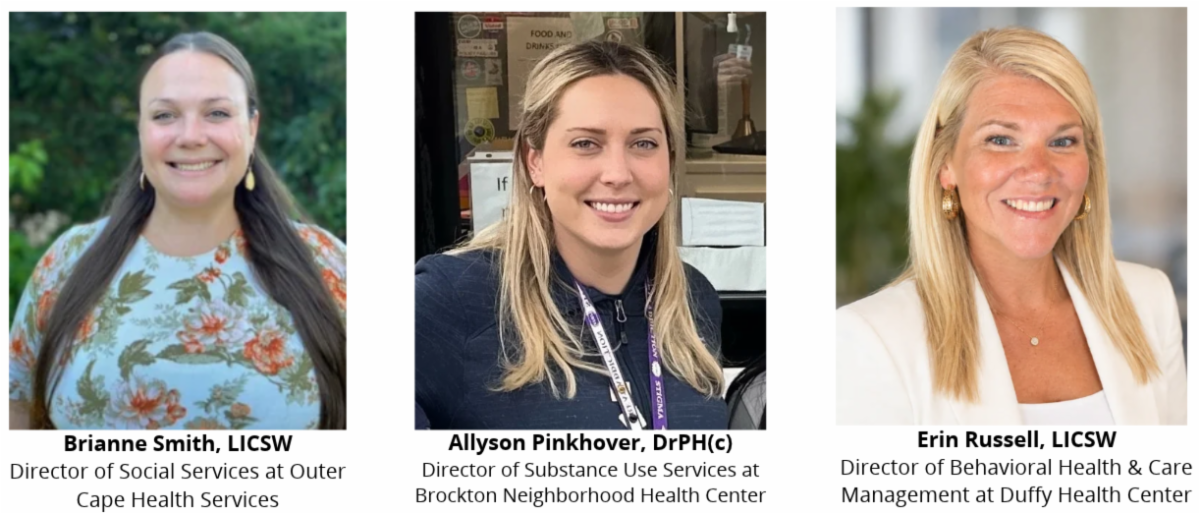
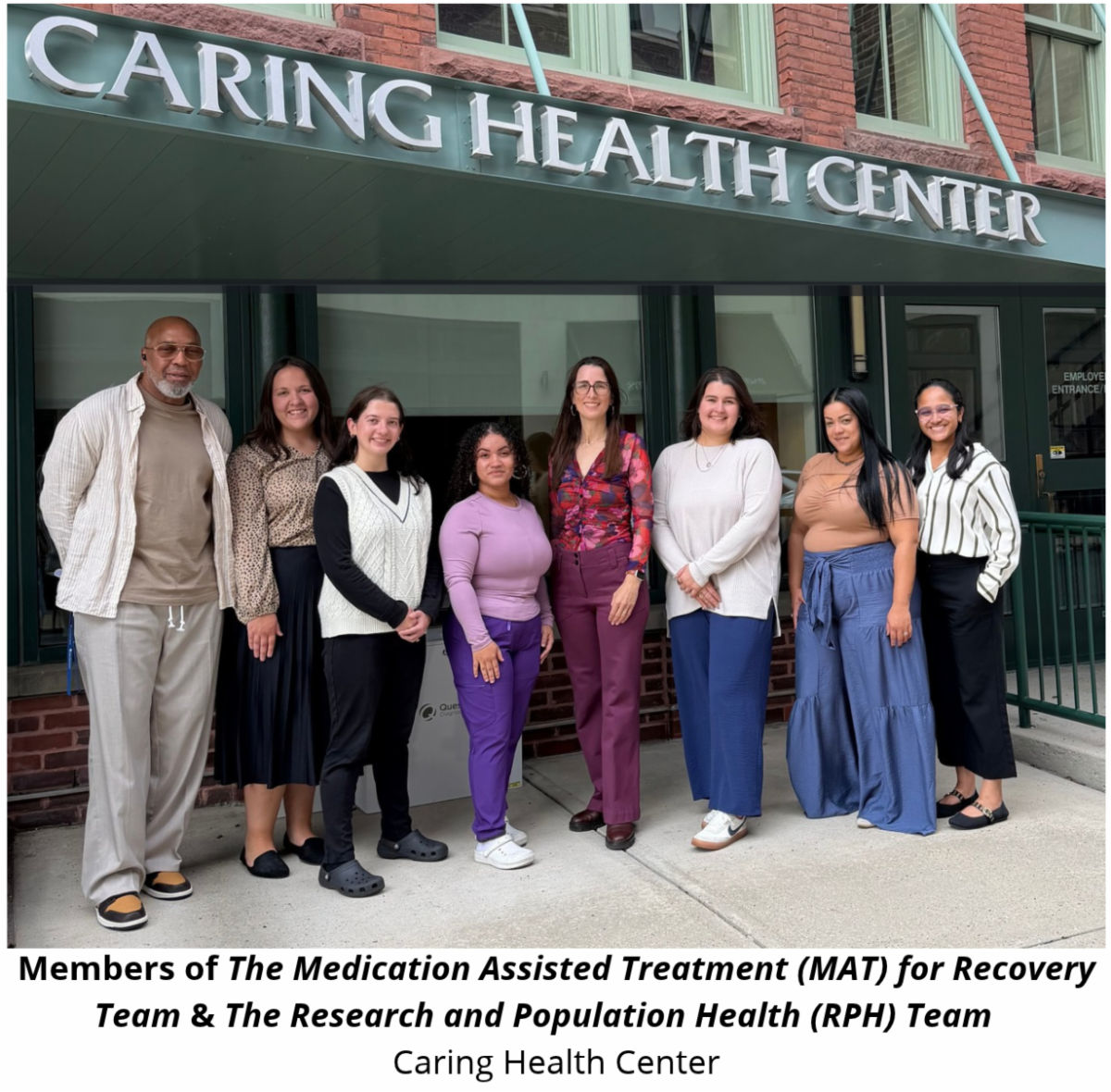
Regarding recovery services at community health centers, we interviewed Erin Russell, LICSW, of Duffy Health Center in Hyannis, Allyson Pinkhover, DrPH(c), of Brockton Neighborhood Health Center in Brockton, The Medication Assisted Treatment (MAT) for Recovery Team & The Research and Population Health (RPH) Team at Caring Health Center in Springfield, and Brianne Smith, LICSW, of Outer Cape Health Services in Harwich Port, Wellfleet, and Provincetown.
| | |
In the interview, we hear about how patients and people with lived experience are helping shape priorities for the design of addiction and recovery programs and much more.
We also featured the work of Mass League initiatives funded by the Mass General Brigham Substance Use Disorder Equity Grant. Led by Darian Leta, MPH, Senior Manager of Substance Use & Recovery at the Mass League, these initiatives have been essential to supporting health center efforts in the area of substance use prevention and harm reduction.
Read the full newsletter.
| | The Institute for Health Equity Research, Evaluation, and Policy | |
In 2023, The Massachusetts League of Community Health Centers (Mass League) created the Institute for Health Equity Research, Evaluation, and Policy, Inc. (IHE), a 501(c)(3) non-profit organization designed to support Health Center-led Science driven by community health centers.
IHE convenes communities and supports the scientific infrastructure, implementation, program evaluation and training needed to identify and sustain the most effective strategies for attaining equity in health and healthcare, as defined by those with lived experience of health inequities.
Learn more about IHE on our webpage of the Mass League website and on our LinkedIn page.
| | | | |