The Institute for Health Equity Research, Evaluation & Policy | | IHE Celebrates Juneteenth | | |
This June, the Institute for Health Equity Research, Evaluation, and Policy (IHE) is highlighting Juneteenth.
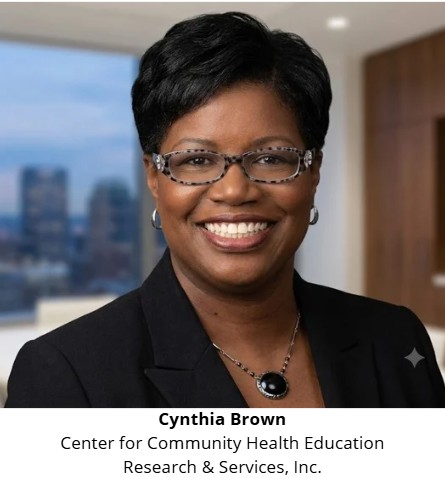
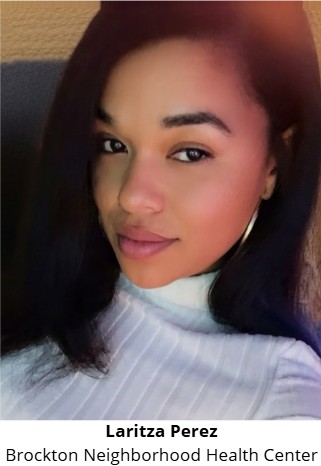
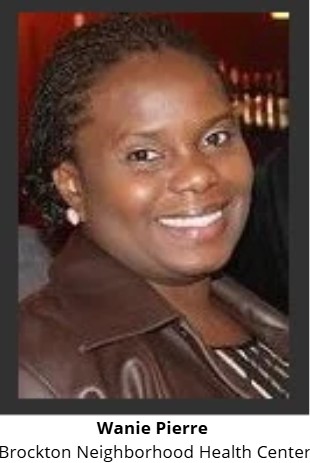
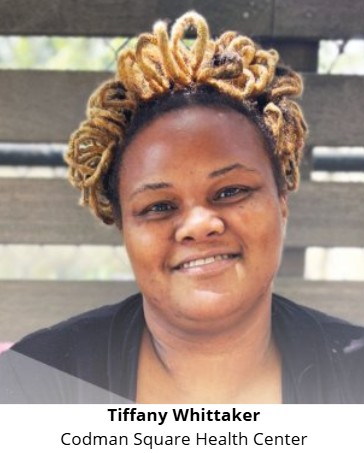
We interviewed four of the Professional Scholars of the INSPIRE program: Cynthia Brown (Finance & Administration Manager at the Center for Community Health Education Research & Services, Inc.), Laritza Perez (Youth Healthcare Program Manager at Brockton Neighborhood Health Center), Wanie Pierre (Quality Assurance Manager / Patient Advocate at Brockton Neighborhood Health Center), and Tiffany Whittaker (Lead Financial Counselor at Codman Square Health Center.
INSPIRE: Investing in Community-Led Scholarship in Community Health Centers is a program that aims to invest in health equity scholarship and policy advocacy conducted within community health centers (CHCs) to better serve communities descendent of US enslavement.
In the interview we hear about the Scholars' projects, their thoughts on the importance of health centers, and recommendations for the future of community health.
| | |
Juneteenth is celebrated each year on June 19 to mark the day in 1865 when the last enslaved people in the U.S. were informed of their freedom.
The holiday was officially recognized by the United States government five years ago and signed into law as Juneteenth National Independence Day on June 17, 2021.
| |
INSPIRE Professional Scholars
An interview with Cynthia Brown, Laritza Perez, Wanie Pierre, and Tiffany Whittaker
| | |
INSPIRE: Investing in Community-Led Scholarship in Community Health Centers is a program that recognizes that investing in communities that are descendant of enslavement in the US is critical to promoting health equity. INSPIRE is a way to invest in health equity scholarship and policy advocacy conducted within community health centers (CHC) to better serve descendant communities.
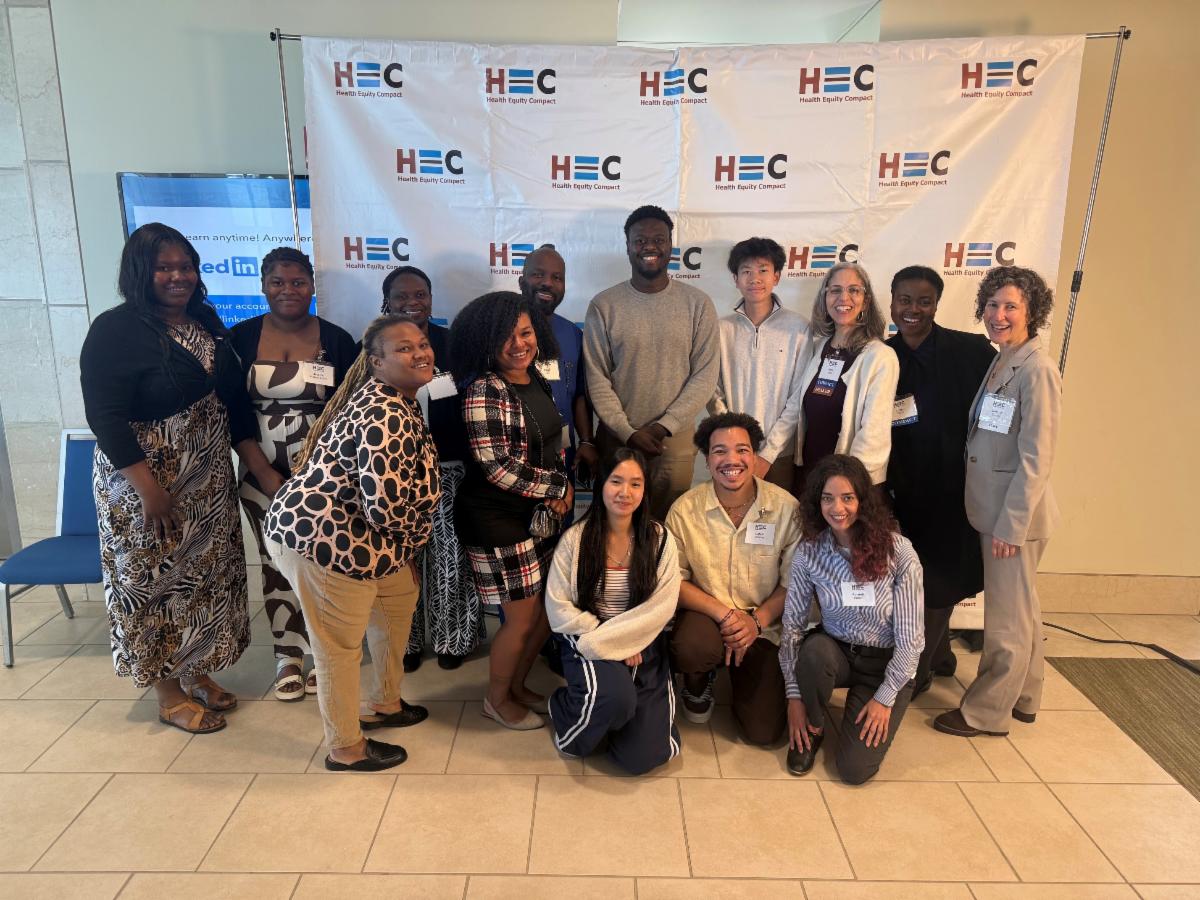
The INSPIRE Professional Scholar program is designed to support health center professionals to connect with other health professionals to develop a brief scholarly project related to their health organization’s interest, and to participate in wellness activities (yoga) and policy education. The 2025-2026 INSPIRE Professional Scholars are Cynthia Brown, Finance & Administration Manager of the Center for Community Health Education Research & Services (CCHERS); Laritza Perez, Youth Healthcare Program Manager at Brockton Neighborhood Health Center; Wanie Pierre, Quality Assurance Manager / Patient Advocate at Brockton Neighborhood Health Center; Tiffany Whittaker, Lead Financial Counselor at Codman Square Health Center; and Krystal Dowe, Executive Assistant at Codman Square Health Center (not pictured here).
INSPIRE is a collaboration among: The Institute for Health Equity Research, Evaluation and Policy, Mandela Yoga Project, Brockton Neighborhood Health Center, Codman Square Health Center, Center for Community Health Education Research & Services, Randolph High School, The Massachusetts League of Community Health Centers, and Harvard Medical School’s Office for Culture and Community Engagement.
INSPIRE is funded by The Harvard & the Legacy of Slavery: Reparative Partnership Grant Program.
| | IHE: Could you describe the project that you worked on during the INSPIRE program? | |
Cynthia Brown: As an INSPIRE Scholar, my project focuses on executive wellness within Community-Based Organizations (CBOs) by exploring how senior leadership navigates the intersecting pressures of leadership and heavy fiscal compliance burdens, such as OBBBA and SAMHSA requirements. In addition to focusing on traditional "self-care" additions, the project developed around a framework of "Strategic Subtraction"—identifying specific administrative friction, rigid timelines, and institutional reporting structures that can be automated or removed to clear meaningful mental space for leaders.
As of early June, I have completed interviews with all the CBO executives on my list. The dialogues highlight profound realities, including the intense personal weight executives carry regarding staff salary sustainability, the physical toll of chronic stress (e.g., severe symptoms of menopause). Because severe symptoms can dramatically impact daily quality of life, energy levels, and long-term health, it is important to address them with targeted strategies and professional care. In addition there is an urgent desire to utilize emerging AI tools to subtract routine reporting burdens. Participating in the INSPIRE program has deeply impacted my approach to overall health, shifting my lens from high-level financial oversight to practical, sustainable “wellness” for the leaders behind the desks. I am gaining invaluable skills in designing actionable, standard operating procedures for CCHERS, Inc. and other CBOs in the community. SOPs are tools that can help streamline work processes.
| |
Laritza Perez: During the INSPIRE program, I worked on a project focused on Bomba dancing and its correlation with health and wellness. My project explored how this traditional Afro–Puerto Rican dance can positively impact both cardiovascular and mental health. I researched how the physical movement involved in Bomba can improve heart health, endurance, and physical activity levels, while also examining its role in reducing stress, improving mood, strengthening cultural identity, and supporting emotional well-being. The project highlighted how cultural practices like Bomba can be used as a meaningful and engaging approach to promote overall health within communities
Wanie Pierre: The project mainly focused on overall customer service. I developed a staff wellness survey with 9 categories (Emotional, Occupational, Intellectual, Environmental, Financial, Social, Physical, Spiritual and Legal), that can highlight a strength a staff member has or challenges staff may be facing. We want to provide the resources and support to improve their wellness, which will lead to good customer service.
Tiffany Whittaker: My project is about informing the community about health insurance. I wanted to go out and do information sessions in a facility we own as to inform the staff and patients about all the changes that are to come with Medicare, Medicaid and Health Connector.
| | |
IHE: How have health centers improved health for everyone, including those communities that are descended from enslavement?
CB: Community Health Centers (CHCs) have been and continue to be effective, structurally designed interventions against historical healthcare disparities, systemic racism, and geographic disinvestment. For Black communities and descendants of enslaved populations who have faced generations of unequal access to medical care, health centers serve as trusted anchors of localized, high-quality care. CHCs continue to eliminate fragmented healthcare by consolidating primary medical, dental, behavioral health, and pharmacy services into a single, accessible neighborhood facility. In addition, CHCs continue recognizing that clinical care only accounts for a portion of long-term health, centers actively intervene in socioeconomic barriers by connecting patients directly to nutritional support, housing advocacy, and financial navigation tools. The noted benefits for continued health equity outcomes for descendants from enslavement will not happen without federal mandates. Such as a mandate that health center governing boards must maintain a patient majority of at least 51%. This ensures that operational priorities, clinical programs, and institutional cultures are directly managed by local residents, establishing deep community trust and accountability.
LP: Health centers have improved health by making healthcare more accessible, affordable, and culturally responsive, especially for communities impacted by the long-term effects of enslavement and systemic inequities. They provide preventive care, mental health support, chronic disease management, and health education while helping reduce barriers like cost, transportation, and language access.
| |
WP: Health Centers are much more than a place for medical care. They empower communities to know their worth, they amplify the concerns, give voice to improve health gaps and inequalities in areas that are disfranchised and racially oppressed.
TW: Increasing access to behavioral health and substance use treatment services. Expanding access to primary care, preventive services, and chronic disease management in underserved neighborhoods. Building trust in healthcare systems by employing staff who reflect the communities they serve and providing culturally competent care.
IHE: What recommendations do you have to improve community health going forward?
CB: To maximize funding efficiency, stabilize the healthcare workforce, and elevate community health outcomes; strategic investments are currently in process. There is an appreciation that the Massachusetts League of Community Health Centers is leading the network of CHCs to prioritize capital investments in generative AI integration. As health centers continue training and equipping leaders to use automated tools for complex institutional compliance, this may reallocate critical executive hours back to self and patient care.
| | |
LP: My recommendation to improve community health is to increase access to affordable healthcare, mental health services, and preventive education while investing in culturally responsive, community-based programs. Engaging youth, addressing barriers like food and transportation, and promoting wellness activities that connect culture and health can help create healthier communities long term.
WP: To stay silent or idle is to accept the faith that no community deserves better. We have a voice so we can speak the truth, we have arms so we can act on, we have feet so can move forward. As long as we have breath, we ought to speak, act and move forward with the mission; we all are well together!
TW: Increase community-based screenings, mobile health clinics, and outreach programs. Employ more trusted community members who can help patients navigate healthcare systems, insurance programs, and community resources. Reduce stigma of behavioral health and increase access to timely services.
| | |
Cynthia Brown, MPA is the Finance & Administration Manager at the Center for Community Health Education Research & Services, Inc. (CCHERS). With her dedication to public participation and community engagement, Cynthia expertly handles institutional compliance, fiscal management, and operational administration to support community-led health solutions. Cynthia has five decades of experience in the nonprofit world, including 27 years at CCHERS, 3 years as an executive director of nonprofit in Cambridge, and 20 years in direct patient care as a CNA at Boston University/Boston Medical Center. Learn more about CCHERS.
Laritza Perez is a dedicated healthcare professional with over 15 years of experience in the medical field and currently serves as a Youth Healthcare Program Manager at the Brockton Neighborhood Health Center. She is passionate about empowering youth through health education, mentorship, and career development while promoting mental health and community wellness. Through her work, she strives to create opportunities that inspire young people and strengthen underserved communities. Learn more about BNHC.
Wanie Pierre is the Quality Assurance Manager / Patient Advocate at Brockton Neighborhood Health Center. She has 29 years of experience at BNHC. Her past positions include Practice management Supervisor, Staff developer & Trainer, HIM and Compliance Associate. Wanie holds a Bachelor of Art in Communication and a Certificate in Community Health Center Management. Learn more about BNHC.
Tiffany Whittaker is a financial counselor at Codman Square Health Center. For more than 7 years, Tiffany has been helping patients take care of their financial needs so that they can focus on their health. Her excellence sets a high standard for her colleagues and inspires a culture of compassion and teamwork. Her work reinforces that each department — including financial counseling — plays an essential role in the overall health and experience of Codman Square's patients. Learn more about CSHC.
| | |
|
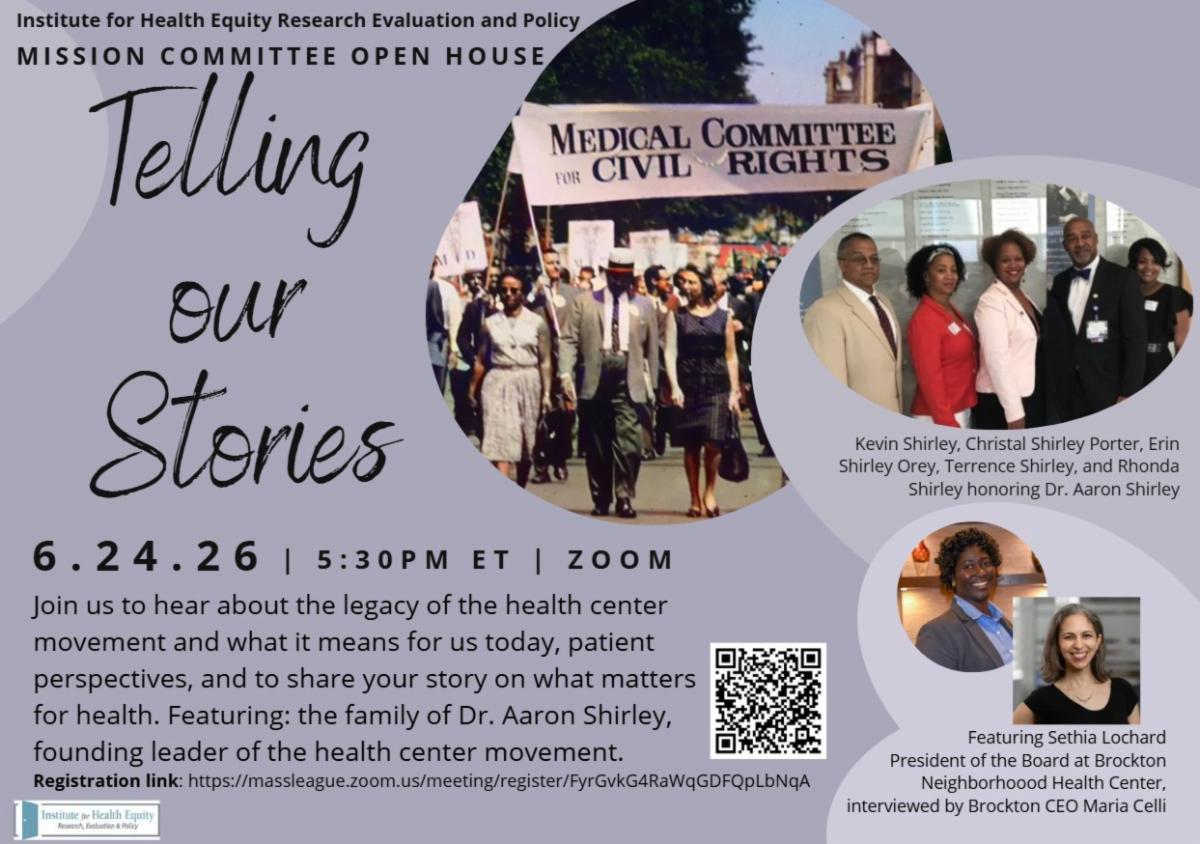
6/24 IHE Mission Committee Open House 2026
TELLING OUR STORIES
| | |
Join us on June 24th at 5:30pm via Zoom to hear the story of Dr. Aaron Shirley, a principal founder of the health center movement, as told by his son Mr. Terrence Shirley and his family. A patient perspective on the health center movement will be told by Sethia Lochard, board member of Brockton Neighborhood Health Center, and moderated by Maria Celli, CEO of Brockton Neighborhood Health Center. Please come share your story too. Health Center members can register for the event in HigherLogic.
Learn more about the history of the health center movement at Ourhealthstories.today.
Register for Zoom link.
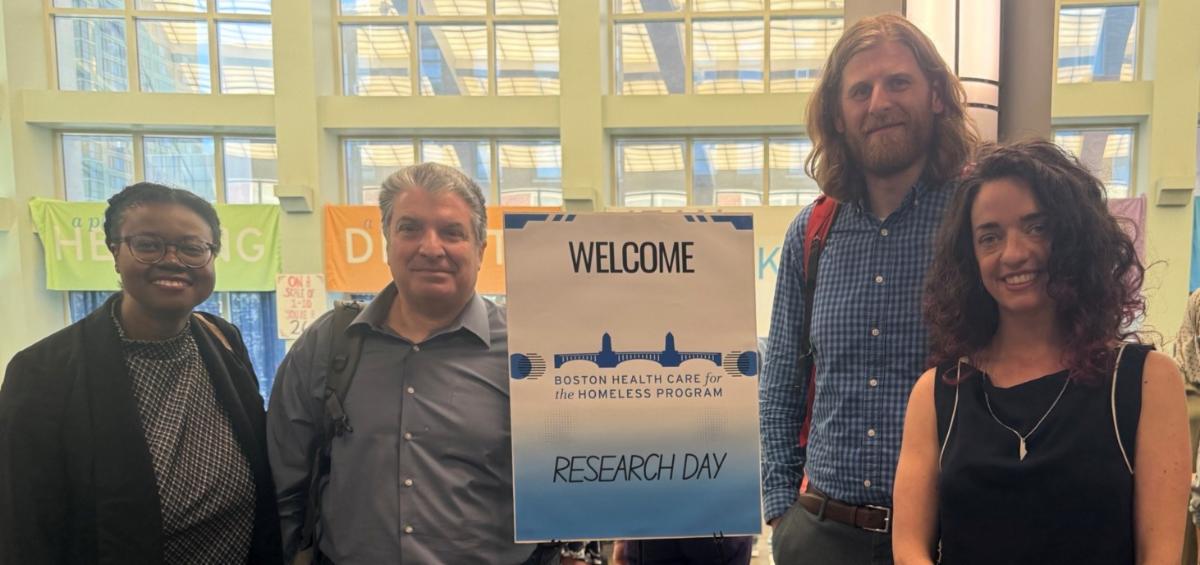
| | 5/27 Boston Healthcare for the Homeless Program Research Day | | On May 27, members of the IHE team attending the Boston Health Care for the Homeless Program (BHCHP) Research Day, an annual academic symposium hosted by the BHCHP Institute to showcase scholarly work on issues affecting people experiencing homelessness. | | |
The event highlighted cutting-edge research in homeless healthcare and featured poster sessions, keynote presentations, and collaborative forums. It brought together a wide range of stakeholders—including patients, clinicians, academic affiliates, and community partners—to share ideas and improve care.
IHE team members pictured here from left to right: Cheryl Clark (Executive Director & Senior Vice President), Dionyssios Mintzopoulos (Data Scientist), Graham Lowenthal (Data Analyst), and Amanda Pickett (Executive Assistant and Program Manager).
Learn more about Boston Healthcare for the Homeless Program.
| | | |
|
6/2 Health Equity Compact
Health Equity Trends Summit
| |
The 2026 Health Equity Trends Summit convened leaders from government, health care, business, and community organizations at a critical moment for Massachusetts. Federal policies are reshaping access to coverage, funding, and even the data we rely on to understand and address health disparities.
These shifts are forcing urgent decisions about the future of the Commonwealth’s health system and the role each of us must play in shaping it.
This year’s Summit was designed to advance clarity, connection, and action at a pivotal time.
| |
Together, participants were invited to sharpen their focus on opportunities for near- and long-term impact, strengthen relationships and alignment across sectors, and ensure they left with a clearer sense of how to take action, individually and collectively.
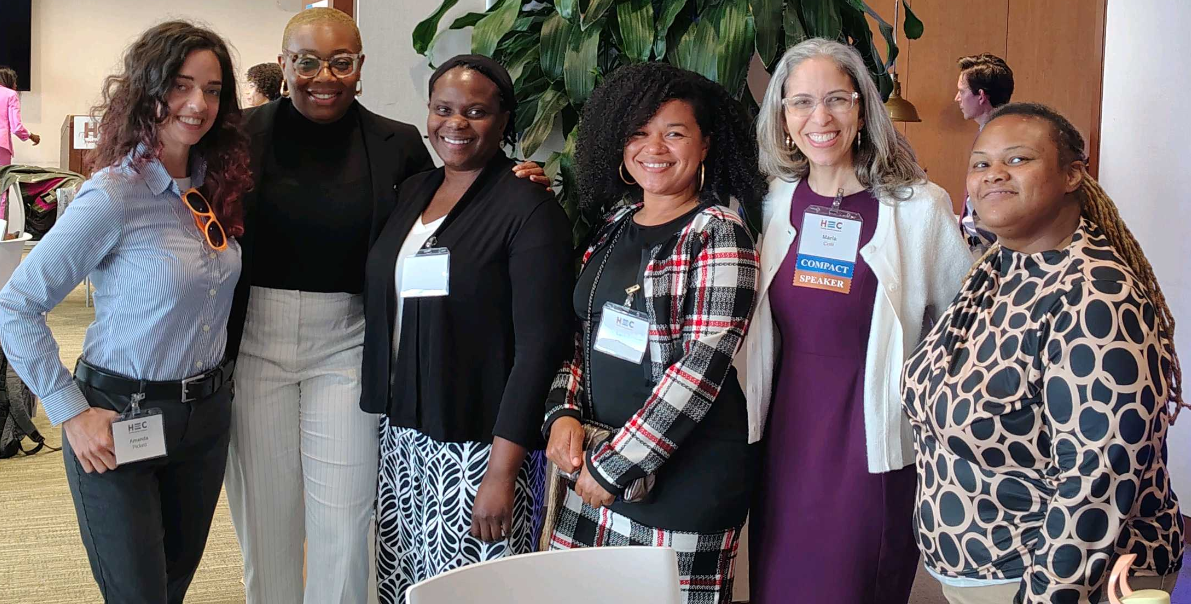
Several staff and scholars of the INSPIRE program attended and were inspired to drive meaningful, systems-level change for health equity in Massachusetts.
|
| | | IHE May Newsletter Feature | | |
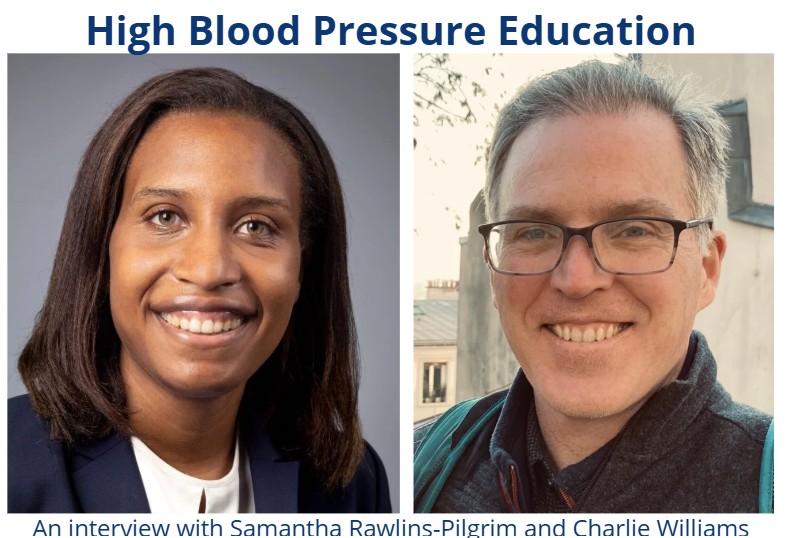
In May, the Institute for Health Equity Research, Evaluation, and Policy (IHE) is highlighting National High Blood Pressure Education Month.
We interviewed Samantha Rawlins-Pilgrim, Director of Population Health at Boston Health Care for the Homeless Program, and Charles T. Williams, Medical Director of Boston HealthNet and a family physican practicing at Neighborhealth in East Boston, on their work pertaining to high blood pressure care and education.
Read the full newsletter.
| | The Institute for Health Equity Research, Evaluation, and Policy | |
In 2023, The Massachusetts League of Community Health Centers (Mass League) created the Institute for Health Equity Research, Evaluation, and Policy, Inc. (IHE), a 501(c)(3) non-profit organization designed to support Health Center-led Science driven by community health centers.
IHE convenes communities and supports the scientific infrastructure, implementation, program evaluation and training needed to identify and sustain the most effective strategies for attaining equity in health and healthcare, as defined by those with lived experience of health inequities.
Learn more about IHE on our webpage of the Mass League website and on our LinkedIn page.
| | | | |