The Institute for Health Equity Research, Evaluation & Policy | | IHE Highlights Heart Health Services at Community Health Centers | | |
The Institute for Health Equity Research, Evaluation, and Policy (IHE) is highlighting heart heart this February.
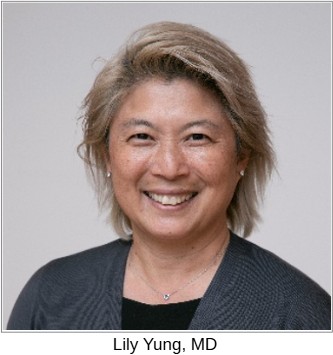
We interviewed Lily Yung, MD, Chief Medical Officer of Manet Community Health Center, and Guale Valdez, MBA, President and CEO of Mattapan Community Health Center.
The interview addresses the work taking place at their health centers regarding heart health services and high blood research.
|
| February is American Heart Month | |
American Heart Month is a nationwide observance that spotlights cardiovascular disease and the need for more lifesavers.
High blood pressure is a leading cause of heart disease. According to the Center for Disease Control, "nearly half of U.S. adults have high blood pressure, which puts them at risk for heart disease and stroke. And just 1 in 4 people with high blood pressure has it under control."
By implementing evidence-based strategies for helping their patients control hypertension and manage cholesterol, Community Health Centers address the leading risk factors for cardiovascular disease.
Learn more about American Heart Month.
| |
The Importance of Heart Health Services at Community Health Centers
An interview with Lily Yung, MD, CMO of Manet CHC
and Guale Valdez, MBA, CEO of Mattapan CHC
| | IHE: Health inequities impact the experience of people with high blood pressure. Could you tell us how your health center approaches hypertension management, including any ways that you engage the community in advancing heart health? | |
Dr. Lily Yung (Manet): Manet’s approach to hypertension management involves a comprehensive team of providers, nurses, medical assistants, RN care managers and dietician/nutritionists to support optimal patient health outcomes. In addition to talking to patients about their condition, providing educational materials in their preferred language, and answering questions during routine exams, we can refer patients to our care management team to provide extra support in making lifestyle changes and achieving long-term health goals. Our RN care managers meet with patients in person, via telehealth, or telephone according to an individual patient’s care plans and needs. When a patient is enrolled in our Remote Patient Monitoring program, they receive a blood pressure cuff and training on how to take a proper blood pressure.
With eight sites in Quincy, Hull, Taunton and Attleboro, Manet Community Health cares for a diverse population from across the South Shore and Southeastern Massachusetts. Manet participates in many community outreach events across our service area to engage people where they are and connect them with health care. We have offered blood pressure screenings at many community events at a variety of venues such as a housing resource center for people experiencing homelessness, senior centers, and local school events.
| |
Guale Valdez (Mattapan): In addition to the BHEAT program, which is described below, we are excited to participate in The Heart of Communities program, which seeks to close disparities in cardiovascular, renal, and metabolic health for patients who live in the Mattapan (02126) zip code.
This partnership between Mattapan Community Health Center, Boston Medical Center, and Mass General Brigham provides our patients not only with intensive medication management from a provider and pharmacist, but patient-centered education around physical activity and nutrition, as well as screening for social determinants of health needs coupled with referral to community resources.
IHE: Patient-Centered Outcomes Research Institute (PCORI) for Boston Hypertension Equity Alliance in Treatment (BHEAT) is a five-year study you are participating in focused on improving hypertension control and reducing associated health disparities. Could you tell us about your health center’s role in this study and the anticipated impacts?
| | LY: This is Manet’s first large scale clinical study utilizing at home data to improve health outcomes. Remote blood pressure monitoring allows a patient to be in their comfortable home environment and send accurate blood pressure readings to their provider. We hope to reach a majority of our non-compliant hypertension patients, those with hard to control blood pressure and newly diagnosed high blood pressure, as well as those who have transportation challenges or who have indicated they are interested in self-management and making lifestyle changes. The at home data will allow us to further support patients in their self-management efforts, using this data to adjust medications and utilize wrap around supports like care management and dieticians to ultimately reduce patient risk for cardiovascular disease. | |
GV: Hypertension can be challenging to treat because a patient's blood pressure measurement during an office visit is only a snapshot of their blood pressure values throughout the day. Providing patients with the tools to measure their blood pressure at home, and digitally transmitting this information to their providers, gives both the patient and their provider a better understanding of their blood pressure control.
The first phase of BHEAT will allow Mattapan Community Health Center to provide blood pressure cuffs for our patients with uncontrolled hypertension. These cuffs use cellular data to transmit home readings to their medical record instantaneously. Patients will have a more complete understanding of their blood pressure control, which we hope will help them with behavioral changes and medication adherence. Providers will have access to better data to make appropriate medication adjustments.
The second phase of BHEAT, the multilevel intensification intervention or MII, is still being designed but will focus on some of the most common causes of poorly controlled blood pressure, including poor medication adherence and clinical resistance to making a medication change when one is necessary. We hope that supports for assessing medication adherence and helping patients take their medications as prescribed, as well as systems to nudge providers to appropriately escalate medications, will improve blood pressure among our patients with poorly controlled hypertension.
| IHE: To improve hypertension in Massachusetts, what policy issues or changes do you think are most important to achieving heart health? | |
GV: We hope Massachusetts can continue to enact policy changes to ensure equal access to healthy food, space to exercise, and access to healthcare.
LY: There are many policy issues that could help reduce the incidence and impact of hypertension in Massachusetts. Some of these could include improving school lunches and improving access to healthy food for children, families, adults and seniors; supporting strategies to reduce risk factors contributing to hypertension like smoking and obesity; reducing barriers to health care access; reducing barriers to medication costs; reimbursement for telehealth and remote patient monitoring; and value-based care that supports patients through care management and community health specialist support.
| |
Lily Yung, MD, started her career at Manet Community Health Center in July 2000 and was named Chief Medical Officer in 2016. Dr. Yung is also the Physician Lead for Adult Medicine at Manet’s North Quincy practice site. As CMO, Dr. Yung helps to ensure consistency and continuity of clinical care across Manet’s six practice sites in Quincy, Hull, Taunton and Attleboro, and oversees the professional development of the medical staff.
Learn more about Manet Community Health Center.
Guale Valdez joined Mattapan Community Health Center (MCHC) in March 2010 and worked as Chief Financial Officer. In 2017, he was promoted to President and CEO. He is responsible for managing and guiding all aspects of the health center and is accountable to a Board of Directors. He is a member of several Boards which represent health care, community involvement and workforce development. Those Boards include the Massachusetts League of Community Health Centers, Boston Accountable Care Organization, Boston HealthNet Community Health Centers, Operation ABLE and the Center for Community Health Education Research and Service.
Learn more about Mattapan Community Health Center.
| | Hypertension Services at Community Health Centers in Massachusetts | | For February, IHE is highlighting hypertension services and programs at several health centers across the state. | |
Duffy Health Center, Hyannis
Medical Services: Preventative care (i.e. Cancer screenings, diabetes and hypertension screening and treatment, infectious disease screenings), sexual health care (i.e. testing and treatment for STIs & gynecology), chronic disease management and acute care, psychiatric services, post-hospital stay care coordination, nutrition services, support services, and 24/7 triage for urgent concerns
Learn more about Duffy Health Center.
Harvard Street Neighborhood Health Center, Dorchester
Adult Medicine: Preventative health services (i.e. cancer screening and health counseling), chronic disease management (i.e. diabetes, asthma, and hypertension), acute care services via both scheduled and walk-in appointments as well as 24-hour phone access to providers
Nutrition Services: Helps with diabetes (type 1 and 2), lipid disorders, hypertension, chronic kidney disease, pregnancy, abnormal weight changes, nutrient deficiencies, and many others
Learn more about Harvard Street Neighborhood Health Center.
| | |
Island Health Care, Edgartown
Primary Medical Care: Uses the Patient Centered Medical Home (PCMH) model of care to provide evidence-based care planned just for you with a lead provider and a care team. Services include annual physicals and check-ups, child wellness and immunizations, same-day visits for more urgent things like earaches, sore throats, minor wounds, and tick bites, treatment and clinical support for chronic conditions such as diabetes, asthma, hypertension, substance use disorder, and heart disease
Learn more about Island Health Care.
Manet Community Health Center, Attleboro, Hull, Quincy, and Taunton
Nutrition Services: Services include nutrition counseling and education for patients with a variety of chronic health conditions, including high cholesterol, hypertension, prediabetes, gastrointestinal problems such as GERD and IBS, Celiac Disease, food allergies, lactose intolerance, eating disorders, and weight management issues
Learn more about Manet Community Health Center.
Mattapan Community Health Center
Adult Medicine: Services include preventative health services, including cancer screening and health counseling, chronic disease management, including management of diabetes, asthma, and hypertension, acute care services, counseling on healthy lifestyles, and immunizations
Learn more about Mattapan Community Health Center.
| |
South Boston Community Health Center
Family Medicine: Services include pediatric well child checks, sports physicals and sick visits, confidential contraceptive counseling, routine gynecologic care, routine adult physical exams including vaccinations and screening for common chronic conditions and cancers, chronic disease management for a wide range of conditions such as hypertension, diabetes, obesity, migraines, asthma, depression, anxiety, COPD, heart failure, and more.
Nephrology: Comprehensive and personalized care to address conditions such as chronic kidney disease, hypertension, fluid imbalances, etc.
Learn more about South Boston Community Health Center.
| |
Whittier Street Health Center, Roxbury
Nutrition Services: Team of registered dietitians (RD) offer comprehensive nutritional assessments and counseling to meet each individual's nutritional needs. With special attention to maintaining overall health and managing health conditions such as diabetes and hypertension, the RDs work closely with patients, families and the team of health care providers to develop a personalized nutrition plan for each patient
Mobile Health Care Programs and Services: Four vans that provide routine and preventative primary care services, oral health care and screenings for early detection of chronic illnesses, including depression, substance misuse, diabetes and hypertension to close the gaps in life expectancies for low-income communities of color and immigrant populations.
Learn more about Whittier Street Health Center.
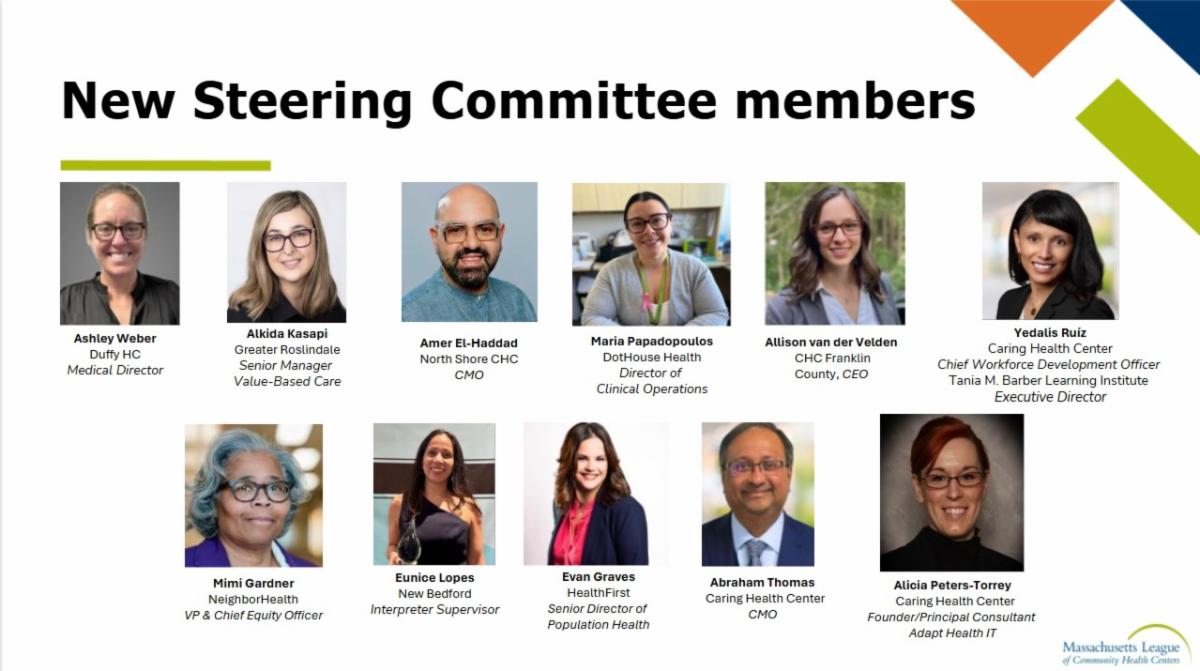
| | New IHE Steering Committee members | |
The IHE Steering Committee oversees and guides the emancipatory health justice impact of IHE.
Activities of the committee include providing overall recommendations to the Executive Director and staff, advising IHE on cross-cutting or high-priority health center opportunities for research, evaluation, and advocacy, advising and ensuring alignment on communication between CHCs and IHE on activities of relevance to health center priorities and ensure accountability to emancipatory research principles.
This February, the Steering Committee is pleased to welcome eleven new members to participate in this important work: Ashley Weber, Alkida Kasapi, Amer El-Haddad, Maria Papadopoulos, Allison van der Velden, Yedalis Ruíz, Mimi Gardner, Eunice Lopes, Evan Graves, Abraham Thomas, and Alicia Peters-Torrey.
| | Black History Month speaking engagement with the Center for Health Information and Analysis (CHIA) | | On February 24, Mass League CEO Michael Curry and IHE's Executive Director Cheryl Clark will give a presentation at the Center for Health Information and Analysis (CHIA)’s Black History Month event. | |
The presentation will include powerful insights on the history of this observance, its connection to challenges we still face today, and the role data can play in addressing them.
CHIA is an independent state agency whose mission is to serve as a steward of Massachusetts health information to promote a more transparent and equitable health care system that effectively serves all residents of the Commonwealth.
| |
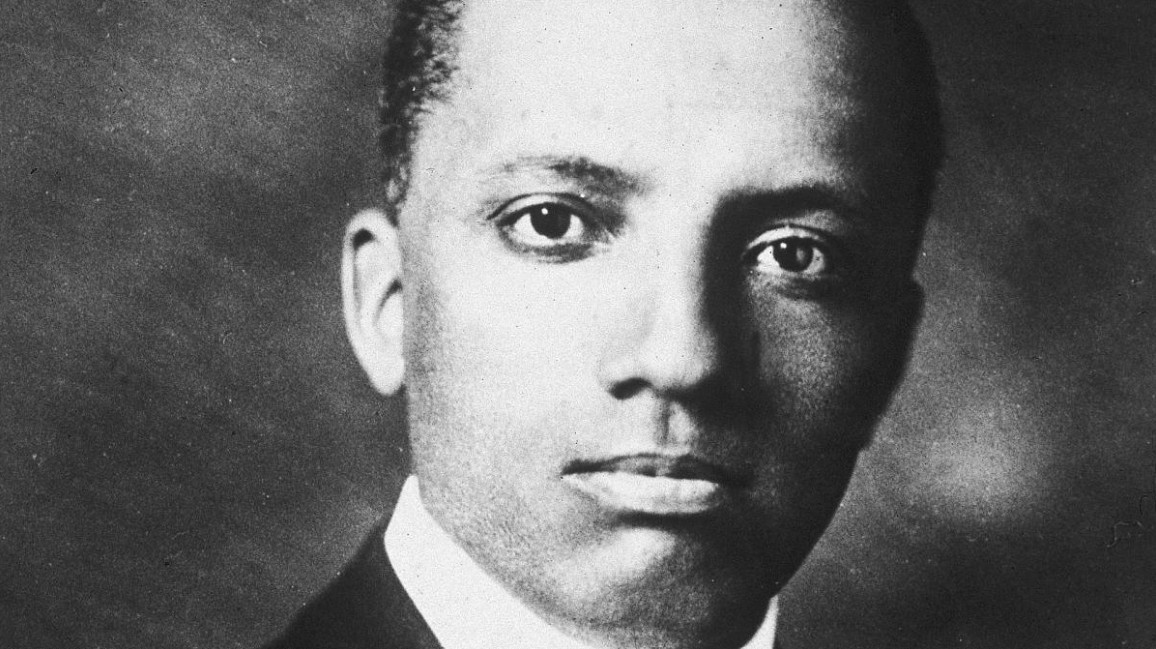
Honoring Dr. Carter G. Woodson, "Father of Black History"
This month, IHE honors Dr. Carter G. Woodson (1875-1950) who is known as the “Father of Black History.” In 1912, Woodson became the second African American to earn a PhD at Harvard University.
Recognizing the dearth of information on the accomplishments of Blacks people in 1915, Dr. Woodson founded the Association for the Study of Negro Life and History, now called the Association for the Study of African American Life and History (ASALH). Under Woodson’s pioneering leadership, the Association created research and publication outlets for Black scholars with the establishment of the Journal of Negro History (1916) and the Negro History Bulletin (1937).
| |
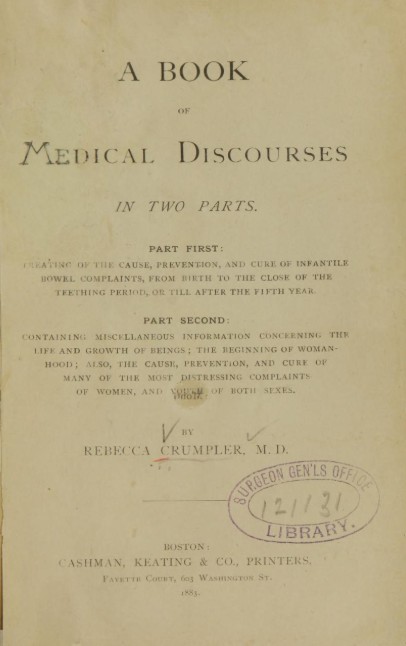
Honoring Dr. Rebecca Lee Crumpler, first African American woman doctor of medicine
February 8th marks the birthday of Dr. Rebecca Lee Crumpler (1831–1895) who was an American physician, nurse, and author. She was the first African-American female doctor of medicine, qualifying at the New England Female Medical College in 1864.
Crumpler was also one of the first female physician authors in the nineteenth century. In 1883, she published A Book of Medical Discourses. Dedicated to nurses and mothers, it focuses on maternal and pediatric medical care and was among the first publications written by an African American on the subject of medicine.
| |
Pioneers of the Community Health Center Movement
Black leaders were also at the forefront of founding community health centers. This Black History Month, the Mass League is raising up pioneers of our movement via a social media campaign of LinkedIn posts.
Check out this Mass League Black History Month post on LinkedIn about Dr. John Hatch which features the following interview with Dr Hatch and Mass League's CEO Michael Curry:
| | |
NACHC Policy and Issues Forum
February 9-12
| |
The National Association of Community Health Centers (NACHC) celebrates 60 years of CHCs and charted the course for the next era of primary care with the Policy and Issues Forum this February. This event was an opportunity to connect with fellow CHC leaders, advocate directly with bipartisan lawmakers on Capitol Hill, and explore innovative strategies to build thriving communities.
Who attends: CHC executives, clinicians, and board members; leaders of state and regional primary care associations (PCAs) and health center–controlled networks (HCCNs); and other partner organizations.
Honoring the Past: This year’s national conference kicked off as CHCs mark a major historic milestone – 60 years of providing excellent and affordable care to rural, urban, mountain, and frontier communities.
Planning for the future: NACHC is laying the groundwork to expand CHCs and transform primary care through the Triple Double strategy with three critical goals: doubling primary care spending, doubling the number of CHC patients served, and doubling the primary care workforce.
Learn more about NACHC P&I.
| | | | IHE January Newsletter Feature | | |
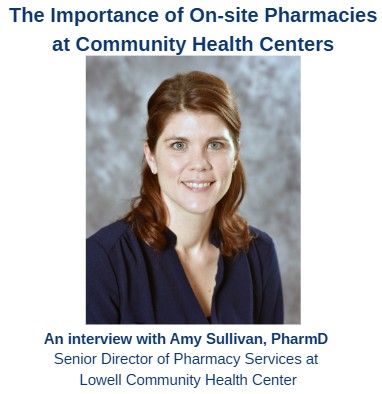
In January, IHE highlighted on-site pharmacies services due to January 12th marking National Pharmacists Day, a day that recognizes and honors all pharmacists across the nation.
We interviewed Amy Sullivan, PharmD, Senior Director of Pharmacy Services at Lowell Community Health Center.
The interview addresses the work taking place at her health center regarding on-site pharmacy services.
Read the full newsletter.
| | The Institute for Health Equity Research, Evaluation, and Policy | |
In 2023, The Massachusetts League of Community Health Centers (Mass League) created the Institute for Health Equity Research, Evaluation, and Policy, Inc. (IHE), a 501(c)(3) non-profit organization designed to support Health Center-led Science driven by community health centers.
IHE convenes communities and supports the scientific infrastructure, implementation, program evaluation and training needed to identify and sustain the most effective strategies for attaining equity in health and healthcare, as defined by those with lived experience of health inequities.
Learn more about IHE on our webpage of the Mass League website and on our LinkedIn page.
| | | | |