Join The September Group In A New October Course | Our September LIVE students are a few weeks into their program, but you haven't missed your opportunity to join them. In October, four courses begin right from the top, giving you a natural point to enter the program and become part of the group that started in September. You won't be joining a course already in progress. You'll start a new course from the beginning, alongside current IHN students, and continue through the program from there. | Start Full-Time Or Part-Time | Depending on when you register, we'll walk you through how and when you can plug into the current classes, full-time or part-time. Thinking about easing in with one class at a time? That works too. Once you're accepted, you'll receive a series of onboarding videos to get you settled, and our team will share everything covered at September Orientation so you start on solid footing. | Prefer To Begin At Your Own Pace? | IHN's Self-Paced program is open to start anytime, from anywhere in the world. You'll study the same curriculum, complete the same 100-hour Co-op placement, and have the flexibility to move through your courses on your own schedule. You can start whenever you're ready. | Four Courses That Begin In October | |
Ayurveda: Mind Body Healing
Thursday October 8
Day 10:00 am–2:00 pm | Evening Replay 6:00–9:30 pm
Preventive Healthcare
Wednesday October 28
Day 10:00 am–2:00 pm | Evening Replay 6:00–9:30 pm
| |
Human Anatomy & Physiology
Wednesday, October 14
Day 10:00 am–2:00 pm or Evening Replay 6:00–9:30 pm
Nutrition & the Environment
Thursday, October 22
Day 10:00 am–2:00 pm or Evening Replay 6:00–9:30 pm
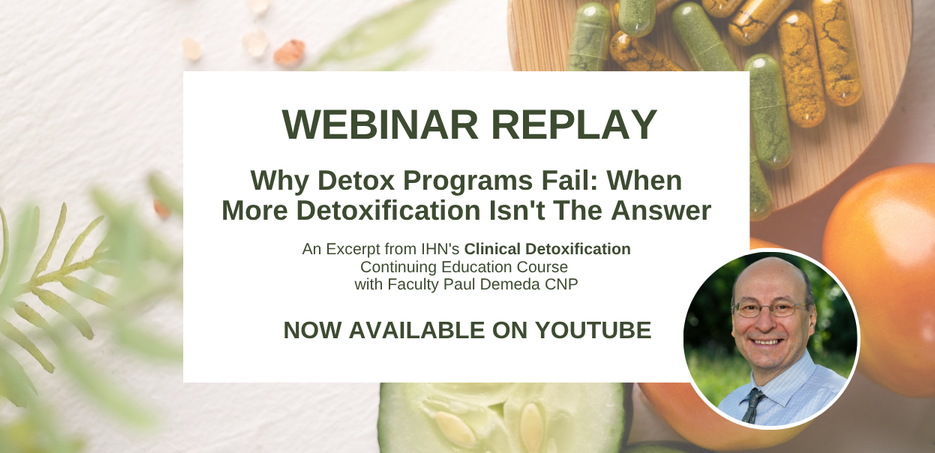
| Not sure which route is right? Book a Program Advising Session with us over Zoom, and we'll help you decide what best suits your life, your goals, and how you learn. | Paul Demeda CNP is one of our most requested webinar speakers, and if you've taken a course with him in the main diploma or one of his ConEd courses, you already know why. | In this replay, Paul digs into the physiological factors that influence detox capacity, and why "more detox" isn't always the right first move. Whether you're weighing a detox program for yourself or for a client, this one will help you get clearer on the when, why, and how. | |
• Why building detox capacity is often more important than increasing toxin mobilization
• Why some thrive during detoxification programs while others struggle
• The most common physiological bottlenecks that impair detoxification
• How impaired drainage and elimination contribute to poor tolerance and results
• Key considerations for determining whether a detoxification program is appropriate
• A practical framework for assessing detox capacity before implementing interventions
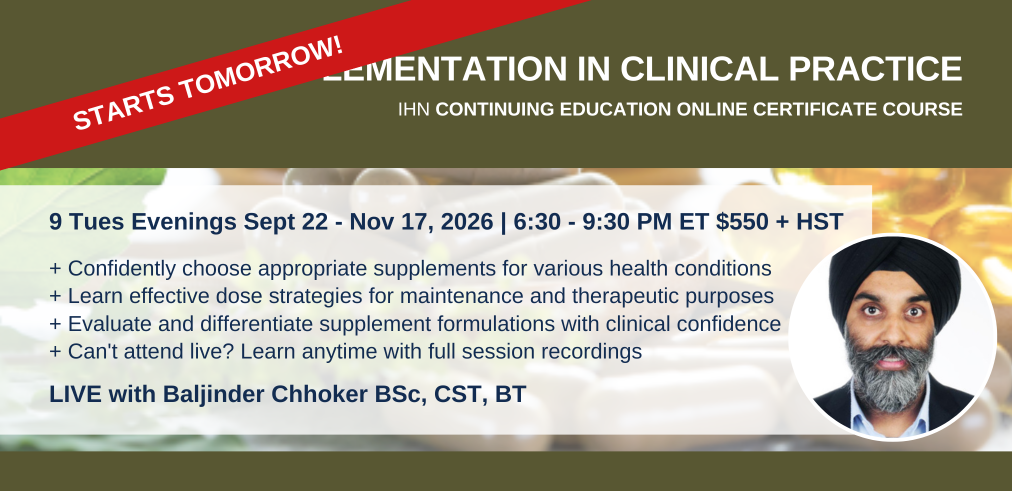
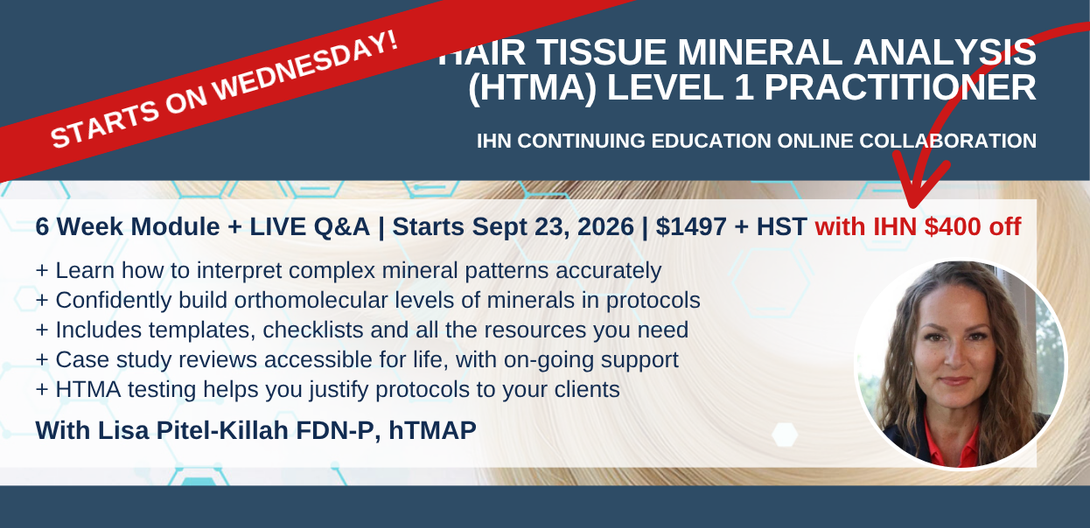
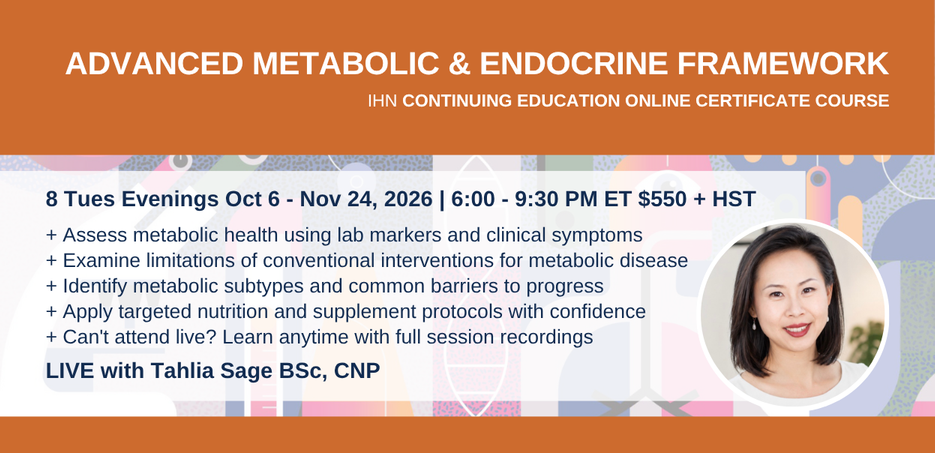
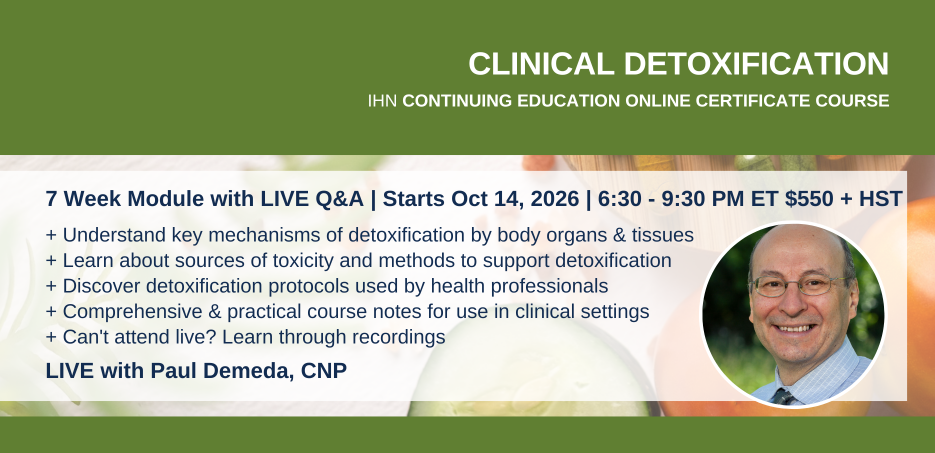
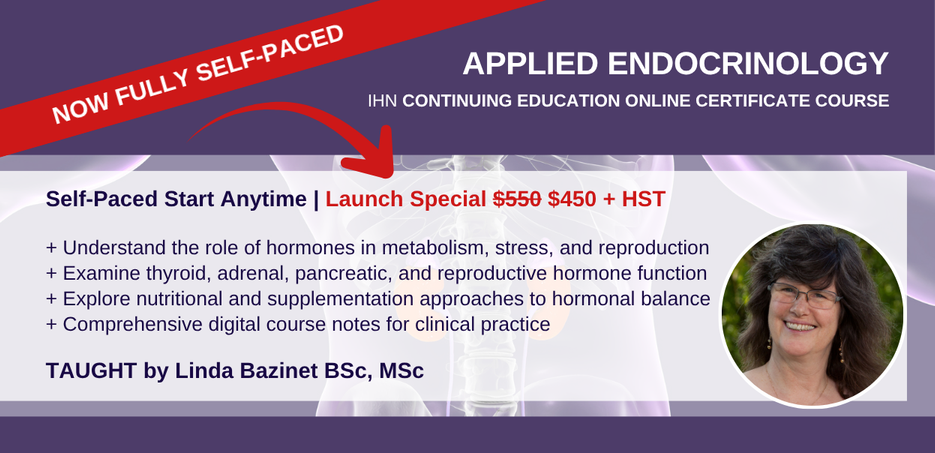
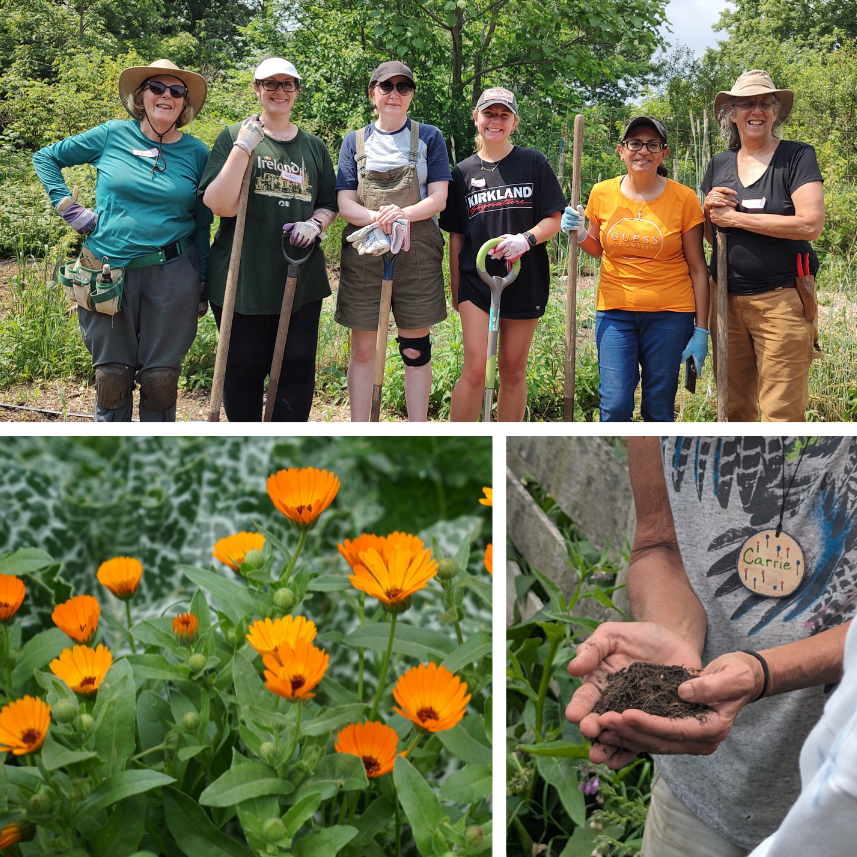
| Watch Paul's Replay On YouTube: | Building Clinical Confidence in Supplement Selection | With so many options on the market, knowing which supplement best fits a given case is its own skill. This ConEd course, built for practitioners and advanced students, walks through how to compare product categories, match them to specific health conditions, and apply dosing strategies for both maintenance and therapeutic care. | Baljinder Chhoker brings 16 years of teaching this course at IHN, and keeps the material current with new research, shifting clinical practice, and long-standing traditional medicine approaches. Real-world case examples anchor the sessions, sharpening your clinical decision-making and your ability to spot differences in supplement quality and formulation. | Every student also receives a curated supplement kit to support hands-on learning and protocol development. Retail value exceeds the course fee (shipping not included). | HTMA: Foundational Insight for Smarter Protocol Decisions | —This program, even though run through IHN, is open to practitioners from all nutrition programs! | Hair tissue mineral analysis (HTMA) is used worldwide by credible clinicians, practitioners and scientists. A single hair sample is stable over time, giving you several months of biochemical activity instead of just a snapshot from bloodwork. Collecting the sample is inexpensive and non-invasive, and it can be done without medical intervention. | HTMA testing can identify a wide range of underlying issues in the body. Lisa describes minerals as the foundation of the house that need to be kept in check to make sure "the house is strong and stable." Paired with bloodwork from your client's doctor, HTMA gives you a clearer picture for protocol development. | Clinical Skills in Metabolic Assessment & Endocrine Intervention | Advance your clinical skills with a practical, integrative framework for addressing metabolic dysfunction at its roots. You'll learn how to assess metabolic health using key lab markers and clinical patterns, identify the subtypes and barriers that stall client progress, and apply targeted nutrition, fasting, and supplement strategies. From weight and energy concerns to insulin resistance and chronic inflammation, you'll gain the tools to deliver more personalized, sustainable results. | Paul’s Detoxification Course Returns This Fall | Our quietly famous graduate Paul Demeda is back with his popular detoxification course. And this year the course arrives in a new hybrid format. Lessons are fully self-paced, so registrants can move through the material from anywhere in the world, on their own schedule, one lesson at a time. After each three-hour lesson, registrants join Paul for his weekly LIVE Monday Q&As to deepen concepts and protocols, work through clinical applications, and bring forward real-world cases for themselves or their clients. | Drawing on his own journey with detoxing harmful everyday chemicals, Paul teaches practitioners how to use detoxification effectively to support health and well-being. Participants explore the key mechanisms of detoxification by the body's organs and tissues; the body's requirements for safe, effective detoxification; sources of toxicity; the foods, supplements, and procedures that support it; and the protocols currently used by health professionals. The material is grounded in clinical evidence and published research, with step-by-step protocols and evaluations clearly outlined for use in clinic. Paul has refreshed the course with stronger, more relevant content, tighter and more practical than ever. | Learning directly from Paul in this format is rare, and comes ahead of the relaunch of his Nutrition & Mental Health course in 2027. | Advance Your Understanding Of Hormonal Health | Linda Bazinet has taught college-level biology, chemistry, and microbiology since 1988, and she brings that same scientific rigour to making complex endocrinology genuinely clear. She connects the physiology to real health conditions, so you finish the course able to think through the why behind hormonal imbalance rather than memorizing glands in isolation. | For practitioners and advanced students, this self-paced Continuing Education course gives you a working framework for seeing the endocrine system as one interconnected web. You'll learn how hormones govern metabolism, stress adaptation, sleep, appetite, reproduction, and healthy aging and how to recognize the hormonal roots of conditions like hypothyroidism, adrenal dysfunction, diabetes, osteoporosis, PMS, menopause, and PCOS. Across four units, you'll explore the nutritional strategies, hormone support, and environmental factors that quietly shape hormonal health. | Because the course is fully self-paced, you move through all lessons on your own schedule with lifetime access to revisit the lectures and digital course notes whenever a client case calls for it. | NEW Advanced Con-Ed Course For Practitioners | One of the favourite components of the Nutrition & the Environment course is when students take part in our Organic and Biodynamic Farm experiences. It's where the theory from your lectures meets the soil, literally. You'll see how food is grown well, how healthy soil is built and protected, and why the choices a farmer makes ripple all the way to your plate. | Because our students are located all over the world, you complete this component wherever you are. For many students in Ontario and BC, that means joining a group farm visit and meeting your classmates in person for the first time. For students elsewhere, IHN's Farm Trip Coordinator works with you to find a regenerative, organic farm local to where you live so your learning stays rooted in the soil, climate and food systems closest to home. | Students explore the real work of regenerative farming: composting and soil health, companion planting, biodynamic growing methods, and the connection between what grows in the ground and what ends up on your plate. You'll come away with a deeper understanding of why farming practices matter -- and likely a few things you'll want to change about how you shop and eat. | Students share their experience from a tour to Whole Village in Ontario earlier this month: | Daniele H. "What an incredible day. I loved learning about the compost system, seeing comfrey planted around the fruit trees, and how flowers and fruits were used together to support growth. My biggest takeaway, though, was meeting like-minded people and sharing a meal grown right there on the farm. Being an online student, you don't often get that face-to-face time so it was incredible to connect, share where everyone is going on their journey, and talk with others who share an interest in herbology and how herbs are used to heal." | Gillian K. "I loved being immersed in the environment at Whole Village and learning how organic food can be accessible for all, even someone like me who lives in the city. It inspired me to plant some herbs and look more closely at where my produce is coming from so I can support local farmers." | Brindha S. "The visit gave me a clear picture of how regenerative and commercial farming differ, and why that difference matters. I learned how healthy soil structure retains water, how microbes support plant health by exchanging nitrogen and carbon, and how tools like biochar, comfrey water and compost tea work in practice. Composting was a highlight! Understanding the ratio of green to carbon material and how the process builds over time made something I'd read about finally click." | We Asked: What brought you to study Holistic Nutrition at IHN? | I spent years building a career that looked great on paper and felt very hollow in practice. I was making good money in finance and completely miserable doing it. Meanwhile, the version of me that felt most alive was the one haunting the supplement aisles of gourmet grocery stores, befriending vendors at the farmer’s market, and embracing my role as my friend group’s “witch doctor.” Health and nutrition were never things I had to motivate myself to learn about, my interest in these topics was already hardwired. | What took time was giving myself permission to take them seriously. | At 35, I finally did. I applied to IHN’s Holistic Nutrition Program in 2022 and began slowly trading in the golden handcuffs and false security of my finance job for work that finally felt fulfilling. It hasn’t been a straight line, I’ve taken breaks along the way — but I’m proud to say I’m graduating this year, nineteen courses and one 140-hour co-op later. | There’s a short window every year when your kitchen can smell like both seasons at once – this is it! 🍂🍎 | One of our incredible IHN graduates, Juliana @julianaluvsfood put together these Apple Cinnamon Buns as her own sweet way of welcoming the season – soft, spiced dough, a warm apple-cinnamon filling, and a honeyed cream cheese frosting made with Greek yogurt. | It’s the kind of bake that fills the whole house with warmth before the first bite. | |