The Lifestyle Medicine Landscape


May 2026


www.instituteoflifestylemedicine.org

Edward Phillips, MD

The Director's Report 

 Edward M. Phillips, MD 

 Founder and Director, Institute of Lifestyle Medicine


Exercise: It’s Not All or Nothing


Of all the Lifestyle Medicine’s pillars, exercise resonates most with me—personally and professionally. The question that has long driven my work is simple: if exercise is so beneficial, why don’t more people do it? As a physiatrist, I’m essentially an “exercise doctor.” Physical activity supports nearly every body system and function, yet rates of physical inactivity increased from 2000 to 2022.


This decline may reflect an “all-or-nothing” mindset that trips up people when trying to become more active. When exercise feels like it only “counts” if we meet the full recommendation perfectly, many of us choose the couch instead of doing something smaller—but still beneficial.


Although all-or-nothing thinking is common, it has not been well studied in the context of exercise. In a provocative 2025 study, Michelle Segar, PhD (recently covered by the New York Times) defines it this way: “All-or-nothing thinking with exercise occurs when an individual is not willing or cannot adhere perfectly to their exercise intentions or plan and chooses not to exercise at all rather than modify the plan.”


So how do we help our patients—and ourselves—move past all-or-nothing thinking?


The Physical Activity Guidelines* specify recommended durations and intensities, but our messaging should emphasize that any movement—even below the target—is better than none. And in most cases, more is better than less. Framing activity as a continuum from minimum to ideal can make goals feel more achievable. For example:


Ideal: 45 minutes


Good: 20 minutes


Minimum: 5 minutes


It is also worth noting that Motivational Interviewing—the basis of many health coaching methods—was originally developed to support abstinence, an all-or-nothing goal, in addiction treatment. Physical activity, by contrast, works incrementally: even small increases can produce meaningful benefits. Encouragingly, addiction medicine is increasingly adopting harm reduction, a more flexible approach that moves away from all-or-nothing thinking.


Segar also notes that all-or-nothing thinking is a modifiable cognitive pattern, not an inherent personality trait.


If rigidity is the problem, flexibility is often the solution. I recently asked a patient, “Would you be open to some flexibility training—and I don’t mean yoga?” One practical tool is “if-then” planning: “If I can’t do my full planned workout, then I will still do 10 minutes.” “If I miss a day, then I will give myself grace and try again tomorrow.”


The same flexibility can keep routines intact. Instead of “I must be out the door at 6:00 AM,” try “I prefer 6:00 AM, but I have backup times if needed.”


Flexibility is a skill you can build—not a compromise to avoid.


*********************************************************************************

*Physical Activity Guidelines for Americans (2018) recommend accumulating, each week, 150 minutes of moderate-intensity physical activity (such as brisk walking) or 75 minutes of vigorous-intensity activity, or an equivalent combination, plus muscle-strengthening activities at least twice per week.


LIFESTYLE MEDICINE


TOOLS FOR PROMOTING HEALTHY CHANGE


and


Optional Workshop: Mastering the Principles of Motivational Interviewing


June 11 - 12, 2026


STILL TIME TO REGISTER!


*** NOTE: Credits may be applied toward certification with the American Board of Lifestyle Medicine and International Board of Lifestyle Medicine.


Skills Advancement: recognized experts in the fields of lifestyle medicine, behavior change, health coaching, exercise, stress management, obesity, and nutrition provide guidance and innovations for:


  • Incorporating lifestyle medicine into your current practice
    
  • Improving patient communication
    
  • Building an effective lifestyle medicine team
    
  • Engaging resistant patients


*** This program is among the highest-rated Harvard Medical School CME courses.


CULINARY MEDICINE ~~ CHEF COACHING

Courses


Clinicians Chef Coaching


Clinicians and coaches who incorporate culinary medicine into their practice are seeing something that handouts and meal plans rarely deliver: patients who actually change. CHEF Coaching gives you the framework, skills, and confidence to make that happen.


Culinary Health Education Fundamentals (CHEF) Coaching is an evidence-based culinary medicine program built around an innovative telemedicine approach. Developed for physicians, healthcare professionals, health & wellness coaches, and chefs, this two-part program integrates culinary training and health-coaching methodology to deliver meaningful nutrition change for your patients and clients.


Part 1 — CHEF Coaching: The Basics Master the culinary coaching approach with a curriculum covering lifestyle medicine and culinary medicine fundamentals, the nutritional science of home cooking, cooking strategies for patients with limited time or budget, in-office delivery tools and telemedicine integration, and behavioral coaching techniques to drive sustainable change.


Part 2 — CHEF Coaching: Beyond the Basics Available to graduates of the Basics course (via Harvard Medical School, Spaulding Rehabilitation Hospital, or Wellcoaches), this advanced series includes small-group peer coaching practice sessions, weekly culinary skills development in your own kitchen, faculty-guided reflections to sharpen your competencies, and a live, hands-on culinary telemedicine class.


Upon completion, participants are equipped to lead culinary medicine programs, improve their own nutritional behaviors, and deliver coaching that measurably improves patient health and longevity.


Now open for registration:


  • Part 2: Beyond the Basics — Live Online, June 2026


7.5 CEUs per course | Wellcoaches, ACSM, NBHWC, NCHEC


For details and registration, visit wellcoachesschool.com/chefcoaching or contact Angela at amillerbarton@wellcoaches.com.


Institute of Lifestyle Medicine
News to Know. Opportunities. Research.


  • Obesity Journal


Obesity has chosen the article "One-Year Weight Loss Following a Remote Culinary Medicine Program: A Bi-Center Randomized Controlled Trial (RCT)l" as an Editors' Choice selection for the May 2026 issue. Results from a bi-centered RCT suggest that culinary medicine intervention results in 1-year 4.3% weight loss compared to dietary counseling only. Authors Dr. Rani Polak et al.


  • New York Times, Well Section 
    May 2026


"This Mental Trick May Help You Get More Exercise. It’s not about discipline."


Dr. Eddie Phillips provides input in the New York Times, Well section on overcoming "all or nothing" thinking regarding exercise. Share with patients and clients. https://bit.ly/3RaGQLa


  • Culinary Psychology: Food Choices and the Mind-Body Connection 


"This resource brings together expertise from wide-ranging perspectives to demonstrate the importance of culinary psychology in our lives. As our understanding of the impact of what and how we eat continues to grow, this book's overview of culinary psychology will provide valuable information to students, academics, and the general reader." Co-authored by Stelios Kiosses, Beth Frates, and Neil Rippington Learn more.


The University of Richmond (UR) in Virginia has received a gold-level award from Exercise is Medicine® On Campus, a national health initiative by the American College of Sports Medicine dedicated to improving the health and well-being of the campus community through physical movement. The UR, who has participated in Exercise is Medicine® On Campus since 2018, has received three gold awards — the highest recognition for efforts to make movement a part of campus culture. Learn more.


  • Harvard Extension School Courses


Learn new skills or refresh your knowledge with online and on-campus courses. Explore options today.


_________________________________________________________________________________


  • Publications available authored by lifestyle medicine leaders:


*** PAVING Your Path Through Breast Cancer and Beyond: Evidence-based Lifestyle Medicine Tools for Cancer Survivorship

***
PAVING the Path to Wellness Manual & Workbook (Second Edition)


*** Empowering Behavior Change in Patients: Practical Strategies for the Healthcare Professional 


*** The Lifestyle Medicine Pocket Guide (Healthy Learning Publications)


*** Food, We Need to Talk


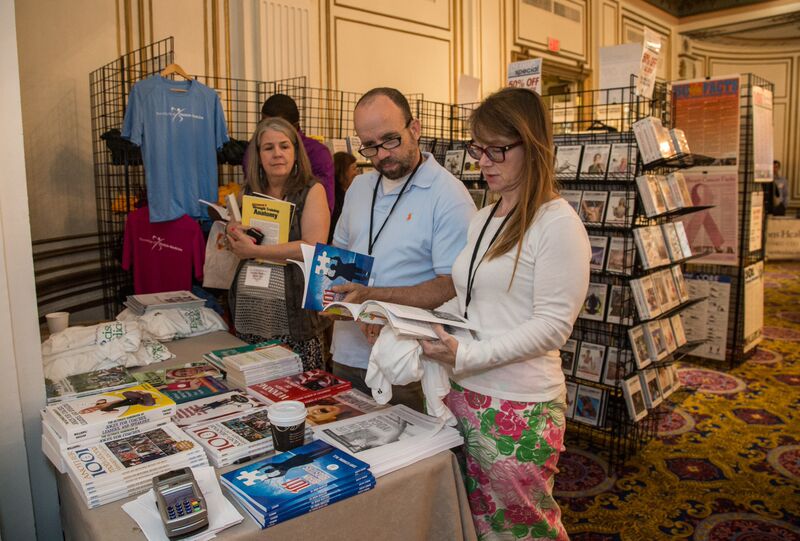
ILM Bookstore Available Online

Publications and resources are available to learn more about lifestyle medicine and enhance your work with patients/clients. Titles include those authored by ILM course presenters as well as ILM team leaders. Click here to access the bookstore. Bundled options available.


UPCOMING COURSES AND EVENTS


  • Lifestyle Medicine Tools for Promoting Healthy Change


Institute of Lifestyle Medicine

June 11 - 12, 2026

Registration Open.


Mastering the Principles of Motivational Interviewing 
June 10, 2026
Pre-course workshop.
Learn more.


Facebook  Twitter  Linkedin